Why a Springer Spaniel’s Ear Traps Moisture
If you're a Springer Spaniel owner, chances are you've spent more time peering into those adorable, floppy ears than you ever thought possible. It's a tale as old as time: your beloved spaniel gets wet, perhaps from a swim, a rainy walk, or even just a vigorous drink from their water bowl, and before you know it, you're battling another round of ear irritation or a full-blown infection. This common frustration stems from the unique design of a Springer Spaniel's ear, which, while charming, is practically a moisture trap. This guide will dive deep into why their ears are so prone to moisture, what that moisture does, and most importantly, how you can help prevent recurring issues for your furry friend.
The Unique Anatomy of a Springer Spaniel's Ear
Let's be honest, those beautiful, long, feathered ears are a hallmark of the Springer Spaniel, giving them that classic, endearing look we all adore. But from a purely practical, health-focused perspective, they're a bit of a design flaw when it comes to keeping things dry and healthy. Understanding the specific anatomical features that contribute to this problem is the first step in effectively managing it. It’s not just one thing, but a combination of factors that creates the perfect storm for moisture.
The Pendulous Ear Flap's Design Flaw
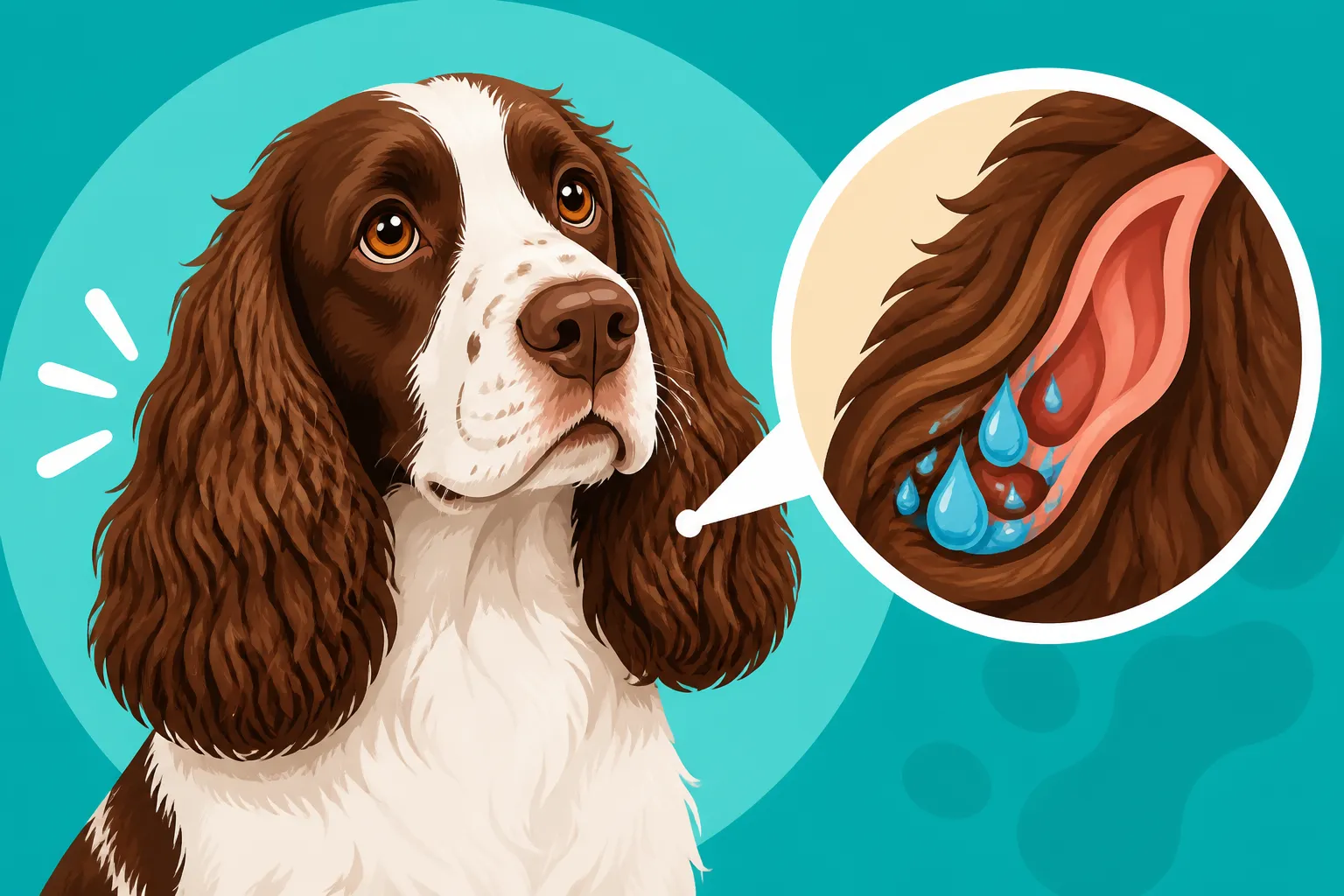
The most obvious culprit in the Springer Spaniel's ear woes is its characteristic pendulous ear flap. Unlike breeds with upright ears, like German Shepherds, where air can circulate freely, a Springer's ear leather hangs down, thick and heavy, creating a literal seal over the ear canal opening. This flap effectively blocks off ventilation, turning the ear canal into a warm, dark, and wonderfully humid environment. Imagine trying to dry out a damp towel in a sealed box versus hanging it out in the open air – the difference is stark.
When your Springer gets wet, whether it's from a dip in the lake, a romp through dew-laden grass, or even just a splash from their water bowl as they drink, that water has nowhere to go. The ear flap, instead of allowing air to whisk moisture away, acts like a lid, trapping every drop inside. This isn't just a minor inconvenience; it's a fundamental design challenge that sets the stage for a host of problems. The continuous lack of airflow means that any moisture introduced to the ear, however minimal, lingers far longer than it should, making your dog's ears a prime breeding ground for opportunistic microbes.
The Narrow, Hairy Ear Canal
Beyond the external ear flap, the internal structure of a Springer Spaniel's ear canal further compounds the issue. Their ear canals are not only long and L-shaped, making drainage difficult, but they are also often quite narrow. To make matters worse, many Springer Spaniels have a significant amount of hair growing deep within their ear canals. This hair, while natural, can act like a dense sponge, soaking up and holding onto moisture.
Think of it this way: water gets into the canal, and then it's immediately absorbed by the fine hairs lining the passage. This creates a perpetually damp environment, which is exactly what yeast and bacteria love. This hair also creates a physical barrier, making it difficult for ear cleaning solutions to penetrate effectively and for air to reach the deeper parts of the canal to promote drying. It’s a double whammy: the canal design itself impedes drainage, and the hair within it actively retains moisture. This combination is a significant reason why many owners find themselves asking Why a Springer Spaniel's Ears Are Never Quite Healthy despite their best efforts.
The Glandular Lining and Wax Production
Another often overlooked factor contributing to moisture trapping is the natural glandular lining of the ear canal. Springer Spaniels, like many breeds, have glands that produce cerumen, or ear wax. In a healthy ear, wax plays an important protective role, trapping dirt and debris and acting as a natural lubricant. However, when these glands become overactive, or when wax combines with trapped moisture, it can become a sticky, gooey mess.
This excess wax not only traps moisture but also provides a rich food source for bacteria and yeast, especially in the warm, humid environment created by the pendulous ears. The accumulation can block the ear canal even further, preventing airflow and making it even harder for moisture to escape. It’s a vicious cycle: moisture encourages wax buildup, and wax buildup encourages more moisture retention and microbial growth. If you notice your Springer Spaniel's ears are consistently producing a lot of dark, waxy discharge, it’s a clear sign that this internal environment is out of balance.
How Moisture Gets Trapped and What It Does
So, we've established why a Springer Spaniel's ear is a prime candidate for moisture retention. Now, let's delve into the mechanics of how that moisture gets trapped and, more importantly, the detrimental chain reaction it sets off within the ear. It's not just about a little dampness; it's about the creation of an unhealthy ecosystem that can quickly lead to discomfort and serious health issues.
Creating a Humid Microclimate
The moment water enters the ear canal and is sealed off by the floppy ear flap, a humid microclimate is established. This isn't just about a few drops of water; it's about the ambient moisture in the air inside the ear canal reaching near 100% humidity. Even if the external ear flap itself isn't wet, the lack of air circulation alone can lead to increased humidity, especially in warmer weather or after exercise when the dog's body temperature rises.
This sustained humidity softens the delicate skin lining the ear canal, making it more susceptible to irritation and infection. Think of how your skin reacts when it’s constantly damp – it can become macerated, red, and itchy. The same thing happens inside your Springer's ear. This damp, warm, oxygen-deprived environment is the absolute perfect breeding ground for various microorganisms, turning a simple swim or walk in the rain into a potential health hazard. The chronic state of dampness makes it incredibly difficult for the ear's natural defenses to function effectively, paving the way for problems.
Fostering Yeast and Bacterial Growth
Once that humid microclimate is established, it's open season for opportunistic pathogens. The most common culprits are yeast (typically Malassezia pachydermatis) and bacteria (often Staphylococcus or Pseudomonas species). These organisms are normally present in small numbers on a dog's skin and in their ears without causing any issues. However, when the environment becomes excessively warm and moist, their populations explode.
Yeast infections often manifest with a strong, yeasty odor, sometimes described as smelling like stale corn chips, along with brownish-red discharge. Bacterial infections can be even more severe, causing thick, often yellowish-green pus, extreme pain, and a foul smell. These infections don't just happen overnight; they are a direct consequence of the prolonged moisture and lack of ventilation. The bacteria and yeast thrive in these conditions, multiplying rapidly and overwhelming the ear's natural defenses. This is why How Often a Springer Spaniel Gets Ear Infections can be so high for many dogs of this breed – it's a systemic problem of their anatomy and environment.
The Start of the Itch-Scratch Cycle
The presence of yeast and bacteria, coupled with the irritation from constant dampness, inevitably leads to intense itching. This is where the notorious itch-scratch cycle begins, and it's a frustrating battle for both dog and owner. Your Springer Spaniel will start scratching, rubbing their ears on furniture, shaking their head vigorously, or even pawing at their ears relentlessly. While this might provide temporary relief, it actually makes the problem much, much worse.
The trauma from scratching and head shaking further inflames the ear canal, causing microscopic abrasions that allow bacteria to penetrate deeper into the tissues. This inflammation also triggers more wax production and fluid buildup, creating even more moisture and an even better environment for the pathogens. It's a self-perpetuating cycle of irritation, infection, and discomfort. Eventually, if left untreated, this chronic inflammation can lead to Whether a Springer Spaniel's Ear Canal Narrows Over Time, a condition known as stenois, making future treatment even more challenging and sometimes requiring Whether a Springer Spaniel Needs Ear Surgery to correct. Ignoring the initial signs of itchiness and discomfort is a slippery slope to more serious and painful complications.
The Role of Lifestyle and Environment in Ear Moisture
While a Springer Spaniel's anatomy certainly predisposes them to moisture-related ear issues, their typical lifestyle and the environments they often inhabit play a huge role in exacerbating the problem. These are active dogs, often with a love for the outdoors, and these very traits, while wonderful, can inadvertently lead to more ear trouble.
A Love for Water: Swimming and Bathing
It’s no secret that many Springer Spaniels absolutely adore water. Whether it's a dip in a lake, a river, a pond, or even just the backyard kiddie pool, they are often the first dogs to dive in. This love for swimming, while providing excellent exercise and mental stimulation, is also a primary culprit in trapping moisture within their ears. Every time they emerge from the water, their ears are not only dripping wet but are then sealed shut by those heavy ear flaps.
The problem isn't just the initial soaking; it's the prolonged dampness that follows. Unlike a dog with upright ears, a Springer's ears don't air dry easily. The water sits, creating that humid environment, and if not thoroughly dried, it sets the stage for infection. Even regular baths, if not followed by meticulous ear drying, can contribute to the problem. Owners often underestimate just how much water can get trapped and linger deep inside the canal, even after a seemingly quick towel-dry of the visible ear. This is why it's crucial to adopt practices that ensure Whether a Springer Spaniel Needs a Drying Solution After Water immediately after any water exposure.
Humid Climates and Dense Cover
Beyond direct water exposure, the general climate and the type of outdoor activities your Springer enjoys can significantly impact ear moisture. Living in a humid climate, even without direct swimming, can mean that the air itself contributes to higher moisture levels in the ear canal due to lack of ventilation. On muggy summer days, those floppy ears prevent the natural evaporation that would otherwise occur.
Furthermore, Springer Spaniels are working dogs, often bred to push through dense undergrowth, tall grasses, and heavy cover in the field. As they do this, their long, feathered ears drag through damp vegetation, collecting moisture, dew, and even small bits of debris. This not only introduces water but also potential irritants directly into the ear canal. The combination of environmental humidity and physically pushing through damp foliage creates a constant challenge for keeping their ears dry and healthy. It's part of their nature, but it requires diligent post-outing care.
Inadequate Drying Practices
Perhaps one of the biggest controllable factors contributing to moisture trapping and subsequent ear infections is inadequate drying practices. It's easy to assume a quick rub with a towel is enough, but as we've discussed, a Springer's ear canal is a complex, tortuous tunnel that isn't easily accessible. Many owners simply don't know the proper techniques, or they rush the process, leaving residual moisture behind.
The key isn't just to dry the visible part of the ear flap; it's to get down into the canal as much as possible, safely. Without proper drying, that water just sits and festers. This includes after swims, after baths, and even after particularly dewy walks. A casual approach to ear drying is a surefire way to invite trouble. Many owners only realize the importance of thorough drying after their dog has suffered through multiple painful infections, leading them to search for solutions for What Chronic Ear Disease Costs a Springer Spaniel Owner. Establishing a consistent and effective drying routine is paramount to breaking the cycle of moisture-related ear issues.
Beyond Moisture: Other Factors Contributing to Ear Issues
While moisture is undeniably a major player in a Springer Spaniel's ear problems, it's rarely the only factor at play. Often, moisture-related infections are compounded by or even triggered by other underlying health conditions or external irritants. Understanding these additional contributors is crucial for a holistic approach to ear health, ensuring you're not just treating symptoms but addressing the root cause.
Underlying Allergies and Inflammation
One of the most significant and often frustrating culprits behind chronic ear issues in Springer Spaniels, even when moisture is managed, is allergies. Both environmental allergies (atopy) and food allergies can manifest as inflammation and itching in the ears, leading to a cascade of problems. When a dog has allergies, their immune system overreacts to otherwise harmless substances like pollen, dust mites, or certain food proteins. This reaction often causes inflammation in the skin, and the ears are a common target.
This inflammation creates a perfect storm: the skin lining the ear canal becomes red, itchy, and swollen, making it even more prone to infection. It also stimulates the glands to produce more wax and can change the microenvironment in a way that favors yeast and bacteria. So, even if you dry your Springer's ears meticulously, if an underlying allergy is causing chronic inflammation, the ears will remain irritated and susceptible. This is a common reason why Whether a Springer Spaniel's Ear Infection Recurs even after successful treatment. Diagnosing and managing allergies, often with the help of a veterinary dermatologist, is a critical step for many Springers. Products like Purina Pro Plan Veterinary Diets or Royal Canin Veterinary Diets often come into play for food trials, and allergy shots or medications like Apoquel are common for environmental allergies. Many owners turn to pet insurance, like Healthy Paws, to help manage the significant costs associated with diagnosing and treating chronic allergies and their ear complications.
Foreign Bodies and Trauma
Given their adventurous nature and propensity for exploring dense cover, Springer Spaniels are also susceptible to foreign bodies making their way into their ear canals. The most notorious culprits are grass awns, foxtails, or other plant material. These barbed seeds can easily embed themselves in the ear canal, causing immense irritation, pain, and an immediate inflammatory reaction. Once lodged, they often migrate deeper into the ear, making them difficult to remove without veterinary intervention.
The presence of a foreign body will mimic an ear infection, causing intense head shaking, pawing at the ear, and extreme discomfort. If you suspect a foreign body, it's crucial to get your Springer to the vet immediately, as these can cause severe damage, including perforating the eardrum. Beyond foreign bodies, accidental trauma, such as a deep scratch from excessive scratching or an injury during rough play, can also open the door for infection. Anything that compromises the integrity of the delicate skin in the ear canal makes it easier for bacteria and yeast to take hold.
Hormonal Imbalances and Systemic Issues
Less commonly, but still important to consider, hormonal imbalances and other systemic health issues can contribute to chronic ear problems in Springer Spaniels. Conditions like hypothyroidism (an underactive thyroid gland) can affect skin health, leading to changes in the ear canal that make it more susceptible to infection. Dogs with hypothyroidism might have dry, flaky skin, poor coat quality, and also be prone to recurrent ear infections that don't respond well to conventional treatments.
Other systemic immune-mediated diseases or even certain types of cancer can also indirectly impact ear health by compromising the body's overall ability to fight off infection or by causing generalized inflammation. While not as common as anatomical predispositions or allergies, if your Springer Spaniel is experiencing persistent, unresponsive ear infections despite diligent care and allergy management, it's worth discussing these broader health possibilities with your veterinarian. A comprehensive diagnostic workup might be necessary to uncover these less obvious underlying causes.
Strategies for Preventing Moisture Trapping and Ear Infections
Given the anatomical predisposition and the various contributing factors, preventing ear infections in Springer Spaniels often feels like a constant battle. However, with a proactive, consistent, and multi-faceted approach, you can significantly reduce the frequency and severity of these frustrating issues. It’s all about creating an environment in the ear that is less hospitable to unwelcome guests.
Effective Ear Cleaning and Drying Routines
The cornerstone of preventing moisture-related ear infections is a rigorous and effective ear cleaning and drying routine. This isn't just a sporadic activity; it needs to be a regular part of your Springer Spaniel's care, especially after any water exposure. Always use a veterinarian-approved ear cleaner. There are many on the market, but those with drying agents like witch hazel or boric acid can be particularly beneficial for Springers.
To clean, gently lift the ear flap and squeeze a generous amount of cleaner into the ear canal until it's full. Then, gently massage the base of the ear for 20-30 seconds to help break up wax and debris. Allow your dog to shake their head – this helps to dislodge the loosened material. Finally, use cotton balls or soft gauze wrapped around your finger to gently wipe away any visible dirt or excess solution from the outer parts of the ear. Never use cotton swabs inside the ear canal, as this can push debris deeper and potentially damage the eardrum. After swimming or baths, use a dedicated drying solution or a gentle drying powder formulated for ears, like those from Epi-Otic or Zymox, to thoroughly dry the canal. Consistency is key here; a quick routine after every water exposure or weekly for maintenance can make a huge difference. If you're wondering Which Ear Cleaner Suits a Springer Spaniel, consult your vet, as the best one might depend on whether your dog has active irritation or simply needs preventive care.
Grooming Practices for Better Airflow
Proper grooming plays a crucial role in improving airflow and reducing moisture retention in a Springer Spaniel's ears. While you never want to shave the ear flap itself, which provides protection, judicious trimming of hair around and inside the ear canal can be incredibly beneficial. For many Springer Spaniels, the fine hairs lining the entrance and even deeper within the ear canal can trap moisture and debris like a sponge, as discussed earlier.
Regularly plucking these inner ear hairs can open up the canal, allowing for much better air circulation and making it easier for moisture to evaporate. This is best done by a professional groomer or your veterinarian, as it can be uncomfortable and potentially damaging if not done correctly. If your Springer is sensitive, your vet can use a topical anesthetic to make the process easier. Additionally, keeping the feathering on the underside of the ear flap trimmed shorter can help prevent it from becoming saturated with water or dragging in food and water bowls. Talk to your groomer about a "hygiene trim" for the ears to optimize for health rather than just aesthetics. This simple grooming step can significantly reduce the internal humidity and therefore the risk of infection.
Environmental Management and Protective Gear
Beyond direct ear care, managing your Springer Spaniel's environment and considering protective gear can also contribute to preventing moisture trapping. If your dog is a frequent swimmer, investing in a high-quality snood or even ear protection specifically designed for dogs can provide a physical barrier to water entering the canal. While a snood might look a bit silly, it can be a game-changer for enthusiastic retrievers who spend a lot of time in the water.
After walks through dewy fields or dense undergrowth, make it a habit to check and gently dry your Springer's ears. Consider avoiding overly swampy or stagnant water, as these can harbor more bacteria and fungi than cleaner natural bodies of water. For those living in consistently humid climates, ensuring good ventilation in your home or considering a dehumidifier can even have a minor positive impact on their overall skin and ear health. Even little things, like ensuring their water bowl isn't too wide if they tend to dunk their ears in it, can help. Remember, your Springer Spaniel's ears are a feature of their breed, and while charming, they require proactive management to keep them healthy.
Proactive Veterinary Check-ups and Early Intervention
Finally, proactive veterinary check-ups and a willingness to intervene at the first sign of trouble are paramount. Regular wellness visits allow your vet to examine your Springer's ears, catch subtle issues before they escalate, and discuss the best preventive strategies tailored to your individual dog. Don't wait until your dog is scratching frantically or there's a strong odor emanating from their ear; these are often signs of an already established infection.
Learn to recognize the early Signs a Springer Spaniel Has an Ear Infection: increased head shaking, pawing at the ear, redness inside the ear flap, a slight change in odor, or more discharge than usual. At the very first hint of a problem, contact your vet. Early intervention is crucial because it's much easier (and less expensive) to treat a mild ear infection than a chronic, deep-seated one. Your vet can take a swab and perform a cytology to identify whether yeast, bacteria, or both are present, allowing for targeted treatment. Catching issues early can prevent them from becoming chronic, painful, and more resistant to treatment, ultimately saving you stress and significant costs. While pet insurance providers like Healthy Paws are there for unexpected emergencies and chronic conditions, prevention and early action are always the best strategies for your dog's well-being.
Markdown Table: Key Factors Contributing to Springer Spaniel Ear Moisture
Here's a quick overview of the main reasons your Springer Spaniel's ears might be trapping moisture and what it leads to:
| Factor | Description | Impact on Ear Health |
|---|---|---|
| Pendulous Ear Flap | Heavy, floppy ear leather covers the ear canal opening, preventing airflow. | Creates a warm, dark, humid microclimate; inhibits natural drying; traps water inside. |
| Narrow, Hairy Canal | The ear canal is long, L-shaped, and often lined with dense hair. | Hair acts like a sponge, absorbing and holding moisture; physical barrier to airflow and drainage; provides additional surface area for microbial growth. |
| Excessive Wax Glands | Overactive glands produce more cerumen (wax) than normal. | Wax combines with moisture to create a rich food source for yeast and bacteria; further blocks air circulation and drainage. |
| Love for Water | Frequent swimming, playing in wet environments, or even splashing during drinking. | Direct introduction of water into the ear canal; if not thoroughly dried, leads to prolonged dampness. |
| Humid Environment | Living in a generally humid climate or frequently moving through damp vegetation. | Contributes to ambient moisture inside the ear, even without direct water exposure; slows evaporation. |
| Inadequate Drying | Failure to thoroughly dry the ear canal after water exposure or routine cleaning. | Leaves residual moisture that continues to foster yeast and bacterial growth; perpetuates the humid microclimate. |
| Underlying Allergies | Environmental or food allergies cause inflammation and irritation in the ear canal. | Compromises the skin barrier; increases wax production; changes ear environment to favor pathogen growth, even without excess moisture. |
Disclaimer
The information provided in this guide is intended for educational purposes only and should not be considered a substitute for professional veterinary advice. Always consult with a qualified veterinarian for any health concerns or before making any decisions about your pet's medical care.