Whether a Springer Spaniel’s Ear Should Be Cleaned When Healthy
One of the most persistent worries for any English Springer Spaniel owner, and honestly, a common frustration we all share, revolves around those beautiful, floppy ears. It often feels like you're constantly battling moisture, dirt, and the looming threat of infection. You might find yourself wondering if you're doing enough, or if you're even doing the right thing by cleaning their ears when they seem perfectly healthy. This guide is going to walk you through exactly why proactive ear care, including routine cleaning of healthy ears, is not just recommended but absolutely essential for your Springer, and how to do it effectively.
The Unique Challenges of Springer Spaniel Ears
Let's face it, our Springers are blessed with those gorgeous, long, pendulous ears. They add so much to their classic look, whether they're prancing through the show ring or charging through a field of pheasants. But those very same ears are also a common culprit for a host of problems, making ear care a non-negotiable part of responsible ownership. It’s not just about looking clean; it’s about preventing serious discomfort and expensive vet visits down the line.
Anatomy That Invites Trouble
The design of a Springer Spaniel's ear canal is, unfortunately, a perfect storm for ear infections. Unlike breeds with upright ears, which allow for natural airflow and evaporation, our Springers have heavy, floppy ear leather that drapes down, effectively sealing off the ear canal from fresh air. Think of it like a warm, moist cave. This enclosed environment is precisely what yeast and bacteria, the usual suspects in ear infections, absolutely thrive in. They love dark, damp places, and your Springer's ear canal provides just that.
Beyond the external flap, the internal structure isn't doing them any favors either. The ear canal itself often has a distinct 'L' shape and can be quite narrow. This anatomical twist makes it difficult for any trapped moisture, debris, or even ear wax to naturally work its way out. Instead, it tends to accumulate, creating an even more hospitable breeding ground for those unwelcome microorganisms. It's a constant battle against their own beautiful design, requiring owners to be diligent in their preventative measures.
The Battle Against Moisture and Debris
Anyone who owns a Springer Spaniel knows their undeniable love for water. Puddles, lakes, ponds, the garden hose – if there's water, a Springer will find it. While this enthusiasm for a swim is endearing, it means their ears are constantly getting wet. Water, especially non-sterile pond or lake water, introduces a whole host of new elements into that already-vulnerable ear canal. This excess moisture, combined with the lack of airflow, means those ears take a long time to dry out naturally, prolonging the ideal conditions for infection to take hold.
Then there's the debris factor. Our Springers are active dogs, built to work in various types of cover. Whether they're flushing game through tall grass and brambles or simply enjoying a romp in a grassy park, their long ear feathering acts like a natural broom, sweeping up everything in their path. Grass seeds, burrs, dirt, twigs, and all sorts of other botanical bits can easily get lodged in the ear flap or, worse, migrate down into the ear canal. How to Find a Grass Awn on a Springer Spaniel These foreign bodies can not only irritate the delicate lining of the ear but also create tiny abrasions, providing an entry point for bacteria and leading to painful infections. This combination of moisture and foreign invaders makes vigilant, routine ear care a cornerstone of keeping your Springer comfortable and healthy.
Proactive Ear Care: The "Why" Behind Cleaning Healthy Ears
So, you've looked at your Springer's ears, they seem fine, no scratching, no smell, no obvious redness. Do you really need to clean them? The answer, unequivocally, is yes. Thinking of ear cleaning only when there's a problem is like only brushing your teeth when you have a cavity. Preventative care is always the best approach, especially with a breed so predisposed to ear issues.
Preventing Problems Before They Start
Regular, routine ear cleaning for a healthy Springer Spaniel is one of the most powerful tools you have to prevent infections from ever taking root. It's about nipping issues in the bud, or better yet, stopping them from even sprouting. By regularly flushing out the ear canal with a gentle, appropriate cleaner, you're actively removing the accumulated wax, stray dirt, and any lingering moisture that could otherwise set the stage for a bacterial or yeast overgrowth. Imagine it as a gentle housekeeping service for their ears.
Consider the alternative: waiting for signs of an infection. By the time you notice redness, a foul odor, or your Springer constantly shaking their head and scratching, the infection is already established and causing discomfort. Treating an active infection often involves multiple vet visits, medicated ear drops (which can be tricky to administer), and a longer recovery time, not to mention the pain your dog endures. Proactive cleaning is a small, consistent effort that saves you and your dog a significant amount of trouble, stress, and expense in the long run. It's a testament to the idea that a little prevention goes a very long way, especially for Whether every Springer Spaniel gets ear trouble.
Maintaining a Healthy Ear Environment
A healthy ear isn't just free of infection; it has a delicate balance of natural flora and a specific pH level that discourages the overgrowth of harmful microorganisms. When this balance is disrupted, say by excessive moisture, trapped debris, or an accumulation of wax, opportunistic bacteria and yeast can quickly take over. Regular cleaning helps to maintain this equilibrium. By gently removing excess wax and debris, you're helping the ear's natural defenses stay strong.
It's important, however, to use the right kind of ear cleaner. Harsh chemicals or solutions not specifically designed for canine ears can strip away protective oils or alter the ear's pH, paradoxically making it more susceptible to problems. The goal is to cleanse gently, supporting the ear's natural health, not to sterilize it. Think of it as supporting their natural ecosystem. A good quality, veterinarian-recommended cleaner will be formulated to clean without causing irritation, helping the ear maintain its healthy, protective environment and allowing you to confidently manage your Springer's care.
How Often and When to Clean Healthy Springer Spaniel Ears
This is where many owners get a bit confused. There isn't a one-size-fits-all answer, but there are definitely best practices to follow. It's about finding a rhythm that works for your individual dog and their lifestyle, always erring on the side of caution with our ear-prone Springers.
Establishing a Routine for Prevention
For most healthy English Springer Spaniels with no history of chronic ear issues, a good rule of thumb is a visual check daily or every few days, and a gentle cleaning with a vet-approved solution about once a month. This monthly routine helps prevent wax buildup, removes any incidental dirt, and ensures the ear canal stays aired out as much as possible. It's a bit like changing the air filter in your house—you do it regularly to keep things running smoothly, even if nothing seems overtly wrong.
However, your Springer's lifestyle will dictate whether you need to increase this frequency. Does your dog love to swim in every body of water they encounter? Do they spend a lot of time romping through tall grasses or thick cover during hunting season? If so, you'll need to step up your game. A Springer who is regularly exposed to moisture and debris will likely benefit from more frequent cleaning, potentially every two weeks, or certainly after specific activities. The key is to be consistent with whatever routine you establish, making it a normal, positive experience for your dog. For Whether a Springer Spaniel's ears should be checked weekly, the answer is usually yes, a quick peek is always a good idea.
Situational Cleaning: After Adventures
Beyond the regular schedule, there are specific situations that absolutely warrant immediate ear attention. The number one culprit, as we've discussed, is water. If your Springer has been swimming – whether it's in a lake, a pool, or even just had a very enthusiastic bath – their ears are undoubtedly wet. Allowing that moisture to linger in the warm, dark ear canal is an open invitation for yeast and bacteria to party. Therefore, after any water adventure, the first step is to thoroughly dry the visible parts of the ear with a soft towel or cotton pad. Then, a quick, gentle application of an ear-drying solution or a light cleaning with their regular ear cleaner is highly recommended. Drying a Springer Spaniel's Ears After Swimming will help displace any remaining water and prevent the environment from becoming overly damp.
Similarly, if your Springer has spent a day in heavy cover, running through fields, woods, or hunting land, their ears are likely full of debris. Even if you don't see anything immediately obvious, tiny seeds, dirt particles, or pollen can be lurking. A post-adventure cleaning isn't just about removing visible gunk; it’s about flushing out those microscopic irritants before they can cause inflammation or harbor infection. It’s an essential part of their post-work cool-down and hygiene routine, ensuring those precious ears remain healthy and clear, even when your Springer has been having the time of their life in the great outdoors. And yes, Whether a Springer Spaniel Should Be Rinsed After a Lake also applies to the ears – a good rinse and dry after any murky water is crucial.
Step-by-Step Guide to Cleaning Your Springer's Ears
Cleaning your Springer Spaniel's ears can seem daunting at first, especially if your dog is a bit squirmy. But with the right approach, patience, and positive reinforcement, it can become a routine chore that both you and your dog tolerate, and sometimes even enjoy (thanks to treats!). Remember, gentle is the name of the game.
Gathering Your Supplies
Before you even think about lifting that floppy ear, make sure you have everything you need laid out and ready. This minimizes fumbling and stress for both of you. First and foremost, you'll need a veterinarian-approved ear cleaner. Don't just grab anything off the shelf; ask your vet for a recommendation, as some cleaners are better suited for specific ear conditions or simply better for general maintenance. Look for solutions that are gentle, pH-balanced, and perhaps contain ingredients that help dry the ear canal slightly without being harsh. Brands like Chewy and Amazon offer a wide selection of vet-recommended cleaners, so you can often find what your vet suggests there.
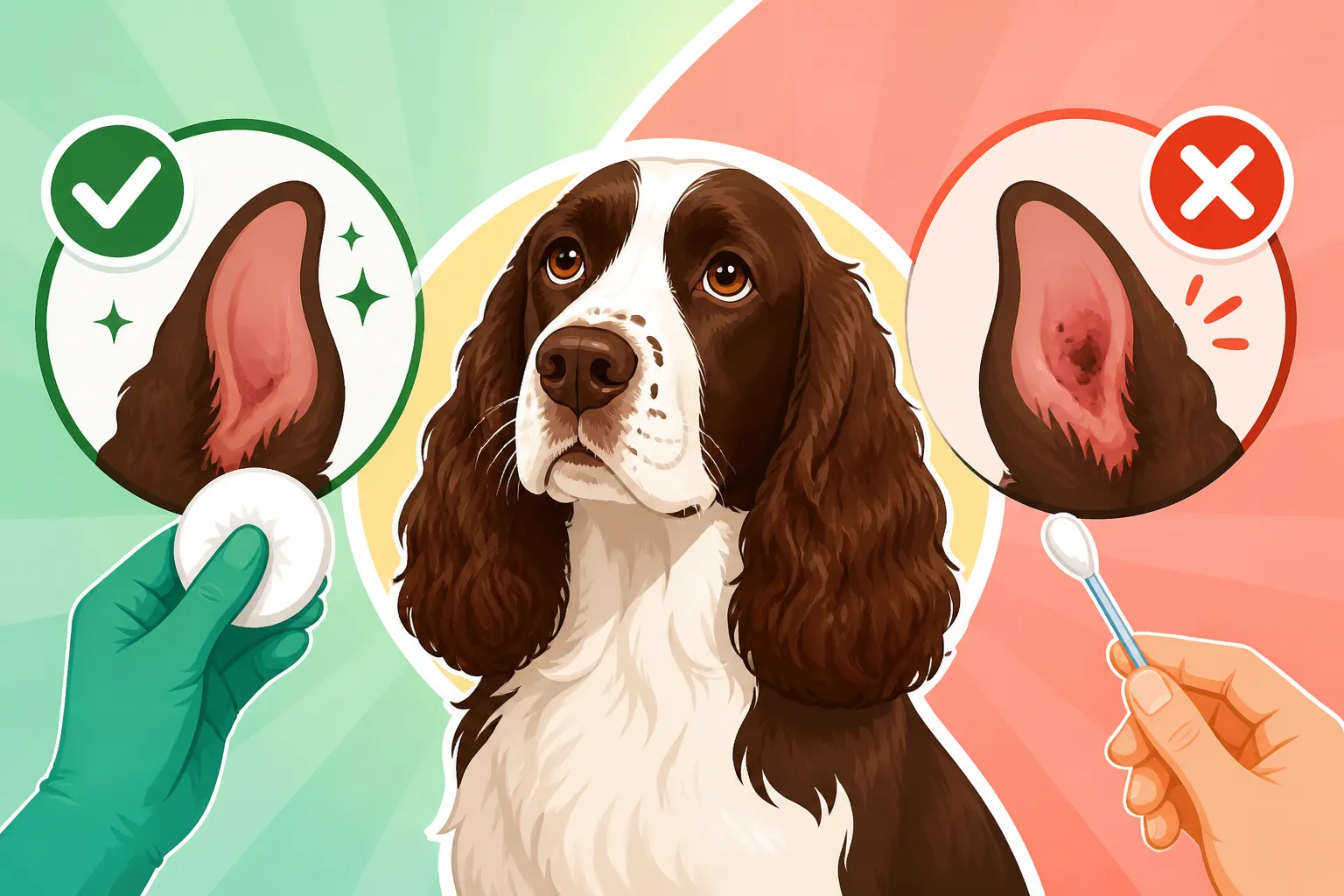
Next, you'll need plenty of cotton balls or cotton pads. I can't stress this enough: never use Q-tips or cotton swabs deep inside your dog's ear canal. These can push debris further in, potentially damage the eardrum, or compact wax, making matters worse. Cotton balls are perfect for wiping the outer ear and the visible parts of the canal. Have a towel handy for any splashing or head shaking that's bound to happen, and, most importantly, arm yourself with plenty of high-value treats! These treats are your best friend for making this a positive experience for your Springer. Which ear cleaner suits a Springer Spaniel is a question best answered by your vet, but generally, look for non-irritating, drying, or antiseptic properties.
The Cleaning Process Gentle & Effective
Now that you're prepared, let's get down to it. Find a calm, well-lit area where you and your dog are comfortable.
- Positive Association: Before you even touch their ear, offer a treat and some praise. Gently touch their ear flap, offer another treat. Build up this positive association.
- Lift the Ear Flap: Gently hold your Springer's ear flap straight up, exposing the opening of the ear canal. You'll see the external canal, which then dips down.
- Apply Cleaner: Carefully insert the nozzle of the ear cleaner bottle into the opening of the ear canal. Don't push it too far down, just into the opening. Squeeze the bottle to fill the ear canal with the solution. You'll likely need to use a good amount to ensure it gets down into the "L" bend. Don't be shy; it needs to reach those deeper areas.
- Massage the Base: With the cleaner in the ear, gently but firmly massage the base of your Springer's ear for about 20-30 seconds. You should hear a satisfying squishy sound as the cleaner sloshes around, breaking up wax and debris. This massage is crucial for loosening everything up.
- Allow Shaking (Be Prepared!): Let go of the ear. Your Springer will almost certainly want to shake their head vigorously. This is perfectly normal and actually helps to bring the dissolved wax and debris up and out of the ear canal. Stand clear, as you'll likely get a shower of ear goo! Have your towel ready to protect yourself and your surroundings.
- Wipe Visible Parts: Once the head shaking subsides, take a fresh cotton ball or pad and gently wipe the accessible parts of the outer ear and the visible folds of the ear canal. You'll likely see a fair amount of gunk on the cotton, which is exactly what you want! Use a clean cotton ball for each swipe until no more debris comes off. Remember, only wipe what you can easily see and reach. Never force a cotton ball deep into the canal.
- Repeat if Necessary: If the cotton balls are still coming out very dirty after the first round, you can repeat the process with a fresh application of cleaner. Sometimes, it takes a couple of rounds, especially if the ears haven't been cleaned in a while. If your dog is getting antsy, you can also do one ear at a time and come back to the other later.
- Praise and Reward: Finish every cleaning session with generous praise, petting, and a handful of those high-value treats. You want your Springer to associate ear cleaning with positive outcomes. Consistency and positive reinforcement are key to making this a stress-free experience for years to come.
What to Look For: Differentiating Healthy from Unhealthy
Even with a consistent cleaning routine, it's vital to know the difference between a perfectly healthy ear and one that might be brewing trouble. Regular visual checks, as mentioned before, are just as important as the cleaning itself. Becoming familiar with your Springer's normal ear health will allow you to quickly spot any deviations and act accordingly.
Signs of a Healthy Ear
A healthy English Springer Spaniel ear should be a picture of subtle cleanliness. When you lift that ear flap, the skin on the inside should be a pale, uniform pink, much like the inside of your own arm. There should be very little, if any, visible ear wax, and what little you do see should be light brown or yellowish, not dark and gunky. Most importantly, a healthy ear will have no noticeable odor. You shouldn't smell anything yeasty, cheesy, or foul. If you put your nose close, it should simply smell like…dog, or perhaps faintly of the ear cleaner you last used.
Behaviorally, a Springer with healthy ears won't be paying them much attention. They won't be scratching at their ears, rubbing their head along the carpet or furniture, or shaking their head excessively. They won't flinch or show any signs of pain when you gently touch their ears. Their ear canal itself should appear open and clear, with no swelling or discharge. Familiarizing yourself with these normal signs is your first line of defense, making it easier to catch any potential problems early.
Red Flags: When to Call the Vet
While proactive cleaning is fantastic, it doesn't replace veterinary attention when an actual infection strikes. Knowing the warning signs of an unhealthy ear is crucial, because attempting to clean an infected ear with a regular maintenance solution can actually make things worse or delay proper treatment. So, what are the red flags?
Look out for any redness or swelling on the inside of the ear flap or around the ear opening. This is a clear indicator of inflammation. A strong, unpleasant odor – often described as yeasty, sour, or even intensely foul – is another major giveaway. If you notice any excessive discharge, especially if it's dark brown, black, yellow, or greenish, and has a thick or pus-like consistency, that's a definite sign of trouble. Your dog's behavior will also give you clues: constant scratching at the ear, frequent head shaking, rubbing their head on furniture or the ground, or holding their head tilted to one side can all point to ear discomfort. If your Springer cries out or pulls away when you touch their ear, pain is present, and it's time for professional help. Signs a Springer Spaniel's Ear Has Gone Wrong are usually quite evident, but sometimes subtle changes might be the first indication. In any of these cases, please, pick up the phone and call your veterinarian. They can properly diagnose the type of infection (bacterial, yeast, mites, or a foreign body like a grass awn) and prescribe the correct medicated treatment.
| Feature | Healthy Springer Spaniel Ear | Unhealthy Springer Spaniel Ear |
|---|---|---|
| Appearance | Pale pink skin, minimal light brown/yellow wax, clean | Red, swollen, inflamed skin; excessive dark, yellow, or greenish discharge |
| Odor | No strong odor, neutral or faint scent of cleaner | Foul, yeasty, cheesy, or pungent smell |
| Wax/Discharge | Small amount of light-colored, dry wax | Heavy, dark, waxy, or pus-like discharge |
| Behavior | No scratching, head shaking, or rubbing; comfortable with touch | Frequent scratching, head shaking, rubbing; sensitive or painful to touch |
| Inside Canal | Clear, open, no visible debris or foreign objects | Redness, swelling, visible debris, matted hair, foreign bodies (e.g., grass awns) |
Disclaimer
This article is for general informational purposes only and does not constitute professional advice. Laws, prices and regulations vary by location and change over time. Consult a qualified professional for guidance on your specific situation.