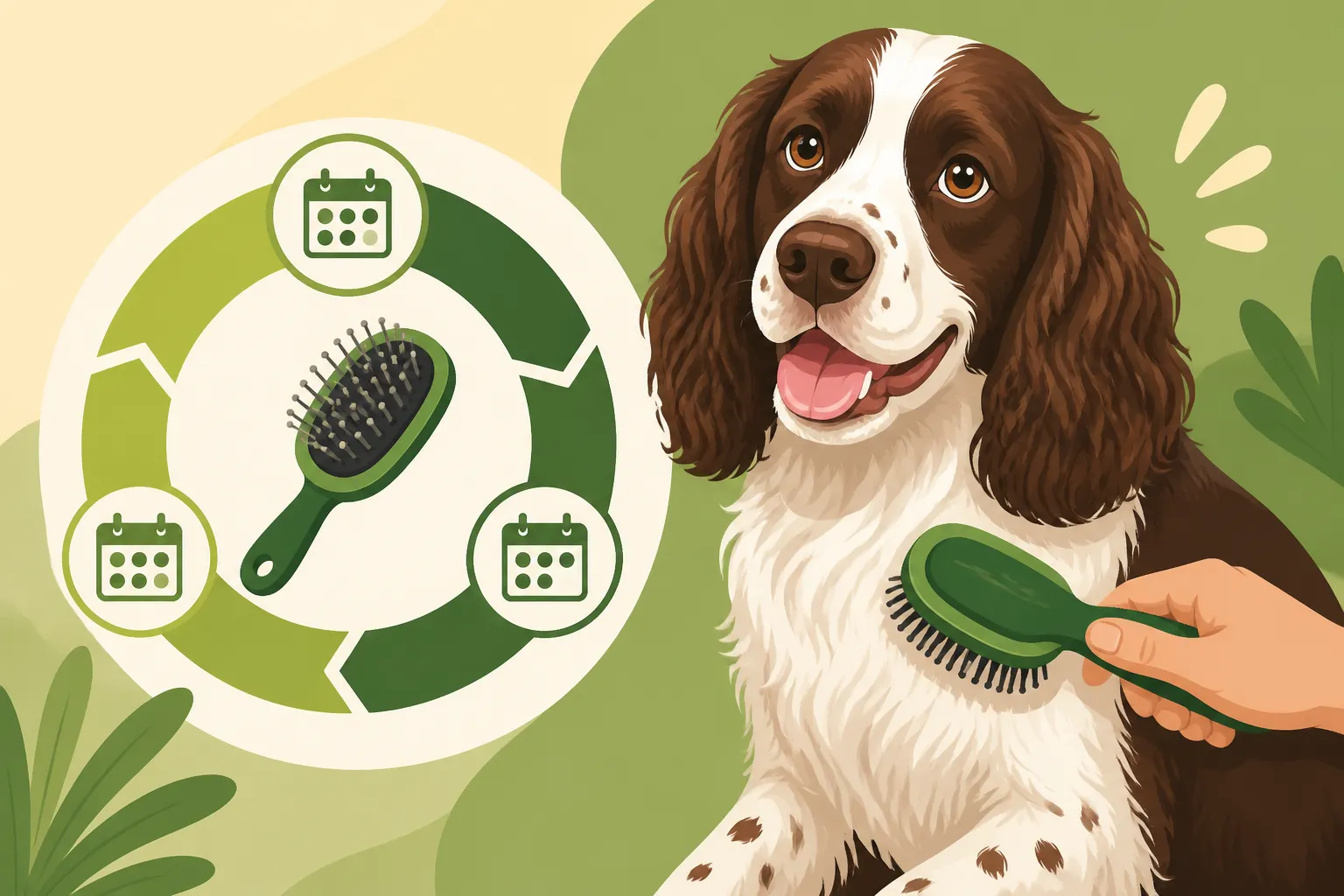
How Often a Field Springer Spaniel Needs Brushing
If you're a proud owner of a field-bred English Springer Spaniel, you already know that their boundless energy and love for the outdoors come with a unique set of grooming challenges. It’s not just about aesthetics; keeping that working coat in top condition is absolutely essential for their comfort and health. This guide dives deep into the brushing needs of your field Springer, helping you understand not just how often but why a specific routine is so important.
Understanding the Field Springer Spaniel Coat
When we talk about the coat of a field-bred Springer Spaniel, we're not just talking about fur; we're talking about a functional piece of equipment designed by generations of selective breeding. This coat is built for purpose, intended to protect your dog from the elements and the rigors of working in dense cover. It’s significantly different from the coat you might see on their show-bred cousins, and understanding these differences is key to proper care.
The Field Coat Versus the Show Coat
The first thing to appreciate is that there are essentially "two breeds" under one name when it comes to English Springer Spaniels, especially concerning their coats. A show-bred Springer often boasts a much longer, silkier, and more profusely feathered coat, particularly on the legs, belly, and ears. This coat, while stunning in the show ring, can be a magnet for debris and matting in the field, requiring extensive grooming.
In contrast, the field-bred Springer Spaniel has a more practical, hard-wearing coat. It's generally shorter, coarser, and less feathered. This isn't to say they don't have feathering – they absolutely do, especially on the legs and belly – but it's typically less profuse and designed to shed burrs and water more effectively. The texture is often denser, providing better insulation and protection against scrapes and thorns. Think of it as performance wear versus a ball gown; both are beautiful, but for very different purposes.
Why the Field Coat is Different
The field coat is a marvel of natural engineering. Its primary function is protection. When your Springer is crashing through brambles, swimming in icy water, or navigating dense undergrowth, their coat is the first line of defense. The coarser texture helps prevent burrs from clinging deep into the fur, allowing them to be brushed out more easily. The natural oils in the coat provide a degree of water resistance, helping the dog stay drier and warmer in wet conditions.
This difference in coat structure means that while a show Springer might spend hours on the grooming table to maintain its flowing locks, a field Springer's grooming is all about functionality and preventing problems. The goal isn't just to make them look neat; it's to ensure their coat can do its job and doesn't hinder their ability to move, work, or stay healthy. A neglected field coat can quickly become matted, uncomfortable, and a breeding ground for skin issues, which is precisely what we want to avoid.
Natural Shedding Cycle of a Springer
Like most double-coated breeds, Springer Spaniels, both field and show types, have a shedding cycle. They typically shed their undercoat twice a year, usually in spring and fall, in preparation for seasonal temperature changes. During these periods, you'll likely notice a significant increase in the amount of hair around your home, even with a field coat that's generally shorter.
Beyond these major seasonal "blows," Springers shed a moderate amount year-round. Their short, dense undercoat can sometimes get trapped beneath the coarser guard hairs, leading to matting if not regularly brushed out. Understanding this natural cycle helps you anticipate when your brushing efforts might need to be stepped up, ensuring you're always ahead of potential matting and discomfort for your working dog.
Daily Brushing: The Foundation of Field Coat Care
When it comes to a field-bred Springer Spaniel, "how often" isn't a simple answer, because daily attention isn't just about brushing – it's about a quick check-over that forms the bedrock of good coat health. Given their active lifestyle, daily maintenance is less a chore and more a critical habit that prevents minor issues from becoming major headaches. Ignoring this daily routine, even for a few days, can lead to a snowball effect of tangles and trapped debris.
Why Daily Checks are Crucial, Not Just Brushing
For a field Springer, daily interaction with their coat goes far beyond mere aesthetics. Their adventures in tall grasses, dense woods, and murky ponds mean they are constantly picking up hitchhikers: burrs, twigs, mud, and even ticks. A quick daily check allows you to spot and remove these unwelcome guests before they can burrow deeper, cause irritation, or lead to painful mats. Think of it as their daily health scan.
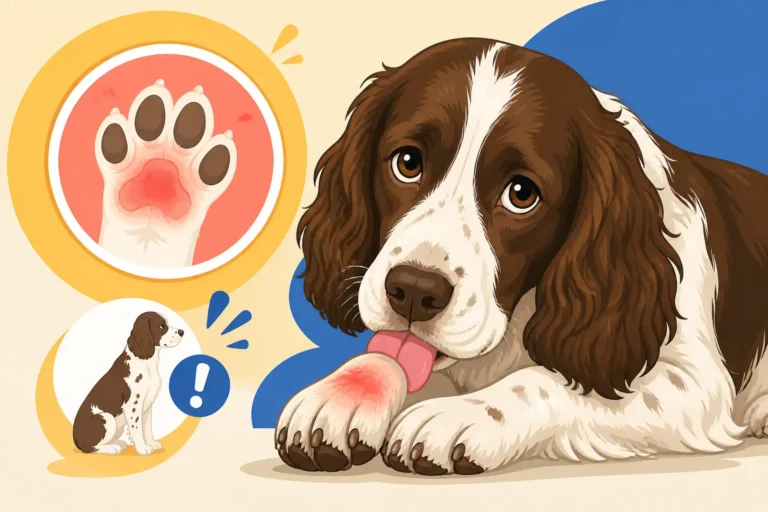
Moreover, these daily checks are your first line of defense against skin irritations, small cuts, or early signs of parasites. Imagine a tiny cut on a paw pad or a developing hot spot hidden beneath damp fur; a daily run-through with your hands and a brush can bring these to your attention immediately, allowing for prompt treatment. It's about proactive care, catching problems when they're small and manageable, before they escalate into something requiring a vet visit and significant discomfort for your dog. After the Hunt: Checking a Springer Spaniel Over Nose to Tail touches on this essential routine.
Tools for Daily Field Coat Maintenance
You don't need a professional grooming setup for daily field coat care, but having the right tools makes all the difference. For a field Springer, a good quality pin brush or a slicker brush is indispensable for working through the coat and removing loose hair and surface debris. A metal comb, particularly one with both wide and fine teeth, is crucial for checking for tangles in more heavily feathered areas like behind the ears, on the legs, and the belly.
Additionally, a good pair of blunt-nosed scissors can be a lifesaver for carefully snipping out stubborn burrs or small mats that you can't brush through, always with extreme caution to avoid nipping the skin. For removing mud and loosening dirt, a stiff bristle brush can work wonders without being too harsh on their skin. You can find a wide array of these essential tools on platforms like Amazon, making it easy to stock your grooming kit. Which Brush Suits a Springer Spaniel delves into brush types more deeply.
Quick Brushing Techniques for Busy Owners
We all lead busy lives, and the thought of an hour-long grooming session every day can feel daunting. The good news is, daily care for a field Springer doesn't have to be a marathon. Focus on quick, targeted sessions. Start with a thorough run-through with your pin or slicker brush, paying particular attention to the feathering on the legs, belly, and ears – these are prime matting zones.
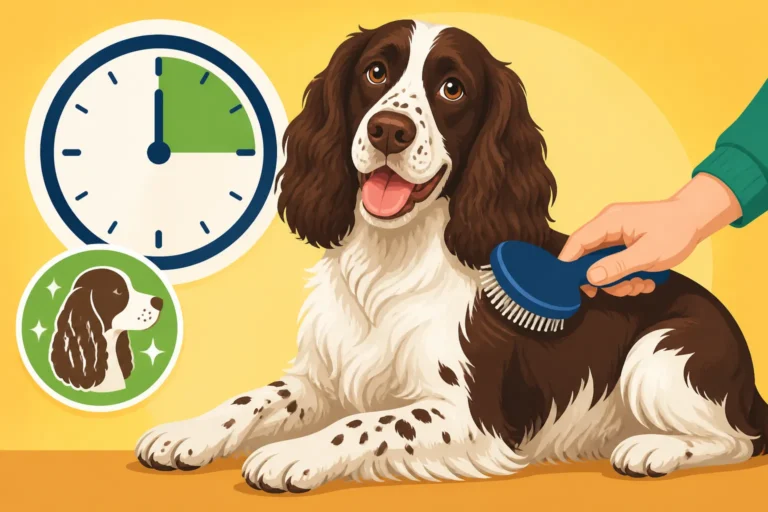
Follow up with your metal comb to check for any knots that the brush might have missed. If you encounter a mat, try to work it out gently with your fingers first, then use the wide teeth of the comb, moving slowly from the ends of the hair towards the skin. Don't pull! These quick checks should take no more than 10-15 minutes, tops, and can easily be integrated into your routine, perhaps after their morning walk or evening play session. It's also a fantastic way to bond with your dog, turning a necessary task into a positive interaction. How Long Brushing a Springer Spaniel Takes offers more insight into grooming durations.
Deeper Brushing Sessions: When and How Often
While daily checks are paramount for a field Springer, they're often not enough on their own to maintain peak coat health. Deeper, more thorough brushing sessions are necessary to address the undercoat, prevent serious matting, and keep the skin healthy beneath all that protective fur. These sessions are about prevention and maintenance, ensuring your dog remains comfortable and ready for their next adventure.
Weekly De-tangling and Undercoat Management
Beyond the daily quick brush, a field Springer Spaniel truly benefits from a more comprehensive grooming session at least once a week. This is where you dedicate time to systematically working through the entire coat, section by section. The goal here is to de-tangle any forming knots and, crucially, to manage the undercoat. Their dense undercoat can easily pack down and trap loose hairs, leading to felted mats that are incredibly painful and difficult to remove.
For these weekly sessions, a good quality undercoat rake or de-shedding tool can be incredibly effective. These tools are designed to reach through the topcoat and pull out loose undercoat without damaging the healthy guard hairs. Pay extra attention to areas prone to matting: behind the ears, under the armpits, the groin, and the long feathering on the legs and tail. Regular use of these tools, combined with a slicker brush and a metal comb, will drastically reduce shedding in your home and keep your Springer's coat light, airy, and free of serious tangles.
Seasonal Changes and Increased Brushing Needs
The natural shedding cycle of a Springer Spaniel means that their brushing needs will fluctuate throughout the year. During spring and fall, when they are actively blowing their coat, you'll need to increase the frequency and intensity of your brushing. Instead of just a weekly deep dive, you might find yourself doing two or even three thorough brushing sessions a week, in addition to your daily quick checks.
This increased attention during seasonal changes helps to remove the dead undercoat quickly, preventing it from forming massive mats. If you don't remove this shedding hair, it can become incredibly dense, trapping moisture against the skin and potentially leading to skin infections. Keeping on top of the seasonal shedding also helps regulate their body temperature, ensuring they stay comfortable as the weather shifts.
Addressing Mats and Tangles Effectively
Even with the most diligent routine, a field Springer is likely to pick up a challenging mat or two, especially after an intense session in dense cover. When you encounter a mat, resist the urge to pull or yank at it, as this will only cause pain and distress. Instead, arm yourself with patience, a good detangling spray (you can find options on Chewy), and your metal comb.
Start by gently separating the mat with your fingers as much as possible. Spray a little detangling solution onto it, which helps loosen the hair. Then, using the wide-toothed side of your comb, start working from the outside edge of the mat, gently teasing out small sections of hair, slowly moving inward towards the skin. This "line brushing" technique, where you work through the mat in small layers, is the most humane and effective method. For very tight, felted mats, especially in sensitive areas, it's sometimes best to carefully cut them out with blunt-nosed scissors or consult a professional groomer. Remember, removing mats shouldn't hurt your dog, so take your time and be gentle. Whether a Springer Spaniel Mats Behind the Ears and Whether a Matted Springer Spaniel Has to Be Shaved provide more context.
Special Considerations for the Active Field Springer
A field Springer Spaniel lives a life of adventure, which means their grooming routine needs to be tailored to their specific activities. The very things that make them such wonderful companions and working dogs – their drive to explore, their love for water, their fearlessness in cover – also present unique challenges for their coat health.
Post-Hunt or Outdoor Adventure Brushing
This is perhaps the most critical brushing session for a field Springer. After any significant outdoor excursion, particularly a hunt, a long hike, or a romp through dense fields, a thorough post-adventure brushing is non-negotiable. Your dog will inevitably return with a collection of natural souvenirs in their coat: burrs, seeds, twigs, mud, and possibly even parasites.
This session should be meticulous. Start by visually inspecting their entire body for any obvious debris. Then, systematically brush through their coat using a slicker or pin brush, paying close attention to their feathering, armpits, groin, and ears. These are the hotspots where debris loves to hide and where mats can form rapidly. Don't forget to check between their toes and paw pads, as small stones or seeds can get lodged there, causing discomfort. This post-activity ritual is essential for preventing painful matting and ensuring their comfort.
Preventing Burrs, Ticks, and Debris Problems
Prevention is always better than cure, especially when it comes to a field Springer's coat. Before heading out, consider applying a dog-safe protective spray to their coat, especially to the feathering. These sprays can help make the coat more slippery, reducing the ability of burrs and seeds to cling. For working dogs in heavy cover, some owners opt for protective vests, which cover the chest and belly and can significantly reduce the amount of debris caught in those areas.
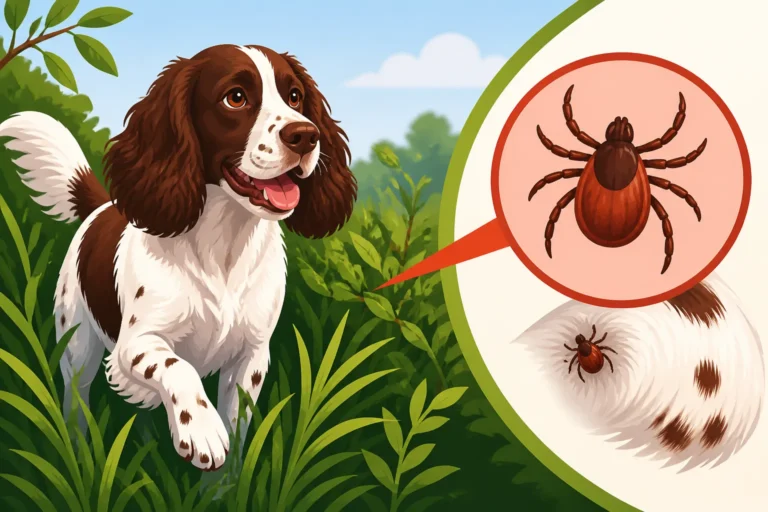
Regular tick checks are also a vital part of grooming for an active Springer. Ticks can hide deep in the coat, particularly around the ears, neck, and armpits. After every outdoor adventure, run your hands thoroughly over your dog's body, feeling for any bumps or attached ticks. Early removal is key to preventing disease transmission. How to Check a Springer Spaniel for Ticks offers detailed guidance. Also, keeping the feathering slightly trimmed in certain areas can reduce the amount of surface area for debris to cling to, without compromising the coat's protective qualities. Burrs, Ticks and Grass Awns in a Working Springer Spaniel is another great resource for this topic.
The Importance of a Clean, Healthy Skin Barrier
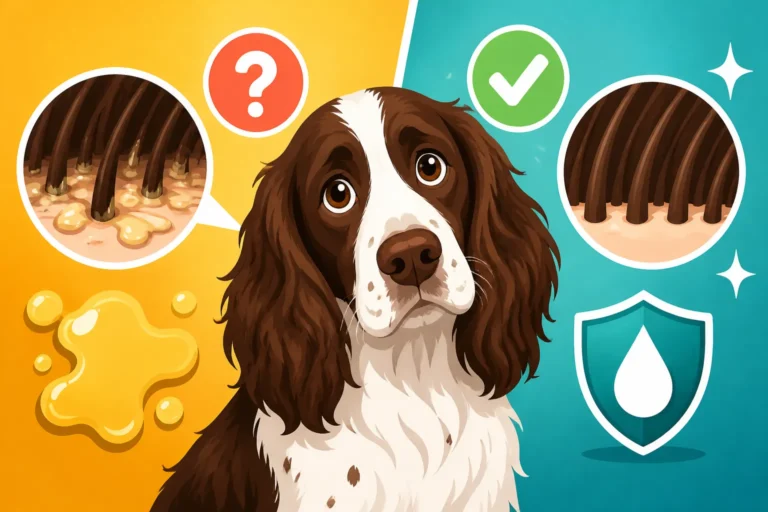
Brushing isn't just about the hair; it's intrinsically linked to the health of the skin underneath. A field Springer's dense coat can easily trap dirt, moisture, and allergens against the skin, creating a perfect breeding ground for bacteria and yeast, which can lead to uncomfortable skin infections. Regular brushing helps to remove this trapped debris and dead skin cells, allowing the skin to breathe.
Furthermore, brushing stimulates blood circulation to the skin, promoting a healthy skin barrier and encouraging the distribution of natural oils that keep the coat supple and shiny. If your Springer is frequently in water, ensuring their coat (and especially their ears) is thoroughly dried after each swim is paramount to prevent moisture-related skin issues. Water Work and What It Does to a Springer Spaniel's Ears highlights this challenge. A healthy skin barrier is crucial for their overall well-being, helping them stay comfortable and itch-free, even after a demanding day in the field. The Skin Under a Springer Spaniel's Coat provides more context on this often-overlooked aspect of care.
The Link Between Brushing and Overall Health
Grooming, especially regular brushing, isn't just about keeping your field Springer Spaniel looking tidy; it's a fundamental aspect of their overall health and well-being. It's a proactive measure that goes beyond surface-level care, offering benefits that impact everything from physical comfort to emotional bonding. Neglecting regular brushing can lead to a cascade of problems that affect both their physical state and your relationship with them.
Early Detection of Skin Issues and Parasites
One of the most significant benefits of a consistent brushing routine is the opportunity it provides for early detection of health issues. As you run your hands and brush through your Springer's coat, you're not just removing loose hair; you're performing a tactile examination of their skin. You'll quickly notice any new lumps, bumps, hot spots, rashes, or areas of tenderness that might otherwise go unnoticed beneath their dense coat.
This vigilant observation is particularly important for an active field dog, who is more exposed to nicks, scrapes, and environmental irritants. Catching these issues early, whether it's the start of a skin infection, a suspicious mole, or the presence of fleas or ticks, means you can seek veterinary attention promptly. Early intervention often leads to quicker, less invasive treatment and prevents minor problems from escalating into more serious conditions, saving your dog discomfort and you potential stress and expense.
Promoting Circulation and Coat Health
Brushing is a fantastic natural massage for your dog, and this isn't just for relaxation. The gentle stimulation of the skin during brushing promotes healthy blood circulation, which is vital for delivering nutrients to the hair follicles and supporting skin cell regeneration. Good circulation contributes directly to a vibrant, healthy coat that feels good to the touch and provides optimal protection.
Furthermore, brushing helps to distribute the natural oils produced by your Springer's skin throughout their coat. These oils are their built-in conditioner, keeping the fur hydrated, shiny, and more resilient against dirt and moisture. A coat that is regularly brushed is less prone to dryness, breakage, and dullness, maintaining its natural protective qualities. It also helps in shedding dead hair, making room for new, healthy growth, which is particularly beneficial for managing their How Short a Field Springer Spaniel's Coat Runs and texture.
Bonding Through Grooming
Beyond the tangible physical benefits, the act of regular brushing deepens the bond between you and your field Springer Spaniel. For many dogs, a gentle grooming session is a calming and enjoyable experience. It's a quiet time of focused attention, physical touch, and positive interaction that reinforces trust and affection. This shared activity becomes a ritual, a moment of connection in an otherwise busy day.
This bonding is especially valuable for a high-energy breed like the field Springer, who thrives on interaction with their human companions. A dog that is comfortable and relaxed during grooming is also easier to examine for health issues, clip nails, or administer topical medications when needed. Turning grooming into a positive experience ensures your Springer views it not as a chore, but as another welcome opportunity for affection and closeness with their favorite person. It's a win-win, ensuring both a healthy coat and a stronger, happier relationship. How a Field Bred Springer Spaniel Differs in Drive also plays into their need for connection and interaction.
| Brushing Frequency | Purpose & Benefit | Key Tools | Areas of Focus |
|---|---|---|---|
| Daily | Quick debris removal, early problem detection, surface tidying. Prevents small tangles from growing. | Pin brush, slicker brush, metal comb. | Feathering (legs, belly, ears), paws, overall coat. |
| Weekly | De-tangling, undercoat management, deeper mat prevention. Distributes natural oils. | Undercoat rake, de-shedding tool, slicker brush, metal comb. | Behind ears, armpits, groin, tail, dense feathering. |
| Seasonally | Intensive removal of blowing undercoat during shedding seasons (spring/fall). | Undercoat rake, de-shedding tool, powerful dog dryer. | Entire coat, especially undercarriage and body. |
| Post-Adventure | Immediate removal of burrs, mud, ticks, and debris. Prevents immediate matting and irritation. | Stiff bristle brush, slicker brush, metal comb, blunt-nosed scissors. | Entire body, special attention to paws, ears, groin. |
Disclaimer
This article is for general informational purposes only and does not constitute professional advice. Laws, prices and regulations vary by location and change over time. Consult a qualified professional for guidance on your specific situation.