How Long Brushing a Springer Spaniel Takes
You've brought a spirited, beautiful Springer Spaniel into your life, and quickly discovered that their gorgeous coat, whether it's the more refined show type or the rugged field variety, doesn't stay pristine on its own. The question of "how long does brushing a Springer Spaniel take?" is one every owner grapples with, often finding that reality doesn't quite match their initial expectations. It’s not just a quick run-through with a brush; it’s a commitment, and often, a battle against burrs, tangles, and the sheer volume of hair. This guide aims to give you a realistic roadmap for managing your Springer's coat, setting expectations, and making grooming a less daunting task for both of you.
Understanding Your Springer Spaniel's Coat Type and Its Impact on Brushing Time
Before we dive into timelines, it's crucial to understand that not all Springer Spaniel coats are created equal, and this makes a huge difference in your brushing routine. The divergence between field-bred and show-bred Springers isn't just about their working ability or conformation; it's profoundly reflected in their coats and, consequently, the grooming demands. Many owners don't realize just how distinct these two types are until they're knee-deep in brushing or detangling.
The Show-Bred Springer Spaniel: A Luxurious (and Time-Consuming) Affair
If you have a show-bred Springer Spaniel, you know that their beauty comes with significant upkeep. These dogs typically boast a much thicker, longer, and more profuse coat, especially when it comes to their "feathering" – the longer hair on their ears, chest, belly, and legs. This dense, silky fur is stunning to look at, giving them that classic, elegant silhouette in the show ring. However, its very nature makes it a magnet for debris, tangles, and mats.
The sheer volume of hair means that mats can form seemingly overnight, particularly in high-friction areas like behind the ears, in the armpits, and along the long feathering. Even a casual walk can introduce burrs, twigs, and leaves that weave themselves deep into the undercoat. This means that maintaining that luxurious look requires dedicated, consistent effort. You can't just brush the surface; you need to get right down to the skin to prevent the undercoat from packing and matting. Ignoring it for even a few days can turn minor tangles into solid felt, making brushing sessions incredibly long and uncomfortable for your dog. For more on the differences, you might want to read Two Coats, Two Routines: Field and Show Springer Spaniel Grooming.
The Field-Bred Springer Spaniel: Practicality Over Perfection
In contrast, the field-bred Springer Spaniel, often referred to as a "working Springer," generally has a shorter, coarser, and less profuse coat. This isn't just an aesthetic choice; it's functional. A shorter coat is far less likely to snag on brambles and thorns when they're crashing through dense cover, and it dries much faster after a dip in a pond or stream. While they still possess the characteristic feathering, it's typically much shorter and less dense than that of their show-bred cousins.
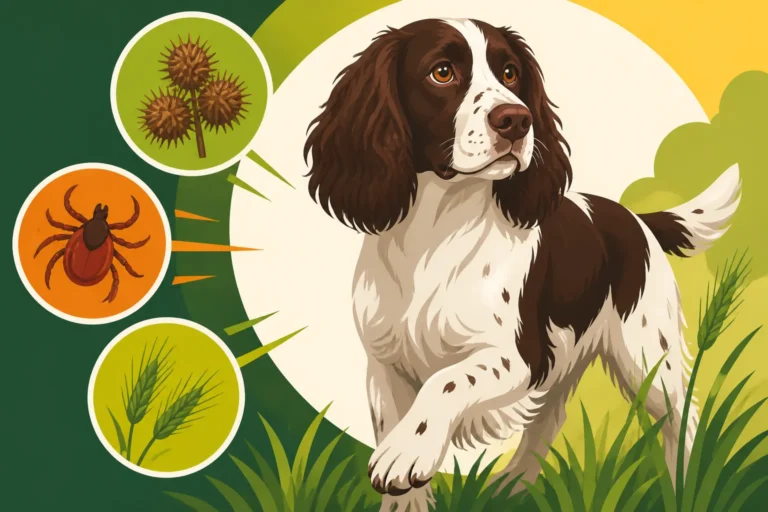
Don't let the "shorter coat" fool you into thinking they don't need brushing, though. While they might be less prone to matting, their active lifestyle means they pick up all sorts of natural debris. Mud, burrs, grass awns, and ticks are all common passengers after a day out in the field. So, while your brushing sessions might be shorter and less frequent than with a show Springer, they are still absolutely essential, especially for health checks after outdoor adventures. It's more about removing embedded "treasures" and keeping their skin healthy than preserving a flowing mane.
Factors That Influence Brushing Duration
The actual time you spend brushing your Springer Spaniel isn't a fixed number on a clock. It's a dynamic equation influenced by several key variables, some of which are entirely within your control. Understanding these factors can help you streamline your routine and make the process more efficient for everyone involved.
Frequency of Brushing: Consistency is Key
This is, hands down, one of the biggest determinants of how long each brushing session will take. Think of it like washing dishes: a small load every day takes minutes, but leaving a week's worth to pile up turns into a monumental, messy chore. The same applies to your Springer's coat.
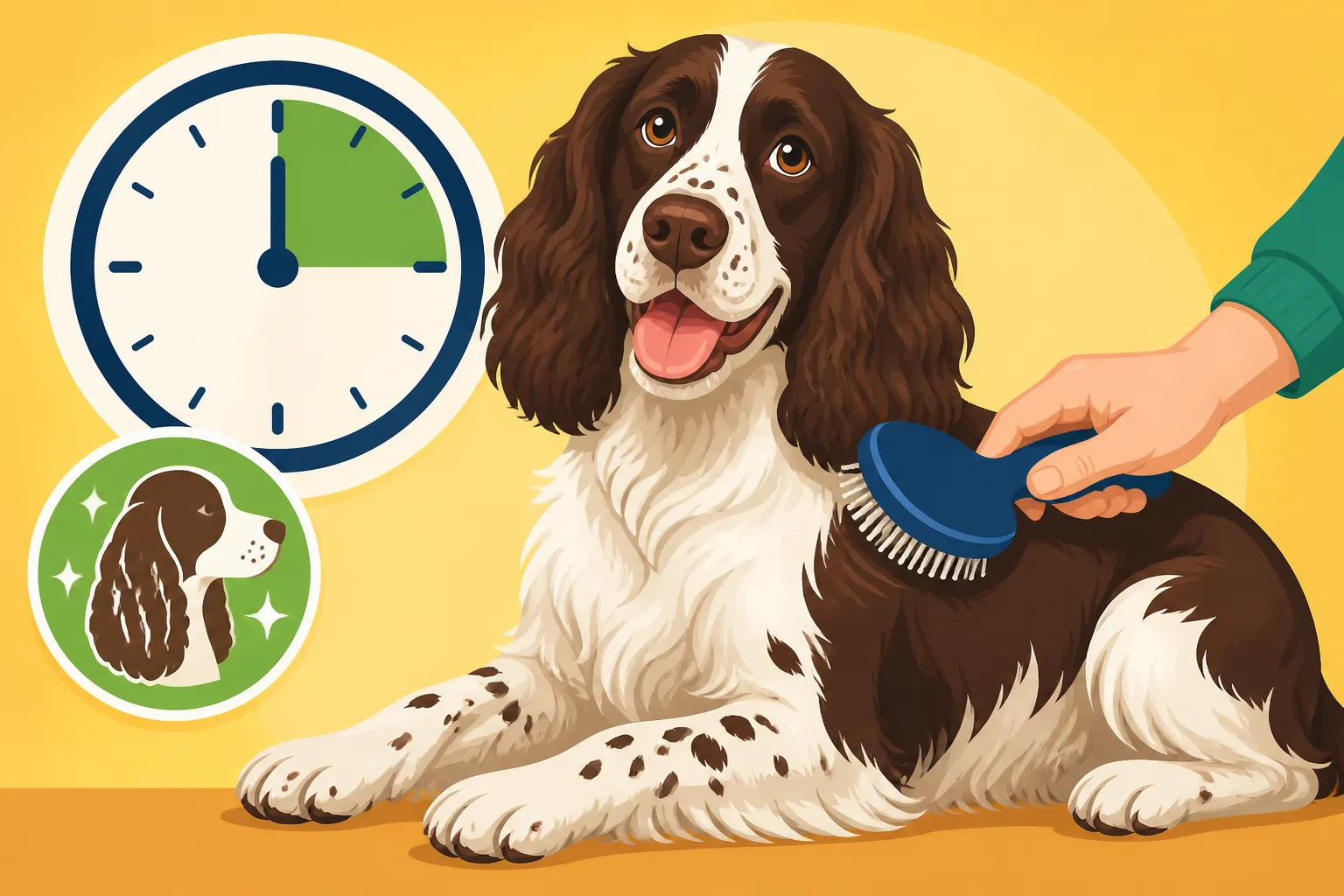
- Daily Brushing: If you commit to a quick daily brush, even just 5-15 minutes, you'll find that individual sessions are incredibly manageable. This consistent upkeep prevents small tangles from escalating into major mats. You're simply lifting loose hair, removing surface debris, and working through any minor knots before they can set in. For show-bred Springers, daily attention to The Feathering a Show Springer Spaniel Drags Through Everything is non-negotiable if you want to avoid serious tangles.
- Weekly or Bi-Weekly Brushing: Skipping days or even entire weeks dramatically increases the time and effort required for each session. What might have been a 10-minute daily task can easily balloon into an hour-long battle of wills against stubborn mats and a dense undercoat. When you wait, the loose undercoat gets trapped, forming tight knots that pull at your dog's skin, making the process uncomfortable or even painful for them. This discomfort can then make them resistant to future grooming, creating a vicious cycle.
- Irregular Brushing (or None at All): This is where things go from "time-consuming" to "a serious problem." A neglected Springer coat, especially a show-type, can become a solid pelt of felted hair. This is not only incredibly painful for the dog, restricting movement and pulling at the skin, but it also creates a breeding ground for skin infections and parasites. At this point, brushing is often no longer an option, and professional help is needed, sometimes requiring the dog to be shaved entirely to alleviate their discomfort. This can be a costly and upsetting experience for both you and your beloved companion.
Tools of the Trade: Making the Job Easier (or Harder)
Having the right grooming tools is like having the right kitchen utensils – it makes a world of difference. Trying to brush a Springer Spaniel with a flimsy, ineffective brush is an exercise in futility and frustration. Investing in good quality tools specifically designed for their double coat will save you countless hours and tears. When I say good tools, I'm talking about more than just one brush; you'll likely need a small arsenal.
- Slicker Brush: Essential for removing loose undercoat and surface tangles. Look for one with fine, bent wire bristles. Brands like Hertzko or Chris Christensen (available on platforms like Amazon or Chewy) are often highly recommended by professional groomers. A good slicker will glide through the coat without snagging, gently lifting dead hair.
- Pin Brush: Great for general brushing, especially on longer feathering, to prevent breakage and add shine. The pins typically have rounded ends to protect the skin.
- Metal Comb: This is your secret weapon for finding and working out small mats, especially in delicate areas like behind the ears or on the legs. A sturdy greyhound comb with both wide and fine teeth is invaluable. The fine teeth are perfect for checking your work and ensuring you've really gotten down to the skin.
- Deshedding Tool (e.g., Furminator): Use sparingly and carefully, as these can cut the coat if used incorrectly or too often. However, a good de-shedding tool can be very effective in reducing shedding by removing vast amounts of dead undercoat, which in turn reduces matting potential. Always follow the manufacturer's instructions and be gentle.
- Mat Rake/Dematter Tool: For those stubborn mats that have already formed. These tools have sharp blades designed to cut through the mat without damaging the surrounding coat too much. Use with extreme caution and always follow the direction of hair growth.
Using the wrong tool, or a tool that's old and worn, can make brushing much harder and less effective. A dull slicker brush won't penetrate the coat, and a cheap comb might snag and pull. The right tools, coupled with proper technique (always brush in layers, getting down to the skin), will drastically reduce your brushing time and make it a more pleasant experience for your dog. For more guidance on specific tools, check out Which Brush Suits a Springer Spaniel.
Your Dog's Cooperation and Training
This factor is often overlooked but plays a huge role in the speed and stress level of your grooming sessions. A Springer Spaniel that is accustomed to and tolerant of brushing will make the process infinitely faster and more enjoyable for everyone. Conversely, a dog that fights, wiggles, or tries to bite during grooming will turn a simple task into a prolonged wrestling match.
Training for grooming should start when your Springer is a puppy. Short, positive sessions with lots of praise and high-value treats can teach them that grooming is a pleasant experience.
- Positive Reinforcement: Associate brushing with good things. Start with just a few strokes, then reward with a treat. Gradually increase the duration.
- Handling: Get them used to having their paws, ears, tail, and belly handled regularly. These are common spots for mats and sensitive areas that need attention.
- Consistency: Make brushing a predictable part of their routine, so they know what to expect.
- Patience: If your dog is struggling, take a break. Forcing them to endure a long, uncomfortable session will only make them more resistant next time. Sometimes, two shorter sessions are better than one long, stressful one.
- Professional Help: If you have an adult Springer Spaniel who is resistant to grooming, consider enlisting the help of a professional groomer or a dog trainer specializing in cooperative care. They can provide techniques and support to build your dog's tolerance and trust.
A well-behaved dog on the grooming table can shave significant minutes off your routine, turning it from a dreaded chore into a bonding experience.
A Realistic Timeline for Brushing Your Springer Spaniel
Let's get down to the brass tacks: what kind of time commitment are we really talking about? These estimates are based on consistent routines and a dog that is reasonably cooperative. Remember, these are averages, and your individual Springer's coat density, activity level, and propensity for matting will cause some variation.
Daily Maintenance Brushing
This is the cornerstone of keeping a Springer Spaniel's coat in good condition, especially for show-bred individuals. Think of it as preventative care.
- Show-Bred Springer Spaniel: For a full-coated show Springer, a quick daily brush should aim for 10-20 minutes. This isn't a deep dive into every single hair follicle, but rather a focused effort on high-risk areas.
- Focus Areas: Concentrate on behind the ears, armpits, flanks, and all the long feathering on the legs, chest, and belly. These are the prime locations where mats start. Use your slicker brush to remove loose hair and your metal comb to check for and gently work out any small tangles.
- Post-Walk Check: A crucial part of daily maintenance, especially if your dog has been playing outside. Even a short walk can result in a few burrs or twigs getting caught in the longer feathering. A 5-minute check and brush-out can prevent these from becoming serious issues overnight. You might be surprised at Where a Springer Spaniel Mats First.
- Field-Bred Springer Spaniel: A daily brush for a field Springer is often quicker, around 5-10 minutes.
- Focus Areas: While less prone to matting, they still shed and pick up debris. Focus on their main body coat to remove loose hair, and pay attention to any feathering they do have.
- Post-Adventure Check: If your field Springer has been out working, swimming, or running through heavy cover, this daily check becomes mandatory. This is when you meticulously check for Burrs, Ticks and Grass Awns in a Working Springer Spaniel and ensure no foreign objects are lodged in their coat or paws. A comprehensive check might take 15-20 minutes after an intensive outing.
Here's a quick comparison:
| Activity / Coat Type | Show-Bred Springer Spaniel | Field-Bred Springer Spaniel |
|---|---|---|
| Daily Light Brushing | 10-20 minutes (focus on feathering) | 5-10 minutes (general coat, shed removal) |
| Post-Outdoor Activity | 5-15 minutes (remove debris from feathering) | 10-20 minutes (thorough check for burrs, ticks) |
Weekly Deep Brushing Sessions
Regardless of coat type, a more thorough, systematic brushing session once a week is highly beneficial. This is where you get down to the skin, check for any skin issues, and ensure the undercoat is not packing up.
- Show-Bred Springer Spaniel: Expect these sessions to take 30-60 minutes, or even longer if you’ve missed a few daily sessions or if their coat is particularly dense.
- Technique: You'll want to "line brush" – parting the hair in small sections and brushing from the skin out, working your way across the entire dog. This ensures you're truly getting all the loose undercoat and preventing mats from forming deep within the layers. Use your slicker brush, followed by your metal comb to confirm there are no tangles.
- De-shedding: During seasonal shedding, incorporate a de-shedding tool (carefully!) to remove excess undercoat. This will help reduce shedding around your home and prevent uncomfortable hot spots for your dog.
- Field-Bred Springer Spaniel: These weekly sessions will likely be shorter, typically 20-40 minutes.
- Technique: While line brushing might not be as critical due to the shorter coat, a thorough brush-out with a slicker and pin brush is still important to remove dead hair and stimulate the skin. Use your metal comb to check any areas with longer feathering.
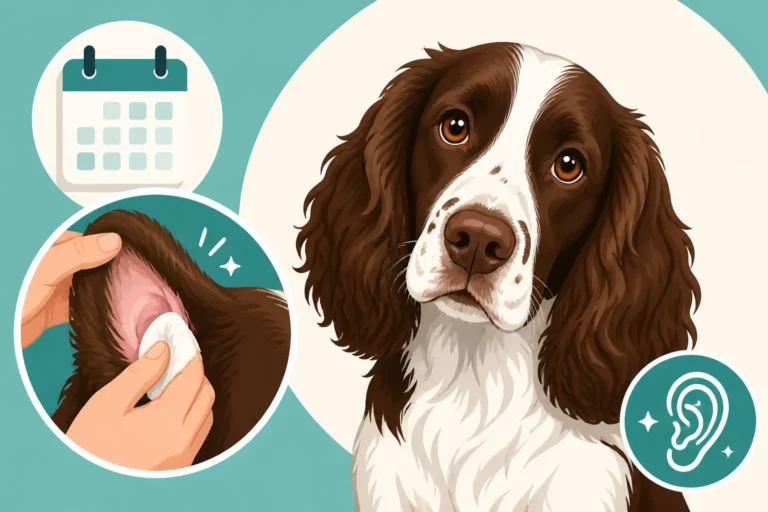
- Health Check: This is a great time to do a full physical check of your dog. Feel for any lumps, bumps, or tender spots. Given their active nature, checking their paws for cuts or foreign objects and inspecting their ears for signs of infection (especially after Water Work and What It Does to a Springer Spaniel's Ears) is paramount.
Dealing with Mats and Tangled Feathering
This is where the clock really gets thrown out the window. If you've discovered a mat, whether it's a small knot behind an ear or a larger felted patch in the feathering, the time commitment jumps significantly, and often unpleasantly.
- Small, Isolated Tangles: For a minor tangle, you might spend 5-15 minutes patiently working it out. This involves using a detangling spray, carefully teasing the knot apart with your fingers, and then gently combing it through with a metal comb, working from the ends towards the skin. Never pull hard on a mat, as this is painful for your dog.
- Moderate Matting: If you have several mats or larger tangled areas, you could be looking at 30 minutes to an hour or more of dedicated, careful work. This requires immense patience, specialized tools like a mat rake, and frequent breaks for your dog. You might have to break up larger mats into smaller sections to tackle them.
- Severe Matting: In cases of severe, widespread matting, especially common in neglected show-bred Springers, attempting to brush it out yourself is often futile and cruel. At this point, the kindest and most efficient solution is a trip to a professional groomer, who will likely recommend shaving the affected areas or even a full body shave. This can be a significant cost, and it highlights why preventative grooming is so vital. When severe matting occurs, you'll be wondering Whether a Matted Springer Spaniel Has to Be Shaved.
Tips to Optimize Brushing Time and Keep Your Springer Happy
Grooming your Springer Spaniel doesn't have to be a daily dread. With the right approach, tools, and a bit of consistency, you can significantly reduce the time spent battling tangles and turn it into a positive bonding experience.
Making Brushing a Positive Experience
A happy, cooperative dog makes all the difference in grooming efficiency. Starting early and making it enjoyable are your best strategies.
- Start Young: Introduce brushing, even very light strokes, during puppyhood. Make it a game with treats and praise. Get them accustomed to all parts of their body being touched. This early exposure helps them view grooming as a normal, even pleasant, part of life.
- Short, Frequent Sessions: For puppies or dogs new to grooming, keep sessions brief. Just a few minutes of gentle brushing followed by a reward. Gradually increase the duration as their tolerance grows. This builds positive association without overwhelming them.
- High-Value Rewards: Have your dog's favorite treats ready! A delicious bite after a few seconds of brushing, or after successfully staying still for a minute, reinforces good behavior. You can also use a lick mat spread with peanut butter (check ingredients for xylitol!) or plain yogurt to distract them during longer sessions.
- Gentle Handling: Always be gentle. Never pull on tangles or brush roughly. If you encounter a mat, stop, apply a detangling spray, and work it out slowly with your fingers and a comb. If it hurts, your dog will remember, and future sessions will be harder.
- Designated Grooming Spot: Create a specific, comfortable spot for grooming. A non-slip mat on a table or even just a cozy rug on the floor can help them understand it's "grooming time" and encourage them to settle. This consistency can be very reassuring for them.
Environmental and Lifestyle Considerations
Sometimes, the best way to reduce brushing time is to prevent the mess from happening in the first place. A few proactive measures can make a big difference, especially for those beautiful, long-haired show Springers.
- Protective Gear for Outdoor Adventures: If your Springer loves exploring tall grass, woods, or muddy areas, consider protective gear. A lightweight vest can prevent burrs and thorns from embedding in their body coat. For show Springers with extensive feathering, a snood (a fabric tube worn around the ears and neck) can keep their long ear fringe clean and tangle-free during mealtimes and while nosing around outside. Even just having a hose ready at the door for muddy paws can save a lot of cleanup time.
- Regular Trimming of Feathering: For show-bred Springers, regular trimming of the feathering on their legs, belly, and tail can significantly reduce matting potential and the amount of debris they pick up. This doesn't mean clipping them short all over, but rather tidying up the length to a manageable level that still preserves their breed type. Many owners learn to do this themselves with thinning shears, or they schedule regular appointments with a professional groomer. You can find more information on this in How Often a Show Springer Spaniel Needs Trimming or What Grooming a Show Bred Springer Spaniel Costs.
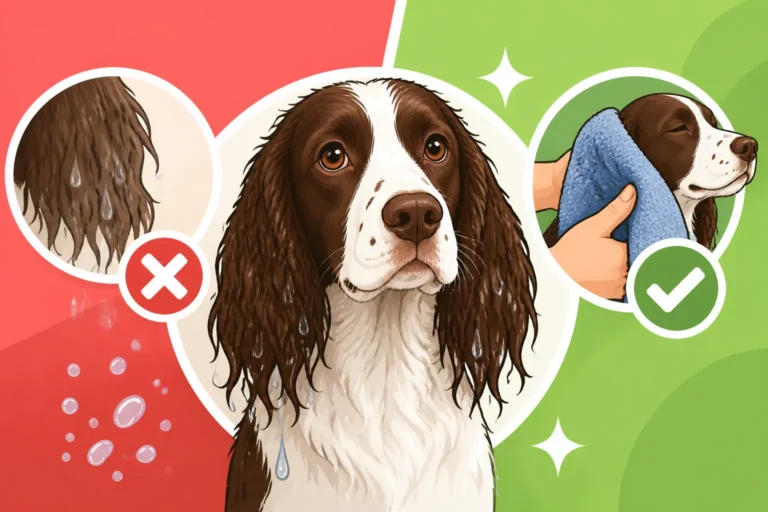
- Drying After Water Activities: Springer Spaniels often love water. But a wet, long coat is a matted coat waiting to happen. After swimming or bathing, thoroughly dry your Springer Spaniel, especially their ears and feathering, with towels or a dog-specific blow dryer on a cool setting. Brushing a wet coat should be done with extreme care, as wet hair is more prone to breakage. Ensure they are mostly dry before attempting any serious brushing. This is critical for preventing fungal infections in their skin and ears, issues highlighted in Water Work and What It Does to a Springer Spaniel's Ears.
- Awareness of "Hot Zones": Always be mindful of areas where mats typically form first: behind the ears, in the armpits, and where harnesses rub. These "hot zones" need extra attention during every brushing session. If your dog wears a harness, check beneath it daily to ensure no mats are forming there.
The Long-Term Benefits of Regular Brushing
While it might sometimes feel like a chore, consistent brushing offers a wealth of benefits beyond just a tangle-free coat. These long-term advantages make the time investment truly worthwhile.
- Healthier Skin and Coat: Regular brushing distributes natural skin oils, promoting a healthy, shiny coat. It also removes dead hair and skin flakes, allowing the skin to breathe and reducing the likelihood of skin irritations, which can be a problem under a dense coat, as discussed in The Skin Under a Springer Spaniel's Coat.
- Reduced Shedding in the Home: By removing loose hair from your dog, you'll find less of it on your furniture, floors, and clothes. This is a win for everyone in the household!
- Early Detection of Health Issues: Brushing provides an opportunity to thoroughly examine your dog's skin for any lumps, bumps, cuts, rashes, parasites (like fleas or ticks), or tender spots that might indicate an underlying health problem. Catching these early can lead to faster treatment and better outcomes.
- Stronger Bond: For many dogs, a gentle brushing session can be a relaxing and enjoyable experience, strengthening the bond between you and your Springer Spaniel. It's a quiet, tactile interaction that builds trust and affection.
- Better Temperament for Grooming: A dog that is accustomed to regular, positive grooming sessions will be much more tolerant of vet examinations, professional grooming, or any necessary medical procedures that involve handling. This reduces stress for your dog and makes essential care easier.
Ultimately, the answer to "how long does brushing a Springer Spaniel take?" isn't a single number, but a range that depends on your dedication and your dog's specific needs. By understanding their coat type, using the right tools, and making brushing a consistent, positive experience, you can ensure your Springer Spaniel remains beautiful, comfortable, and healthy for years to come.
Disclaimer
This article is for general informational purposes only and does not constitute professional advice. Laws, prices and regulations vary by location and change over time. Consult a qualified professional for guidance on your specific situation.