Where a Springer Spaniel Mats First
Oh, the sheer joy and exasperation of a Springer Spaniel's coat! One minute it's a glorious, flowing banner trailing behind them as they bound through the yard, and the next, you're finding a tangled nightmare that seems to have appeared out of nowhere. It's a common lament among us Springer parents: that beautiful double coat, while essential for their work and distinctive to the breed, is also a magnet for mats. This guide is all about pinpointing those tricky spots where mats love to form, understanding why they happen, and arming you with the knowledge to keep your beloved companion's coat in tip-top condition, saving you from wrestling with stubborn knots and potential trips to the groomer.
Understanding the Springer Spaniel Coat and Why it Mats
Before we dive into the specific hotspots, it's really important to understand why Springer Spaniels are so prone to matting. It's not just bad luck; it's literally in their DNA. Their coat structure is designed for a purpose, and that purpose, unfortunately, makes it a prime candidate for tangles.
The Double-Layered Conundrum
Your Springer's coat isn't just one type of hair; it's actually two distinct layers working together. You have a soft, dense undercoat that provides insulation, keeping them warm in winter and helping to regulate their temperature in summer. Then, over that, you have a longer, water-repellent outer coat, often described as coarse or medium-textured. This outer coat shields them from brambles, water, and general rough-and-tumble of the field. The problem arises when these two layers decide to intertwine, especially when shedding or if the coat isn't regularly brushed. The fine undercoat gets caught in the longer, sometimes silkier, guard hairs, and voila – you've got the start of a mat. This double-layered structure means that brushing has to be thorough, reaching right down to the skin, not just skimming the surface. Otherwise, you're leaving a dense, tangled mess developing beneath the smooth top layer.
The Nature of Feathering and Length
One of the most defining and beautiful characteristics of a Springer Spaniel, particularly the show-bred varieties, is their gorgeous feathering. These longer hairs are found on their legs, chest, belly, and, of course, their magnificent ears and tail. While stunning, this feathering is inherently more prone to matting because of its length and often finer texture compared to the body coat. Think about it: long hair catches more debris, gets more friction, and simply has more opportunity to tangle. A quick run through a field of burrs, a splash in a muddy puddle, or even just lying down on a rough surface can create instant knots in these areas. For those who own show Springers, you already know the dedication it takes to maintain that exquisite coat. The differences between the How a Show Springer Spaniel's Coat Differs and a field coat are significant when it comes to grooming demands.
The Usual Suspects: Where Mats Love to Hide
Now, let's get down to the nitty-gritty. While a mat can technically form anywhere on a Springer Spaniel, there are definitely prime locations where these unwelcome knots most frequently appear. Knowing these hotspots is half the battle, allowing you to focus your grooming efforts where they're needed most.
Behind the Ears and Under the Collar
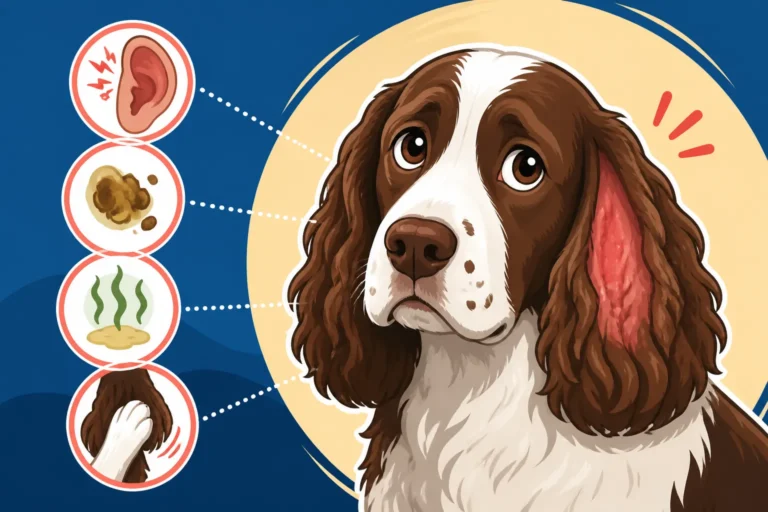
This is probably the number one spot for mats on almost any long-haired dog, and Springer Spaniels are no exception. The hair behind their ears is often finer and softer than elsewhere on their body, making it incredibly susceptible to tangles. Couple that with the constant movement of their floppy ears, which creates friction, and you have a perfect storm. If you ever grab your Springer for a quick cuddle and feel a hard lump there, it's almost certainly a mat that's been slowly building. Similarly, the area directly under and around their collar or harness is a high-friction zone. Collars rub against the coat all day, every day, especially if they're not fitted perfectly. This constant rubbing can felt the hair together, creating tight, disc-like mats that are particularly difficult to remove. This is why it's so important to regularly check behind the ears for mats (Whether a Springer Spaniel Mats Behind the Ears) and take off their collar during grooming sessions.
The Armpits, Groin, and Legs
These are another set of notorious trouble spots, mainly due to constant movement and proximity to the ground. The armpits (or "axilla," if we're getting technical) are almost always moving as your dog walks, runs, and plays. This friction, combined with the often fine hair in that area, leads to mats that can quickly become uncomfortable and pull at the skin. The groin area, too, is prone to matting for similar reasons, often exacerbated by moisture and proximity to potty breaks. And then there are those glorious feathered legs. Whether your Springer is a field dog or a show dog, those long leg furnishings can pick up anything and everything – mud, burrs, sticks, and general grime. As they walk, the hair on the back of their front legs (their "feathering") rubs together, creating tangles. The same goes for the longer hair on their hind legs. I've lost count of how many times I've found surprise mats tucked away in Whether a Springer Spaniel's Armpits Mat or deep within their leg feathering after a particularly enthusiastic romp.
Belly and Tail Feathering
The soft, often fluffy hair on your Springer's belly and the underside of their tail is another magnet for mats. For the belly, it's a combination of friction when they lie down, the fine texture of the hair, and its vulnerability to getting wet or dirty. If your Springer loves to sprawl on cool floors or in damp grass, their belly feathering can easily knot. And the tail! Oh, the tail. A Springer's tail is a magnificent thing, often wagging with such enthusiasm it's a blur. But that beautiful feathering on the underside and sides of the tail is constantly swishing, rubbing, and picking up debris. It's not uncommon for mats to form close to the base of the tail, where the movement is most pronounced, or along the length of the feathering if it's long and thick. Whether a Springer Spaniel's Feathering Mats is a question that often comes with a resounding "yes!" from any experienced owner.
Everyday Scenarios That Create Mats
It's not always about missed grooming sessions. Sometimes, life just happens, and mats are the unfortunate consequence of a well-loved, active Springer living their best life. Recognizing these everyday matting triggers can help you be more proactive.
The Great Outdoors: Water, Mud, and Debris
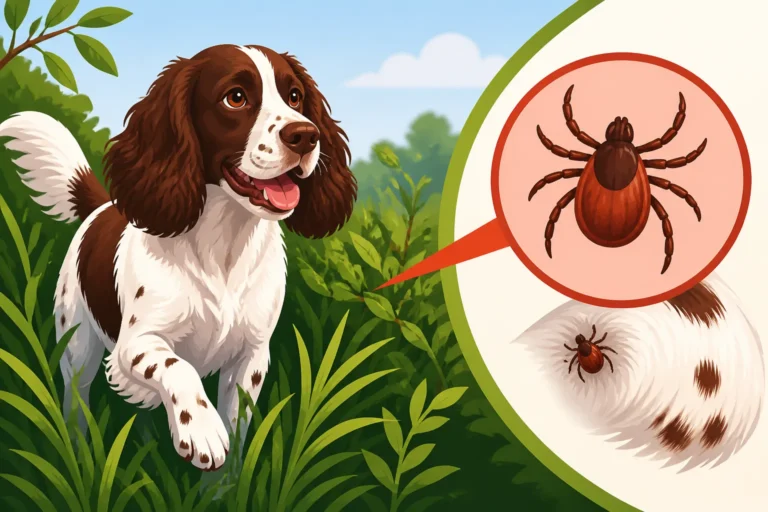
Let's face it: Springer Spaniels were bred to work the fields, and they love nothing more than a good adventure outdoors. Whether it's splashing through a stream, plunging into a muddy ditch, or crashing through dense underbrush, these activities are prime mat-forming events. Water, especially if it's muddy, can cause hair to clump together and, as it dries, solidify into tight mats. Think of wet hair that isn't properly brushed out – it just gets worse. Burrs, thorns, and sticky seeds are like tiny Velcro pieces, instantly snagging onto those long feathers and creating immediate, intricate knots. Even a walk through tall grass can lead to problems, as the friction of the grass blades against the coat can cause tangles. If your Springer is a keen swimmer, like so many are, then understanding Water Work and What It Does to a Springer Spaniel's Ears and coat is crucial. Always plan for a thorough check and brush after an outdoor escapade.
Collars, Harnesses, and Even Sweaters
We briefly touched on collars, but it's worth expanding. Any item of clothing or equipment that continuously rubs against your Springer's coat can cause matting. A poorly fitting collar, one that's too loose or too tight, will create friction. The same goes for harnesses. While harnesses are often a great option for walks, if worn for extended periods or if they rub in specific spots, they can create dense mats, especially around the chest, shoulders, and belly straps. I once had a client whose Springer developed a solid mat right across his chest where his everyday harness sat. Even seemingly innocuous items like dog sweaters or coats, while useful in cold weather, can contribute to matting if not combined with regular brushing. It's a trade-off, isn't it? You want them warm, but you also want to avoid a matted mess. Taking a moment to consider Whether a Harness Mats a Springer Spaniel can help you choose the right gear and routine.
Shedding Cycles and Neglected Brushing
This is perhaps the most insidious cause of matting because it often happens subtly over time. Springer Spaniels shed, sometimes quite a bit, especially during seasonal changes. When the loose undercoat isn't regularly removed through brushing, it gets trapped within the longer guard hairs. This trapped dead hair then bundles together, creating a felt-like layer that pulls on the skin and quickly forms mats. It's a vicious cycle: more shedding means more loose hair, which means more mats if you're not diligent. If you feel like your house is constantly covered in dog hair, you might be interested in How Much a Springer Spaniel Sheds Into a House – it’s a reality we all face! Skipping even a few days of brushing, particularly during heavy shedding periods, can turn a manageable situation into a grooming emergency. A quick brush over the top isn't enough; you need to get down to the skin to remove that undercoat.
Your Grooming Toolkit for Mat Prevention
Alright, let's talk solutions! Preventing mats is far easier (and less painful for your dog) than removing them. Having the right tools and a consistent routine is absolutely key. Think of it as investing in your Springer's comfort and your own sanity.
The Essential Brushes and Combs
You'll need more than just one brush for a Springer Spaniel. A good quality slicker brush is indispensable for removing loose undercoat and detangling surface knots. When using a slicker, be gentle but firm, working in small sections and always brushing in the direction of hair growth. Remember to reach the skin, not just the top layer. For the longer feathering, a pin brush can be very effective, especially for separating strands and working out minor tangles without pulling too much. And then there's the unsung hero: the metal comb. A sturdy, wide-toothed metal comb, ideally with varying tooth spacing, is crucial for checking your work and finding any small mats you might have missed with the brushes. After brushing a section, run the comb through it. If the comb glides smoothly, you're good. If it snags, you've got more work to do! Many of us find excellent grooming tools from online retailers like Chewy or Amazon, which offer a huge selection. For more specific advice, check out Which Brush Suits a Springer Spaniel.
Regular Routine and Techniques
Consistency is the name of the game. Ideally, a Springer Spaniel should be brushed several times a week, if not daily, especially if they have longer feathering or are going through a shedding cycle. For show-bred Springers, daily attention is often necessary to maintain their pristine coats. For field Springers, while their coats might be shorter, they still need frequent brushing to remove debris and prevent matting from their outdoor adventures.
Here’s a basic routine:
- Sectioning: Don't try to brush the whole dog at once. Work in small sections, starting from the feet and working your way up. This prevents you from just pushing tangles further into the coat.
- Line Brushing: This technique is a lifesaver. You essentially part the hair, hold it up, and brush the hair underneath, working in small horizontal "lines" across the body. This ensures you're getting down to the skin.
- Feathering Care: Pay extra attention to the ears, armpits, legs, and tail. These areas need daily gentle combing and brushing.
- Post-Outdoor Check: After every romp outside, especially in woods or tall grass, do a quick, thorough check for burrs, sticks, and new tangles. This is where you prevent small issues from becoming big ones.
| Matting Hotspot | Why it Mats | Prevention Tip |
|---|---|---|
| Behind Ears | Fine hair, constant ear movement, friction | Daily gentle combing, special attention to area |
| Under Collar/Harness | Constant rubbing, friction against coat | Check daily, remove collar when home, proper fit |
| Armpits/Groin | High movement, thin skin, fine hair, friction | Gentle daily brushing/combing, check after exercise |
| Leg Feathering | Long hair, picks up debris, rubs together | Brush after every outdoor trip, regular trimming |
| Belly Feathering | Lying down, wet/dirty contact, fine hair | Brush regularly, dry thoroughly if wet |
| Tail Feathering | Constant wagging, rubbing, picks up debris | Gentle daily combing, consider slight trimming |
When to Consider Trimming
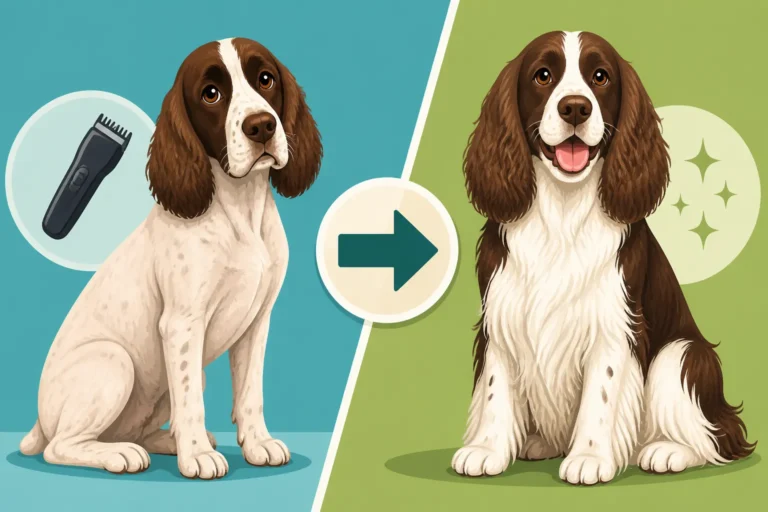
While we love the full, flowing coat, sometimes a bit of strategic trimming is the kindest and most practical solution for a Springer Spaniel prone to matting. For field dogs, many owners opt for a shorter, more practical cut to minimize debris collection and matting. But even for show-bred Springers, judicious trimming can help. Shortening the feathering on the belly, under the tail, and even the "armpit" areas can significantly reduce matting. It's not about shaving them down, but about managing the length in high-traffic, high-friction areas. If you're showing, you'll want to consult with your breeder or a professional groomer who specializes in breed-specific trims to ensure you're adhering to the standards. If not, don't be afraid to make your dog's life more comfortable. Sometimes, How Often a Show Springer Spaniel Needs Trimming is more frequent than you might think to keep those coats pristine.
Tackling Tangled Trouble: Dematting Safely
Despite your best efforts, mats can still happen. The key is to address them as soon as you find them and to do so gently and safely. Ripping through a mat is not only painful for your dog but can also damage their skin.
The Tools and Techniques for Dematting
First, gather your tools: a good detangling spray (often available from pet supply stores like Chewy or on Amazon), a metal comb, a slicker brush, and potentially a mat breaker tool. Never try to cut out mats with scissors unless you are absolutely certain of where the skin is – it's far too easy to accidentally cut your dog.
- Apply Detangling Spray: Liberally spray the mat with a good detangling product. Let it soak in for a few minutes; this helps loosen the hair and reduces friction.
- Work in Sections: Start at the very edge of the mat, not the center. Use the wide-toothed comb or the tips of your slicker brush to gently tease apart the outer edges of the mat.
- Fingers First: Often, your fingers are the best tools to start with. Try to gently pull apart the mat into smaller sections.
- Back-Combing/Picking: Use your comb to "back-comb" the hair, working from the outside of the mat inwards, a few hairs at a time. Hold the hair closer to the skin to minimize pulling. For stubborn mats, a mat breaker tool can be helpful, but use it with extreme caution and never against the skin.
- Patience is Key: This process can take time, especially for larger mats. Take breaks, offer your dog treats, and keep it a positive experience. If your dog gets stressed, stop and try again later.
When a Mat is Too Much: Professional Help
Sometimes, a mat is just too big, too tight, or too close to the skin for you to safely remove at home. This is where a professional groomer becomes your best friend. They have specialized tools, techniques, and experience to handle even the most severe matting. They can often demat humanely or, if necessary, safely shave out the mat without injuring your dog. Do not feel guilty about taking your matted Springer to a professional. It's often the kindest thing you can do. A severely matted dog can experience pain, skin irritation, and even infections underneath those tight knots. In extreme cases, Whether a Matted Springer Spaniel Has to Be Shaved becomes a necessary welfare decision, and it’s always best to have it done by an experienced hand. Remember, a good groomer prioritizes your dog's comfort and safety above all else. They understand the challenges of a Springer's coat, especially the density and length.
The Show Coat vs. The Field Coat: Different Matting Challenges
It's a common misconception that all Springer Spaniel coats are the same. In reality, the divergence between field-bred and show-bred Springers has led to quite distinct coat types, each presenting its own set of grooming and matting challenges.
The Luxuriant Show Coat
Show Springer Spaniels are bred to meet a specific breed standard, which includes a long, flowing, often silkier coat with abundant feathering. This luxurious coat is a thing of beauty, designed to catch the eye in the show ring. However, its very beauty contributes to its high-maintenance nature. The sheer volume and length of the feathering on the ears, chest, legs, and tail mean there's simply more hair to tangle. This type of coat is more prone to collecting debris, getting caught on furniture, and matting from friction. Maintaining a show coat requires a significant time commitment, often involving daily brushing, regular bathing, and professional grooming appointments for trimming and conditioning. Owners of show Springers are intimately familiar with the need for vigilant grooming to prevent severe matting, especially in those prime locations. The costs of maintaining such a coat can be considerable, as detailed in articles like What a Full Groom on a Show Springer Spaniel Costs and The Show Springer Spaniel Coat That Adds a Groomer to Your Budget.
The Practical Field Coat
In contrast, field-bred Springer Spaniels are selected for their working ability, and their coats reflect this purpose. Their coats are typically shorter, coarser, and less abundant in feathering. This isn't to say they don't have feathering, but it's usually much less pronounced than in their show-bred counterparts. This practical coat is designed to offer protection from the elements and tough cover without hindering movement or becoming a magnet for every burr and stick in the field. While still a double coat and still capable of matting, the shorter length and coarser texture generally make it less prone to severe tangles. Mats are usually smaller, easier to find, and quicker to remove. A field Springer owner might still find mats behind the ears or under a harness, but less frequently in the extensive feathering that a show Springer possesses. They still require regular brushing, especially after a day in the field, to remove debris and prevent what mats do form. The grooming needs of a field-bred Springer often focus more on practical trims to keep them efficient and comfortable during work.
Long-Term Coat Health and Prevention
Beyond just dealing with mats, thinking about your Springer Spaniel's overall coat and skin health can dramatically reduce matting in the first place. A healthy coat is a happy coat, and it's less prone to dryness, breakage, and the tangles that lead to mats.
Nutrition and Skin Health
What you feed your Springer Spaniel plays a huge role in the health of their skin and coat. A diet rich in essential fatty acids, like Omega-3s and Omega-6s, can lead to a healthier, shinier coat that's less prone to dryness and breakage. Dry, brittle hair tangles more easily. Look for high-quality dog foods that list real meat as the first ingredient and contain beneficial oils. Some owners even add supplements like fish oil to their dog's diet, often purchased from places like Chewy or Amazon. If your Springer is on a fresh food diet, like those offered by Ollie, you might notice improvements in coat quality and skin health, which can indirectly help reduce matting. A healthy skin barrier also helps prevent issues like excessive oiliness or dryness, both of which can impact coat texture and matting potential.
Regular Bathing and Drying
Yes, bathing is important for preventing mats! A clean coat is less likely to tangle than a dirty, greasy one. Dirt, dander, and oils can make hair sticky and prone to clumping. Use a good quality dog shampoo and conditioner designed for long-haired breeds. The conditioner helps to smooth the hair cuticles, making them less likely to snag. However, the drying process is just as crucial, if not more so. Never let a Springer Spaniel's coat air dry completely after a bath without thoroughly brushing and combing it first. As the hair dries, any existing tangles will shrink and tighten, turning into concrete mats. Use a high-velocity dryer if you have one, or a regular hairdryer on a cool setting, while continuously brushing the coat. This ensures the hair dries straight and tangle-free. This is particularly important for areas like the ears, where moisture can also lead to infections; remember Why a Springer Spaniel's Ear Traps Moisture.
Protecting the Coat: Snoods and Vests
For those particularly prone to matting, or for specific activities, protective gear can make a big difference. If your Springer has long ear feathering that constantly drags in their food and water bowls, a snood can be a game-changer. It keeps the ears clean and dry, preventing food-related mats and reducing friction. For working Springers or those who love to explore dense brush, a lightweight vest or even a thin jacket can protect the delicate feathering on their chest and belly from burrs, thorns, and general abrasion. This simple layer of protection can prevent countless mats and save you hours of painful dematting after an outing. It’s about being proactive and thoughtful about how your dog interacts with their environment.
Keeping a Springer Spaniel's coat mat-free is an ongoing commitment, but it's a rewarding one. A healthy, well-maintained coat means a more comfortable and happier dog, and that's what we all want for our companions.
Disclaimer
This article is for general informational purposes only and does not constitute professional advice. Laws, prices and regulations vary by location and change over time. Consult a qualified professional for guidance on your specific situation.