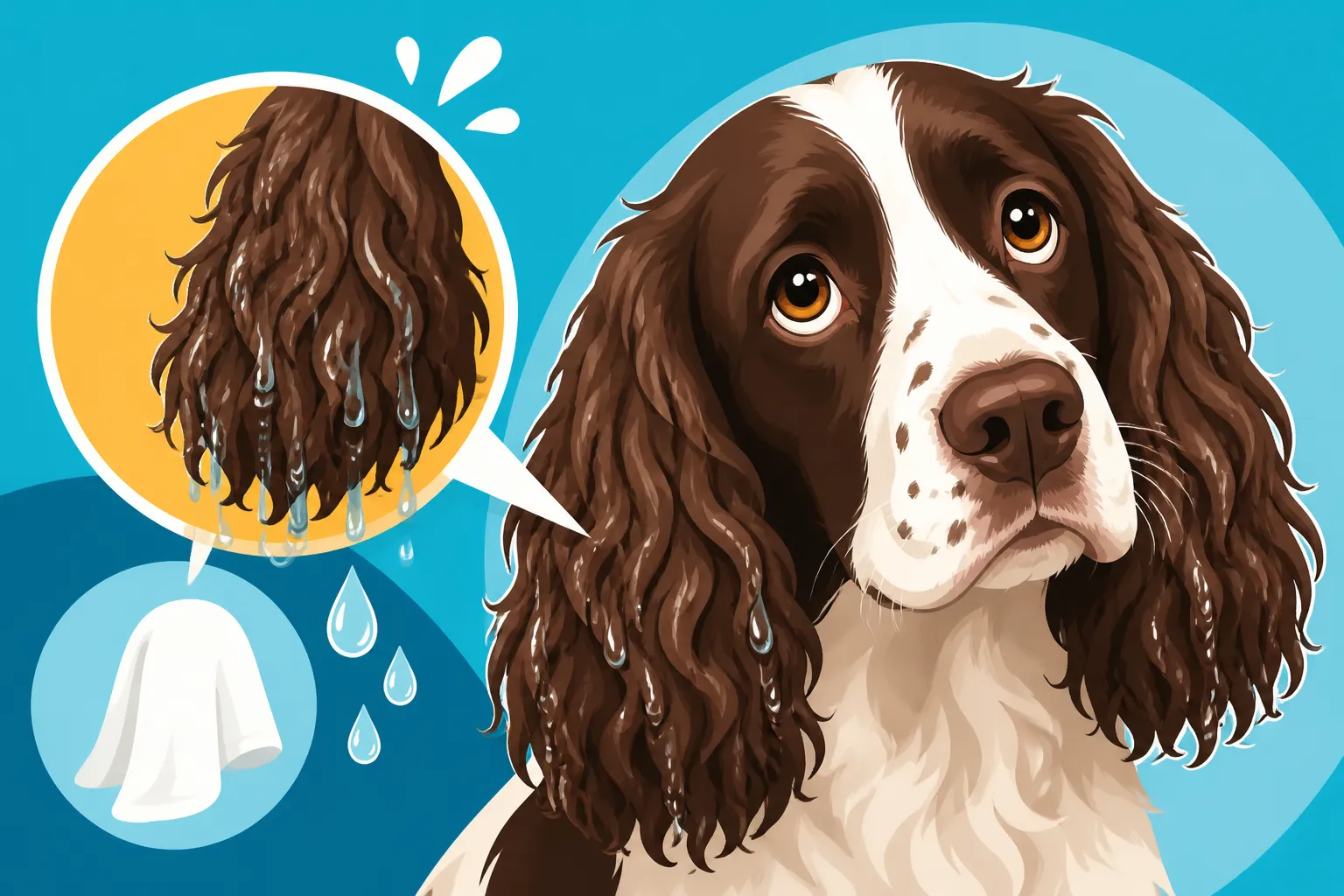
The Springer Spaniel Ear That Never Fully Dries
If you're a Springer Spaniel owner, you know the frustration: no matter how diligent you are, it feels like those beautiful, floppy ears are always damp, prone to issues, and just generally never quite dry. It's a common battle, and you're not alone in wondering why it seems like your beloved companion is constantly battling moisture and its repercussions in their ears. This comprehensive guide will delve deep into the unique anatomy of a Springer Spaniel's ear, explain why it's such a hotspot for trouble, and arm you with the knowledge and practical tips to keep your dog's ears as healthy and comfortable as possible.
The Anatomy of a Springer Spaniel's Ear: Why It's Prone to Moisture
Let's start with the basics, because understanding why your Springer's ears are so problematic is the first step toward effective management. It's not just bad luck; it's a combination of breed-specific anatomical features that create a perfect storm for dampness and irritation. These characteristics are what make ear care such a critical part of owning one of these wonderful dogs.
The Pendulous Ear Flap: A Natural Humidifier
Picture your Springer Spaniel's long, silky ear flaps. While undeniably charming, these beautiful floppy ears act like natural curtains, sealing off the ear canal from the open air. This creates a warm, humid microclimate inside the ear, which is exactly what various microorganisms love. Instead of air circulating freely and helping any moisture evaporate, the ear flap holds it all in. Think of it like a tiny, furry greenhouse for bacteria and yeast. This constant lack of airflow means that even a little bit of moisture from a damp walk, a drink of water, or simply natural ear wax can linger for far too long, setting the stage for problems.
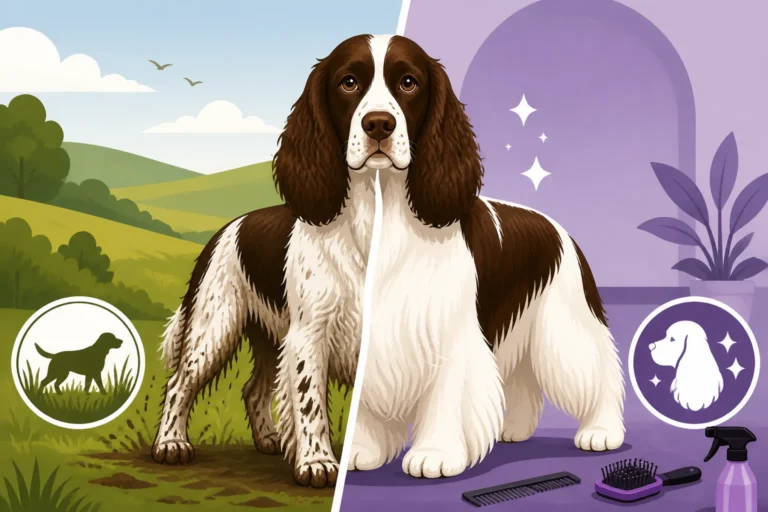
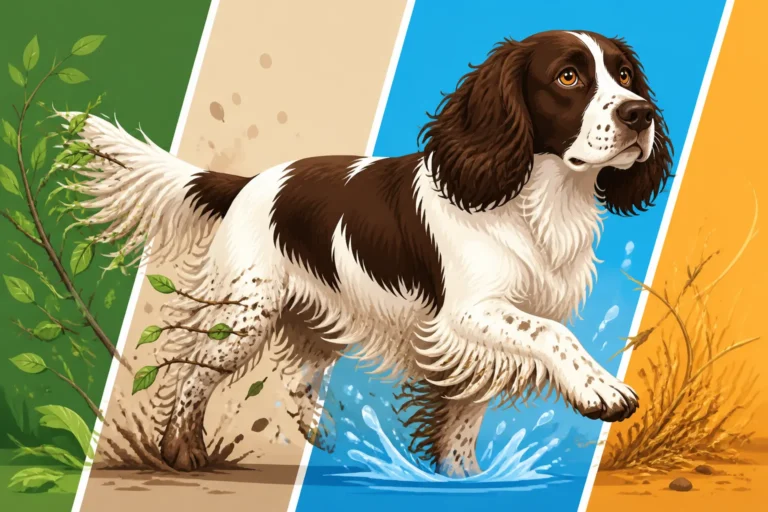
Moreover, these ear flaps are often covered in thick feathering, especially in show-bred Springers, which can further impede airflow and trap moisture. This feathering, while gorgeous, can become a magnet for debris like burrs, seeds, and mud, which then get lodged against the ear canal opening, adding to the issue. Owners often feel like they're constantly brushing out the fringe of those ears, and for good reason—it's not just for aesthetics; it's part of the fight against debris and dampness. You can almost feel the trapped humidity yourself if you lift their ear after a run around the yard.
The L-Shaped Canal: A Trap for Debris and Dampness
Beyond the external flap, the internal structure of a Springer Spaniel's ear canal presents another challenge. Unlike human ear canals, which are relatively straight, a dog's ear canal makes a distinct L-shaped turn. It starts vertically and then takes a sharp horizontal turn towards the eardrum. This design is fantastic for protecting the delicate eardrum from external impacts, but it's terrible for drainage. Gravity is not on our side here.
Any fluid—whether it's water, ear cleaner, or discharge from an infection—has to navigate this bend to get out. It's like trying to drain a sink with a kinked pipe; things just pool and fester. This means that after a bath, a swim, or even just condensation, water can sit in that horizontal section of the canal, providing a damp environment for bacterial or yeast overgrowth. It's also incredibly easy for debris like dirt, grass seeds, or even dried ear wax to get caught in that bend, creating irritation and blockages. This anatomical quirk is a primary reason why Why a Springer Spaniel's Ear Traps Moisture is such a pervasive concern for owners.
Hair in the Ear Canal: Further Obstruction and Irritation
Many Springer Spaniels also have a significant amount of hair growing inside their ear canals. While not all dogs have this, it's quite common in our beloved Springers. This hair, combined with the L-shaped canal and the floppy ear, creates yet another layer of potential trouble. The hair traps moisture, debris, and wax, acting like a miniature filter that collects everything and prevents it from naturally migrating out of the ear. This can lead to a sticky, matted mess deep within the canal, which further exacerbates the humid environment and reduces airflow.
Moreover, this trapped hair can become incredibly irritating. It can rub against the delicate skin of the ear canal, causing inflammation and discomfort even before an infection takes hold. When an infection does start, the hair can make it much harder for topical medications to reach the affected skin, making treatment more challenging and prolonged. It’s a bit of a catch-22: the hair is there naturally, but it’s contributing to the very problems we’re trying to prevent. This is why discussions around Whether Plucking Ear Hair Helps a Springer Spaniel are so common among Springer owners and vets alike.
The Ever-Present Threat: Understanding Ear Infections in Springer Spaniels
Given the anatomy we've just discussed, it's no surprise that Springer Spaniels are highly susceptible to ear infections. These aren't just minor irritations; they can be incredibly painful for your dog and frustratingly persistent for you. Recognizing the different types and how they manifest is key to getting effective treatment and preventing recurrence.
Bacterial Infections: The Most Common Culprits
Bacterial infections are perhaps the most frequent visitors to a Springer Spaniel's ear. The warm, moist environment created by those pendulous ears and the L-shaped canal is an ideal breeding ground for bacteria that are normally present in small numbers on the skin. When conditions are right—think excessive moisture, trapped debris, or a compromised immune system—these bacteria proliferate rapidly, leading to an acute infection. You'll often notice a strong, foul odor, redness, swelling, and a yellowish or greenish discharge. Your dog might be shaking their head violently, scratching at their ear, or crying out when you try to touch it.
These infections can range from mild to severe, and if left untreated, they can cause significant pain and even lead to more serious complications, including damage to the eardrum or inner ear. It’s a vicious cycle: the irritation causes the dog to scratch, which can introduce more bacteria and further inflame the canal. It truly highlights why early detection and intervention are so crucial. Knowing Signs a Springer Spaniel Has an Ear Infection can make all the difference in getting your dog relief quickly.
Yeast Infections: When the Environment Gets Too Favorable
While bacteria often grab the headlines, yeast infections, particularly those caused by Malassezia pachydermatis, are also very common in Springer Spaniels. Like bacteria, yeast is a normal inhabitant of a dog's skin and ears. However, when the ear's microclimate becomes too warm, too moist, or the immune system is stressed, the yeast can overgrow. A classic sign of a yeast infection is a distinctly sweet or musty odor, often described as smelling like corn chips or stale bread. The discharge is typically brownish and waxy, and the ear canal might appear greasy and inflamed.
Dogs with yeast infections will often exhibit intense itching, leading to persistent scratching and head shaking. This constant self-trauma can further irritate the ear and even contribute to secondary bacterial infections. Yeast infections are often linked to underlying allergies, which we'll discuss shortly. If you've found yourself treating recurrent ear infections, there's a good chance yeast is a key player, often alongside bacteria. It’s a frustrating cycle for both dog and owner, emphasizing the need for comprehensive diagnostic work to identify all contributing factors.
Mixed Infections: A Double Whammy of Discomfort
Sometimes, it's not just one or the other; your Springer Spaniel might be battling both bacterial and yeast infections simultaneously. This "mixed infection" scenario is particularly challenging to treat because you're dealing with two different types of microorganisms, each requiring specific medications. The symptoms can be a combination of those described above: severe itching, foul odor, redness, swelling, and a varied discharge that might be yellowish-green, brownish, or even black.
Mixed infections can be more resistant to treatment and take longer to resolve. They often indicate a deeper, underlying problem, such as chronic allergies or anatomical predispositions that are constantly creating an environment ripe for opportunistic pathogens. It’s a true testament to the difficulties that Springer Spaniel owners face, as it can feel like you're fighting a losing battle. The frustration is real when you feel like you've just cleared one infection, only for another to pop up right after. This is why it’s not uncommon to wonder How Often a Springer Spaniel Gets Ear Infections, and sadly, for many, the answer is "frequently."
Beyond Infection: Other Issues Plaguing Springer Spaniel Ears
While infections are the most common visible problem, they're often just a symptom of deeper, underlying issues. Addressing these root causes is essential for breaking the cycle of recurrent ear problems and truly improving your Springer's quality of life. Ignoring them means you'll be constantly chasing symptoms, never quite getting ahead of the problem.
Allergies: The Root Cause of Chronic Inflammation
One of the most significant, yet often overlooked, drivers of chronic ear problems in Springer Spaniels is allergies. Just like people, dogs can suffer from environmental allergies (atopy) to things like pollen, dust mites, or molds, and food allergies to certain proteins in their diet. When a dog has an allergy, their immune system overreacts, leading to inflammation. For many dogs, particularly breeds like Springer Spaniels, this inflammation manifests prominently in the skin—and the lining of the ear canal is essentially specialized skin.
Allergic inflammation causes the ear canal to become red, itchy, and swollen, which then leads to increased wax production and changes in the ear's microenvironment. This creates the perfect conditions for opportunistic bacteria and yeast to multiply, leading to those frustrating recurrent infections. You might be treating the infection, but if the underlying allergy isn't addressed, the inflammation will persist, and the infections will keep coming back. It's a key reason why How Often Allergies Drive a Springer Spaniel's Ear Disease is a question many long-time owners grapple with. Sometimes, changing their food to a limited ingredient diet from a brand like Ollie or similar can make a noticeable difference if food allergies are suspected.
Aural Hematomas: When Head Shaking Goes Too Far
An aural hematoma is a very painful and often startling condition where a blood blister forms within the ear flap itself. This happens when a dog shakes its head vigorously or scratches intensely, rupturing small blood vessels between the cartilage and skin layers of the ear flap. The blood then pools, creating a swollen, often warm and squishy, lump on the inside or outside of the ear flap. It can grow quite large and cause the ear flap to swell to several times its normal thickness.
While not an infection itself, aural hematomas are almost always a consequence of an underlying ear issue, most commonly an untreated or severely itchy ear infection. The constant, forceful head shaking to relieve discomfort is what causes the trauma. It’s a clear sign that your dog has been in significant pain or discomfort for a while. Treatment often involves veterinary intervention, which can range from draining the hematoma to surgical repair to prevent recurrence and correct the ear's normal shape. It’s a stark reminder of how much suffering chronic ear problems can cause.
Foreign Bodies: The Hidden Dangers of the Outdoors
For active, outdoor-loving Springer Spaniels, foreign bodies in the ear canal are a very real and dangerous possibility. Grass awns, foxtails, burrs, tiny pebbles, or even small insects can easily enter the ear canal, especially with those long, sweeping ear flaps. Once inside, they can migrate deep into the L-shaped canal, causing intense irritation, pain, and often, a sudden onset of symptoms.
A foreign body will typically cause acute discomfort: sudden, violent head shaking, frantic scratching at the affected ear, holding the head tilted to one side, or rubbing the ear on the ground. If not removed promptly, a foreign body can quickly lead to severe inflammation, infection, and even rupture of the eardrum. It’s a scenario where immediate veterinary attention is crucial. Many owners meticulously check their Springers after a walk in tall grass precisely because of this risk. Regular checks of the outer ear and vigilance for sudden changes in behavior are your best defense against these sneaky invaders.
Daily Care and Prevention: Keeping Those Ears as Dry as Possible
Preventing ear problems in Springer Spaniels is an ongoing commitment, not a one-time fix. It involves a consistent routine of cleaning, careful drying, and knowing how to manage that unique ear hair. Proactive care is truly your best friend here, reducing both your dog's discomfort and your vet bills.
Routine Cleaning: What, When, and How
Regular ear cleaning is paramount for Springers, even when their ears appear healthy. The goal isn't just to remove visible dirt but to keep the ear canal environment inhospitable to bacteria and yeast. For a healthy Springer, cleaning once a week or every other week is often sufficient. If your dog is prone to infections, your vet might recommend more frequent cleaning. Always use a veterinarian-approved ear cleaner; many effective ones can be found on sites like Chewy. These cleaners are formulated to safely break down wax and debris without irritating the delicate ear canal lining.
To clean, gently lift your dog's ear flap and squirt the cleaner into the ear canal until it's full. Massage the base of the ear for 20-30 seconds to help the cleaner work its way deep into the L-shaped canal and loosen debris. You'll often hear a satisfying squishy sound. Then, stand back and let your dog shake their head vigorously – this is crucial, as it helps dislodge the cleaner and loosened debris. Finally, use cotton balls or soft gauze to gently wipe away any visible cleaner and debris from the outer ear canal and ear flap. Never use cotton swabs (Q-tips) deep inside the ear, as they can push debris further in or damage the eardrum. Knowing Which Ear Cleaner Suits a Springer Spaniel can make a big difference, as some are better for wax, others for yeast, and some for general maintenance.
Drying After Water Exposure: A Non-Negotiable Step
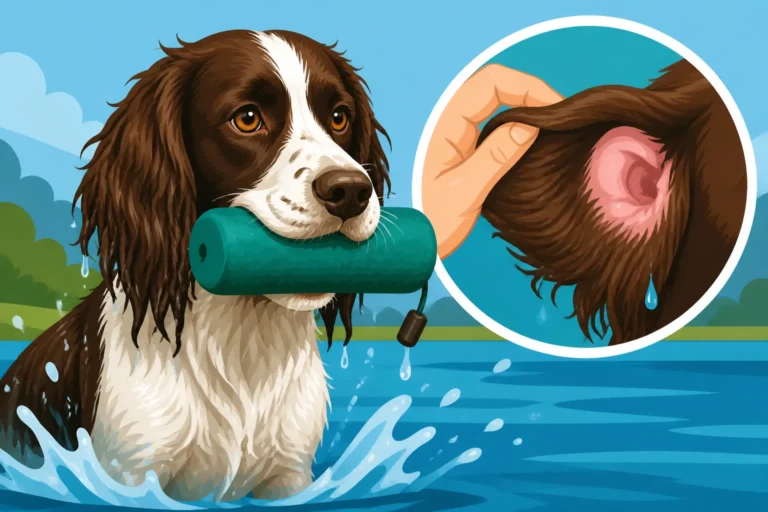
For a breed that loves water as much as Springer Spaniels do, drying their ears after any water exposure is non-negotiable. Whether it's a swim in the lake, a bath, or a rainy walk, that trapped moisture is a huge invitation for infection. It truly is the "never fully dry" aspect that causes so much grief. As soon as your dog comes out of the water, use a soft towel to thoroughly dry the inside of the ear flap and as much of the outer ear canal as you can reach.
Beyond towel drying, consider using an ear-drying solution specifically designed for dogs, particularly if your Springer is a frequent swimmer or prone to infections. These solutions often contain ingredients that help evaporate moisture and acidify the ear canal, making it less hospitable to pathogens. Apply it after drying, just like a regular ear cleaner, massage, and let your dog shake it out. There are various effective products available on platforms like Amazon that can become an indispensable part of your routine. Remember, air drying alone is often not enough with those floppy ears, so Drying a Springer Spaniel's Ears After Swimming truly is a critical preventative measure.
To Pluck or Not to Pluck: Navigating Ear Hair Management
The question of whether to pluck hair from inside a Springer Spaniel's ear canal is a topic with differing opinions among vets and groomers. Some believe that plucking the hair improves airflow and prevents debris from getting trapped, thus reducing the risk of infection. Others argue that plucking can irritate the sensitive skin of the ear canal, creating micro-traumas that can actually increase the risk of infection.
If your Springer has very dense hair growth deep within the ear canal that clearly traps wax and contributes to chronic infections, plucking might be beneficial, but it should always be done gently and preferably by a professional groomer or vet who can assess the individual situation. If the hair is sparse or only grows at the opening, it might be best to leave it alone. Discuss this with your veterinarian to determine the best approach for your specific dog. The goal is always to reduce the potential for infection and discomfort without causing unnecessary irritation. What works for one Springer might not be ideal for another, so personalized advice is key.
When to Call the Vet: Recognizing the Signs of Trouble
Despite your best efforts, ear problems can still arise. Knowing when a sniff or a scratch is more than just a passing bother, and when it warrants a trip to the vet, is crucial. Ignoring subtle signs can allow an infection to escalate quickly, becoming more painful and harder to treat.
Observable Symptoms: What to Look For and Listen To
Your Springer Spaniel can't tell you their ear hurts, so it's up to you to be observant. Regular visual checks and quick sniff tests during petting sessions can catch problems early. Look for redness or swelling inside the ear flap and canal. Check for any discharge – is it yellowish, greenish, brownish, or black? Is there an increase in ear wax that seems abnormal in color or consistency? Does the ear feel excessively warm to the touch?
Beyond what you see, pay attention to what you smell. A healthy ear should have minimal to no odor. A strong, foul, yeasty, or sweet smell is a red flag. Watch your dog's behavior: are they shaking their head more frequently than usual? Are they scratching at their ears with their paws or rubbing them on furniture or the ground? Are they tilting their head to one side persistently? Do they seem painful or react defensively when you try to touch their ear? Any of these signs, especially if they persist for more than a day or two, mean it's time for a professional opinion. Delaying can turn a minor issue into a major, painful one.
The Veterinary Examination: What to Expect at the Clinic
When you bring your Springer Spaniel in for ear concerns, your vet will perform a thorough examination. This typically starts with a visual inspection of the external ear flap and the opening of the ear canal. They will likely use an otoscope, a specialized instrument with a light and magnifying lens, to look deep into the ear canal, all the way to the eardrum. This allows them to assess the severity of the inflammation, identify any discharge, check for foreign bodies, and ensure the eardrum is intact.
Don't be surprised if your vet recommends gently cleaning the ear in the clinic, especially if there's a lot of debris or discharge, as this allows for a clearer view. This cleaning might be done with a medicated flush. For particularly painful or uncooperative dogs, light sedation might be necessary to ensure a thorough and stress-free examination. They're trying to get a full picture of what's going on in that difficult-to-see L-shaped canal. This initial exam is critical to guide the next steps, including whether diagnostics are needed.
Diagnostic Tools: Uncovering the Underlying Cause
A visual examination, while informative, often isn't enough to pinpoint the exact type of infection. That's where diagnostic tests come in. The most common is an ear cytology, where your vet will take a swab of the discharge from the ear, spread it on a slide, and examine it under a microscope. This allows them to identify whether bacteria, yeast, or both are present, and often, what type of bacteria. This information is invaluable for choosing the most effective medication.
In some cases, especially with persistent or recurrent infections, a bacterial culture and sensitivity test might be recommended. This involves sending a swab to a lab to grow the bacteria and then test which antibiotics are most effective against that specific strain. This is particularly useful if initial treatments haven't worked or if you're dealing with resistant bacteria. If allergies are suspected, your vet might discuss diet trials or allergy testing. Remember, sometimes what appears to be an ear infection is actually a symptom of a larger systemic issue. Getting a proper diagnosis is crucial, as What Treating a Springer Spaniel's Ear Infection Costs can escalate without it.
Long-Term Management Strategies for Chronic Ear Issues
For many Springer Spaniel owners, ear problems aren't a one-off event; they're a recurring nightmare. If your dog suffers from chronic ear infections, a more comprehensive, long-term management strategy is essential. This often involves a multi-pronged approach that goes beyond just treating the immediate infection.
Medication and Treatment Protocols: Following Vet's Orders
Once an infection is diagnosed, your vet will prescribe appropriate medications. This might include topical ear drops containing antibiotics, antifungals (for yeast), and/or anti-inflammatory steroids. Oral medications, such as antibiotics or anti-inflammatories, may also be prescribed, especially for severe infections or if the infection extends beyond the ear canal. It is absolutely critical to administer these medications exactly as directed and for the full course, even if the ear seems to improve quickly. Stopping early is a surefire way to allow the infection to rebound, potentially even stronger and more resistant.
Your vet will likely schedule follow-up appointments to recheck the ears and ensure the infection has completely cleared. They might repeat a cytology to confirm the absence of pathogens. This diligence is crucial because what appears resolved to you might still have a lingering low-grade infection that will quickly flare up again. For chronic cases, your vet might also prescribe maintenance medications or a specific cleaning schedule to help keep the ear healthy between flare-ups. This is often necessary to prevent Whether a Springer Spaniel's Ear Infection Recurs.
Dietary Management: Addressing Underlying Allergies
If allergies are determined to be a major contributing factor to your Springer's chronic ear problems, dietary management often becomes a cornerstone of the long-term strategy. For suspected food allergies, a strict elimination diet trial is usually recommended. This involves feeding a novel protein or hydrolyzed protein diet (one that your dog has never eaten before, or where the proteins are broken down so small the immune system doesn't recognize them) for an extended period, typically 8-12 weeks, with no other treats, chews, or flavored medications. Brands like Ollie or other reputable fresh food companies sometimes offer novel protein options that can be explored under vet guidance.
After the trial, ingredients are slowly reintroduced one by one to identify the specific allergens. If environmental allergies are the culprit, your vet might suggest other interventions such as antihistamines, allergy injections (immunotherapy), or other medications like Apoquel or Cytopoint to manage the allergic response. Addressing the underlying allergy can significantly reduce the inflammation in the ears, thereby breaking the cycle of recurrent infections and bringing immense relief to your dog.
Surgical Interventions: When All Else Fails
In severe, chronic cases of ear disease where medical management has failed, and the dog is in constant pain or suffering from recurrent, debilitating infections, surgical intervention might be considered. This is usually a last resort but can dramatically improve a dog's quality of life. One common procedure is a Total Ear Canal Ablation (TECA) with Bulla Osteotomy. In this surgery, the entire diseased ear canal is removed, and the middle ear is drained.
While seemingly drastic, a TECA removes the source of the chronic infection and pain entirely. The dog will be deaf in that ear, but many dogs with chronic ear disease already have significantly impaired hearing due to the chronic inflammation and scarring. The relief from constant pain and infection can transform their demeanor. Other less invasive surgeries might be performed for specific issues, such as widening a stenotic (narrowed) ear canal. Discussing Whether a Springer Spaniel Needs Ear Surgery is a serious conversation, but for some dogs, it offers the only path to true comfort and a pain-free life. It also has a significant financial implication, adding to What Chronic Ear Disease Costs a Springer Spaniel Owner.
Living with a Springer Spaniel and Their Ears: Practical Tips and a Realistic Outlook
Owning a Springer Spaniel means embracing their joyful, energetic nature – and their ears. It’s a reality that these beautiful dogs often require extra vigilance when it comes to ear care. But with a proactive approach and a good partnership with your vet, you can minimize discomfort and ensure a happy, healthy life for your companion.
Adapting Your Lifestyle: Swimming, Hiking, and Grooming
Given their predisposition to ear issues, it's wise to make some adjustments to your routine if your Springer is particularly prone to problems. If your dog loves to swim, consider applying an ear-drying solution immediately after every single dip in the water. This is crucial for Whether Swimming Causes a Springer Spaniel's Ear Trouble. For hikes or runs through tall grass, a snood (a fabric tube that covers the ears) can help keep burrs, seeds, and foxtails from getting trapped in the feathering and migrating into the ear canal. There are many practical options available online, including on Amazon.
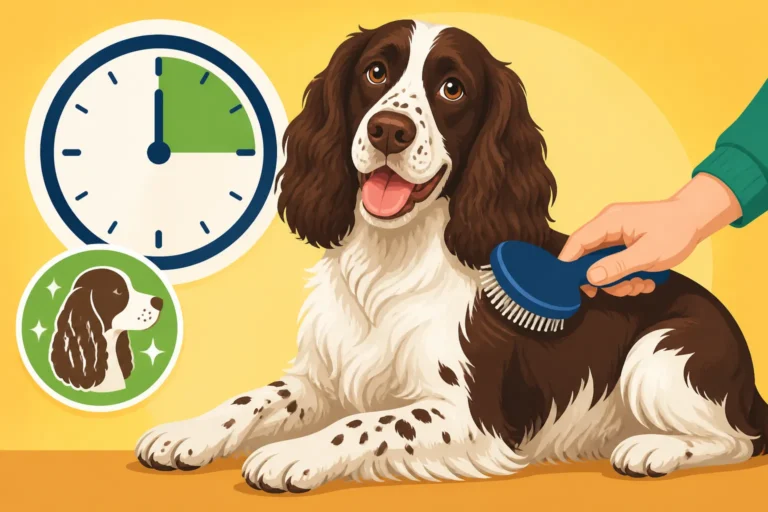
Grooming also plays a vital role. Regular brushing of the ear feathering helps prevent mats that can further impede airflow. For show-bred Springers with very heavy feathering, regular trimming might be necessary, even if you’re not showing them, simply to improve hygiene and airflow. Learning How Often a Springer Spaniel Needs a Groomer or how to do basic tidying yourself can make a big difference. These might seem like small changes, but collectively they create a much healthier ear environment.
Budgeting for Ear Care: The Ongoing Financial Commitment
Let’s be realistic: chronic ear problems can be expensive. From routine cleaners and drying solutions to vet visits, diagnostics, medications, and potentially even specialized diets or surgery, the costs can add up quickly over your Springer Spaniel's lifetime. It's not uncommon for owners to face significant bills, especially during flare-ups. Being prepared for this financial commitment can alleviate stress and ensure your dog gets the care they need without delay.
Consider setting aside a dedicated fund for veterinary care or looking into pet insurance, though be mindful of pre-existing condition clauses if your dog already has a history of ear infections. Proactive care, while requiring an initial investment in quality cleaners and time, is often cheaper in the long run than repeatedly treating severe, chronic infections. Understanding What Ear Cleaner Costs a Springer Spaniel Owner Yearly and other routine expenses helps in planning. Thinking about the overall What Thirteen Years With a Springer Spaniel Comes To financially should always include a substantial allocation for ear health.
Embracing the Reality: A Lifetime of Vigilance
Ultimately, living with a Springer Spaniel means accepting that their ears are a beautiful, yet vulnerable, part of their anatomy. It requires a lifetime of vigilance, observation, and consistent care. There will likely be times when, despite your best efforts, an ear infection still flares up. Don't beat yourself up; it happens to even the most diligent owners.
The key is to approach ear care with patience, consistency, and a proactive mindset. By understanding the unique challenges of their ear anatomy, recognizing the early signs of trouble, and working closely with your veterinarian on a long-term management plan, you can significantly reduce the frequency and severity of ear problems. Your Springer Spaniel relies on you to keep them comfortable and pain-free, and with the right approach, those beautiful, albeit damp, ears can be a source of joy, not constant worry.
Disclaimer
This article is for general informational purposes only and does not constitute professional advice. Laws, prices and regulations vary by location and change over time. Consult a qualified professional for guidance on your specific situation.