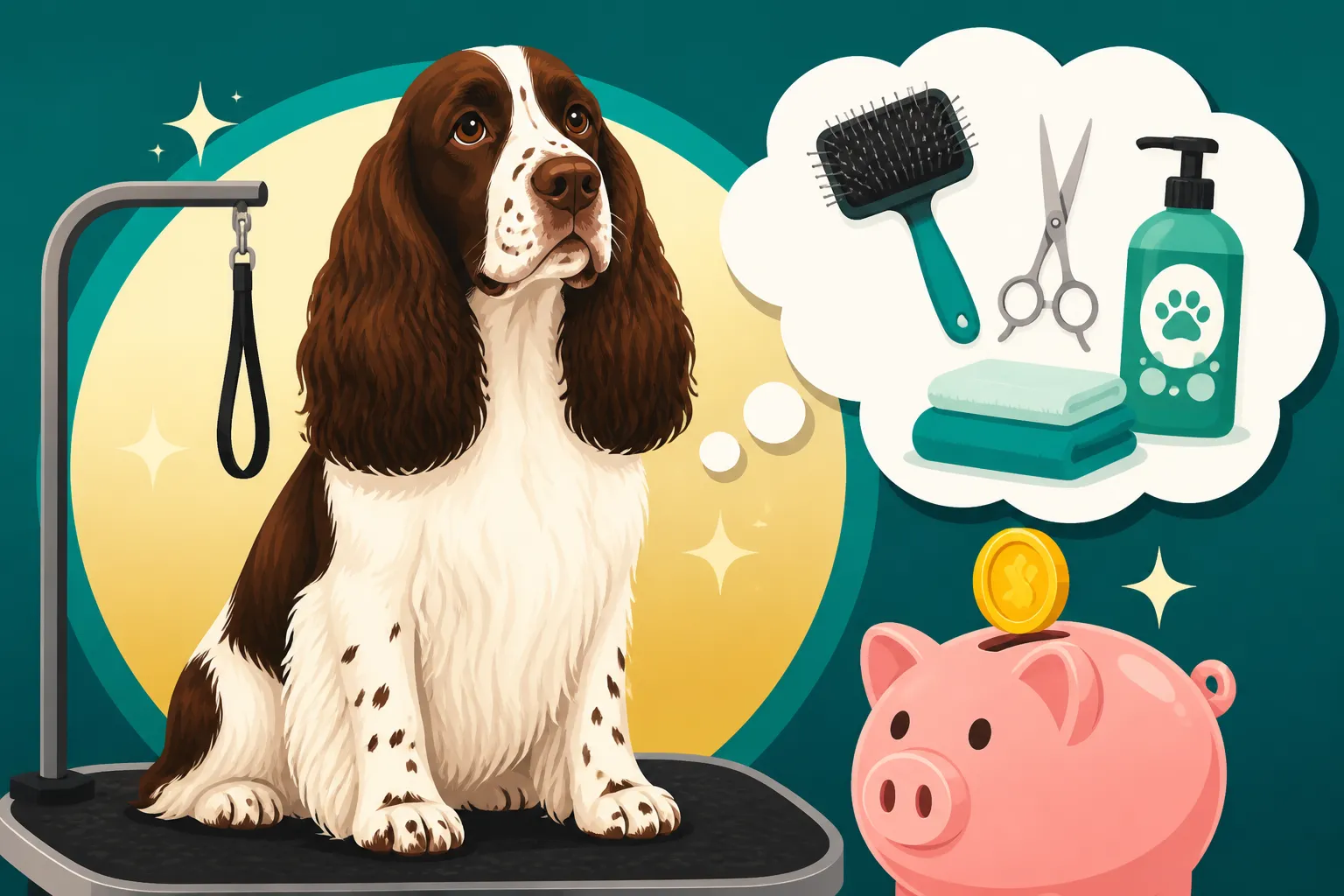
What Grooming a Show Bred Springer Spaniel Costs
Many prospective English Springer Spaniel owners, especially those captivated by the elegant look of a show-bred dog, often underestimate the significant and consistent financial commitment involved in maintaining their distinctive coat. It's far from a "wash and wear" situation; it’s an intricate, ongoing process that can add substantial costs to your budget, leading to genuine surprise and frustration if you're not prepared. This comprehensive guide aims to shed light on the various grooming expenses associated with owning a show-bred Springer, from essential professional salon visits to the necessary at-home maintenance, ensuring you understand the true investment required to keep that beautiful, flowing coat in show-ring condition.
The Unique Demands of a Show Springer's Coat
When you look at a show-bred English Springer Spaniel, what often catches your eye first is that luxurious, flowing coat. It's a hallmark of the breed, a testament to careful breeding and meticulous care. But this beauty comes with its own set of responsibilities and, yes, expenses. Unlike their field-bred counterparts, show Springers are bred to meet a specific aesthetic standard that prioritizes a longer, denser, and more heavily feathered coat.
Understanding the Show Coat Standard
The show Springer Spaniel coat is a thing of beauty, a masterpiece of genetics and grooming. It's generally described as medium length, dense, and close-lying, with feathering on the ears, chest, legs, and belly. This feathering is what gives the breed its elegant silhouette in the show ring, but it's also the most demanding aspect of the coat to maintain. The goal is to present a clean, well-conditioned, and artfully shaped dog, highlighting its natural lines without appearing excessively groomed or artificial.
This ideal coat isn't just about length; it's also about texture and condition. It should be soft but not woolly, with a healthy sheen that indicates good overall health. Every strand plays a role in the overall presentation, meaning damage, matting, or dryness can detract significantly from the dog’s appearance. Achieving and maintaining this standard requires a combination of genetics, nutrition, and, most importantly, consistent, skilled grooming.
The meticulousness required for a show coat stands in stark contrast to the utilitarian needs of a working dog. While a field Springer's coat is primarily about protection and function in dense cover, a show Springer's coat is about artistry and adherence to an aesthetic ideal. This fundamental difference drives much of the cost.
Why the Show Coat Requires More Effort
The sheer volume and length of a show Springer's coat, especially the feathering, mean it's a magnet for dirt, burrs, twigs, and anything else encountered outdoors. Without regular attention, it quickly becomes a tangled mess, leading to mats that pull on the skin and can cause pain and skin irritation. Imagine a beautiful tapestry that constantly wants to unravel; that's a show coat without consistent care.
Beyond simply cleaning and detangling, show grooming involves specific techniques like stripping and scissoring to shape the coat, define the body lines, and highlight the breed's conformation. This isn't just a basic haircut; it's an art form that requires a keen eye and specialized skills. The goal is to enhance the dog's natural beauty, not mask it, which takes far more time and expertise than simply shaving or clipping.
Furthermore, maintaining the health of the coat is paramount. A dull, dry, or damaged coat will never score well. This means investing in quality shampoos, conditioners, and regular conditioning treatments to keep the hair strong, vibrant, and resistant to tangles. All these factors contribute to a significant time and financial investment compared to many other breeds.
The Difference in Grooming Between Show and Field Types
It's crucial for prospective owners to understand that an English Springer Spaniel isn't a single, uniform dog; there's a distinct divergence between the field-bred and show-bred types. This difference is perhaps most evident in their coats and, consequently, their grooming needs and costs. If you're wondering How Different the Two Springer Spaniel Types Look, the coat is a primary indicator.
A field-bred Springer Spaniel, bred for working in cover, typically has a shorter, coarser, and more utilitarian coat with less feathering. This type of coat is designed to protect the dog from thorns and briars and to shed water and debris easily. Grooming for a field Springer is usually focused on practicality: keeping it clean, removing burrs, and trimming for hygiene and comfort in the field. This can often be managed with basic at-home brushing and occasional trims.
In contrast, a show-bred Springer's coat is longer, silkier, and features extensive feathering on the legs, chest, and ears. This coat, while stunning, is far more prone to matting and requires elaborate, regular grooming to maintain its condition and conform to breed standards. As highlighted in How a Show Springer Spaniel's Coat Differs, the aesthetic requirements translate directly into a higher grooming cost, both in terms of time and money, whether you're doing it yourself or paying a professional.
Professional Grooming Services and Their Costs
For a show-bred Springer, professional grooming isn't a luxury; it's often a necessity. While some dedicated owners learn to do much of the work themselves, the intricate nature of show grooming means many opt for regular visits to a professional groomer, especially one with experience in spaniel breeds or show preparation. These costs can add up quickly, becoming one of the most significant recurring expenses for a show Springer owner.
Full-Service Grooming Packages
A standard full-service grooming package for a Springer Spaniel typically includes a bath with professional-grade shampoos and conditioners, a thorough blow-dry, ear cleaning, nail trimming, and a basic brush-out. For a show Springer, however, this "basic" package is just the starting point. The length and density of their coat, coupled with the precision required, mean it's rarely a quick in-and-out visit. Many groomers categorize breeds by size and coat type, and a show Springer often falls into a higher pricing tier due to the time and skill involved.
During these sessions, the groomer will spend considerable time detangling any mats, which can be a delicate and time-consuming process. They'll also focus on conditioning the feathering to maintain its health and prevent breakage. The cost can fluctuate based on the dog's temperament, the condition of its coat (e.g., if it's heavily matted), and the groomer's experience level. Remember, you're paying not just for the services, but for the expertise required to handle a coat of this specific type.
It's common for show Springer owners to schedule these full grooming sessions regularly, perhaps every 4-8 weeks, depending on the dog's coat growth and activity level. If you're curious What a Full Groom on a Show Springer Spaniel Costs, be prepared for it to be a substantial line item in your monthly budget.
Specialized Show Grooming Techniques
Beyond the basic package, show Springers often require specialized techniques that demand extra skill and, naturally, extra cost. These include hand stripping, specific scissoring to shape the head, neck, and leg feathering, and detailed thinning to create that desired clean, athletic outline while maintaining volume where needed. These aren't just haircuts; they're artistic endeavors designed to highlight the dog's best features for the show ring.
Hand stripping, for example, involves plucking dead topcoat hairs by hand rather than clipping them. This preserves the coat's natural texture, color, and ability to repel water, which is crucial for a breed standard. However, it's a labor-intensive process that can take hours and requires a highly skilled groomer. Not all groomers offer hand stripping, and those who do typically charge a premium for it.
Similarly, the precise scissoring of the feathering on the legs and belly, and the careful shaping of the head and ears, require an eye for detail and a steady hand that only comes with significant experience. These techniques are what differentiate a good groom from a great one in the show ring. If your Springer is destined for conformation events, these specialized services are non-negotiable and will be reflected in the grooming bill.
Frequency of Professional Grooming Appointments
The frequency of professional grooming appointments is a critical factor in determining the overall cost of keeping a show-bred Springer Spaniel. This isn't a "once a year" affair. To maintain the coat in optimal condition for the show ring or even just for a pristine home appearance, consistent scheduling is essential.
Most show Springer owners find that a professional groomer visit every 4 to 6 weeks is ideal. This allows for thorough cleaning, dematting, nail trims, ear cleaning, and any necessary shaping and tidying before the coat gets too unruly. If you're actively showing your dog, you might find yourself visiting even more frequently, perhaps every 2-3 weeks leading up to an important show, to ensure the coat is absolutely perfect. The article How Often a Show Springer Spaniel Needs Trimming delves into this more.
Skipping appointments to save money often backfires. A longer interval between grooms usually means more matting, a dirtier coat, and more time and effort required by the groomer, which can actually increase the cost of the next session. It's a classic example of "pay now or pay more later." Establishing a consistent schedule helps manage costs and keeps your Springer comfortable and looking their best.
At-Home Grooming: Tools and Products
While professional grooming is often indispensable for a show-bred Springer, daily and weekly at-home maintenance is equally vital. This isn't just about saving money; it's about preserving the coat's condition between professional visits and strengthening the bond with your dog. However, building your at-home grooming kit also comes with its own set of expenses.
Essential Brushes, Combs, and Shears
Investing in high-quality grooming tools is non-negotiable for a show Springer owner. You can't effectively maintain that coat with just a basic pet brush from the supermarket. You'll need an arsenal of specific tools, each designed for a different purpose, and they aren't always cheap.
Your essential kit should include a pin brush (great for general brushing and detangling feathering), a slicker brush (good for removing loose undercoat), and a variety of metal combs with different tooth spacing (a wide-toothed comb for initial detangling and a fine-toothed comb for finishing and checking for mats). A sturdy grooming table with a noose is also a game-changer, making the process much easier on your back and keeping your dog still.
Then there are shears. You'll likely need a good pair of straight grooming shears for shaping, thinning shears for blending and removing bulk without leaving harsh lines, and possibly a pair of blunt-nosed shears for delicate areas like around the eyes and paw pads. Expect to pay a decent sum for good quality, ergonomic shears that will last and hold a sharp edge. Cheap tools can pull hair, make the job harder, and yield poor results, leading to frustration for both you and your Springer.
Shampoos, Conditioners, and Coat Care Products
The type and quality of shampoos, conditioners, and other coat care products you use at home can significantly impact the health and appearance of your show Springer's coat. You can't just grab any old dog shampoo off the shelf and expect show-ring results. Many owners of show dogs use products specifically formulated for their breed's coat type, or for issues like dryness, dullness, or tangling.
You'll need a good clarifying shampoo for occasional deep cleaning, a gentle moisturizing shampoo for regular baths, and a high-quality conditioner to keep the long feathering soft and manageable. Leave-in conditioners and detangling sprays are also invaluable for daily brush-outs, helping to prevent mats and reduce static. Products like those from Chewy offer a wide range of options for various coat needs, allowing owners to find exactly what works for their specific dog.
Consider also specialized products for specific issues. If your Springer is prone to oily skin or specific odors, you might need a degreasing shampoo or a deodorizing spray. Some Springers develop allergies that manifest in their skin and coat. An article like Whether a Springer Spaniel Gets Skin Allergies can shed light on common issues that might require medicated shampoos or other specialized care, adding to your product costs.
Maintenance Between Professional Visits
The real work of maintaining a show Springer's coat happens between professional grooming appointments. Daily or every-other-day brushing and combing are non-negotiable. This isn't just a quick once-over; it's a thorough session that involves working through all the feathering, checking for mats behind the ears, in the armpits, and on the legs. Without this consistent effort, mats will form rapidly, making the next professional groom much more difficult and expensive.
Regular ear cleaning is also crucial, especially for drop-eared breeds like the Springer Spaniel. Their long, floppy ears can trap moisture and debris, making them prone to infections. An article like Why a Springer Spaniel's Ear Traps Moisture explains this common issue. Keeping the inside of the ear leather clean and dry is key to preventing painful and costly infections. Nail trims every 2-3 weeks are also essential for comfort and proper foot structure.
Many owners also perform "tidying" trims at home, especially on the feet and around the sanitary areas, using their own shears to keep things neat and clean. This light trimming, often referred to in Trimming a Springer Spaniel's Feathering, can extend the time between full professional grooms slightly or simply keep the dog more comfortable and presentable. While it takes time and practice to master, it's an important skill for show Springer owners to develop.
Unexpected Grooming-Related Expenses
Even with the most diligent routine and the best products, owning a show-bred Springer Spaniel can still lead to unexpected grooming-related costs. These often stem from issues that arise despite your best efforts, or from accidents in daily life. Being prepared for these eventualities is part of realistic ownership.
Dealing with Matting and Tangling Emergencies
Life happens, and sometimes, despite regular brushing, a show Springer can develop severe mats. Maybe they rolled in something particularly sticky, got caught in dense brush, or had a sudden shedding cycle you weren't quite on top of. When matting becomes extreme, it's not just an aesthetic problem; it can be painful for the dog, restricting movement and causing skin irritation, hot spots, or even infections underneath the compacted fur.
Trying to cut out large mats yourself with household scissors is incredibly risky and can easily lead to accidental cuts on your dog's skin. Professional groomers have specialized tools and techniques for safely dematting. However, extensive dematting takes a lot of time and effort, and groomers will typically charge a significant additional fee for this service on top of the regular groom. In severe cases, the only humane option might be to shave the dog down, which, while necessary for comfort, means sacrificing that beautiful show coat for a period.
These matting emergencies can easily add to your grooming budget, sometimes dramatically increasing the cost of a single session. It's a reminder that consistent preventive care is truly the most cost-effective approach in the long run.
Addressing Skin and Coat Health Issues
A healthy coat starts with healthy skin. Unfortunately, Springer Spaniels, like many breeds, can be prone to various skin and coat issues that require veterinary attention and specialized grooming. These conditions can range from allergies that cause incessant itching and licking, leading to raw skin and secondary infections, to seborrhea, which results in greasy, flaky skin and an unpleasant odor. An article like Whether a Springer Spaniel's Skin Gets Oily touches on some of these issues.
The cost of diagnosing and treating these conditions can quickly add up. This might involve vet visits, allergy testing, prescription medications (oral or topical), medicated shampoos and conditioners, and special dietary foods. For example, if a Springer Spaniel suffers from recurring ear infections, which are sadly common due to their drop ears, the ongoing treatment costs can be significant, as detailed in What Chronic Ear Disease Costs a Springer Spaniel Owner.
These health issues are directly related to coat maintenance, as the coat can either protect or exacerbate underlying skin problems. Regular, skilled grooming can help you spot early signs of trouble, but dealing with the actual treatment is a medical expense that impacts your overall cost of ownership.
Repairing Coat Damage from Outdoor Activities
Despite their elegant appearance, show-bred Springers are still active dogs who love to explore, roll in grass, and maybe even take a dip in a pond if given the chance. These natural instincts, while wonderful for their well-being, can wreak havoc on a meticulously maintained show coat, leading to unexpected repair costs.
Think about a walk through a field filled with burrs or thorny bushes. Even with a vigilant owner, those long feathers can become an absolute magnet for plant matter, resulting in stubborn tangles and damage. Mud, pond scum, and even just prolonged dampness can also degrade the coat's condition, making it more prone to matting and breakage. And heaven forbid they find something particularly smelly to roll in, necessitating an emergency bath and deodorizing treatment.
Each of these scenarios might require extra time from a professional groomer to carefully remove debris, detangle, and recondition the coat, all of which will come with additional charges. If damage is severe enough, it might mean delaying a show or having to trim a significant portion of feathering, impacting the dog's presentation for months. Protecting that coat during outdoor excursions is key, perhaps with protective vests or simply avoiding certain types of terrain, but accidents do happen.
Long-Term Financial Planning for Show Grooming
Understanding the ongoing costs of grooming a show-bred Springer Spaniel is the first step; the next is creating a financial plan to manage these expenses without stress. This isn't just about covering immediate bills, but about budgeting for the entire lifespan of your dog, ensuring they always look and feel their best.
Budgeting for Ongoing Professional Care
The most significant recurring expense for a show Springer's coat will likely be professional grooming. As we've discussed, these aren't cheap, and they're not optional if you want to maintain the breed standard. A realistic budget needs to account for regular visits, whether monthly or every 6-8 weeks.
To get a clear picture, call a few local professional groomers, especially those specializing in show dogs or sporting breeds, and inquire about their pricing for an English Springer Spaniel. Ask about full grooming packages, any additional charges for dematting, and specific show-prep services like hand stripping. Once you have an average cost, multiply it by the number of visits you anticipate per year. This annual figure should be a dedicated line item in your pet budget.
It’s also wise to set aside a small buffer each month for unexpected grooming needs, like an emergency dematting session or a special treatment for a minor skin irritation. Think of it as a grooming emergency fund. Being proactive and regularly budgeting for these costs means you won't be caught off guard and can provide your Springer with the continuous care they need.
Investing in Quality At-Home Supplies
While professional grooming handles the heavy lifting, your at-home kit is your daily defense against matting and general coat deterioration. Skimping on these supplies can actually lead to higher professional grooming bills down the line due to increased matting or poor coat condition. Think of it as preventative maintenance that saves you money in the long run.
Your initial investment in brushes, combs, and shears might seem substantial, but these are tools that, with proper care, can last for years. Brands found on platforms like Chewy offer a wide selection of professional-grade tools. After the initial purchase, your ongoing costs will be for high-quality shampoos, conditioners, detanglers, and ear cleaners. These products often last a while, but you’ll need to replenish them regularly.
Consider products like those offered by Ollie for nutritional support, which can contribute to a healthier coat from the inside out. While not strictly a grooming supply, good nutrition plays a vital role in coat luster and skin health, potentially reducing issues that lead to extra grooming costs. Factor in a small monthly amount for these consumable supplies, ensuring you always have what you need on hand for daily maintenance.
Considering Pet Insurance for Coat-Related Ailments
Even the most meticulously groomed show Springer can encounter health issues that affect their coat and skin. Allergies, infections, hot spots, and chronic ear disease are unfortunately common. The diagnostic tests, medications, and specialized treatments for these conditions can quickly become very expensive. This is where pet insurance, like policies from Healthy Paws, can offer significant financial relief and peace of mind.
While pet insurance doesn't cover routine grooming (like baths or haircuts), many comprehensive plans do cover veterinary treatments for skin conditions, ear infections, and other ailments that directly impact coat health. For example, if your Springer develops persistent skin allergies that require ongoing medication or specialist dermatology visits, your insurance could help mitigate those significant costs. Similarly, if an ear infection becomes chronic and requires extensive veterinary care or even surgery, pet insurance can be invaluable.
When researching policies, it’s worth checking What Insuring a Springer Spaniel Runs to get a general idea of premiums. Always read the fine print to understand what is covered regarding skin and ear conditions, deductibles, and reimbursement percentages. While it's an additional monthly expense, pet insurance can act as a crucial safety net against the unexpected, potentially saving you thousands in veterinary bills over your Springer's lifetime, especially for issues that often manifest as coat or skin problems.
Disclaimer
This article is for general informational purposes only and does not constitute professional advice. Laws, prices and regulations vary by location and change over time. Consult a qualified professional for guidance on your specific situation.