What to Check on a Springer Spaniel After a Day in Cover
Bringing your energetic English Springer Spaniel home after a day spent flushing game or simply enjoying a long ramble through dense fields and woodland cover is always a joy. They’re tired, happy, and usually covered in bits of nature. However, that joyous, muddy, leaf-strewn exterior often hides potential problems that, if left unchecked, can quickly escalate into serious health issues. This guide will walk you through a thorough, systematic post-cover inspection for your Springer Spaniel, ensuring you catch any minor irritations before they become major headaches.
Understanding the Landscape: Why Cover is a Minefield for Springer Spaniels
Springer Spaniels are built for cover. Their medium size allows them to navigate dense undergrowth with agility, their sturdy build helps them push through thickets, and their double coat, while beautiful, is designed to offer some protection from the elements. But this very aptitude for working in cover also exposes them to a myriad of environmental hazards. The thrill of the chase, the intoxicating scent of game, or simply the pure joy of exploring means they’re often oblivious to thorns, burrs, or sharp twigs that could cause injury.
The Instinctive Drive for Dense Cover
It's in their DNA. The "springer" in their name comes from their job of "springing" game from cover for a hunter. This means they are inherently driven to dive headfirst into brambles, tall grasses, marshy areas, and thick brush where birds and small game might hide. They don't just walk around cover; they plunge into it, relying on their tenacity and keen nose. This incredible work ethic is what makes them such fantastic companions in the field, but it also means that every inch of their body is potentially exposed to what lies within that cover.
Imagine your Springer, Why a Springer Spaniel Puts Its Nose to the Ground and Vanishes, enthusiastically tunneling through a hawthorn hedge or splashing through a cattail marsh. Their eyes are fixed on the scent, their ears are down, and their tail is wagging a mile a minute. They're not thinking about the sharp stick that might snag their ear or the tiny grass awn that could work its way under their skin. That's our job as responsible owners – to appreciate their drive but also to mitigate the risks that come with it. We need to be their protective barrier, their second pair of eyes, scanning for dangers that their singular focus might miss.
Common Hazards Lurking in the Undergrowth
The natural world, while beautiful, is full of potential traps for an active dog. From the obvious dangers like barbed wire fences or discarded trash, to the more insidious threats that are barely visible, cover harbors many risks. Ticks and fleas are rampant in grassy and wooded areas, especially during warmer months. Sharp seeds, burrs, and foxtails can latch onto fur or, worse, penetrate skin. Thorns from rose bushes or blackberry brambles can cause painful punctures. Even seemingly harmless mud or damp leaves can lead to skin irritation or ear infections if not properly addressed.
Beyond physical objects, there are also unseen dangers. Puddles or stagnant water bodies can contain harmful bacteria like Leptospira. Areas recently sprayed with pesticides or herbicides can pose a chemical risk. Other animals, wild or domestic, could be present, leading to scuffles or bites. The list goes on, which is why a thorough check is absolutely non-negotiable after any significant outing in the field. It’s not about being paranoid; it’s about being proactive and ensuring their adventurous spirit doesn’t lead to preventable discomfort or illness.
The Systematic Post-Cover Inspection: Nose to Tail
When your Springer Spaniel comes bounding in, eager for a drink and a nap, it's tempting to just let them crash. But resist the urge! This is the most crucial time for an inspection. It needs to be systematic and thorough, like a meticulous detective searching for clues. You want to establish a routine that ensures no spot is missed, even when your dog is squirming with excitement or flopping with exhaustion.
The Initial Visual Scan: What to Look For First
Before you even lay a hand on your dog, take a few moments for a good visual sweep. Start from a little distance as they shake off or take a drink. Are they favoring a leg? Is there any obvious limping or awkward movement? Is their tail carriage normal, or is it tucked unusually? Look for any large, obvious burrs clinging to their coat, especially on their feathered legs or belly. Note any matted clumps of mud or vegetation, which could be hiding something more sinister.
Pay close attention to their eyes – are they clear, or is there any redness, discharge, or squinting? Check their general demeanor; are they panting excessively, even after cooling down, or showing any signs of discomfort? This initial visual assessment gives you a baseline and can often point you towards specific areas that might need extra attention during the hands-on examination. It's about spotting the big picture before you zoom in on the details.
The Hands-On Palpation: Feeling for Trouble
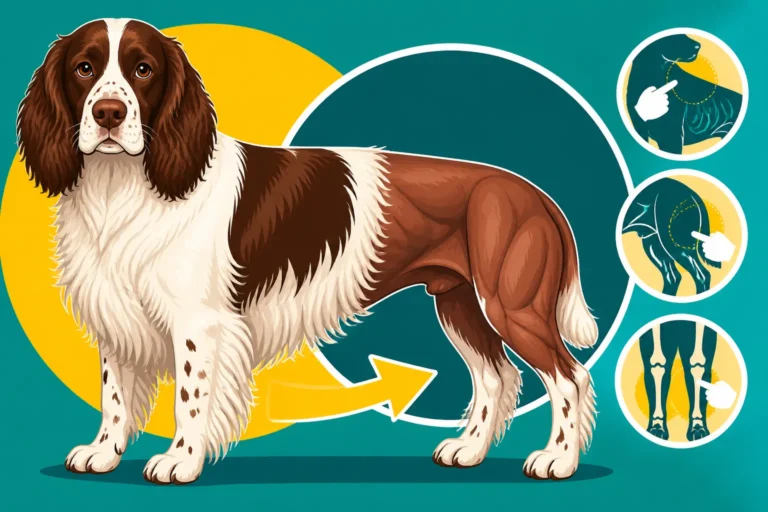
Now it's time to get hands-on. Start from their head and work your way back, systematically moving your fingers through their fur, feeling their skin, and gently flexing their joints. Begin by checking their muzzle, lips, and gums for any scrapes, punctures, or swelling, especially if they were nosing around thorny bushes. Gently feel along their jawline and throat. Move to their ears – gently lift and examine the inside flap, looking for redness, discharge, or debris. The Springer Spaniel Ear That Never Fully Dries can easily become a haven for moisture and unwelcome guests. Run your fingers over the top of their head and down their neck, feeling for any lumps, bumps, or tender spots.
Continue down their back, ribs, and flanks, parting the fur to check the skin. Feel along their legs, carefully examining each paw pad, between the toes, and up to the elbow and hock joints. Gently squeeze each toe and check each nail. Don't forget their belly and groin area, which are often overlooked but are prime spots for ticks to latch on due to thinner fur and warmth. Finally, check their tail, from base to tip, looking for any injuries or burrs. This tactile examination is crucial for finding hidden problems that aren't immediately visible under their dense coat.
Focusing on Vulnerable Zones: Ears, Eyes, and Paws
These three areas are arguably the most susceptible to problems after a day in cover for a Springer Spaniel. Their unique anatomy, combined with their adventurous nature, makes them magnets for foreign objects and infections. Giving these areas extra scrutiny is paramount to preventing discomfort and potential veterinary visits.
The Perennial Ear Challenge: Moisture, Debris, and Infection
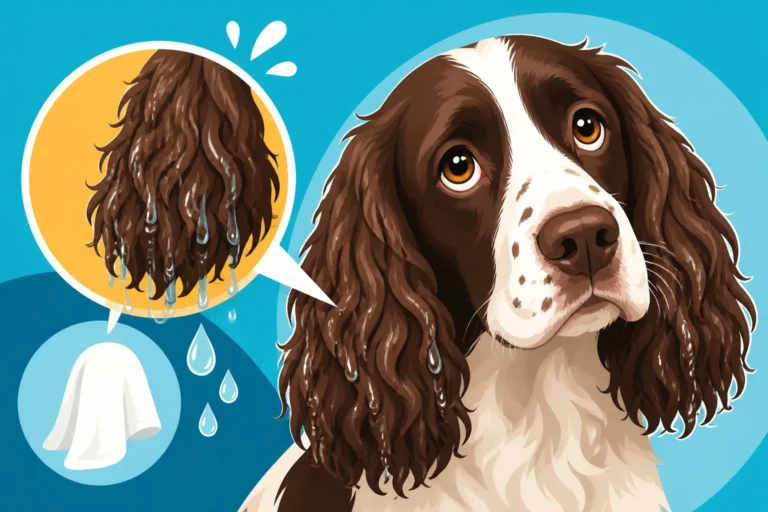
Oh, those beautiful, long, pendulous Springer Spaniel ears! They're iconic, but they're also a constant battleground against moisture, debris, and infection. When your dog is pushing through dense cover, those ears act like giant sponges, soaking up moisture, sweeping up seeds, and collecting dirt and leaves. The warm, dark, moist environment created by their floppy design is an ideal breeding ground for bacteria and yeast, leading to those infamous ear infections. Why a Springer Spaniel's Ear Traps Moisture is a constant concern for any owner.
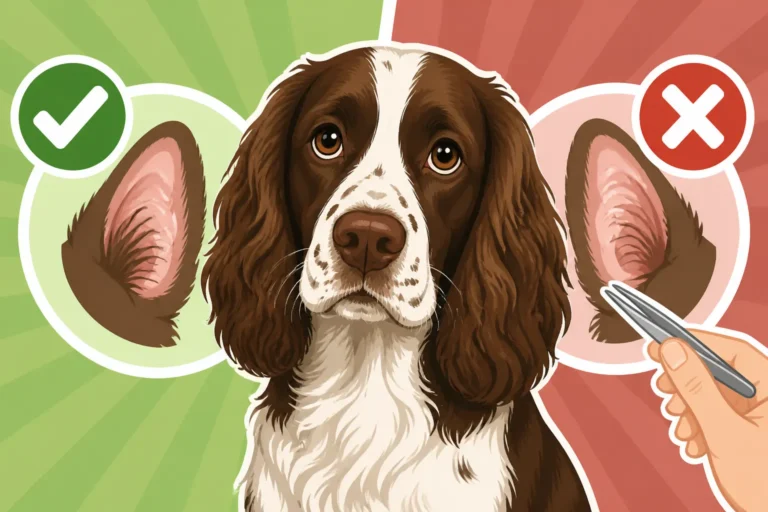
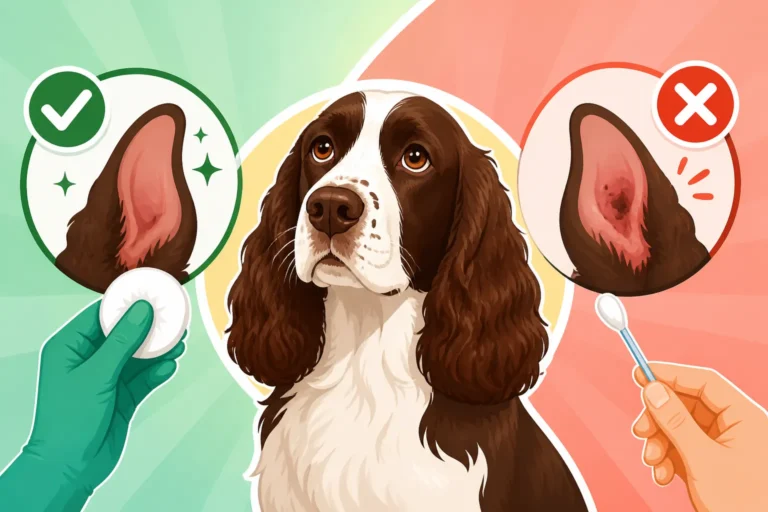
After a day in cover, gently lift each ear flap and examine the entire visible ear canal. Look for any redness, swelling, discharge (especially if it's dark, waxy, or smells yeasty), or foreign objects. Grass awns, small burrs, or tiny twigs can easily get lodged deep inside the canal, causing intense irritation and pain. If your dog is shaking their head, pawing at their ears, or holding one ear at an odd angle, these are immediate red flags. A gentle cleaning with a vet-approved ear cleaner is often a good idea after a particularly damp or dirty outing. Many owners find products available at places like Chewy or Amazon to be quite useful for regular cleaning. Regular inspection, perhaps weekly, as described in Whether a Springer Spaniel's Ears Should Be Checked Weekly, is essential for ongoing ear health.
Eye Spy: Checking for Irritants and Injuries
Your Springer's eyes are their windows to the world and incredibly vulnerable. While their brows and some facial feathering offer a little protection, they are still highly exposed when pushing through branches or tall grasses. After cover work, carefully examine both eyes. Gently open the eyelids and look for any redness in the whites of the eyes, excessive tearing, or discharge. Is there any squinting or holding one eye shut? These can indicate irritation or injury.
Look closely for any foreign objects: a tiny seed, a piece of dirt, or even a small insect can cause significant discomfort and damage to the cornea. If you spot anything, try to flush it out gently with a sterile saline solution (pet-specific eye wash or even human contact lens saline). Never try to remove a lodged object with tweezers or your fingers, as you could cause more harm. If the eye appears red, cloudy, or if your dog is in obvious pain or continuously squinting, it's best to seek veterinary attention immediately. Prompt action can save their vision and prevent further complications. Whether a Springer Spaniel's Eyes Should Be Flushed After Cover should be a regular consideration after a field trip.
Paw Patrol: Protecting the Foundation
A Springer Spaniel's paws are their primary tool for navigating the world, and they take a beating in cover. Sharp rocks, thorns, sticky burrs, and abrasive ground can all cause damage. After every excursion, a thorough paw inspection is non-negotiable. Start by carefully wiping down each paw to remove surface dirt and debris. Then, spread the toes apart and examine the pads closely. Look for cuts, scrapes, punctures, or cracks in the pads. Checking a Springer Spaniel's Feet After Working should reveal any immediate problems.
The spaces between the toes are notorious for collecting foreign objects. Burrs, small stones, and especially grass awns can wedge themselves deep into the webbing, causing irritation and lameness. These little devils, often called "foxtails," can actually migrate under the skin, leading to abscesses or serious infections. Be meticulous in checking these areas. If you find a burr or seed, gently pull it out. If a grass awn has already started to penetrate the skin, a vet visit is usually required, as trying to remove it yourself can push it deeper. Also check the nails for any cracks or breaks, and the dewclaws (if present) for tears or snags. A cracked nail can be incredibly painful.
| Area of Inspection | What to Look For | Potential Hazard | Action |
|---|---|---|---|
| Ears | Redness, discharge, debris, head shaking, odor | Grass awns, burrs, moisture, yeast, bacteria | Clean gently; remove visible debris; vet if painful/infected |
| Eyes | Redness, discharge, squinting, foreign objects | Seeds, dust, twigs, scratches | Flush with saline; vet if pain/cloudiness |
| Paws | Cuts, scrapes, cracks, swelling, limping, debris between toes | Thorns, sharp objects, burrs, grass awns, hot spots | Clean, disinfect minor cuts; remove debris; vet if deep puncture/lameness |
| Coat/Skin | Burrs, mats, ticks, fleas, red patches, scratches, punctures | Thorns, insects, allergens, sharp branches | Brush thoroughly; remove pests; clean wounds; vet if large wound/rash |
| Mouth/Gums | Scrapes, punctures, swelling, bleeding | Sharp twigs, thorns, ingested debris | Rinse mouth; vet if deep wound or concern about ingested object |
| Genital/Anal Area | Redness, swelling, ticks, burrs | Ticks, burrs, irritation from plants | Remove ticks/burrs; clean gently; vet if irritation persists |
Coat and Skin: Beneath the Beautiful Feathering
The Springer Spaniel's coat is a marvel – dense, water-resistant, and with beautiful feathering. But this very trait, especially the longer fur on their legs, chest, and belly, makes it a prime target for collecting debris and hiding skin issues. A thorough post-cover inspection means going beyond the surface.
The Burden of Burrs, Ticks, and Other Unwanted Hitchhikers
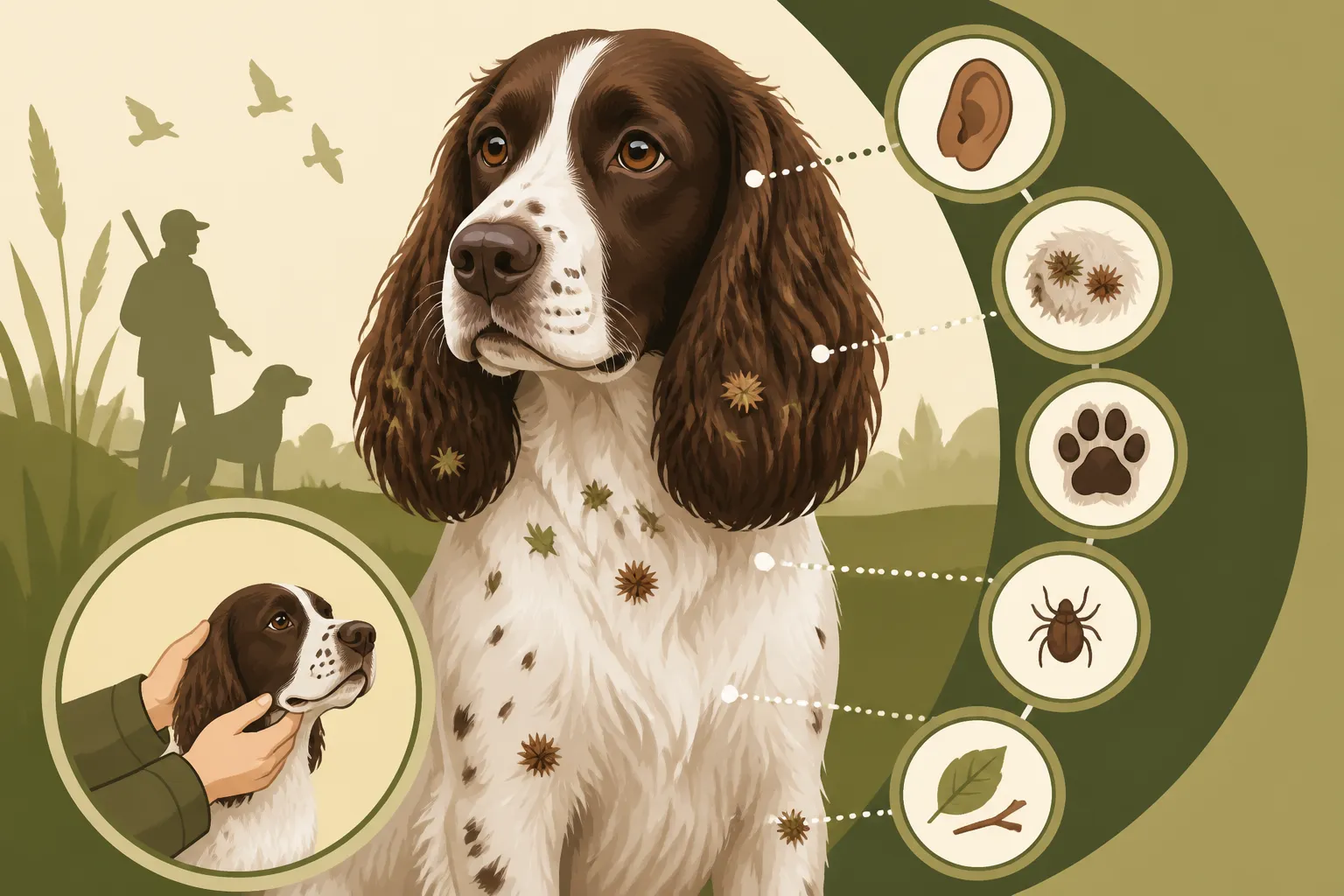
After a romp through fields and woods, your Springer's coat can look like a mobile garden. Burrs, seeds, and twigs cling tenaciously to their long feathering. These aren't just an aesthetic nuisance; burrs can pull and tug at the skin, causing pain and irritation. If left in place, they can form tight mats that are incredibly difficult to remove without cutting or causing further discomfort. A stiff brush is your best friend here, working section by section to detangle and remove debris. For particularly stubborn burrs, a de-matting comb or even a little cornstarch to help them slide out can be useful.
Ticks are another serious concern. These tiny arachnids love to cling to tall grass and brush, waiting for a host to pass by. They latch on and feed, potentially transmitting diseases like Lyme disease, Anaplasmosis, or Ehrlichiosis. You need to systematically run your hands over your dog's entire body, feeling for small bumps. Ticks often prefer warm, hidden areas like behind the ears, in the armpits, groin, or between the toes. If you find a tick, remove it carefully with fine-tipped tweezers or a specialized tick removal tool, grasping it as close to the skin as possible and pulling straight up. Dispose of it properly and clean the bite site. Burrs, Ticks and Grass Awns in a Working Springer Spaniel covers these nuisances in more detail. Fleas are less common in the field but can be picked up, so keep an eye out for "flea dirt" (small black specks) in their coat.
Spotting Skin Irritations, Cuts, and Hot Spots
As you're brushing and feeling through their coat, you're not just looking for hitchhikers; you're looking for injuries to the skin itself. Small cuts, scrapes, or punctures from thorns and sharp branches are common, especially on the legs, chest, and belly where the fur might be thinner or parts more easily. Part the fur and examine any red or irritated areas. Small scratches can be cleaned with a mild antiseptic solution. Deeper punctures or lacerations, particularly those that are bleeding heavily, deep, or wide, warrant immediate veterinary attention.
Sometimes, irritation from plants or insect bites can lead to a "hot spot" – a rapidly expanding, red, moist, and painful lesion where the dog has chewed or licked excessively. These can develop very quickly, especially under damp or matted fur. If you find one, gently clean the area, trim the fur around it to allow it to air dry, and apply a pet-safe antiseptic cream. However, hot spots often require veterinary intervention, including medication, to heal properly and prevent recurrence. Why a Springer Spaniel Licks Its Paws Raw could be a precursor to a hot spot on the feet. Also, be aware of any general redness, rashes, or excessive itchiness, which could indicate an allergic reaction to plants or other environmental factors, particularly if your Springer is prone to Whether a Springer Spaniel Gets Skin Allergies.
Post-Check Care and Prevention Strategies
A thorough inspection is just one piece of the puzzle. What you do after the check, and what you do before heading out, can significantly impact your Springer Spaniel's health and comfort. Prevention truly is worth a pound of cure when it comes to active dogs and outdoor adventures.
Essential Grooming Tools and Routines
Having the right tools on hand makes the post-cover check and clean-up much easier. A good quality slicker brush, a metal comb (especially a fine-toothed flea comb for smaller debris), blunt-nosed scissors for carefully cutting out stubborn mats, and a detangling spray are indispensable. For their ears, a vet-recommended ear cleaner and cotton balls or pads are crucial. For their eyes, sterile saline solution is a must. And don't forget a tick removal tool. Many of these items are readily available from online retailers like Amazon or pet stores such as Chewy.
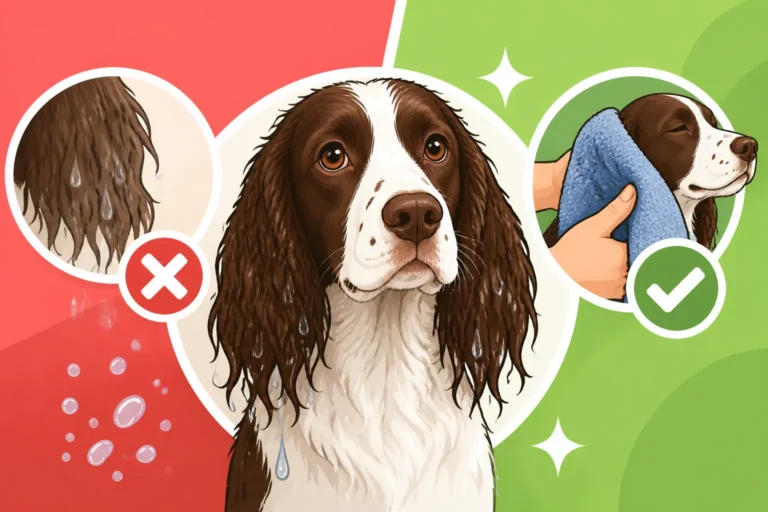
After your hands-on inspection and debris removal, a good bath might be in order, especially if your Springer has been in muddy or marshy areas. How Often a Working Springer Spaniel Needs Washing depends on how dirty they get, but consistent cleaning after heavy cover work helps prevent skin irritation and keeps their coat healthy. Always use a dog-specific shampoo that won't strip their natural oils. If they've been swimming, paying extra attention to drying their ears is critical. Drying a Springer Spaniel's Ears After Swimming helps prevent those recurring ear infections. Keeping their feathering brushed regularly, even on non-hunting days, also helps prevent mats that can trap debris.
Proactive Measures Before the Hunt
Preparation is key to minimizing risks. Before heading into heavy cover, consider applying a good quality tick and flea preventative. Many options exist, from topical treatments to oral medications, and your veterinarian can help you choose the best one for your dog's lifestyle and local parasite risks. For working dogs, ensuring their nails are trimmed short is important, as long nails can snag and tear. Keeping a Working Springer Spaniel's Nails Short is a small but important detail.
For extremely dense or thorny cover, some owners opt for protective vests or chest plates for their working Springers. These can prevent cuts and abrasions to the chest and belly. While a Springer Spaniel’s coat offers some protection, extra layers can be beneficial in harsh environments. Additionally, carrying a small "first aid kit" with you in the field – including saline, antiseptic wipes, and vet wrap – means you can address minor issues immediately. Adequate hydration before and during the outing is also vital for your dog's overall well-being.
Knowing When to Call the Vet
While you can handle many minor issues at home, it's crucial to know when a situation warrants professional veterinary attention. Don't hesitate to call your vet if you observe any of the following:
- Persistent Lameness or Obvious Pain: If your dog is consistently limping, refusing to put weight on a paw, or crying out when an area is touched.
- Deep Punctures or Lacerations: Wounds that are wide open, bleeding heavily, or appear deep, especially if you suspect a foreign object is still embedded.
- Eye Injuries: Any cloudiness in the eye, significant redness, continuous squinting, or a suspected corneal ulcer.
- Severe Ear Issues: Excessive discharge, strong odor, significant swelling, or if your dog is in severe pain. You'll definitely want to look at What Treating a Springer Spaniel's Ear Infection Costs if it gets bad.
- Unusual Lumps or Swellings: Especially if they are painful to the touch or appear suddenly.
- Signs of Illness: Lethargy, loss of appetite, vomiting, diarrhea, or any other systemic signs that your dog is unwell.
- Concern about Tick-Borne Diseases: If you find many ticks, or if your dog develops fever, joint pain, or lethargy in the weeks following tick exposure.
- Unusual Reactions: Any severe skin rash, hives, or signs of an allergic reaction.
A quick call to your vet can often provide peace of mind or ensure timely treatment, preventing a small problem from becoming a much larger, more expensive one. It’s always better to be safe than sorry, especially when it comes to the health of your beloved Springer. The cost of an emergency vet visit, as outlined in What an Emergency Vet Visit Costs for a Springer Spaniel, can be significant, reinforcing the value of proactive care.
Disclaimer
This article is for general informational purposes only and does not constitute professional advice. Laws, prices and regulations vary by location and change over time. Consult a qualified professional for guidance on your specific situation.