Whether a Springer Spaniel Gets Skin Allergies
It’s truly heartbreaking when your normally happy, energetic Springer Spaniel suddenly starts scratching themselves incessantly, chewing at their paws until they're red and irritated, or developing strange rashes. You spend countless hours wondering if it’s just a temporary itch, a reaction to something new, or a more serious, chronic issue. This guide is dedicated to helping you understand why Springer Spaniels are indeed susceptible to skin allergies, how to spot the signs, and what steps you can take to bring your beloved companion relief.
Why Springer Spaniels Are Particularly Prone to Skin Allergies
Many Springer Spaniel owners, myself included, have stood in frustration watching our otherwise robust dogs suffer from itchy, irritated skin. It’s not just bad luck; there are some very real, breed-specific reasons why our Springers seem to be magnets for skin allergies. Their genetics, their fabulous coats, and even their natural inclinations all play a role in making them more susceptible.
Genetic Predisposition to Atopic Dermatitis
One of the primary reasons Springer Spaniels often face skin challenges is a genetic predisposition to atopic dermatitis, or environmental allergies. This is essentially an inherited tendency to develop allergic reactions to common substances in their surroundings. Think of it like hay fever in humans, but instead of sneezing, their skin reacts. This condition means their immune system overreacts to otherwise harmless allergens like pollen, dust mites, mold spores, or even certain grasses. It's a frustrating genetic hand dealt to many purebred dogs, and Springers are no exception. The result is often an inflammatory response in the skin, leading to that maddening itch that drives both dogs and their owners crazy. It’s a chronic condition, meaning it’s something you’ll often manage throughout your dog’s life rather than cure.
Their Wonderful, Yet Problematic, Coat and Ears
We all adore the lush, feathery coats of our Springers, and those long, expressive ears are simply irresistible. However, these very features, while beautiful, can unfortunately create perfect breeding grounds for skin problems. The dense undercoat and longer feathering around the legs, chest, and belly can trap moisture, dirt, and allergens against the skin, making it difficult for the skin to breathe and dry properly. This trapped moisture, especially after a swim or a romp in damp grass, can lead to bacterial or yeast overgrowths, which then exacerbate the allergic response. Furthermore, their pendulous ears, while adorable, are notorious for trapping moisture and debris, making them highly susceptible to recurrent ear infections. It’s a classic Springer problem, and often, these ear issues are actually symptoms of underlying skin allergies. If you've ever battled with persistent ear trouble, you might be interested in exploring more about why a Springer Spaniel's ears are never quite healthy.
Lifestyle Factors: The Active, Nose-to-the-Ground Life
Springer Spaniels are active dogs, bred to work in the field, with an insatiable desire to put their noses to the ground and explore every nook and cranny. This wonderful trait means they are constantly exposed to environmental allergens. They're plunging through tall grasses, sniffing in dusty corners, and rolling in whatever fascinating (and often irritating) things they discover. This close contact with their environment, while fulfilling their breed instincts, unfortunately increases their exposure to potential triggers for allergic reactions. A field-bred Springer, for instance, might be more prone to grass allergies simply because they spend so much time immersed in it. This active outdoor lifestyle, coupled with their breed's inherent skin sensitivities, often creates a perfect storm for allergic flare-ups.
Decoding the Different Types of Skin Allergies Affecting Springer Spaniels
When your Springer is constantly itching, it’s not always obvious what’s causing the distress. Skin allergies in dogs aren't a one-size-fits-all problem; they come in several forms, each with its own set of triggers and challenges. Understanding these different types is the first step toward finding effective relief for your furry friend.
Environmental Allergies Atopic Dermatitis
As mentioned, environmental allergies, or atopic dermatitis, are incredibly common in Springer Spaniels. These are reactions to airborne particles that your dog inhales or that come into contact with their skin. Common culprits include tree pollen, grass pollen, weed pollen, dust mites, and mold spores. The symptoms tend to be seasonal if linked to pollen, but dust mites and mold can cause year-round issues. The constant itching, licking, and chewing often manifest on the paws, belly, armpits, and ears. Many owners will notice their Springer Spaniel licking its paws raw, an unmistakable sign of environmental irritation. It's a persistent, frustrating condition that requires a dedicated approach to management, especially if your Springer loves to be outdoors.
Food Allergies and Sensitivities
While less common than environmental allergies, food allergies and sensitivities can also cause significant skin problems in Springer Spaniels. This isn't about an upset stomach (though that can happen too); it's an immune reaction to specific proteins in their diet. Common food allergens for dogs include chicken, beef, dairy, wheat, and soy. The challenging part about food allergies is that symptoms can mimic environmental allergies, making diagnosis tricky. Dogs might show itching, skin inflammation, ear infections, or even gastrointestinal upset. The only way to truly diagnose a food allergy is through a strict elimination diet, which involves feeding a novel protein or hydrolyzed protein diet for several weeks to see if symptoms resolve. This can be a long and arduous process, as you learn more about running an elimination diet on a Springer Spaniel.
Flea Allergy Dermatitis
Don't underestimate the power of a tiny flea! Flea allergy dermatitis (FAD) is one of the most common allergies in dogs, and Springer Spaniels are just as susceptible. Unlike a regular flea bite, which causes a minor itch, a dog with FAD has an extreme allergic reaction to the proteins in flea saliva. This means even a single flea bite can trigger intense itching, redness, and inflammation that lasts for days or even weeks. The itching is often concentrated around the base of the tail, hindquarters, and inner thighs, but can spread. You might see scabs, hair loss, and secondary skin infections. The key to managing FAD is rigorous flea prevention year-round, not just when you think you see fleas. Consistent use of veterinarian-recommended flea and tick preventives is essential.
Spotting the Telltale Signs: How to Recognize Skin Allergies in Your Springer
Recognizing skin allergies in your Springer Spaniel can sometimes feel like playing detective. The signs can be subtle at first, or they can erupt dramatically. Knowing what to look for, beyond just "my dog is itchy," can help you intervene sooner and get your Springer the relief they desperately need.
The Itch Cycle: Licking, Chewing, and Scratching
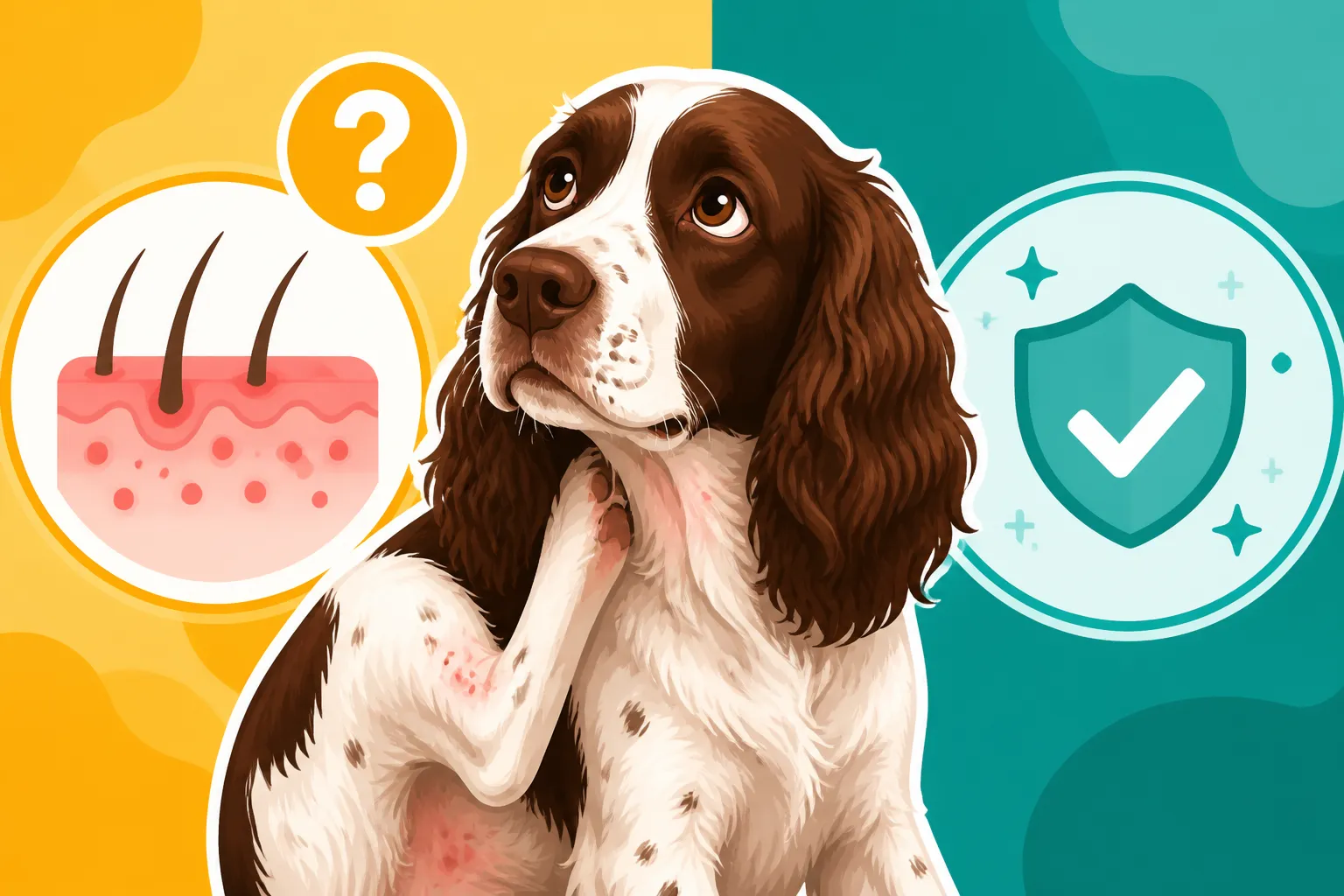
The most obvious sign of an allergy is persistent itching. Your Springer might start scratching with their hind legs, rubbing against furniture, or gnawing at specific spots on their body. You might frequently notice your Springer Spaniel licking its paws raw, or obsessively chewing at their inner thighs or around their tail. This isn't just a habit; it's a desperate attempt to relieve profound discomfort. The constant self-trauma leads to a vicious cycle: itching causes inflammation, which causes more itching, and the skin barrier becomes compromised, making it even more vulnerable to allergens and secondary infections. Pay close attention to where they are itching, as this can sometimes offer clues to the type of allergy.
Visible Skin Changes and Secondary Issues
Beyond the itching, you'll start to see visible changes to your Springer's skin and coat. These can include:
- Redness and Inflammation: Areas of the skin will appear pink or red, especially where they’ve been scratching or licking excessively.
- Rashes and Bumps: Small red bumps, hives, or a general rash might appear on the skin.
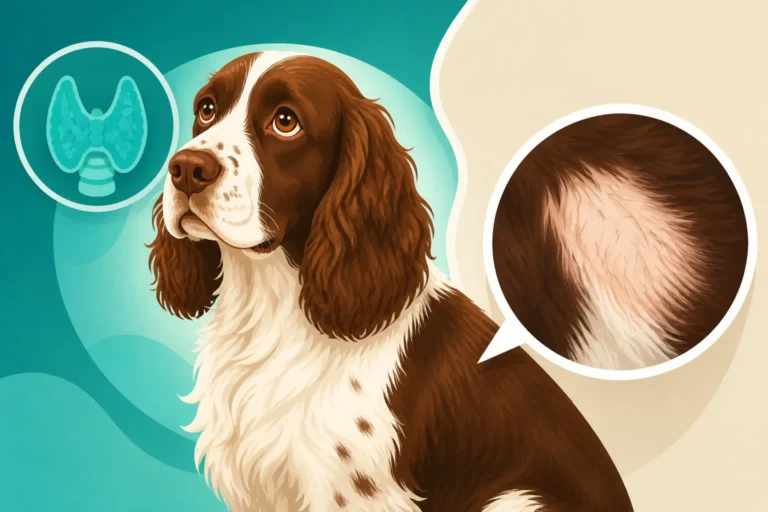
- Hair Loss: Due to constant licking, chewing, and scratching, you’ll likely notice thinning hair or bald patches, particularly on the belly, paws, and flanks.
- Thickened, Darkened Skin (Lichenification): In chronic cases, the skin can become thickened, leathery, and develop a darker, almost elephant-like texture. This is often seen in the armpits or groin.
- Greasy or Oily Coat: Some Springers with allergies, particularly those prone to yeast overgrowth, can develop a greasy or oily coat, often accompanied by a distinct, yeasty odor. If you've noticed your Springer Spaniel gets greasy skin, allergies could be a factor.
- Hot Spots: These are acutely inflamed, often wet, red lesions that appear suddenly and can spread rapidly. They are incredibly painful and itchy and are often triggered by excessive licking or chewing in one spot due to an underlying allergy. You might notice these hot spots under a Springer Spaniel's feathering where they can go unnoticed for a short while.
- Recurrent Ear Infections: As discussed, chronic ear infections are a huge red flag for underlying allergies. If your Springer constantly has red, itchy, smelly ears, or recurrent infections requiring veterinary attention, it’s highly probable that allergies are the root cause. You should investigate whether a Springer Spaniel's ear infection is allergy driven.
Navigating Diagnosis and Long-Term Management with Your Veterinarian
Discovering your Springer Spaniel has skin allergies can feel overwhelming, but the good news is that with dedicated veterinary care and consistent management, most dogs can lead comfortable, happy lives. The journey involves accurate diagnosis and a multi-faceted approach to treatment.
The Diagnostic Journey: Ruling Out and Pinpointing
The first and most crucial step is a thorough examination by your veterinarian. They will want to rule out other potential causes of itching, such as parasites (mange mites, lice), fungal infections (ringworm), or bacterial infections (pyoderma), which can often mimic or occur secondary to allergies. Your vet might perform skin scrapings, fungal cultures, or cytology (examining cells from the skin surface under a microscope) to identify any secondary infections that need immediate treatment.
- Environmental Allergy Testing: Once other causes are ruled out, if environmental allergies are suspected, your vet might suggest allergy testing. This typically involves either a blood test (serum IgE testing) or intradermal skin testing (IDT), where small amounts of common allergens are injected under the skin to observe a reaction. These tests help identify the specific allergens your Springer is reacting to, which can inform avoidance strategies and potentially lead to immunotherapy.
- Food Elimination Trial: For suspected food allergies, a strict food elimination diet is the gold standard. This involves feeding a prescription hydrolyzed protein diet or a novel protein diet (one your dog has never eaten before) for 8-12 weeks, with absolutely no other treats or foods. If symptoms resolve, then specific ingredients are slowly reintroduced to identify the culprit. This process requires immense patience and discipline.
Comprehensive Treatment Strategies
Managing skin allergies in Springer Spaniels often requires a combination of approaches tailored to your dog's specific needs and the identified allergens. It’s rarely a single magic pill but rather a commitment to ongoing care.
- Medications for Symptom Relief:
- Antihistamines: Over-the-counter antihistamines like Benadryl (diphenhydramine) or Zyrtec (cetirizine) can sometimes help with mild itching, but they are often not strong enough for severe cases. Always consult your vet for proper dosing.
- Steroids: Corticosteroids (e.g., prednisone) are very effective at rapidly reducing inflammation and itching, but they come with potential side effects, especially with long-term use. They are usually reserved for acute flare-ups or severe cases under strict veterinary supervision.
- Immunosuppressants: Drugs like cyclosporine (Atopica) can modulate the immune system to reduce allergic reactions, offering longer-term relief without some of the steroid side effects.
- JAK Inhibitors: Medications like oclacitinib (Apoquel) specifically target the itch pathway, providing fast and effective relief for allergic itching with fewer side effects than steroids. Many owners find Apoquel for a Springer Spaniel's itch to be a game-changer.
- Monoclonal Antibodies: Lokivetmab (Cytopoint) is an injectable medication that targets and neutralizes a key protein involved in triggering allergic itch. It provides several weeks of itch relief with a very low risk of side effects.
- Immunotherapy (Allergy Shots/Drops): If specific environmental allergens are identified, your vet might recommend allergen-specific immunotherapy. This involves giving your dog gradually increasing doses of the allergens they react to, either via injections or oral drops. The goal is to desensitize their immune system over time, making them less reactive. It's a long-term treatment, often taking 6-12 months to see significant improvement, but it can be highly effective and can reduce the need for other medications.
- Topical Therapies:
- Medicated Shampoos and Conditioners: Regular bathing with hypoallergenic or medicated shampoos (e.g., containing chlorhexidine for bacterial infections, miconazole for yeast, or colloidal oatmeal for soothing) can help remove allergens from the coat, soothe irritated skin, and manage secondary infections.
- Rinses and Sprays: Antiseptic rinses or soothing sprays can be used between baths to target localized irritation or infection.
- Ear Cleaners: Consistent use of appropriate ear cleaners is vital for preventing and managing ear infections linked to allergies. You can find more information on which ear cleaner suits a Springer Spaniel.
- Environmental Management: Reducing exposure to identified allergens is crucial. This might involve frequent vacuuming, washing bedding weekly, using air purifiers, or limiting outdoor time during peak pollen seasons. For grass allergies, wiping down paws and bellies after outdoor excursions can make a difference.
- Dietary Support: Even if your Springer doesn't have a true food allergy, a high-quality diet rich in omega-3 fatty acids can support skin health and reduce inflammation. Some vets might recommend specialized skin support diets. Discussing dietary changes with your vet is always best.
Dealing with chronic allergies can be a long and sometimes expensive journey, making pet insurance, like a plan from Healthy Paws, a real consideration for many owners. The costs of diagnostics, specialized diets, long-term medications, and frequent vet visits can add up quickly. Having a good pet insurance policy, such as those offered by Healthy Paws, can certainly help ease the financial burden and ensure your Springer gets the best possible care without you having to stress over every single bill. Remember, consistent communication with your veterinarian is key to successfully managing your Springer's skin allergies. They are your best resource for creating a tailored treatment plan that brings lasting comfort to your beloved companion.
| Allergy Type | Common Triggers | Primary Symptoms | Initial Management Steps |
|---|---|---|---|
| Environmental (Atopic) | Pollen (tree, grass, weed), dust mites, mold spores | Intense itching (paws, ears, belly), redness, rashes, recurrent ear infections, chronic licking | Vet visit for diagnosis, medicated baths, antihistamines, allergen avoidance, omega-3s |
| Food Allergy | Specific proteins (chicken, beef, dairy, wheat, soy) | Itching (can be widespread), ear infections, gastrointestinal upset, skin inflammation | Strict elimination diet with veterinary guidance, novel protein or hydrolyzed food |
| Flea Allergy Dermatitis | Flea saliva proteins | Severe itching (tail base, hindquarters), redness, scabs, hair loss | Year-round, rigorous flea prevention, topical treatments for bites, vet prescribed preventives |
Disclaimer
The information provided in this article is for general informational purposes only and is not a substitute for professional veterinary advice. Always consult with a qualified veterinarian for any health concerns or before making any decisions related to your pet's health or treatment.