Whether a Springer Spaniel’s Eyes Should Be Flushed After Cover
It’s a common scenario for any Springer Spaniel owner: you’ve just enjoyed a fantastic romp through a field, your dog bursting through tall grasses and dense brush, nose to the ground, tail wagging furiously. You get back to the car, and there it is – a little squint, a rub of the paw, a suspicious redness in one eye. Immediately, the worry sets in: did something get in there? And the next thought often follows: should I flush my Springer Spaniel's eyes right now? This isn't just a fleeting concern; it's a genuine moment of anxiety, wondering if you're about to make things better or worse. This guide is here to walk you through how to handle those moments, from knowing when flushing is a good idea to understanding when it's better to step back and seek professional help.
The Unseen Hazards Your Springer Spaniel Faces in Cover
Our beloved Springer Spaniels are born to dive headfirst into the thickest cover, their instincts driving them through brambles, tall prairie grasses, and dense woodlands. While this is a beautiful sight to behold, it also exposes their sensitive eyes to a myriad of potential irritants and hazards. It’s not just about the obvious thorn; it’s the subtle, insidious threats that often cause the most trouble.
Think about a typical outing: your Springer is tirelessly quartering your yard without being asked, pushing through every bit of undergrowth. As they do, tiny particles become airborne. Dust, fine pollen from flowering plants, minute bits of bark, and even microscopic spores from fungi can all irritate the eye. Imagine the irritation you feel when a speck of dust gets in your own eye; your Springer feels it too, but they can't simply reach for eyedrops. Their eyes are vulnerable because of their low-to-the-ground working style and the often-thick hair around their face, which, while protective to a degree, can also collect debris.
Beyond simple irritants, there are more dangerous intruders. Grass awns, those barbed seed heads from certain grasses, are particularly notorious. They are designed by nature to burrow forward, and once they get into an eye, they can cause significant damage, embedding themselves in the conjunctiva or even scratching the cornea. Similarly, tiny thorns from rose bushes or thistles, or small, sharp twigs, can also become lodged. These aren't just uncomfortable; they can quickly lead to painful infections, ulcers, or even permanent vision damage if not addressed promptly and correctly. Burrs, Ticks and Grass Awns in a Working Springer Spaniel delves into other hazards, but the eyes are perhaps the most delicate area.
Then there's the mud and water. A muddy puddle or a dip in a stagnant pond can introduce bacteria and other microorganisms directly into the eye. While a quick splash might seem refreshing, contaminated water is a common culprit behind eye infections. Knowing what your dog has been through – whether it's a dusty trail, a marshy field, or a thorny thicket – helps you anticipate the kind of potential eye troubles you might be facing. This proactive thinking is key to preventing minor irritations from escalating into serious problems.
Inspecting Your Springer Spaniel's Eyes: A Step-by-Step Approach
Before you even think about flushing, a thorough inspection is your first and most crucial step. Rushing to flush without knowing what you're flushing out, or if there's something lodged that could be pushed deeper, is a common mistake many well-meaning owners make. The goal here is to assess the situation calmly and effectively. This routine should become second nature, much like your post-hunt After the Hunt: Checking a Springer Spaniel Over Nose to Tail inspection.
Setting the Scene for Inspection
First, find a well-lit area. Natural daylight is ideal, but a bright lamp or even a flashlight can work wonders in helping you see clearly into your dog's eye. Ask your Springer to sit or lie down in a comfortable position. Some dogs are naturally more tolerant of their face being handled than others, so approach gently and speak in a reassuring tone. You might need a second person to help gently hold your dog steady, especially if they are squirming or trying to paw at their face. Remember, their discomfort might make them less cooperative than usual.
Begin by gently examining the outside of the eye area. Look for any swelling, redness in the surrounding skin, or discharge on the fur around the eye. Is the fur matted or wet from tears? This can indicate ongoing irritation. Check for any foreign material stuck to the eyelashes or eyelid margins.
The Inner Eye Examination
Now for the tricky part: looking into the eye itself. With clean hands, gently use your thumb to roll down the lower eyelid, exposing the pink conjunctiva beneath. Look for any redness, swelling, or visible foreign bodies. Then, use your thumb and forefinger to carefully raise the upper eyelid, allowing you to see more of the eyeball surface. Pay close attention to the white of the eye (sclera) for any bloodshot areas, and to the clear surface of the eye (cornea) for cloudiness, scratches, or embedded particles.
Keep an eye out for any clear or watery discharge, which often signifies irritation, or yellow/green discharge, which is a strong indicator of infection. Is your dog squinting, blinking excessively, or trying to rub their face against furniture or your leg? These are all tell-tale signs of discomfort. If you see a small, loose particle like dust or a single piece of pollen, a gentle flush might be appropriate. However, if you see something embedded, a deep scratch, significant cloudiness, or any yellow/green discharge, stop. Do not attempt to flush, as you risk causing more harm. In these cases, it's time to call your veterinarian.
The Pros and Cons of Flushing Your Springer's Eyes
Flushing your Springer Spaniel's eyes can be incredibly helpful in certain situations, offering immediate relief and preventing further irritation. However, it's not a cure-all, and improper technique or using the wrong solution can actually exacerbate the problem. It’s a delicate balance, and knowing when to act and when to hold back is paramount.
When Flushing Can Help and How to Do It Right
The primary benefit of flushing is to wash away superficial irritants. If your dog has merely gotten some dust, loose pollen, or a small, non-embedded speck of dirt in their eye, a gentle flush can often provide instant relief. It helps lubricate the eye, easing the discomfort and allowing the natural tear production to work more effectively.
When you do decide to flush, the type of solution you use is critical. Never use tap water. Tap water is not sterile, can contain chemicals (like chlorine), and has a different pH and tonicity than your dog's tears, which can actually irritate the eye further or even damage delicate corneal cells. Always opt for a sterile saline solution specifically designed for ophthalmic use. You can find these at most pharmacies, pet stores, or readily available on online retailers like Chewy or Amazon. Make sure it's a plain saline solution, not one with medication or redness relievers, unless specifically prescribed by your vet.
Here’s how to do it correctly:
- Preparation: Have your sterile saline solution ready. If your dog is anxious, wrap them gently in a towel to prevent sudden movements, or have a helper.
- Positioning: Tilt your dog's head slightly backward and to the side, with the affected eye facing upwards. This helps gravity guide the solution away from the tear duct and out of the eye.
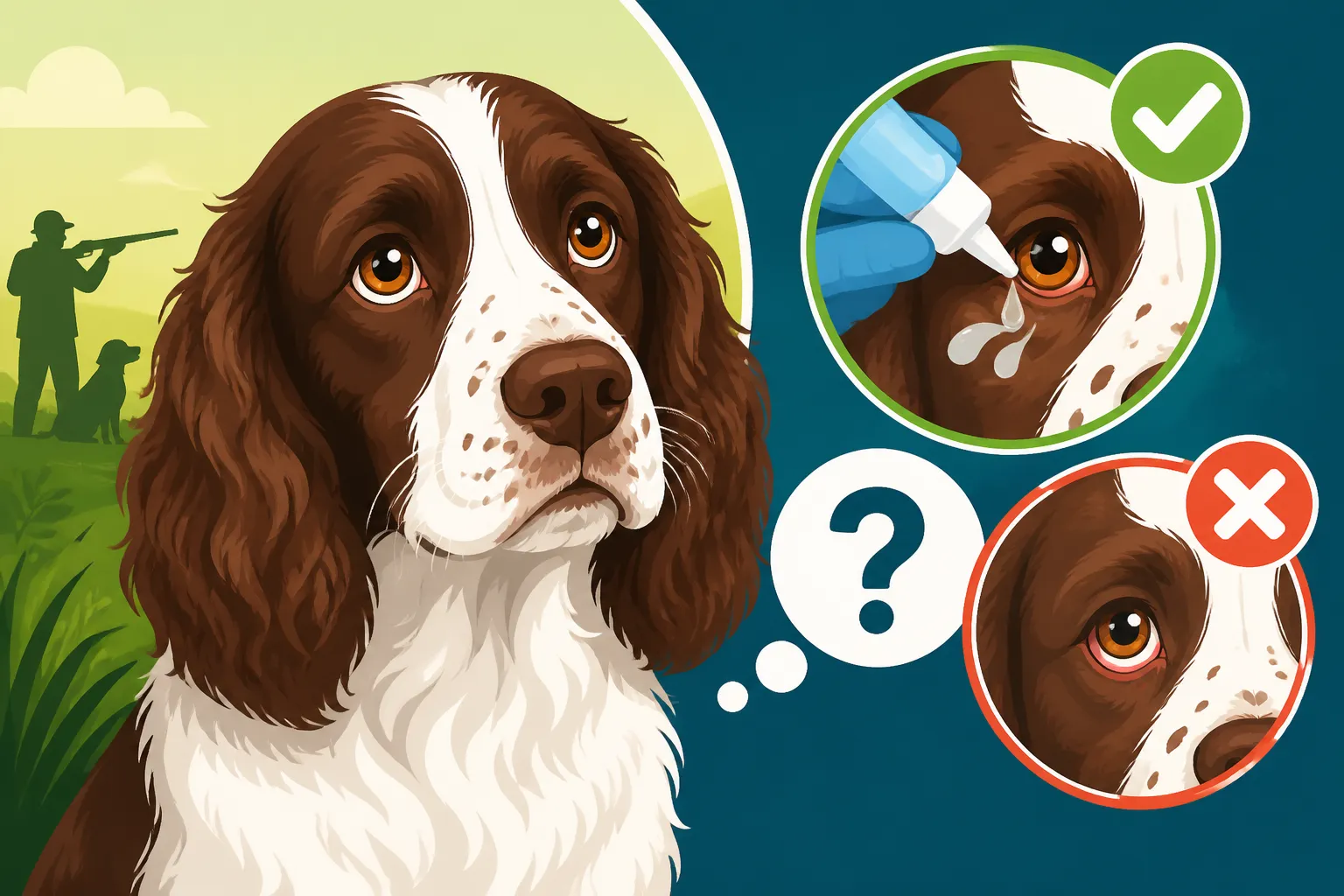
- Application: Hold the bottle of saline solution about an inch or two above the eye. Gently hold your dog's eyelids open with one hand. With the other, apply a steady stream of solution into the eye, starting from the inner corner (near the nose) and sweeping towards the outer corner. Use a generous amount to ensure a good wash.
- Aftercare: Allow your dog to blink naturally. You can gently wipe away any excess solution or debris with a clean, soft cloth or cotton ball. Observe their eye for a few minutes. Is the redness subsiding? Is the squinting lessening?
The Risks and What to Avoid
While flushing can be beneficial, it's not without its risks. The biggest danger is attempting to flush out something that is deeply embedded or sharp. Doing so can push the object further into the eye, cause a corneal scratch or ulcer, or exacerbate an existing injury. If you suspect a serious injury, or if the foreign body is not easily visible or doesn't rinse away, resist the urge to flush further.
Another risk comes from using incorrect solutions. As mentioned, tap water is a no-go. Also avoid hydrogen peroxide, alcohol, or any human eye drops not specifically approved by a vet for canine use. These can cause severe pain and damage to your dog's eye.
Finally, consider your dog's temperament. If your Springer Spaniel is highly stressed or reactive to their face being touched, attempting to flush their eyes could cause them to struggle violently, potentially leading to accidental injury to themselves or you. In such cases, a trip to the vet, where they have specialized tools and techniques for restraint and examination, is always the safer option.
| Aspect | Safe Practice for Eye Flushing | Unsafe Practice for Eye Flushing |
|---|---|---|
| Solution Used | Sterile saline solution (ophthalmic grade, for dogs or humans) | Tap water, hydrogen peroxide, alcohol, human medicated eye drops |
| Technique | Gentle, steady stream from inner to outer corner | Forceful squirts, rubbing the eye, flushing with embedded objects |
| When to Do It | For superficial dust, pollen, loose debris | For embedded objects, deep scratches, severe pain, colored discharge |
| Observation | Monitor for immediate relief, reduced redness, less squinting | Ignoring signs of worsening irritation or continued discomfort |
| Dog's Reaction | If cooperative and calm | If stressed, struggling violently, or fear-biting |
| Post-Flush Action | Consult vet if symptoms persist or worsen | Assuming problem is solved if not clearly better |
Prevention and Knowing When to Call the Vet
An ounce of prevention is worth a pound of cure, especially when it comes to your Springer Spaniel's eyes. Given their active, cover-loving nature, taking some proactive steps can significantly reduce the chances of eye injuries and irritations. Moreover, understanding the warning signs that warrant immediate veterinary attention is crucial. Whether a Springer Spaniel Needs a Yearly Eye Exam covers the importance of routine checks, but acute issues require swift action.
Proactive Eye Care for Your Active Springer
Regular grooming plays a surprisingly large role in eye health. Many Springer Spaniels have fine, wispy hair around their eyes that can easily collect debris or even grow inward, causing irritation. Carefully trimming this hair with blunt-nosed scissors (or having your groomer do it) can prevent many minor issues. However, be extremely cautious when doing this yourself, as a sudden movement from your dog could result in injury.
For Springers who are truly diving into dense, thorny cover, you might consider protective eyewear. Yes, "doggles" exist! While not all dogs tolerate them, for some working dogs or those prone to repeated eye injuries, doggles can provide an invaluable layer of protection against thorns, branches, and even harsh UV light. It's an investment, but one that could save a lot of pain and vet bills.
Routine ear cleaning, as discussed in Why a Springer Spaniel's Ears Are Never Quite Healthy, can also indirectly benefit eye health. Infected ears can lead to head shaking, which can sometimes dislodge debris into the eyes or cause trauma. Keeping the entire head area clean and healthy minimizes the risk of secondary problems. After a day in very dusty or potentially contaminated environments, a gentle wipe around the eyes with a moist cotton ball (using only plain water or saline) can help remove external grime before it has a chance to migrate into the eye.
Recognizing the Red Flags for a Vet Visit
Even with the best preventative measures and careful home flushing, some eye problems are simply beyond home care. Knowing when to pick up the phone and schedule an emergency visit is paramount, as eye issues can escalate rapidly and threaten your dog's vision.
Here are the critical signs that mean it's time to see the vet immediately:
- Persistent Squinting or Pawing: If your Springer continues to squint, blink excessively, or paw at their eye for more than a few hours after a suspected irritation, or if flushing doesn't bring clear relief.
- Thick or Colored Discharge: While clear, watery discharge can be from simple irritation, any yellow, green, or thick pus-like discharge is a strong indicator of infection and requires veterinary antibiotics or other treatments.
- Redness and Swelling: Significant redness of the white part of the eye, or swelling around the eyelids, suggests inflammation or infection that needs professional diagnosis.
- Cloudiness or Change in Eye Appearance: If the clear surface of the eye (cornea) appears cloudy, blueish, or opaque, it could indicate a corneal ulcer or other serious injury. Any visible change in the shape or size of the eyeball itself is also a major red flag.
- Visible Foreign Body: If you can see a foreign object clearly embedded in the eye, or if it's large, sharp, or doesn't rinse out easily, do not try to remove it yourself. This is a job for a veterinarian. Trying to remove it can cause further damage.
- Sensitivity to Light: If your dog is shying away from light, keeping their eyes closed in bright rooms, or generally acting as if light causes them pain, this points to significant ocular discomfort.
- The Third Eyelid Is Showing: If the "third eyelid" (nictitating membrane) in the inner corner of the eye is prominently visible and covering a significant portion of the eye, especially for an extended period, it can be a sign of pain, illness, or injury.
- Blindness or Vision Loss: Any sudden onset of clumsiness, bumping into objects, or other signs of vision loss must be addressed by a vet immediately. Conditions like Primary Glaucoma and the Springer Spaniel That Loses an Eye can progress very quickly. Additionally, breeders screen for issues like Retinal Dysplasia in a Springer Spaniel, but acute vision changes need prompt attention.
When in doubt, always err on the side of caution and consult your veterinarian. They have the specialized tools, knowledge, and experience to properly diagnose and treat eye conditions, ensuring the best possible outcome for your beloved Springer Spaniel.
Disclaimer
This article is for general informational purposes only and does not constitute professional advice. Laws, prices and regulations vary by location and change over time. Consult a qualified professional for guidance on your specific situation.