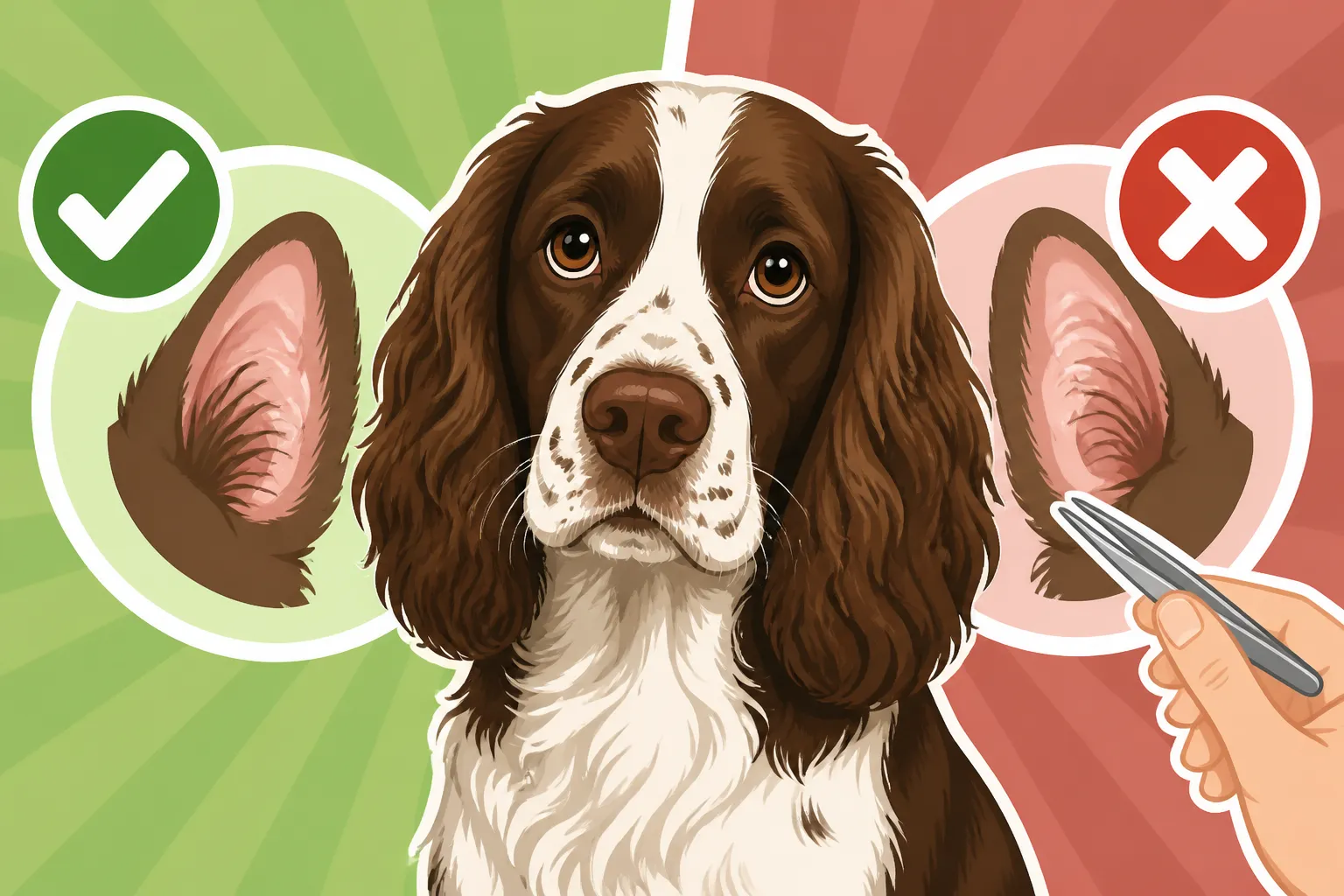
Whether Ear Hair Should Be Plucked on a Springer Spaniel
The question of whether to pluck your Springer Spaniel's ear hair is one that stirs quite a debate among owners, breeders, and even veterinarians. Many of us grapple with our beloved Springers' notorious ear troubles, wondering if pulling out those pesky hairs is the key to finally achieving healthy, clear ear canals. This guide aims to clear up the confusion, exploring the different perspectives and offering practical advice on managing your Springer's ear health effectively, without causing more problems than you solve.
The Anatomy of a Springer Spaniel's Ear and Its Unique Challenges
Let's be honest, those beautiful, long, floppy ears are part of what makes our Springer Spaniels so endearing. But what makes them charming also makes them a hotbed for potential problems. Understanding the unique structure of a Springer's ear is the first step in appreciating why ear care is such a critical topic.
The "Drop Ear" Design and Its Impact
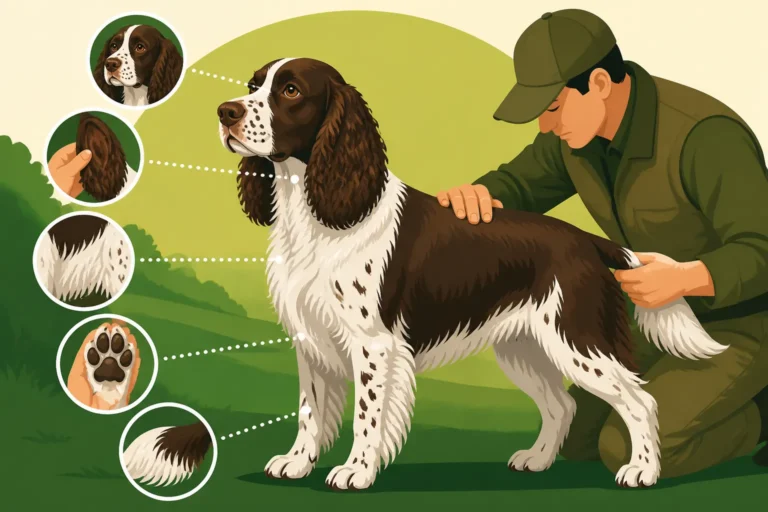
Unlike breeds with erect ears, your Springer Spaniel has pendulous, or "drop," ears. These ears are heavy, often adorned with long, silky feathering, and they hang down, effectively sealing off the ear canal from much-needed air circulation. Imagine wearing a thick, warm hat constantly – that's a bit like what your Springer's ear canal experiences. This design naturally creates a warm, dark, and often humid environment deep within the ear. It's an enclosed space, and that lack of ventilation means moisture and heat can easily get trapped, leading to a host of issues. This inherent design is a significant factor in why Springer Spaniels are so prone to ear infections and irritation.
This isn't just about appearance; it's about physics and biology. The air cannot flow freely down into the canal to dry it out, as it would in a German Shepherd or a Corgi. Instead, any moisture – from bathing, swimming, or even just humidity in the air – tends to linger. Combine that with the body heat emanating from your dog, and you've got an environment that's practically tailor-made for certain microscopic residents to thrive. It's a constant battle against nature, and it's why we, as Springer owners, need to be extra vigilant about ear health.
Why Moisture and Warmth Create a Breeding Ground
That warm, moist, dark environment we just discussed is precisely what yeast and bacteria adore. These opportunistic organisms are always present on a dog's skin and in their ears, but in small, manageable numbers. When the conditions become ideal – i.e., warm and moist with restricted airflow – they can multiply rapidly, leading to an overgrowth. This overgrowth is what triggers those familiar, frustrating, and often painful ear infections.
Think about it: after a swim in the lake, a romp in dewy grass, or even a simple bath, water can easily get trapped deep within the ear canal. If it's not allowed to dry out quickly, it sets the stage for trouble. This is why many owners swear by drying solutions and careful towel work after any water exposure. You'll often hear us talk about Why a Springer Spaniel's Ear Traps Moisture, and it really boils down to this lack of air circulation. The trapped moisture, combined with the normal ear wax and shedding skin cells, creates a perfect nutrient-rich soup for infection-causing microbes. It's a cycle that, once started, can be incredibly difficult and expensive to break, with symptoms ranging from incessant scratching and head shaking to a foul odor and discharge.
The Traditional View: Why Some Advocate for Ear Hair Plucking
For years, and even still today in some circles, ear hair plucking has been a common practice, especially for breeds with drop ears and abundant ear hair like our Springers. The reasoning behind it seems logical at first glance, promising a solution to those chronic ear woes.
The Argument for Improved Airflow
The primary argument for plucking ear hair is that it opens up the ear canal, allowing for better air circulation. Proponents believe that by removing the dense hair that grows inside the canal, you are effectively "unplugging" the ear, letting air flow in and moisture evaporate more easily. This, in theory, should lead to a drier, healthier ear environment, making it less hospitable for yeast and bacteria.
Many groomers and long-time owners adopted this practice believing it was a proactive measure against infections. They saw the thick tufts of hair as blockages, much like a clogged drain. Removing them, they reasoned, would naturally prevent the buildup of gunk and reduce the chances of infection. It was a well-intentioned practice, rooted in the desire to provide relief for dogs prone to ear issues. For some dogs, particularly those with exceptionally dense and matted hair deep inside the canal, there might have been a perceived short-term benefit, leading to the continuation of the practice.
Reducing Wax and Debris Buildup
Another common justification for plucking is that ear hair acts like a magnet for wax, dirt, and foreign bodies. When the ear canal is full of hair, it's easier for ear wax to get caught and accumulate, forming sticky mats that can block the canal even further. Furthermore, for our active Springers who love to explore, ear hair can snag debris like dust, tiny seeds, and even dreaded grass awns, trapping them deep within the ear where they can cause severe irritation and infection.
By removing this hair, the thinking goes, you make it much harder for such blockages to form. A clean, hair-free canal would hypothetically allow wax to migrate out more easily and would offer fewer anchor points for external debris. It's argued that a plucked ear is also much easier to clean effectively, as swabs and cleaning solutions can reach deeper into the canal without being hindered by matted hair. This makes sense from a practical standpoint, especially if you’ve ever tried to clean an ear canal choked with dense, sticky hair.
The Counter-Argument: The Risks and Downsides of Plucking
Despite the seemingly logical arguments for plucking, modern veterinary science and experienced groomers have largely shifted away from advocating for routine ear hair plucking. The risks and potential downsides often outweigh any perceived benefits, and can even exacerbate the very problems you're trying to prevent.
Pain, Inflammation, and Micro-Trauma
Plucking ear hair is, quite simply, painful for your dog. Imagine having hair pulled from a sensitive area of your own body – it's uncomfortable at best, and agonizing at worst. The lining of a dog's ear canal is extremely delicate and sensitive. Each hair follicle is attached to tiny nerves and blood vessels. When you yank out a hair, you're not just removing the hair; you're causing trauma to the follicle.
This trauma leads to immediate pain and inflammation. The delicate skin lining the ear canal can develop microscopic tears or abrasions, turning it from a healthy barrier into an open invitation for infection. The act of plucking itself can cause your Springer undue stress, making future ear care a terrifying ordeal for them. If your dog is squirming and yelping during the process, it's a clear sign that you're causing discomfort, and that discomfort often leads to an irritated and inflamed ear canal, which is the exact opposite of what we want for a healthy ear.
Increased Risk of Infection and Scar Tissue
Perhaps the most significant downside to ear hair plucking is that it can actually increase the risk of ear infections. When those hair follicles are traumatized by plucking, they become inflamed and tiny open wounds are created. These open follicles are perfect entry points for bacteria and yeast, especially since the ear canal is already a warm, moist environment. Instead of preventing infection, plucking can inadvertently introduce pathogens and create a fertile ground for them to thrive.
Repeated plucking over time can also lead to chronic inflammation, thickening of the ear canal lining, and even the formation of scar tissue. This scar tissue can actually narrow the ear canal, making it even harder for air to circulate and for natural debris to exit. This is a concerning issue, as it can worsen chronic ear problems and make treatment more challenging. You might be interested in learning Whether a Springer Spaniel's Ear Canal Narrows Over Time, and plucking is a definite contributor to this unfortunate outcome. The goal is to keep the ear canal healthy and open, but aggressive plucking can often achieve the exact opposite, trapping more moisture and creating a breeding ground for recurrent, painful infections.
Alternative Approaches to Managing Ear Health
Given the potential downsides of plucking, it's crucial for Springer Spaniel owners to embrace alternative, gentler, and more effective methods for maintaining ear health. The good news is that these methods are often simpler, less painful for your dog, and yield better long-term results.
Regular Cleaning and Drying Routines
This is the cornerstone of good ear hygiene for any Springer Spaniel. Consistent, gentle cleaning helps remove excess wax and debris, preventing buildup and creating a less inviting environment for opportunistic microbes. The key is "consistent" and "gentle." You don't want to overdo it, nor do you want to ignore it until there's a problem.
For routine cleaning, use a veterinarian-approved ear cleaner. These solutions are specifically formulated to break down wax and dry out the ear canal without causing irritation. You can find many excellent options through retailers like Chewy or Amazon. To clean, gently lift your Springer's ear flap, insert the tip of the cleaner bottle just into the opening of the ear canal (never force it deep inside), and squirt a generous amount of solution. Massage the base of the ear for 30-60 seconds to help break up debris. You'll likely hear a squishy sound! Then, let your Springer shake their head – this helps dislodge the solution and gunk. Finally, use a soft cotton ball or gauze wrapped around your finger to wipe away any visible wax and dirt from the outer part of the ear and the entrance to the canal. Never use cotton swabs inside the ear canal, as this can push debris deeper and potentially damage the eardrum.
Equally important is thorough drying, especially after baths or swimming. Drying a Springer Spaniel's Ears After Swimming is vital to prevent moisture from lingering. Use a soft towel to gently blot and wipe the inside of the ear flap and the entrance to the canal. If your Springer is accustomed to a low-heat hairdryer, you can carefully use it on a cool setting, holding it a safe distance away and never directing it directly into the ear canal. The goal is to get the ear as dry as possible without causing irritation. Regular checks for any signs of redness, odor, or discharge are also paramount.
Strategic Trimming vs. Plucking
Instead of plucking, which can be traumatic, a much safer and often equally effective approach is strategic trimming. This involves using blunt-nosed scissors or small clippers to carefully trim the hair that grows around the entrance of the ear canal and on the underside of the ear flap. The goal is not to create a bald canal, but to reduce bulk and allow better airflow without irritating the sensitive skin deep inside.
Think of it like clearing brush from a path rather than excavating the path itself. By trimming the excess hair, you prevent it from matting and trapping moisture or debris at the opening of the ear. It allows more air to reach the deeper parts of the canal and makes it easier for you to wipe and clean the ear effectively. If your Springer has particularly heavy feathering on the ear flaps themselves, tidying this up can also help reduce the overall weight and allow the ear to lie more openly, further improving ventilation. This should always be done with extreme caution, using proper grooming tools and ideally after being shown how by a professional groomer or your vet. It's a skill that many Springer owners choose to learn for their own Whether a Springer Spaniel Owner Can Groom at Home care.
Addressing Underlying Allergies
One of the most common, yet often overlooked, reasons for chronic ear infections in Springer Spaniels is underlying allergies. Many dogs with recurrent ear issues aren't suffering from poor grooming practices; they're reacting to something in their environment or diet. Allergies can cause inflammation throughout a dog's body, and the ears are a prime target. This inflammation can lead to increased wax production, redness, itching, and an altered microenvironment within the ear canal, making it much more susceptible to secondary yeast and bacterial infections.
If your Springer Spaniel experiences frequent ear infections, even with diligent cleaning, it's essential to discuss the possibility of allergies with your veterinarian. They might suggest a food trial with a novel protein or hydrolyzed diet, or explore environmental allergy testing. Brands like Ollie offer fresh food options which some owners report have helped manage their dog's allergy symptoms, but always consult your vet for a proper diagnosis and treatment plan. Addressing the root cause of the inflammation – the allergy – can dramatically reduce the frequency and severity of ear infections, making debates about plucking ear hair almost irrelevant. It’s a vital piece of the puzzle to understand Whether a Springer Spaniel's Ear Infection Is Allergy Driven.
Consulting Your Veterinarian and Professional Groomers
When it comes to your Springer Spaniel's ear health, professional guidance is invaluable. Don't rely solely on anecdotes or old wives' tales. A veterinarian can provide medical insights, and a professional groomer can offer practical, safe grooming techniques.
Getting an Expert Opinion and Demonstration
Before you consider any form of ear hair management, especially if your Springer is showing signs of discomfort or has a history of ear infections, the very first step should always be a visit to your veterinarian. They can thoroughly examine the ear canal with an otoscope, check for infections, foreign bodies, or other underlying issues. It's crucial to rule out any existing medical problems before you start any at-home grooming. Signs a Springer Spaniel Has an Ear Infection include redness, discharge, odor, head shaking, pawing at the ear, or pain when the ear is touched.
Once a clean bill of health is given, or any infections are treated, talk to your vet about your concerns regarding ear hair. They can assess your individual dog's ear canal and hair growth to determine if any hair removal is necessary or advisable. Some dogs have very sparse hair, others have thick tufts. Your vet might even be able to demonstrate the safest way to trim the hair at the canal's entrance, or recommend a reputable professional groomer who specializes in spaniels. A quick demonstration from a professional can make all the difference in your confidence and technique.
When Professional Intervention Is Necessary
There are times when ear care goes beyond routine cleaning and simple trimming, and that's when professional intervention becomes essential. If your Springer Spaniel has a persistent infection that isn't responding to at-home treatment, or if their ears are extremely painful, swollen, or producing a lot of discharge, a veterinary visit is non-negotiable. They might need prescription medication, specialized cleaning, or further diagnostics to get to the bottom of the issue.
A professional groomer can also be a wonderful resource. If you're uncomfortable using scissors or clippers near your dog's ears, or if your Springer is particularly sensitive, a groomer can safely perform the necessary trimming. They are skilled at handling dogs, have the right tools, and understand how to manage coats and delicate areas. Discuss your concerns with them, and they can offer services tailored to your Springer's specific needs, ensuring their ears are kept tidy and healthy without unnecessary trauma. Remember, the goal is always to prevent problems, minimize discomfort, and maintain long-term ear health for your cherished companion.
Comparing Ear Hair Management Methods
To help you visualize the different approaches, here's a comparison of plucking versus trimming versus regular cleaning for managing ear hair and overall ear health in your Springer Spaniel.
| Feature | Ear Hair Plucking (Deep Canal) | Ear Hair Trimming (Entrance Only) | Regular Ear Cleaning & Drying (No Hair Removal) |
|---|---|---|---|
| Purpose | Remove hair from deep ear canal to improve airflow & reduce debris. | Reduce hair bulk at canal entrance for better airflow & easier cleaning. | Remove wax/debris, maintain dry, healthy environment. |
| Pain Level | High – causes significant discomfort and pain. | Low to moderate – if done carefully, minimal discomfort. | Low – if done gently, well-tolerated. |
| Inflammation Risk | High – can cause micro-trauma, leading to inflammation. | Low – minimal skin irritation if done correctly. | Low – can soothe irritation if using appropriate cleaner. |
| Infection Risk | Can increase risk due to open follicles & inflammation. | Low – reduces potential for trapped moisture/debris. | Reduces risk by preventing buildup and maintaining hygiene. |
| Skill Required | High – requires precision; easy to cause damage. | Moderate – requires steady hand, blunt tools. | Low – simple technique, but consistency is key. |
| Long-Term Effect | Potential for scar tissue, narrowed canal, chronic issues. | Healthier ear canal, easier maintenance. | Crucial foundation for overall ear health. |
| Vet Recommendation | Generally not recommended by modern vets. | Often recommended for specific dogs with very dense hair. | Universally recommended for all drop-eared breeds. |
| Tools Needed | Hemostats, ear powder. | Blunt-nosed scissors, small clippers. | Vet-approved ear cleaner, cotton balls/gauze, soft towel. |
Disclaimer
This article is for general informational purposes only and does not constitute professional advice. Laws, prices and regulations vary by location and change over time. Consult a qualified professional for guidance on your specific situation.