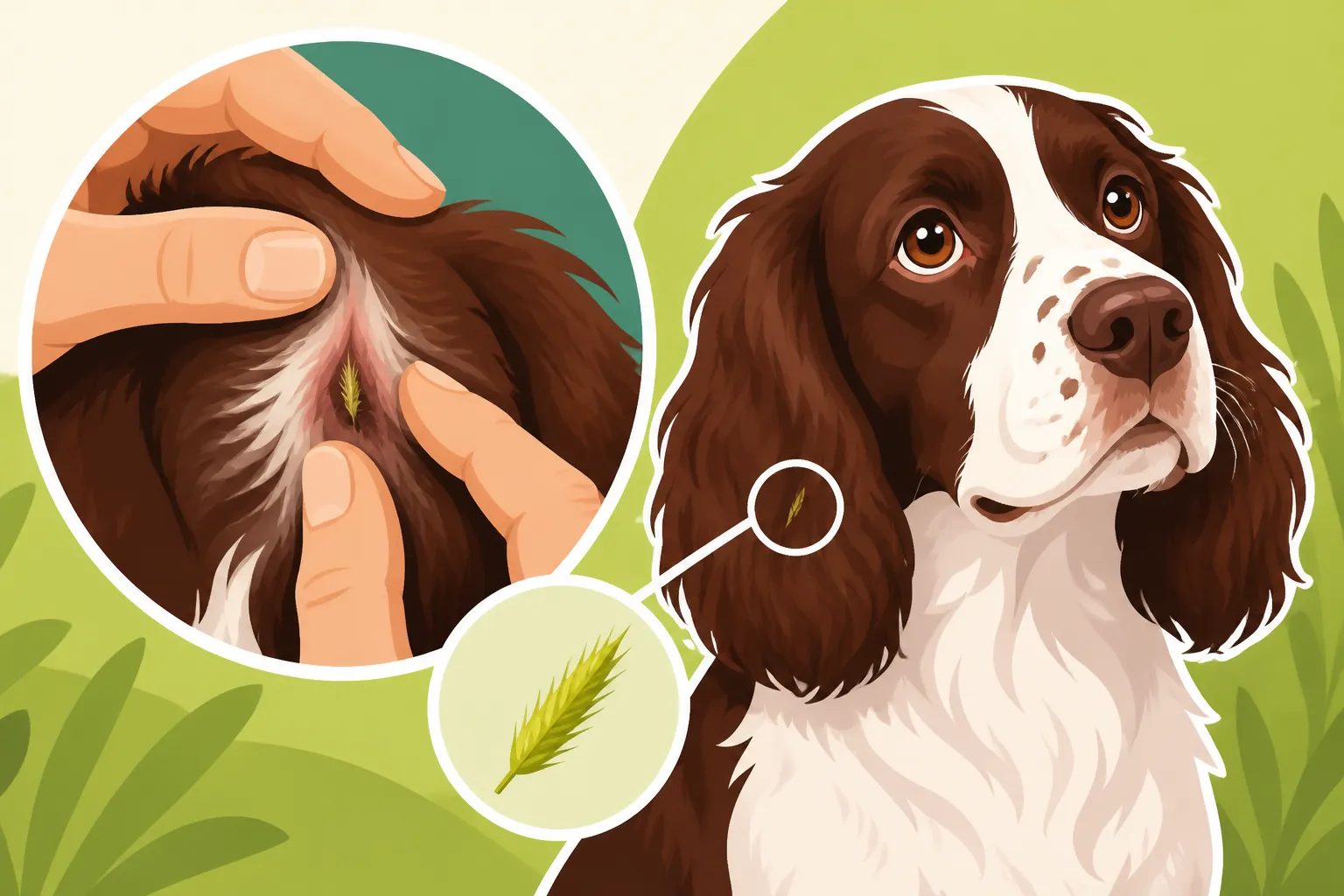
How to Find a Grass Awn on a Springer Spaniel
Ah, the joys of a Springer Spaniel – their boundless energy, their incredible noses, their absolute devotion! But along with all that zest for life comes a particular vulnerability, especially for those of us whose Springers love to dive headfirst into tall grass or dense undergrowth: the dreaded grass awn. These sneaky little plant seeds can cause a surprising amount of trouble, burrowing into skin, ears, and paws, leading to discomfort, infection, and sometimes serious veterinary emergencies. This guide is all about helping you understand what grass awns are, where they love to hide on your beloved Springer, what signs to look for, and how to perform a thorough at-home check to keep your furry companion safe and sound.
Understanding the Menace of Grass Awns
If you've ever spent time in rural areas, hiked through fields, or even just had an overgrown lawn, you've likely encountered grass awns without realizing the silent danger they pose to our dogs. For a Springer Spaniel owner, understanding this humble plant part is crucial.
What Exactly Are Grass Awns?
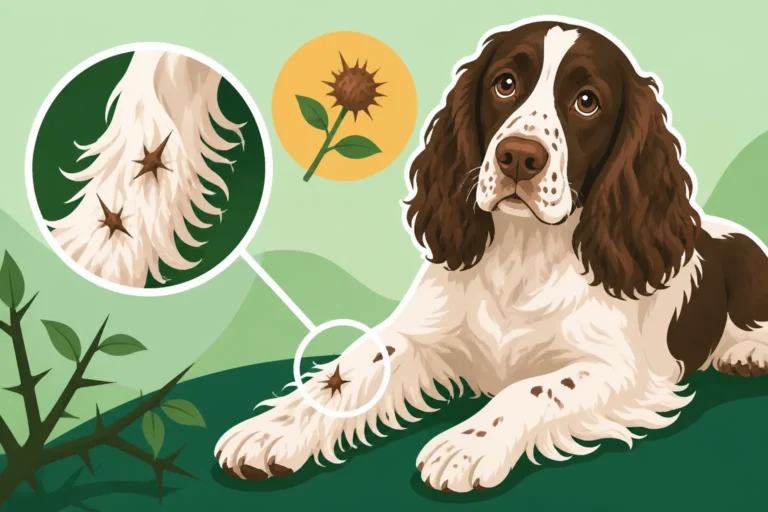
Grass awns are essentially the bristly, barbed seed heads of certain types of grasses. Think of them as nature's tiny, one-way arrowheads. They typically have a pointed end and small, backward-facing barbs that make them incredibly efficient at attaching to fur and then migrating forward. Once they latch on, they don't easily fall out. Instead, they can work their way deeper into soft tissues with every movement your dog makes. They're designed by nature to disperse seeds, but for our Springers, they become a real hazard.
These aren't just a problem from one type of grass, either. There are several common culprits depending on your region, like foxtails (Setaria spp.), cheatgrass (Bromus tectorum), wild oats (Avena fatua), and even some varieties of barley. While they all look a bit different, their insidious mechanism of action is largely the same. They're at their most dangerous when the grasses have dried out and matured, turning golden brown and brittle in the late spring, summer, and early fall. This is when they break off easily from the parent plant and become airborne or cling to anything that brushes past – including your Springer's magnificent coat.
Why Springer Spaniels Are Particularly Susceptible
Let's face it, our Springers are born to "spring" into action! They are highly active, curious, and possess an inherent drive to investigate every rustle in the undergrowth. This very nature, combined with their physical characteristics, makes them prime targets for grass awns. Their enthusiasm for running through fields, plunging into bushes, and sniffing every blade of grass means they are constantly exposed to these tiny invaders.
Their long, pendulous ears, with their abundant feathering, act like natural sweeps, collecting seeds as they move. The deep ear canals offer an ideal, dark, and warm pathway for awns to burrow. Similarly, their feathered legs and chest, while beautiful, are incredibly effective at snagging grass awns, which then can migrate into armpits or other sensitive areas. And let's not forget those active paws! A Springer's eager, probing nose and tendency to use their mouth to investigate objects also put these sensitive areas at risk. It’s almost as if they are perfectly designed to pick up every single one of these little troublemakers.
The Most Common Hiding Spots on Your Springer Spaniel
Knowing where grass awns typically hide is half the battle when it comes to early detection. Our Springers have certain "hot zones" that require extra vigilance.
Ears: A Prime Target
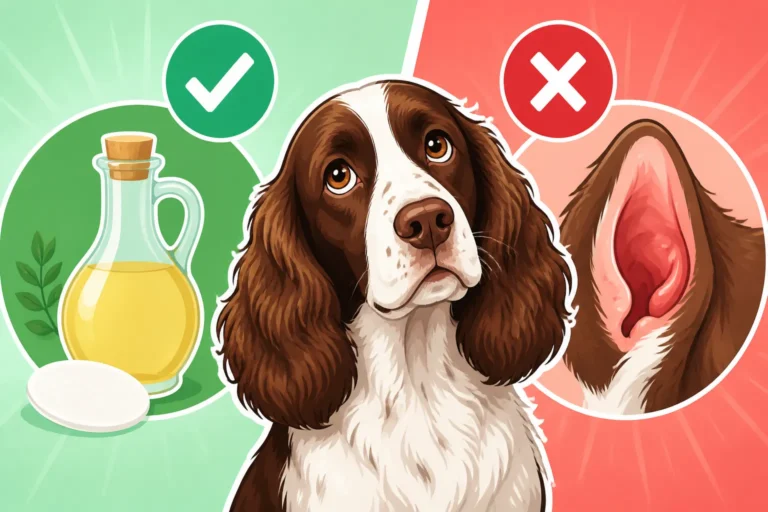
A Springer Spaniel's ears are a thing of beauty – those long, silky flaps are iconic. But, sadly, they're also a perfect funnel for grass awns. Their heavy drop ears, coupled with dense feathering on the outside, easily scoop up seeds as your dog romps through fields. Once inside the ear canal, an awn can start its journey deeper, often causing immediate discomfort that manifests as head shaking, pawing at the ear, or tilting the head.
The problem doesn't stop at the outer ear. The unique structure of a dog's ear canal, which goes down and then makes a sharp turn inward, means an awn can get lodged deep inside, beyond what you can see. If it continues to burrow, it can pierce the eardrum and even migrate into the inner ear, leading to serious infections, neurological issues, or even a ruptured eardrum. This is why immediate action is so vital if you suspect an awn in the ear. You can read more about why our Springers' ears are so prone to trouble in Why a Springer Spaniel's Ears Are Never Quite Healthy.
Paws and Between Toes: Silent Invaders
Those sturdy paws that carry your Springer through all their adventures are another common entry point for grass awns. The spaces between their toes, often covered with a bit of fur, are ideal spots for awns to lodge. As your dog walks, the motion of their toes can push the awn deeper into the soft webbing, or even into the pad itself.
The first sign might be your Springer suddenly limping, holding up a paw, or constantly licking at their foot. If an awn punctures the skin, it can create a tiny wound that quickly becomes infected, leading to swelling, redness, and pain. These can develop into abscesses that are incredibly painful and often require veterinary intervention to drain and remove the foreign body. Regular checks of the paws are critical, especially after a run through long grass.
Eyes, Nose, and Mouth: Sensitive Entry Points
These highly sensitive areas are less common entry points than ears or paws, but when an awn does get in, it's often more alarming and can cause immediate, acute distress. A curious Springer sticking their nose into tall grass might inhale an awn, leading to violent sneezing, pawing at the face, or discharge from the nostril. These cases often require sedation and endoscopic removal by a vet.
If an awn gets into the eye, it can cause severe irritation, tearing, squinting, and rubbing of the eye. It can scratch the cornea or lodge under the eyelid, leading to inflammation, conjunctivitis, or even corneal ulcers. Even a tiny awn can cause significant pain and damage to the delicate structures of the eye. Similarly, if a Springer is carrying something in its mouth, or simply sniffing around, an awn can lodge in the gums, under the tongue, or even in the throat, causing gagging, drooling, or difficulty eating. Whether a Springer Spaniel's Eyes Should Be Flushed After Cover touches on the importance of eye care.
Armpits, Groin, and Other Feathered Areas: Hidden Dangers
While not as immediately obvious as an ear or paw problem, grass awns can burrow into the softer, less protected skin of your Springer's underbelly, armpits, and groin area. These spots are often covered by dense feathering, making visual detection difficult without a thorough inspection. The constant movement of these joints can help "pump" the awn deeper into the tissue.
You might notice your dog frequently licking or scratching at these areas, or perhaps a small lump or red spot appears. If left unchecked, these can also develop into painful abscesses that require drainage and removal. The feathering on the chest and belly also serves as an excellent trap for awns, so always run your hands through these areas, feeling for any small, bristly objects or bumps. The good news is, regular grooming, especially trimming the longer feathering, can reduce the risk here. Trimming a Springer Spaniel's Feathering can provide useful tips.
The Tell-Tale Signs Your Springer Spaniel Has a Grass Awn
Catching a grass awn early makes all the difference. Your Springer will usually try to tell you something is wrong, even if you don't immediately know it's an awn. Learning to read their signals is paramount.
Behavioral Clues: What to Watch For
Our dogs are masters of non-verbal communication, and when they're in discomfort, they'll show it. If your Springer has a grass awn, you'll likely notice changes in their normal behavior. For an awn in the ear, frantic head shaking, tilting the head to one side, or persistent pawing at the ear are classic signs. They might also rub their ear along the carpet or furniture, desperately trying to dislodge the foreign object. If the awn is deeper, they might become lethargic or reluctant to play. Signs a Springer Spaniel Has an Ear Infection offers insights into ear discomfort.
When it comes to paws, a sudden lameness or favoring a leg is a huge red flag. Your Springer might repeatedly lick or chew at the affected paw, sometimes obsessively, to the point of irritating the skin further. You might also notice them trying to bite at the paw. If an awn is in the nose, expect sudden, violent bouts of sneezing, often accompanied by snorting or snuffling. In the eye, your Springer will likely squint, hold the eye shut, or paw at their face excessively. Any new or sudden obsessive grooming behavior in a specific area warrants a close inspection.
Physical Symptoms: What to Look For
Beyond behavioral changes, there are often physical manifestations of a grass awn problem. These are what you'll be looking for during your at-home examination.
| Location | Common Physical Symptoms |
|---|---|
| Ears | Redness, swelling, discharge (clear, yellow, or bloody), odor, a visible awn, tenderness to touch. |
| Paws/Between Toes | Limping, swelling between toes, redness, visible puncture wound, pus (abscess), heat in the paw. |
| Eyes | Squinting, excessive tearing, redness of whites of eyes, visible foreign body, discharge, cloudiness. |
| Nose | Sneezing, bloody discharge from one nostril, pawing at nose, whistling sound when breathing. |
| Armpits/Groin | Licking/chewing, small lump, redness, swelling, draining tract (fistula), matted fur around site. |
| Coat/Skin | Small, red bumps, matted fur, areas of tenderness, visible awns stuck in fur. |
A small, firm lump under the skin, especially if it feels a bit like a splinter, could be a grass awn. If it's been there a while and become infected, it might be warm to the touch and even drain pus or clear fluid. Sometimes, you might see a small hole in the skin, a "draining tract," which is where the awn has created an exit path for infection. The surrounding fur might be matted with discharge. Always be gentle when examining these areas, as they can be quite painful.
A Step-by-Step Guide to a Thorough At-Home Inspection
The key to preventing serious problems from grass awns is regular, thorough inspection, especially after your Springer has been out exploring. It’s part of the essential After the Hunt: Checking a Springer Spaniel Over Nose to Tail routine.
Setting Up for Success
Before you even start, create a calm environment. Choose a quiet time when your Springer isn't overly excited or tired. A well-lit room, perhaps with a headlamp or a bright flashlight, is essential. You'll want to gather a few supplies:
- Good lighting: A bright flashlight or headlamp.
- Magnifying glass: Especially helpful for delicate areas like eyes and between toes.
- Fine-tipped tweezers: For safely removing superficial awns.
- Ear cleaner and cotton balls/pads: For gently cleaning outer ears (if clear of awns). You can find good quality ear cleaners on Chewy or Amazon.
- Antiseptic wipes or solution: For cleaning minor scrapes or superficial entry points after awn removal.
- Treats and praise: To keep your Springer cooperative!
Make sure your Springer is comfortable. For smaller dogs, you might place them on a table (with a non-slip mat, please!) so you don't have to bend too much. For larger Springers, sitting on the floor with them, or having them lie on their side, can work well. If your dog is in obvious pain, stop immediately and contact your vet. Don't force them.
Systematically Checking Each Area
This needs to be a methodical process. Don't rush it.
-
Start with the Head and Face:
- Ears: Gently lift each ear flap and examine both the inside and outside. Look for any redness, swelling, discharge, or visible awns. Shine your flashlight down into the ear canal as much as you can see, looking for any foreign objects. Gently feel the base of the ear for any lumps or tenderness. Pay close attention to the long feathering around the ears; run your fingers through it thoroughly. How Often a Drop Eared Springer Spaniel Needs Cleaning provides more ear care tips.
- Eyes: Gently open your Springer's eyelids and look at the surface of the eye and under the lids. Look for any redness, irritation, excessive tearing, or a visible awn. Be extremely careful here. If you see something in the eye, do NOT try to remove it yourself unless it's very clearly just resting on the surface and easily accessible. A quick rinse with sterile saline might help, but often requires a vet.
- Nose and Mouth: Inspect the nostrils for discharge or visible objects. For the mouth, lift the lips and check the gums and teeth. Gently open the mouth to look at the tongue and roof of the mouth. Check for any red spots, swelling, or embedded awns.
-
Move to the Paws and Legs:
- Paws: This is a big one. One paw at a time, spread the toes wide and meticulously inspect the webbing between each toe, the pads, and around the nails. Look for any redness, swelling, puncture marks, or visible awns. Feel for any lumps or tenderness. Many awns are tiny and easily missed, so a magnifying glass can be a real asset here. Also check the feathering on the lower legs, running your hands against the grain of the fur to feel for anything stuck. Remember that our Springers can get Burrs, Ticks and Grass Awns in a Working Springer Spaniel, so keep an eye out for all sorts of unwelcome hitchhikers.
-
Inspect the Body and Tail:
- Armpits, Groin, and Underbelly: These are areas where skin folds and softer tissue can make them easy targets. Gently lift your Springer's legs and feel thoroughly in their armpits and groin. Run your hands over their entire belly and chest, paying special attention to areas with dense feathering. Again, feel for any small bumps, redness, or matted fur.
- Flanks and Tail: Run your hands over your Springer's sides and along their tail. While less common, an awn can lodge anywhere. Check the base of the tail particularly.
What to Do If You Find One
If you find a grass awn during your inspection, your next steps depend on where it is and how deeply it's embedded.
-
Superficial Awns (in fur or just barely on the skin): If the awn is clearly visible, not embedded deeply, and your dog isn't in pain, you might be able to carefully remove it with fine-tipped tweezers. Pull it straight out in the direction it entered. After removal, clean the area with an antiseptic wipe. Keep an eye on the spot for a few days for any signs of swelling or infection. If you use a reputable online retailer like Chewy or Amazon, you can find a good pet first aid kit with suitable wipes and antiseptic solutions.
-
Embedded Awns (puncturing the skin, in sensitive areas like eyes/ears/nose): Do NOT attempt to remove these yourself. This is where things get risky. If an awn has punctured the skin, trying to pull it out could break it, leaving part behind, or push it deeper. For anything in the eye, nose, or deep in the ear canal, immediate veterinary attention is crucial. These situations often require sedation or anesthesia for safe removal and to properly assess for damage or infection.
Important consideration: Even if you successfully remove a superficial awn, sometimes its tiny barbs can still leave bacteria behind, leading to a localized infection. It’s always a good idea to monitor the area for a few days for any swelling, redness, or discharge. If you have any doubt whatsoever, a quick vet visit is always the safest bet.
When to Call the Veterinarian Immediately
Knowing when a grass awn situation crosses the line from a home inspection to an emergency trip to the vet is critical. It's truly not something to delay.
Signs of Deep Penetration or Infection
If you observe any of the following signs, it’s time to call your veterinarian without delay:
- Severe Pain: Your Springer cries out, yelps, or shows extreme sensitivity when you try to examine an area.
- Deeply Embedded Awn: You can see an awn, but it’s clearly punctured the skin or is deep in a sensitive area (like the eye, nose, or ear canal).
- Swelling and Redness: Significant inflammation around a suspected entry point, especially if it's hot to the touch.
- Pus or Discharge: Any yellow, green, or bloody discharge from an ear, paw, or skin lesion. This often indicates a deep infection or abscess.
- Limping That Worsens: If your Springer's lameness progresses or they refuse to put weight on a paw.
- Constant Head Shaking or Tilting: Especially if accompanied by whimpering or disorientation.
- Persistent Sneezing or Nasal Discharge: If your dog keeps sneezing violently or has unilateral (one-sided) nasal discharge, an awn might be lodged in their nasal passages.
- Eye Problems: Squinting, holding the eye shut, severe redness, or any visible foreign body in the eye itself.
- Fever or Lethargy: If your Springer seems generally unwell, has a decreased appetite, or is unusually tired, it could indicate a systemic infection from a burrowing awn.
A veterinarian has the specialized tools, such as otoscopes for ears, endoscopes for nasal passages, and sometimes even ultrasound or X-rays, to locate and safely remove these tricky invaders. They can also prescribe antibiotics or pain relief as needed.
When In Doubt, Don't Wait
I can't stress this enough: with grass awns, hesitation can lead to much more serious and costly problems down the line. What starts as a small irritation can quickly become a deep-seated infection, an abscess requiring surgery, or even a migrating foreign body that travels to internal organs. This isn't an exaggeration – grass awns have been found in lungs, spinal canals, and other critical areas after migrating from an initial entry point.
If you have any suspicion at all that a grass awn is causing your Springer discomfort, or if you can't confidently remove a superficial one, please consult your vet. It's always better to be safe than sorry. A quick trip to the clinic for a professional examination could save your Springer from significant pain and prevent much more complicated procedures later. Sometimes, your veterinarian might recommend a small course of anti-inflammatories even after successful removal, just to manage any lingering irritation.
Prevention: Minimizing the Risk of Grass Awn Encounters
While you can't eliminate all risks, you can significantly reduce your Springer Spaniel's exposure to grass awns and minimize the chances of them causing trouble.
Grooming Strategies
Regular and appropriate grooming is your first line of defense against grass awns.
- Keep Feathering Trimmed: Those long, luxurious feathers on your Springer's ears, legs, chest, and belly are beautiful, but they are also magnificent awn catchers. Consider keeping these areas trimmed shorter during peak grass awn season. This doesn't mean shaving your show dog, but a practical tidy-up, especially on the underside and between the toes, can make a huge difference. You can find excellent thinning shears and clippers on Amazon or Chewy for at-home grooming, or discuss practical trims with your professional groomer. Whether a Springer Spaniel Owner Can Groom at Home might give you some ideas.
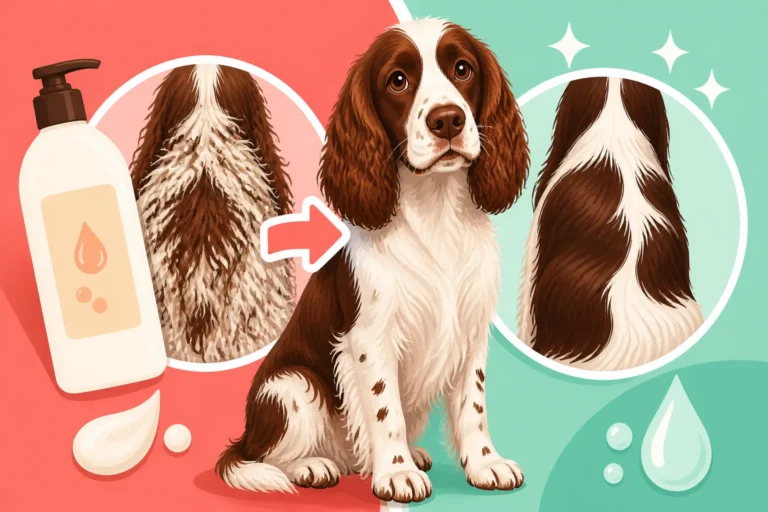
- Daily Brushing: After every outing, especially if your Springer has been in tall grass, give them a thorough brush. This helps dislodge any awns that haven't yet had a chance to burrow. Use a slicker brush and a comb to get through the entire coat, paying extra attention to the feathering.
- Paws and Toe Hair: Trim the hair between your Springer's paw pads regularly. This reduces the surface area for awns to cling to and makes it easier for you to inspect the spaces between the toes.
- Ear Hair: While controversial for some, judicious plucking of ear hair inside the ear canal, done carefully or by a professional groomer or vet, can help reduce the chances of awns getting a grip and provide better ventilation. However, some dogs are very sensitive to this, so discuss it with your vet first. Whether Plucking Ear Hair Helps a Springer Spaniel explores this topic further.
Environmental Management
Beyond grooming, making smart choices about where and how your Springer exercises can dramatically cut down on awn exposure.
- Avoid Tall, Dry Grass: This is the golden rule. If you see fields of tall, dried-out grasses with those bristly seed heads, steer clear. Opt for mown paths, paved trails, or well-maintained parks during peak season. This is especially important for working Springers; if they must go into cover, ensure you're performing checks both during and immediately after the work.
- Leash Walking in Risky Areas: When you can't avoid grassy areas entirely, keep your Springer on a leash. This gives you more control over where they put their nose and paws, preventing them from diving headfirst into hazardous patches.
- Post-Walk Checks: Make a habit of a quick "once-over" after every single walk or outdoor adventure, even if it was just in your backyard. Run your hands over their coat, check their ears, and quickly inspect their paws. This quick check can literally be a lifesaver.
- Mow Your Own Yard: If you have a yard with areas of wild grass, keep it mown short, especially during the dry season, to reduce the number of mature grass awns.
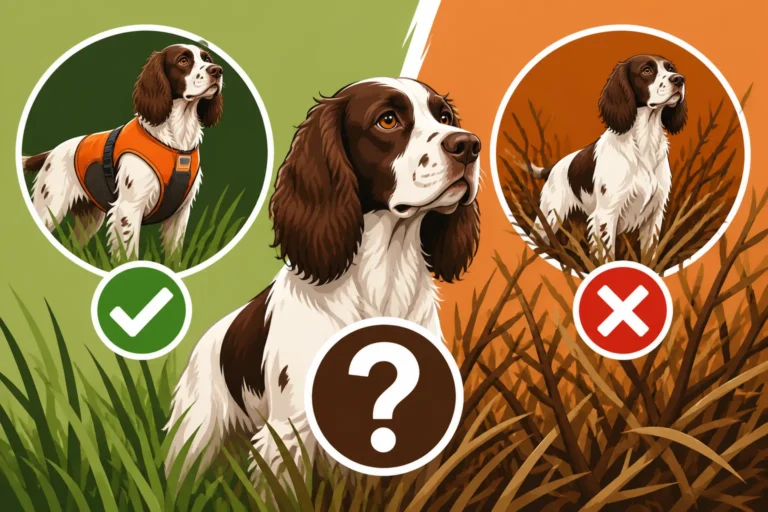
- Protective Gear (for working dogs): For those Springers who regularly work in heavy cover, consider protective vests or boots. While boots can sometimes be a challenge for dogs to adapt to, they can offer significant protection for paws. A neoprene vest can protect the chest and belly. Whether a Working Springer Spaniel Needs a Vest in Heavy Cover delves into this. While not directly for awns, ensuring your dog is in peak health with good nutrition, like that offered by high-quality foods (perhaps like those from Ollie, if you're looking into fresh options), can help with overall skin and coat resilience, which might offer some minor benefit against superficial irritations.
By combining diligent grooming, careful environmental choices, and consistent post-outing checks, you can significantly reduce the risk of grass awns causing trouble for your active Springer Spaniel.
Disclaimer
This article is for general informational purposes only and does not constitute professional advice. Laws, prices and regulations vary by location and change over time. Consult a qualified professional for guidance on your specific situation.