After the Hunt: Checking a Springer Spaniel Over Nose to Tail
You’ve just returned from a long day in the field, your English Springer Spaniel is vibrating with spent energy, muddy, and probably quite happy with themselves. You might be tempted to just towel them off, give them a well-deserved meal, and let them collapse on their bed. But for a working Springer, or even one that enjoys adventurous romps, skipping the post-hunt inspection is like playing Russian roulette with their health. This comprehensive guide will walk you through a thorough nose-to-tail check, helping you spot potential issues before they become serious problems, keeping your hard-working companion safe and sound.
Why a Post-Hunt Check Is Non-Negotiable for Your Springer Spaniel
After hours of pushing through dense cover, splashing through creeks, or navigating rocky terrain, your Springer Spaniel has been exposed to a myriad of potential hazards. Their enthusiasm and drive in the field mean they often ignore minor discomforts or even injuries until they’re back home and the adrenaline wears off. As their handler and caretaker, it’s our responsibility to be their vigilant advocate, recognizing that their working nature puts them at unique risk. It’s not about being overprotective; it’s about being proactive and understanding the specific demands placed on these incredible dogs.
The Hidden Dangers of the Field
The natural environment, while exhilarating for a Springer, is also full of hidden dangers that can easily injure or sicken them. Think about it: sharp sticks, thorny bushes, irritating plant matter, and unseen obstacles are everywhere. Grass awns, in particular, are notorious for burrowing into paws, ears, eyes, and even nostrils, causing severe infections or migrating internally to vital organs if left unchecked. Ticks, especially in certain regions, can transmit debilitating diseases, and a quick brush-off often misses them buried deep in the coat. Even something as seemingly innocuous as an overgrown patch of foxtails can turn into a serious medical emergency, costing you precious time and money at the vet.
Beyond physical objects, there's the unseen threat of pathogens from stagnant water sources, pesticides or herbicides on agricultural lands, or even the remnants of wild animal carcasses that can carry parasites. A dog’s natural curiosity and indiscriminate scavenging instincts mean they might ingest something harmful without you even noticing in the heat of the moment. This thorough check isn't just about finding cuts and scrapes; it's about being aware of the entire spectrum of risks your dog faces when they are out doing what they love best.
Early Detection Saves Lives and Vet Bills
It's a common story: a dog seems fine after a hunt, then a day or two later, they're limping, shaking their head, or showing signs of discomfort. By then, a minor irritation could have become a full-blown infection requiring more intensive and costly veterinary care. A tiny thorn embedded in a paw pad could lead to a deep abscess. A grass awn in the ear could perforate the eardrum. How to Find a Grass Awn on a Springer Spaniel is a skill every working dog owner should possess. Catching these issues early, when they're still small and manageable, makes all the difference.
Think of this post-hunt check as your own personal insurance policy. A few minutes of careful examination can save you hundreds, if not thousands, in emergency vet visits and prolonged treatments. More importantly, it can spare your beloved Springer Spaniel unnecessary pain and suffering. It allows you to address problems promptly, often with simple first aid at home, and ensures that your dog can get back to their next adventure quicker and healthier. This dedicated routine becomes a bonding experience, too, where your dog learns to trust you even more as you care for their well-being.
Starting at the Top: Head and Ears
The head and ears are particularly vulnerable areas for a Springer Spaniel in the field. Their long, floppy ears are perfect for sweeping scent and protecting the ear canal from direct debris, but they also act like nets, collecting burrs, seeds, and moisture. Their expressive eyes and inquisitive noses are constantly exposed, making them susceptible to scratches, foreign bodies, and inhaled irritants. Paying close attention to these areas is crucial because problems here can quickly become painful and debilitating.
Examining the Eyes and Nose
Your Springer's eyes are always on the front line, whether they're pushing through tall grass or looking up at you for cues. After a hunt, gently part their eyelids and look for any redness, discharge, squinting, or foreign objects. Even a tiny piece of debris, like a speck of dust or a small seed, can cause significant irritation and lead to a corneal ulcer if it's left to rub on the surface of the eye. Check for scratches or cloudiness. If you notice anything unusual, a quick flush with a sterile saline solution can sometimes dislodge minor irritants. Whether a Springer Spaniel's Eyes Should Be Flushed After Cover is a question many owners ponder, and the answer is often yes, especially if they've been in dusty or brushy conditions.
The nose, being the primary tool for a gundog, also deserves a thorough inspection. Look for any cuts, scrapes, or punctures on the leather of the nose itself. Sometimes, a dog might ram their nose into something, or a sharp twig could catch them. Check for any discharge from the nostrils, which could indicate an inhaled irritant or infection. Pay particular attention to the edges of the nostrils for any lodged seeds or grass awns. If your dog is repeatedly sneezing or pawing at their nose after a hunt, it’s a strong signal that something might be stuck up there.
Diving Deep into Those Floppy Ears
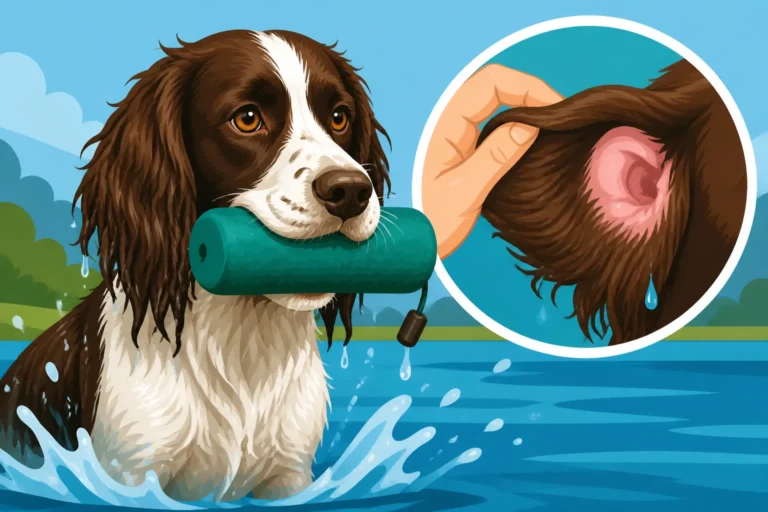
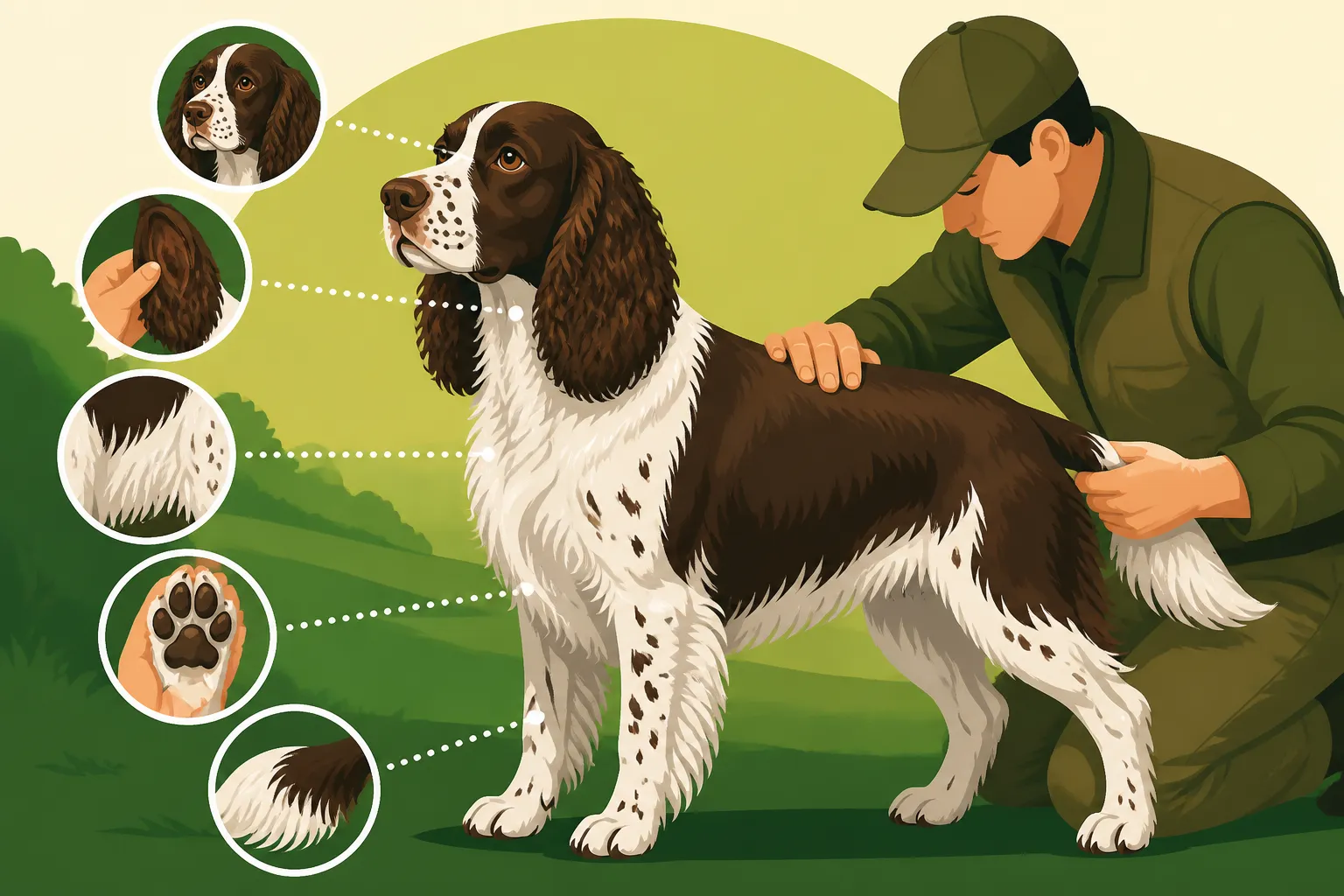
Ah, the Springer Spaniel ears! Beautiful, expressive, and a constant magnet for trouble. Why a Drop Ear Traps Moisture in a Springer Spaniel is precisely why these glorious appendages need special attention. After every outing, especially if there's been water work or dense cover, you need to lift that ear flap and really get in there. Start by inspecting the outer surface of the ear leather for any burrs, thorns, or ticks that might have latched on. These can be quite painful if not removed carefully.
Next, gently fold back the ear and examine the inner flap and ear canal opening. Look for redness, swelling, unusual discharge (waxy, purulent, or dark brown), or a foul odor. All of these are classic signs of an impending ear infection. Grass awns, seeds, and debris love to work their way deep into the ear canal, causing intense irritation and discomfort. Even if you don't see anything, a good cleaning with a vet-approved ear cleaner is often a wise preventative measure, especially for a breed prone to ear issues. Whether a Springer Spaniel Needs a Drying Solution After Water is a definite yes, as excessive moisture creates a perfect breeding ground for yeast and bacteria. If you notice your dog shaking their head excessively or pawing at their ears after a hunt, don’t delay in checking them thoroughly.
The Body Scan: Coat and Skin
Your Springer Spaniel's dense, protective coat is a double-edged sword. While it shields them from the elements and minor abrasions, it's also a fantastic hiding spot for all sorts of unwelcome guests and injuries. This section requires a systematic approach, using your hands and eyes to comb through their entire body, leaving no inch unchecked. It’s a bit like being a detective, searching for clues that your dog might be trying to hide.
Navigating the Feathering for Foxtails and Burrs
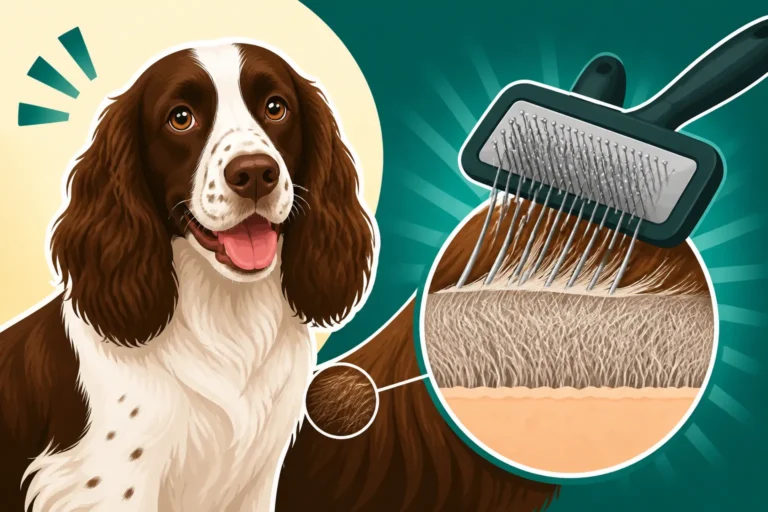
The beautiful feathering on a Springer's legs, belly, and tail, while aesthetically pleasing, is a veritable trap for burrs, stickers, and especially insidious grass awns and foxtails. These plant materials can quickly become matted and, more dangerously, can work their way into the skin. Take your time and run your hands slowly against the grain of the fur, starting from the neck and working your way down their back, sides, chest, and particularly focusing on those feathery areas. You'll often feel them before you see them.
When you encounter burrs, separate them gently with your fingers or a comb rather than pulling them, which can be painful and break the hair. For stubborn mats of burrs, a little cornstarch or detangling spray can help. Grass awns and foxtails are the real culprits; they have barbed heads that are designed to travel in one direction, making them incredibly difficult to remove once embedded. They can burrow under the skin, creating abscesses, or migrate through tissues. Burrs, Ticks and Grass Awns in a Working Springer Spaniel are an everyday hazard. Pay extra attention to the armpits, groin, between the toes, and anywhere there's longer hair. If you find one embedded, try to pull it straight out with tweezers. If it’s deep or seems infected, it’s time to call the vet.
Uncovering Skin Irritations and Lumps
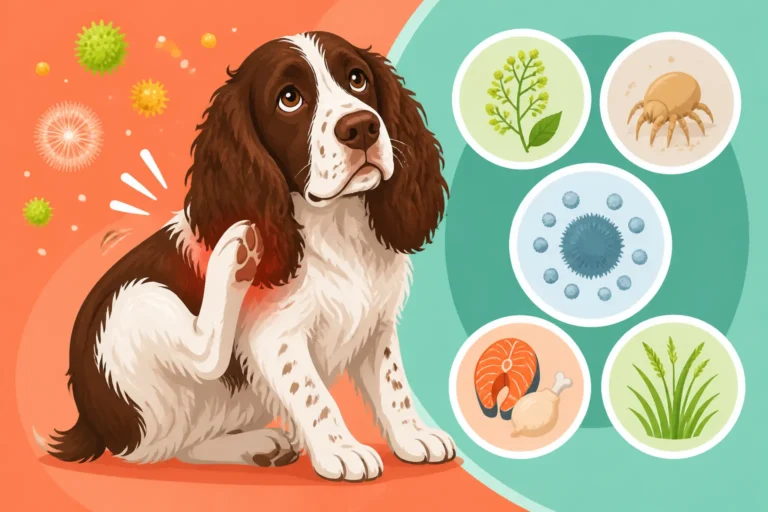
Beyond foreign objects, the field can cause direct trauma to the skin. Look for any cuts, scrapes, punctures, or abrasions. Even seemingly minor nicks can become infected if not cleaned properly. Part the fur and check for redness, swelling, or heat, which could indicate inflammation or an infection. Sometimes, you'll find "hot spots" – moist, red, irritated lesions that can flare up very quickly, especially under thick fur. These are intensely itchy and can worsen rapidly if your dog licks or chews them.
As you perform your full body pat-down, feel for any unusual lumps, bumps, or swelling that weren't there before. These could be anything from a bug bite, an allergic reaction, a hematoma from blunt trauma, or something more serious. While not every lump is cause for panic, it's essential to know your dog's baseline so you can identify new growths. Take note of their location, size, and texture. It's not uncommon for a working dog to get a minor bruise or bump, but anything painful, rapidly growing, or leaking fluid should be evaluated by a veterinarian. This detailed examination helps you catch problems when they are small and manageable.
Paw Patrol: Feet and Legs
Your Springer Spaniel’s feet are their engine, their foundation, and the part of their body most consistently in contact with the ground. Rough terrain, sharp objects, and prolonged activity can take a heavy toll on their paw pads, nails, and joints. A diligent inspection of the feet and legs is paramount to ensuring their comfort and continued ability to work in the field. Ignoring a paw issue can quickly lead to lameness and compromise your dog’s overall well-being.
Checking Pads, Toes, and Nails
The paw pads are incredibly tough, but they're not invincible. Examine each paw individually, gently spreading the toes to get a good look. Look for any cuts, abrasions, punctures, or tears on the pads themselves. Rough terrain can cause splits in the pads, which can be quite painful and slow to heal. Check for excessive wear or raw spots. Look between the pads and toes for any lodged debris – small stones, thorns, stickers, or those ever-present grass awns love to hide here and can cause severe irritation or infection. Checking a Springer Spaniel's Feet After Working is a fundamental step to prevent lameness.
Inspect each nail carefully. Are any cracked, broken, or torn? A torn nail can be extremely painful and might require veterinary attention to prevent infection. If your Springer still has dewclaws (the extra digit higher up on the leg), remember to check them too, as they can easily get caught and torn. Sometimes, even though your dog has been actively working, their nails might still be too long, which can cause discomfort and impact their gait. This is also a good opportunity to feel for any swelling or tenderness in the toes or foot itself.
Inspecting Legs and Joints for Injury
Beyond the paws, the legs and joints bear the brunt of all that running, jumping, and crashing through cover. Systematically run your hands down each leg, from the shoulder or hip all the way to the paw. Feel for any swelling, heat, or tenderness in the muscles or around the joints (shoulders, elbows, wrists, hips, knees, hocks). Pay attention to any subtle changes in symmetry between the left and right legs. Does your dog flinch or pull away when you touch a particular area?
Look for any cuts, scrapes, or deep punctures on the legs. A dog can easily catch a leg on a barbed-wire fence, a sharp branch, or a rock. Even seemingly minor scuffs can become infected. Observe your dog's gait immediately after the hunt and again later that evening or the next morning. Is there any limping or reluctance to bear weight? A slight stiffness might be normal after a hard day, but persistent lameness is a clear sign that something is wrong. Hip Dysplasia in a Springer Spaniel and Elbow Dysplasia in a Springer Spaniel are conditions that can be exacerbated by intense activity, so it's good to be aware of any signs of discomfort in these areas, especially in older dogs or those with known predispositions.
Tail End and Undercarriage
These areas are often forgotten in the rush of the post-hunt check, but they are just as exposed to the elements and potential hazards as the rest of your Springer Spaniel's body. The tail, constantly wagging and sweeping, can collect debris, and the delicate skin of the belly and groin is easily scratched or irritated. A thorough examination here can prevent discomfort and detect issues that might otherwise go unnoticed until they become more problematic.
The Tail: More Than Just a Happy Wag
Your Springer's tail is a powerful communication tool, but in the field, it's also vulnerable. Depending on whether your Springer has a docked or natural tail, the risks might vary slightly, but both need attention. For a docked tail, check the tip for any scrapes, cuts, or bleeding. Sometimes, a dog will wag their tail so hard against rough surfaces that it causes "happy tail" syndrome – a persistent injury to the tip that can be difficult to heal. For natural tails, the long feathering can become matted with burrs and mud.
Run your hand along the length of the tail, feeling for any swelling, lumps, or tenderness. A dog can sprain their tail or even fracture it if it gets caught or hit. Look for any skin irritation, redness, or hair loss around the base of the tail, which could indicate allergies or flea infestation. Lastly, check the anal area. While not directly related to the hunt, any irritation or discharge here could be a sign of anal gland issues, which can be made worse by stress or changes in activity.
Belly and Groin: Prime Hiding Spots
The belly and groin area is a common spot for ticks to attach, particularly because the fur here is often thinner and the skin is warm and moist. Systematically comb through the fur on your Springer's belly and inner thighs. Look for any redness, rashes, or tiny black specks that could be flea dirt. Feel for any new lumps or bumps. This area is also prone to scratches from thorns or sharp brush, as the dog moves through dense cover.
Pay very close attention to the groin and armpit regions. Ticks love to burrow into these folds of skin. Removing ticks promptly and correctly is vital to prevent disease transmission. Use fine-tipped tweezers or a tick removal tool, grasping the tick as close to the skin as possible and pulling straight up with steady pressure. After removal, clean the area with an antiseptic wipe. Also, check for any signs of irritation around the genitals, which could be caused by plant matter, urine scald, or even a foreign body that has worked its way into the sheath or vulva.
Internal Checks: Hydration and Appetite
A post-hunt check isn't just about what you can see and feel on the outside. A dog's internal state—their hydration, energy levels, and appetite—are critical indicators of their overall health and how well they coped with the exertion of the hunt. These internal checks give you valuable insight into their recovery process and can flag systemic issues that a purely external examination might miss.
Assessing Hydration and Energy Levels
One of the most immediate concerns after intense activity is dehydration. Even if you offered water frequently in the field, a dog can still become dehydrated, especially on warm days or during prolonged work. To check hydration, gently pinch a fold of skin on their neck or back. If it snaps back quickly, they're likely well-hydrated. If it's slow to return or "tents" up, they need more fluids. Also, check their gums: they should be pink and moist. If they're tacky or pale, that's another sign of dehydration.
Observe your Springer's energy levels. While some tiredness is expected, excessive lethargy, disorientation, or weakness are red flags. A dog that's truly exhausted might struggle to stand, be unwilling to move, or seem "out of it." This could indicate heat exhaustion, overexertion, or an underlying medical issue exacerbated by the activity. Make sure they have access to fresh water and encourage them to drink. Sometimes, offering a little rehydration solution or a few ice cubes in their water can entice them. Don't force them to drink too much too quickly, but steady rehydration is essential.
Post-Hunt Appetite and Digestion
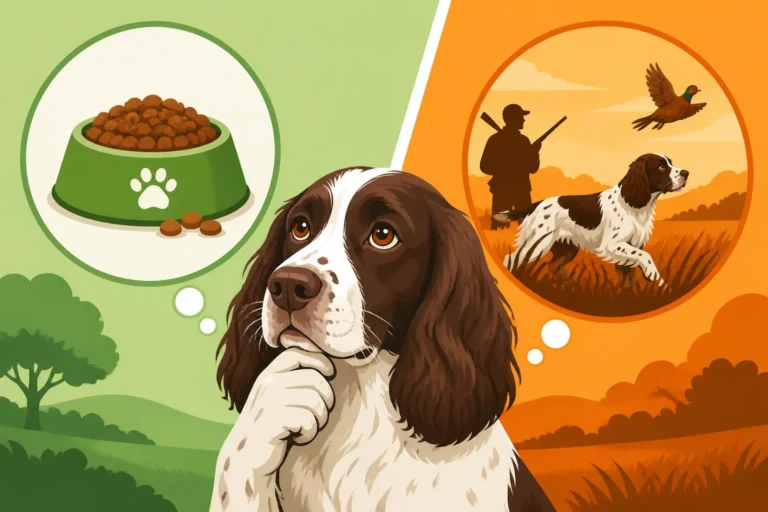
A good appetite is usually a sign of a healthy dog. After a hunt, most Springers will be ravenous, ready to devour their dinner. While it’s tempting to give them a massive meal right away, it’s often better to offer smaller, easily digestible portions, especially if they’re very hot or tired. Overeating immediately after strenuous exercise can lead to bloat, a life-threatening condition. Allow them to cool down and rehydrate a bit first.
However, a sudden loss of appetite, vomiting, or diarrhea after a hunt should raise concerns. These could be signs of heatstroke, ingesting something toxic or irritating in the field, or simply extreme stress on their digestive system. Keep an eye on their stool for the next 24-48 hours. Any changes in consistency, color, or the presence of blood or mucus warrant attention. If your dog refuses to eat or drink for an extended period, or if vomiting and diarrhea are severe, contact your veterinarian. This proactive monitoring of their internal well-being is just as vital as checking for external injuries.
Essential Gear for Your Post-Hunt Routine
Having the right tools on hand can make your post-hunt inspection much more efficient and effective. You don't need a professional grooming salon setup, but a few key items will ensure you're prepared to address common issues right away. Having these items easily accessible means you won't be scrambling when your tired, muddy Springer needs attention.
First Aid Kit Must-Haves
A well-stocked first aid kit is non-negotiable for any working dog owner. For your post-hunt checks, ensure you have:
- Antiseptic wipes or spray: To clean cuts and scrapes.
- Sterile saline solution: For flushing eyes and wounds. Many pet owners find a small bottle on Amazon or at their local pet store to be very handy.
- Tweezers or tick removal tool: Essential for extracting thorns, splinters, and ticks.
- Gauze pads and non-stick bandages: For covering wounds.
- Vet wrap: A self-adhesive bandage that provides light compression and stays put.
- Blunt-nosed scissors: For carefully trimming hair around wounds or cutting bandages.
- Dog-specific pain relief: Only use pain medication prescribed or recommended by your vet. Human medications can be toxic.
- E-collar (cone of shame): In case your dog needs to be prevented from licking a wound.
Having these basics readily available means you can often manage minor injuries at home and provide immediate care while deciding if a vet visit is needed. Remember, prompt first aid can prevent a small problem from escalating into a larger, more complicated one.
Grooming Tools for the Field Dog
While a full groom isn't necessary after every hunt, certain grooming tools are indispensable for your post-field check.
- Robust Brush or Comb: A sturdy slicker brush or a metal comb with varying tooth widths (often found on Chewy) is excellent for working through the coat and removing burrs, loose hair, and debris. It helps you thoroughly inspect the skin beneath.
- Thinning Shears or Small Scissors: Useful for carefully trimming hair around paw pads or areas where burrs are deeply matted, making them easier to remove without pulling the dog's fur. What Clippers for a Springer Spaniel Cost or What Thinning Shears Cost a Springer Spaniel Owner might be useful articles to consider for those looking to invest in proper grooming equipment.
- Ear Cleaner: A vet-approved ear cleaning solution is crucial for keeping those long, floppy Springer ears healthy and preventing infections. Use it after every wet hunt or if you notice any debris.
- Paw Balm: After a tough day on rough terrain, a protective paw balm can help soothe and moisturize cracked or tender paw pads. There are many options available, some with natural ingredients, that can be found at retailers like Chewy or your local pet store.
- Towels: Lots of them! For drying off a wet or muddy dog. Consider specialized absorbent dog towels.
These tools, combined with your vigilant eye and hands, form the core of a successful post-hunt routine. They help you address the unique challenges that a working Springer Spaniel faces, keeping them comfortable and ready for their next adventure.
When to Call the Vet: Red Flags Not to Ignore
Even with the most thorough post-hunt check, there will be times when a professional veterinary opinion is necessary. Knowing when to escalate a concern from home care to professional intervention is crucial for your Springer Spaniel's safety and well-being. It's always better to be safe than sorry when it comes to your dog's health.
Immediate Concerns Requiring Professional Help
Certain symptoms or injuries demand immediate veterinary attention. Do not delay if you observe any of the following after a hunt:
- Severe Lameness or Non-Weight Bearing: If your Springer Spaniel cannot put weight on a leg, is dragging a limb, or shows extreme pain when moving, it could indicate a fracture, severe sprain, or joint dislocation.
- Deep Puncture Wounds or Lacerations: Any wound that is deep, wide, bleeding profusely, or exposes underlying tissue needs immediate cleaning and possibly stitches from a vet.
- Swelling or Tenderness that is Rapidly Worsening: This could signal an abscess, severe infection, or a reaction to a venomous bite or sting.
- Excessive Vomiting or Diarrhea: Especially if it contains blood, is persistent, or accompanied by lethargy and weakness. This could be poisoning, severe gastrointestinal upset, or heatstroke.
- Disorientation, Collapse, or Seizures: These are emergency situations and could indicate heatstroke, neurological issues, or a severe metabolic problem.
- Trouble Breathing: Labored breathing, gasping, or persistent coughing are serious and require immediate veterinary evaluation.
- Embedded Foreign Objects: If you can't easily remove a deeply embedded grass awn, splinter, or thorn, or if you suspect it has migrated internally (e.g., up the nose, deep into the ear canal), your vet will need to remove it to prevent further damage or infection.
- Eye Injuries: Any deep scratch to the cornea, persistent squinting, redness, or discharge from the eye, or obvious foreign objects within the eye. Primary Glaucoma and the Springer Spaniel That Loses an Eye is a serious condition, but even minor eye injuries can quickly escalate.
When in doubt, make the call. Most veterinarians would rather you call with a false alarm than delay treatment for a serious condition.
Persistent Issues and Follow-Up Care
Sometimes, issues aren't immediate emergencies but are persistent enough to warrant a vet visit. If you notice any of these, schedule an appointment:
- Persistent Head Shaking or Ear Scratching: Even after cleaning, if your Springer is still bothering their ears, it likely means an infection is brewing or there's deep debris. How Often a Springer Spaniel Gets Ear Infections is a common concern, and early intervention is key.
- Changes in Appetite or Thirst: If your dog is consistently refusing food or water over 24 hours, or drinking excessively without apparent cause, it needs investigation.
- Lumps or Bumps: Any new lump that grows rapidly, changes in texture, feels painful, or persists for more than a few days should be checked. While many are benign, some require removal.
- Lingering Stiffness or Mild Lameness: If your dog seems stiff or slightly off for more than a day or two after rest, it could indicate a muscle strain, sprain, or the early signs of arthritis. Arthritis in an Older Springer Spaniel is a good read if you have a senior companion.
- Skin Rashes or Irritations: If a hot spot doesn't respond to home treatment within a day or two, or if a generalized rash spreads or becomes intensely itchy, your vet can provide targeted treatment.
Your intuition as an owner is powerful. You know your Springer Spaniel best. If something just "doesn't feel right," trust that gut feeling and seek professional advice. Prompt action can make all the difference in your dog's recovery and long-term health.
Disclaimer
This article is for general informational purposes only and does not constitute professional advice. Laws, prices and regulations vary by location and change over time. Consult a qualified professional for guidance on your specific situation.