Elbow Dysplasia in a Springer Spaniel
It's heartbreaking to see your vibrant Springer Spaniel start slowing down, perhaps limping after a walk, or struggling to jump onto the sofa. Many owners attribute these subtle signs to "just getting older" or a minor strain, but for English Springer Spaniels, these symptoms can often point to a more serious, inheritable condition: elbow dysplasia. This comprehensive guide will walk you through what elbow dysplasia is, how to spot it, and the steps you can take to help your beloved companion live as comfortably as possible.
What Exactly Is Elbow Dysplasia in a Springer Spaniel?
Elbow dysplasia (ED) is one of those veterinary terms that sounds intimidating, but at its heart, it simply means an abnormal development of the elbow joint. It's not a single disease but rather a collective term encompassing several different conditions that can affect the elbow, often leading to pain, lameness, and ultimately, debilitating arthritis. For Springer Spaniel owners, understanding this complex issue is the first step toward effective management and prevention for their beloved companions.
Understanding the Anatomy of the Canine Elbow
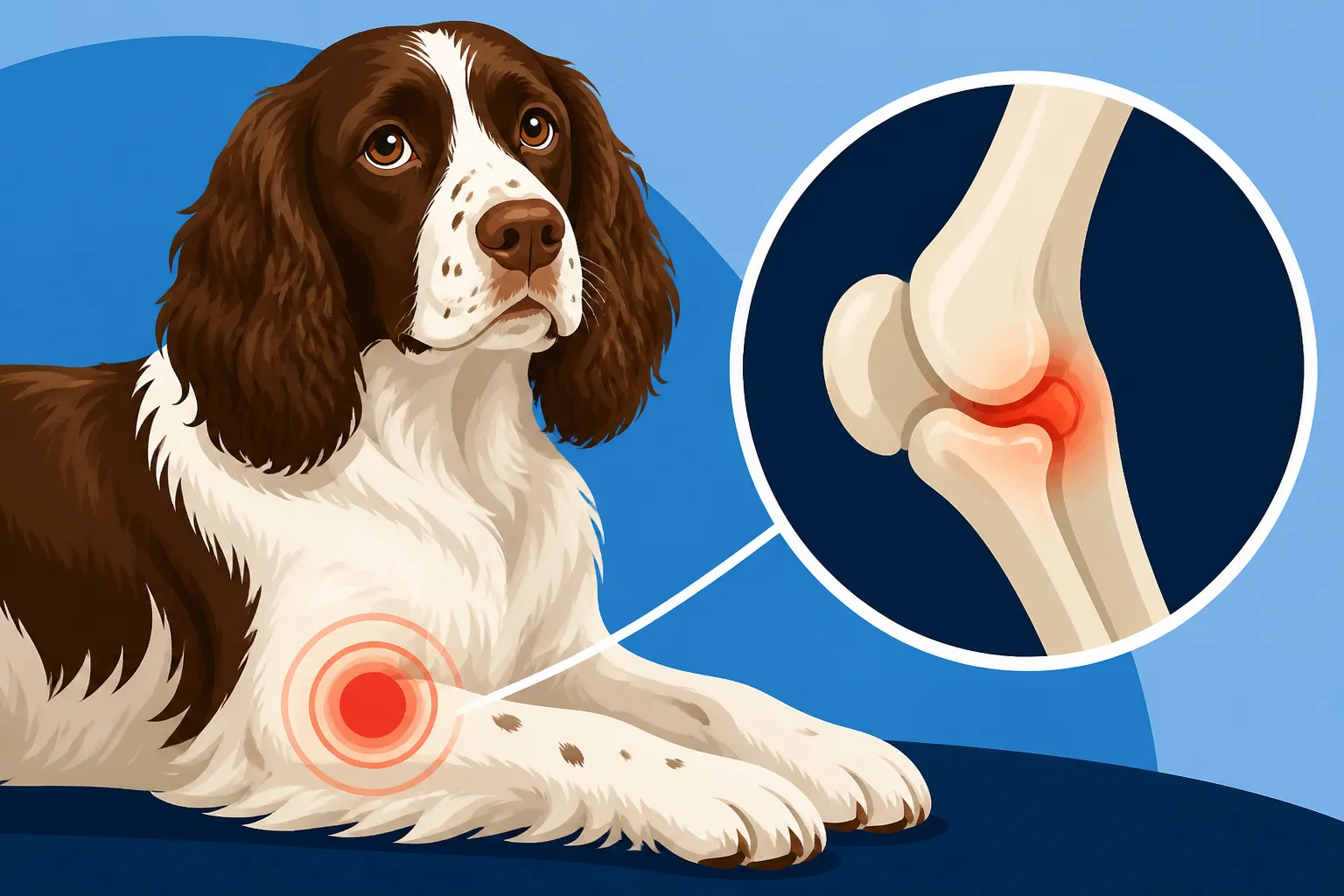
To truly grasp elbow dysplasia, it helps to visualize the elbow itself. This crucial joint in a dog's front leg is formed by the meeting of three bones: the humerus (the upper arm bone), the radius (one of the two lower arm bones), and the ulna (the other lower arm bone). These three bones are designed to fit together perfectly, like intricate puzzle pieces, allowing for smooth, fluid motion without friction. Cartilage covers the ends of these bones, acting as a shock absorber and ensuring that every bend and extension of the elbow is seamless. Imagine trying to open a door with rusty, misaligned hinges – that grating, difficult motion is a simplified analogy for what happens when a dog's elbow joint doesn't articulate perfectly.
The canine elbow is an incredibly complex structure, designed to withstand the rigors of running, jumping, and the active lifestyle characteristic of a Springer Spaniel. Ligaments hold these bones tightly together, providing stability, while muscles allow for powerful movements. Any disruption in the precise development or alignment of these components, even a microscopic one, can lead to uneven weight distribution, abnormal wear and tear, and chronic inflammation. This foundational understanding highlights why even subtle developmental abnormalities can have such profound long-term consequences for a dog's comfort and mobility.
The Different Manifestations of Elbow Dysplasia
What makes elbow dysplasia particularly tricky is that it isn't just one problem, but a spectrum of developmental issues. The term "elbow dysplasia" acts as an umbrella for four primary conditions, which can occur individually or in combination. The most common form seen in many breeds, including Springer Spaniels, is a Fragmented Coronoid Process (FCP). Here, a small piece of bone and cartilage, called the coronoid process, breaks off from the ulna, floating freely in the joint and causing irritation and pain. It's like having a tiny shard of glass stuck inside a perfectly engineered machine.
Another common manifestation is Osteochondrosis Dissecans (OCD) of the humeral condyle. This occurs when the cartilage and underlying bone fail to mature correctly, leading to a flap of cartilage separating from the bone surface. This flap can then become detached, causing pain and inflammation. Less common, but still part of the ED complex, are an Ununited Anconeal Process (UAP), where a specific growth plate in the ulna fails to fuse properly, and elbow incongruity, which refers to a mismatch in the length or shape of the radius and ulna, leading to uneven pressure within the joint. Each of these specific issues contributes to the overall problem, causing discomfort, impaired function, and setting the stage for premature arthritis in the affected joint.
Why Springer Spaniels Are Particularly Susceptible
It’s often disheartening for Springer Spaniel owners to learn that their energetic, beloved breed is particularly prone to conditions like elbow dysplasia. While ED can affect any dog, medium to large, fast-growing breeds are statistically more at risk, and English Springer Spaniels fall squarely into this category. The primary reason for their susceptibility is a strong genetic predisposition. The genes responsible for proper joint development are complex and multifactorial, meaning several genes contribute to the condition, rather than just one single, easily identifiable faulty gene. This polygenic inheritance makes it challenging for breeders to eradicate completely, but careful screening significantly reduces the risk.
The rapid growth rate typical of Springer Spaniel puppies further complicates matters. During the intense period of growth, their bones and cartilage are forming rapidly, and any genetic predisposition to abnormal development is exacerbated. If the bones don't grow at precisely the same rate, or if the cartilage doesn't form robustly, tiny misalignments or weaknesses can occur, laying the groundwork for one or more of the specific conditions that fall under the ED umbrella. This combination of genetic vulnerability and rapid development means that while environmental factors certainly play a role, the foundation for elbow dysplasia is often set before a puppy even leaves its litter.
The Causes and Risk Factors Behind Elbow Dysplasia
Understanding that elbow dysplasia is a complex, multifactorial disease helps us appreciate why it's so challenging to prevent entirely. While genetics undoubtedly load the gun, environmental factors often pull the trigger, influencing the severity and even the expression of the condition. For Springer Spaniel owners, being aware of these factors is crucial for making informed decisions, from choosing a puppy to managing its daily life.
The Strong Genetic Component
When we talk about elbow dysplasia, genetics are absolutely paramount. This isn't just a random occurrence; it's deeply rooted in a dog's lineage. Reputable breeders understand this and undertake rigorous health testing on their breeding stock to minimize the risk. They strive to select parents with excellent elbow scores, typically assessed by organizations like the Orthopedic Foundation for Animals (OFA) in North America, which provides a grading system for elbows. Even with perfectly scored parents, there's always a slight chance of producing an affected puppy because, as mentioned, ED is polygenic, meaning multiple genes are at play, and not all of them are fully understood or easily identifiable.
This genetic component means that if one or both parents have a history of elbow dysplasia, or even carry the genes for it without showing clinical signs themselves, their offspring are at a significantly higher risk. This is why it’s incredibly important to choose a puppy from a breeder who can provide clear OFA elbow certifications (and hip certifications, as hip and elbow dysplasia often go hand-in-hand, a topic explored further in Whether a Springer Spaniel's Hip Score Predicts Arthritis) for both parents, going back several generations if possible. Without this commitment to responsible breeding, the chances of dealing with a dog suffering from elbow dysplasia increase dramatically. This is part of The Health Tests Both Springer Spaniel Parents Should Have that every responsible buyer should look for.
Environmental Influences on Joint Development
While genetics lay the groundwork, the early environment a Springer Spaniel puppy grows up in can profoundly influence whether, and how severely, elbow dysplasia manifests. Rapid, uncontrolled growth due to overfeeding or excessive high-impact exercise during critical developmental stages can put undue stress on delicate, forming joints. Think about a young child being pushed too hard in competitive sports before their bones are fully mature; the same principle applies to puppies. Long, strenuous runs, repetitive jumping, or vigorous agility training on hard surfaces before a puppy's growth plates have closed can exacerbate any underlying genetic predisposition.
Furthermore, the surfaces a puppy spends time on can matter. Slippery floors, like hardwood or tile, can cause puppies to splay their legs or twist their joints in unnatural ways, putting abnormal forces on developing elbows. Providing carpeted areas or rugs, especially where a puppy plays or runs, can offer better traction and support. Even simple things like allowing a puppy to frequently jump off furniture or out of a car can contribute to micro-traumas that worsen joint development. The goal is controlled, age-appropriate exercise that builds muscle without stressing immature joints.
Nutrition and Growth Rate Considerations
The food you feed your Springer Spaniel puppy plays a surprisingly significant role in joint health, especially concerning elbow dysplasia. Overfeeding, particularly with diets high in calories or formulated for "all life stages" rather than specifically for large or medium breed puppies, can lead to unnaturally rapid growth. When puppies grow too quickly, their bones and cartilage may not develop in a coordinated manner, leading to incongruity or other developmental defects in the elbow joint. It's a delicate balance; you want robust growth, but not accelerated growth.
Specific nutrient balances are also critical. For instance, too much calcium in a puppy's diet, often found in adult dog foods or excessive supplementation, can interfere with proper bone development and contribute to skeletal abnormalities. Choosing a high-quality commercial dog food specifically formulated for medium or large breed puppies is generally the safest approach, as these diets are designed to promote a steady, healthy growth rate and appropriate nutrient ratios. Avoiding unnecessary supplements, unless specifically directed by your vet, is also wise. Maintaining a lean body condition throughout a Springer's life is vital, a principle also discussed in Keeping a Springer Spaniel at a Working Weight, as excess weight puts additional strain on all joints, including the elbows.
Spotting the Early Signs of Elbow Dysplasia
One of the most challenging aspects of elbow dysplasia is that its early signs can be incredibly subtle, easily mistaken for minor aches, "growing pains," or just general puppy clumsiness. As a diligent Springer Spaniel owner, becoming attuned to these nuanced indicators can make a significant difference in getting an early diagnosis and initiating treatment, potentially preventing more severe damage down the line.
Subtle Lameness and Stiffness
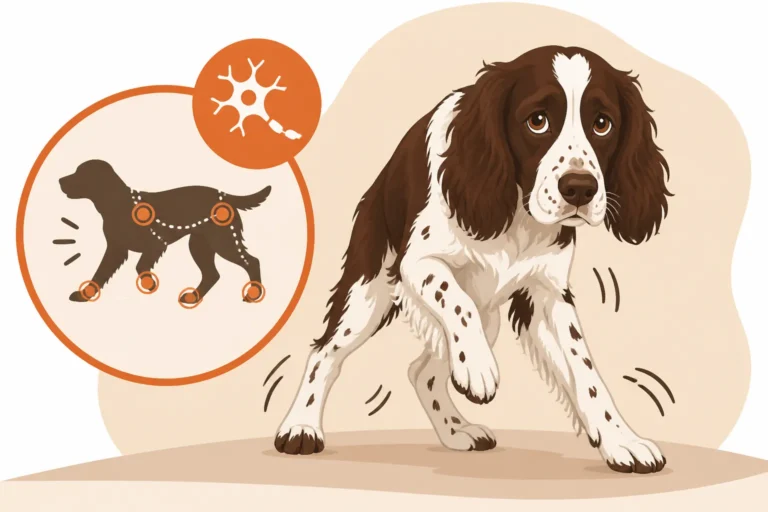
Often, the very first indicator owners notice is a subtle lameness, particularly in one or both front legs. This lameness might not be constant; it could appear after periods of rest, such as first thing in the morning or after a long nap, and then seem to improve as the dog "warms up" with activity. Your Springer might seem reluctant to put full weight on a limb, or you might observe a slight head bob as they try to shift weight away from the painful joint. They might also appear stiff, moving more awkwardly than usual, especially when getting up or lying down.
Because Springers are so stoic and eager to please, they might try to mask their discomfort, especially if they are excited to play or go for a walk. This means you need to be an attentive observer, looking for patterns. Does the limping worsen after vigorous exercise? Do they seem to favor one leg more than the other when standing or walking? Sometimes, if both elbows are affected (which is common), the lameness might be less obvious as the dog compensates by distributing weight equally, giving the impression that nothing is wrong until the condition is quite advanced.
Behavioral Changes and Reluctance to Play
Beyond physical lameness, early elbow dysplasia can manifest in more generalized behavioral changes. A dog in chronic discomfort, even mild pain, may become less enthusiastic about activities they once loved. Your Springer might be less keen on jumping onto the sofa for cuddles, avoid stairs, or show a reluctance to engage in rough-and-tumble play with other dogs or family members. If your usually boisterous Springer suddenly seems quieter, less playful, or more withdrawn, pain should definitely be on your list of potential causes.
Another subtle sign might be a change in how they lie down or get up. They might be more deliberate, grunt, or shift positions multiple times to find a comfortable spot. You might also notice them avoiding extending their front legs fully, perhaps holding them closer to their body, or resisting having their legs manipulated during grooming or nail trims. Any deviation from your dog's typical joyful and active demeanor, particularly one involving movement, warrants a closer look by your veterinarian.
Detecting Pain on Palpation
While you should never attempt to forcefully diagnose your dog's pain, you can certainly be observant when interacting with them. Sometimes, a Springer Spaniel with elbow dysplasia will exhibit tenderness or pain when their elbow joint is gently touched or manipulated. When petting or grooming your dog, pay attention to their reaction when you stroke around their elbows. Do they flinch, pull away, or perhaps even give a low growl? Is there any swelling around the joint that feels warmer to the touch than other areas?
Your veterinarian will perform a thorough physical examination, including careful palpation and assessment of the range of motion in your Springer's elbows. They will know how to gently flex and extend the joint to pinpoint areas of discomfort or reduced mobility. This part of the exam is crucial for identifying potential issues, but your observations at home are invaluable to your vet. Don't hesitate to share any subtle changes you've noticed, even if they seem minor, as they can be key pieces of the diagnostic puzzle.
Diagnosing Elbow Dysplasia in Your Springer Spaniel
If you suspect your Springer Spaniel might be suffering from elbow dysplasia, getting an accurate diagnosis from your veterinarian is absolutely essential. Early and precise diagnosis allows for the most effective management plan, whether conservative or surgical, and can significantly impact your dog's long-term comfort and quality of life.
The Importance of a Thorough Veterinary Examination
The diagnostic process for elbow dysplasia typically begins with a comprehensive physical examination by your primary care veterinarian. This isn't just a quick check; it involves a meticulous evaluation of your dog's overall health, gait, and specific joint function. Your vet will observe your Springer walking, trotting, and turning to identify any lameness, stiffness, or unusual movement patterns. They'll also carefully palpate each joint, checking for swelling, warmth, pain response, and any grinding or clicking sounds (crepitus) during flexion and extension.
Crucially, your vet will also take a detailed history from you. This includes questions about when you first noticed symptoms, how they've progressed, your dog's activity levels, diet, and any known family history of joint issues. Your input here is incredibly valuable, as you spend the most time with your dog and can provide insights into the subtle changes they might be exhibiting. This initial examination helps your vet narrow down the possibilities and determine the next steps in the diagnostic journey.
Radiographs X-rays as the Gold Standard
Once clinical suspicion for elbow dysplasia arises, the next and most critical diagnostic step is usually radiography, or X-rays. Standard X-rays provide images of the bones and can reveal many of the characteristic changes associated with ED, such as bone fragments (like FCP), joint incongruity, and early signs of arthritis (osteophytes or bone spurs). For accurate diagnosis, specific views of the elbow are required, typically including flexed mediolateral and craniocaudal projections.
To ensure proper positioning and minimize discomfort for your dog, X-rays for elbow dysplasia often require sedation or even a light general anesthetic. This allows the veterinary team to get high-quality, diagnostic images without your Springer moving, which is crucial for identifying subtle abnormalities. These X-rays are not just for diagnosis; they are also the basis for official elbow scoring through organizations like the OFA, which evaluates the structural integrity of the joints to help breeders select healthy breeding stock. While X-rays are the gold standard, some subtle lesions, like early FCP, can still be missed on standard radiographs, leading to the need for advanced imaging in some cases.
Advanced Imaging Options
When standard X-rays are inconclusive, or if the clinical signs are severe but X-rays don't fully explain the degree of lameness, your veterinarian might recommend advanced imaging techniques. The most common of these is a Computed Tomography (CT) scan. A CT scan provides highly detailed, cross-sectional images of the joint, allowing vets to visualize soft tissues and bone fragments that might be hidden or too small to see on plain X-rays. It is particularly effective at detecting Fragmented Coronoid Processes (FCP), which can be notoriously difficult to fully assess with radiographs alone.
Another advanced option is arthroscopy. This is a minimally invasive surgical procedure where a tiny camera (arthroscope) is inserted into the joint through small incisions. It allows a veterinary orthopedic specialist to directly visualize the joint surfaces, identify specific lesions, and in many cases, even treat them simultaneously by removing fragments or smoothing rough cartilage. While more invasive than a CT scan, arthroscopy offers the benefit of both diagnosis and immediate intervention. These advanced imaging techniques typically involve referral to a specialist veterinary hospital and can significantly add to What a Springer Spaniel's Vet Bills Look Like, making discussions about pet insurance, such as through Healthy Paws, particularly important for comprehensive care.
Managing and Treating Elbow Dysplasia
Once your Springer Spaniel has been diagnosed with elbow dysplasia, the focus shifts to management and treatment. The approach taken will depend heavily on the severity of the condition, your dog's age, and the specific components of ED identified. The goal is always to alleviate pain, improve joint function, and slow the progression of secondary osteoarthritis.
Conservative Management Strategies
For mild to moderate cases of elbow dysplasia, or when surgery isn't an option, conservative management is often the first line of defense. A cornerstone of this approach is strict weight management. Every extra pound your Springer carries puts additional strain on already compromised elbow joints, accelerating degeneration. Achieving and maintaining a lean body condition is paramount, a principle echoed in managing conditions like Hip Dysplasia in a Springer Spaniel and in general advice on Keeping a Springer Spaniel at a Working Weight.
Controlled exercise is another critical component. This means avoiding high-impact activities like jumping, sprinting, or prolonged intense play. Instead, focus on low-impact activities such as leash walks on soft surfaces, gentle swimming, or short, frequent play sessions. Your vet may also prescribe NSAIDs (non-steroidal anti-inflammatory drugs) to manage pain and inflammation, and these can be quite effective. Additionally, various Joint Supplements for a Springer Spaniel containing ingredients like glucosamine, chondroitin, and Omega-3 fatty acids can support cartilage health and reduce inflammation, though their efficacy can vary between individual dogs. These supplements are not a cure, but they can be a valuable part of a holistic management plan.
Surgical Interventions When Necessary
When conservative management isn't sufficient to control pain, or if specific components of elbow dysplasia are severe and amenable to surgical correction, your vet may recommend surgery. The most common surgical procedure for ED, especially for fragmented coronoid processes (FCP), is arthroscopy. As discussed, this minimally invasive technique allows a surgeon to remove any loose cartilage or bone fragments that are causing pain and damage within the joint. Removing these irritants can significantly reduce pain and slow the progression of arthritis.
Other surgical options exist for different manifestations of ED. For ununited anconeal processes (UAP), stabilization or removal of the anconeal process may be performed. In cases of severe elbow incongruity, osteotomy procedures (where bones are cut and realigned) can sometimes correct the alignment. Total elbow replacement, while common in humans, is still relatively rare and complex in dogs, typically reserved as a last resort for severe, end-stage cases unresponsive to other treatments. The recovery period after surgery is often lengthy, involving strict rest, pain medication, and a dedicated rehabilitation program.
Rehabilitation and Physical Therapy
Regardless of whether your Springer Spaniel undergoes conservative management or surgery, a well-structured rehabilitation and physical therapy program is crucial for optimal recovery and long-term joint health. For post-surgical patients, physical therapy helps to restore range of motion, build muscle strength lost during the recovery period, and reduce scar tissue formation. For those managed conservatively, it helps maintain muscle mass, improve joint flexibility, and reduce reliance on pain medication.
Common rehabilitation modalities include hydrotherapy (walking on an underwater treadmill or swimming), which allows for low-impact exercise that strengthens muscles without stressing the joints. Therapeutic exercises, specific stretches, and massage techniques can also be taught to owners to perform at home. Laser therapy, acupuncture, and electrical stimulation are other adjunctive therapies that can help manage pain and inflammation. The commitment to a consistent rehabilitation program is key, as it not only aids physical recovery but also helps your Springer regain confidence in using their affected limb, ultimately improving their overall quality of life.
Prevention and Long-Term Care for Affected Springers
Living with a Springer Spaniel diagnosed with elbow dysplasia can be a long journey, but with proactive prevention strategies and dedicated long-term care, many dogs can lead fulfilling lives. The key is understanding the ongoing needs and making informed choices throughout their lives.
Responsible Breeding Practices
The single most impactful step in preventing elbow dysplasia is through responsible breeding. Because of the strong genetic component, breeders have a moral and ethical obligation to screen their breeding stock thoroughly for elbow dysplasia, as well as Hip Dysplasia in a Springer Spaniel and other common genetic diseases. This means both parent dogs should have verifiable elbow clearances from organizations like the Orthopedic Foundation for Animals (OFA) before they are ever bred. While these clearances aren't a 100% guarantee that offspring will be free of ED, they dramatically reduce the risk.
Prospective puppy buyers should always ask to see these health certifications for both parents. A reputable breeder will be transparent about their screening practices and will often be happy to discuss the elbow and hip scores of their dogs. Choosing a puppy from parents with excellent scores significantly reduces your chances of dealing with this painful condition, and it supports breeders who are genuinely committed to improving the health of the breed. This aligns with seeking comprehensive health information, similar to why one might consider The DNA Test That Should Precede Every Springer Spaniel Purchase for other genetic conditions.
Lifestyle Adjustments for a Healthy Life
For any Springer Spaniel, but especially one with elbow dysplasia, ongoing lifestyle adjustments are fundamental to maintaining comfort and mobility. First and foremost, meticulous weight management cannot be overstated. Keeping your dog at a lean, healthy weight minimizes stress on their joints, slowing the progression of arthritis and reducing pain. Your vet can help you determine the ideal weight and calorie intake for your individual dog.
Regular, moderate exercise is also vital. Avoid activities that involve excessive jumping, twisting, or hard landings. Instead, opt for consistent, low-impact exercise such as daily leash walks, swimming, or carefully monitored play sessions on soft surfaces. Providing supportive bedding, like an orthopedic dog bed, can offer extra comfort, especially for older or arthritic dogs. Consider ramps or steps to help your Springer get onto furniture or into vehicles, reducing the strain of jumping. Consistent veterinary check-ups are also crucial to monitor the condition, adjust medication if needed, and explore new therapeutic options. Remember that managing chronic conditions like ED often involves significant veterinary expenses, and pet insurance from providers like Healthy Paws can be an invaluable resource, helping to cover costs for diagnostics, medications, and rehabilitation therapies over your dog's lifetime.
Supportive Care for Senior Springers
As your Springer Spaniel ages, the impact of elbow dysplasia, even if well-managed earlier in life, often becomes more pronounced. Elbow dysplasia frequently leads to secondary osteoarthritis, which can become debilitating in older dogs. Providing supportive care tailored to their changing needs is paramount to ensure their comfort and dignity. This can involve an ongoing regimen of joint supplements and pain medication, possibly incorporating other therapies like acupuncture or cold laser, which can provide significant relief for chronic pain, a topic detailed further in Arthritis in an Older Springer Spaniel.
Adjustments to their living environment, as discussed in What Changes in an Old Springer Spaniel's Care, become even more important. Non-slip rugs, easy access to food and water bowls without excessive bending, and avoiding stairs where possible can all make a big difference. Regular, gentle exercise remains important for maintaining muscle mass and joint flexibility, but the intensity and duration should be adjusted to their comfort level. Many senior Springers with ED still want to be active members of the family, and with the right care and attention, they can continue to enjoy life, even if at a slower pace. The financial burden of long-term care, including veterinary visits, medications, and therapies, can be substantial, and having a reliable pet insurance plan like Healthy Paws in place can truly ease the strain, allowing you to prioritize your senior Springer’s well-being without constant worry about the budget. Even for an older dog, managing chronic conditions is a continuous effort, sometimes for many years, as a Springer Spaniel can live to be The Age a Springer Spaniel Counts as a Senior or beyond.
Treatment Options for Elbow Dysplasia
Here's a comparison of common treatment strategies for elbow dysplasia, designed to help you understand the choices you might face with your veterinarian.
| Feature | Conservative Management | Surgical Intervention (Arthroscopy/FCP Removal) |
|---|---|---|
| Approach | Non-invasive, focuses on symptom relief, joint support, and slowing disease progression | Invasive, aims to correct specific anatomical issues and remove irritants |
| Cost | Lower initial cost (medication, supplements, minor lifestyle changes); ongoing expenses for long-term comfort | Higher upfront cost (surgery, anesthesia, post-op medications, diagnostics); potential for significant long-term improvement |
| Recovery | Gradual improvement over weeks/months; ongoing vigilance and adjustments to routine | Intensive post-operative recovery (weeks to months) with strict rest, followed by rehabilitation |
| Candidates | Mild to moderate cases; older dogs; dogs with generalized arthritis; owners preferring non-surgical options | Younger dogs with specific severe lesions (e.g., FCP, UAP); cases unresponsive to conservative care; prevention of further damage |
| Pain Relief | Aims to reduce pain and inflammation through medication, supplements, and controlled activity | Addresses underlying structural cause, often leading to more significant and lasting pain reduction |
| Risk | Minimal risks from medications/supplements; potential for disease progression if not closely managed | Risks of anesthesia, infection, complications post-surgery; diligent post-op care is crucial |
| Long-term Outlook | Manages symptoms, but joint degeneration may continue; often leads to or manages existing arthritis | Can halt or significantly slow progression of specific issues, but secondary arthritis may still develop over time and needs management |
Disclaimer
The information provided in this guide is intended for educational purposes only and should not be considered a substitute for professional veterinary advice. Always consult with a qualified veterinarian for any health concerns or before making any decisions related to your pet's care.