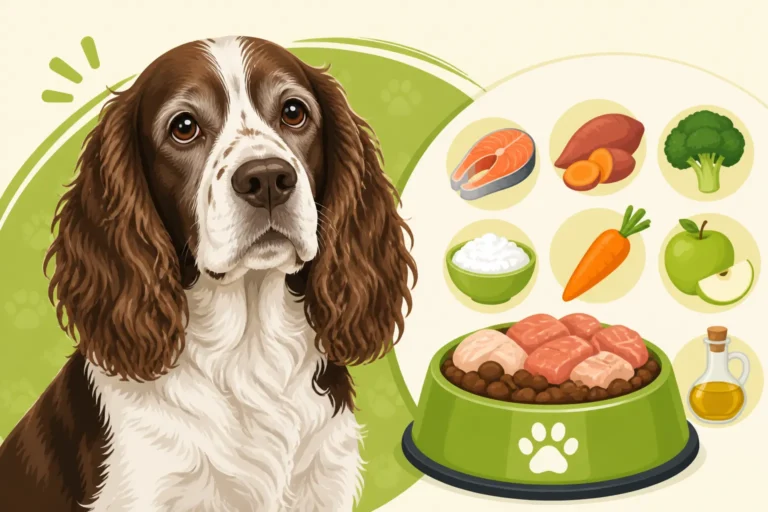
Whether a Springer Spaniel Should Be Fed Before Hunting
It's a common dilemma that many of us who share our lives with a high-energy English Springer Spaniel face: you're heading out for a day of serious exercise, whether it's a long hike, a training session, or an actual hunt, and you wonder if your loyal companion needs a meal beforehand. The fear of them running out of steam is real, but so is the worry about digestive upset. This guide will help you navigate the tricky balance of fueling your Springer Spaniel for optimal performance without risking their health or comfort in the field.
The Dilemma of Pre-Hunt Feeding for Your Springer Spaniel
When you have a dog bred for endurance and intense bursts of activity, like our beloved Springer Spaniels, it's natural to want to ensure they have all the energy they need. You see them quartering a field, nose to the ground, bursting through cover, and you know they're expending a tremendous amount of energy. The thought of them getting hungry or fatigued out there can be quite stressful for us as owners.
Why It's Even a Question: Energy vs. Comfort
On one paw, you’re thinking about sustained energy. A Springer Spaniel on a proper hunt or a long retrieve is essentially an athlete. They need fuel to perform, to concentrate, and to maintain their drive. Without adequate energy, their focus might wane, their stamina could drop, and their overall performance could be compromised. It feels almost counterintuitive to send them out on an empty stomach when they have a full day's work ahead.
On the other paw, there's the very real concern about their comfort and, more importantly, their safety. Imagine trying to run a marathon after eating a huge plate of pasta and meatballs. You'd likely feel sluggish, cramped, and potentially sick. Dogs, especially active breeds with deep chests, can face similar issues, and even more severe ones. A full stomach bouncing around during intense exercise can lead to discomfort, vomiting, or, in the worst-case scenario, a life-threatening condition like bloat. We all want our Springers to feel their best, and sometimes that means making tough decisions about food timing.
Understanding Your Springer's Digestive System During Exertion
When your Springer Spaniel is in full working mode, their body prioritizes blood flow to their muscles, lungs, and heart to support the intense physical demands. This means that processes like digestion get a backseat. Blood flow to the digestive organs is reduced, making it much harder for them to efficiently break down and absorb food.
If they have a significant amount of food in their stomach when they start working, that food can sit there undigested, fermenting and potentially causing gas and discomfort. This isn't just about a belly ache; it can lead to more serious problems. The physical jostling and deep breathing involved in hunting can increase the risk of gastric dilation and volvulus (GDV), commonly known as bloat. Bloat is a condition where the stomach fills with gas and can twist, cutting off blood supply and becoming a medical emergency. While not every full-stomached, exercising dog will bloat, the risk is significant enough to take seriously. Whether a Springer Spaniel Gets Bloat is a genuine concern for us as owners.
Optimizing Fuel: What to Feed and When
So, if feeding a full meal right before a hunt is risky, what's the best strategy to ensure your Springer Spaniel is properly fueled? It's all about choosing the right type of food and timing its delivery meticulously. We want them to have accessible energy stores without having an active digestive process competing with their physical output.
The "What": Type of Food Matters
When we talk about fueling a working dog, we're not just talking about calories; we're talking about the quality of those calories. Easily digestible, high-quality proteins and fats are key. These provide sustained energy without putting undue strain on the digestive system. You want ingredients that are efficient for the body to convert into energy. Look for dog foods specifically formulated for active or performance dogs, as these often have a higher caloric density and a balanced nutrient profile tailored for endurance.
It's also crucial to avoid any new or unusual foods, treats, or table scraps before a big day out. Sticking to their regular, well-tolerated diet is always the safest bet. Introducing anything new can upset their stomach even without exercise, let alone when their body is under stress. Many owners find success exploring performance formulas from trusted brands available at places like Chewy or even specialized raw or fresh food diets from companies like Ollie, though it’s always best to transition these gradually and ensure they agree with your dog before a demanding day. Whether a Working Springer Spaniel Needs a Performance Formula is a question many owners consider.
The "When": Timing is Everything
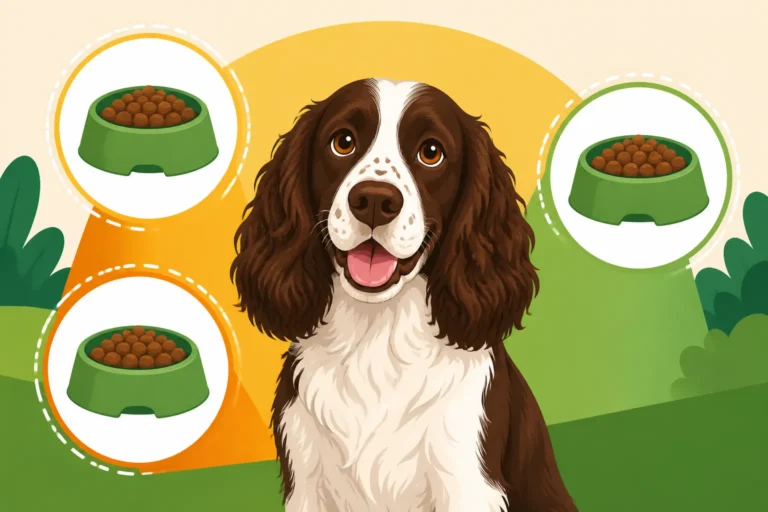
This is arguably the most critical factor. The general consensus among veterinarians and experienced gundog handlers is to provide the main meal at least 2-3 hours before strenuous activity. Some even recommend 4-6 hours, especially for dogs prone to bloat or with more sensitive stomachs. This gives their digestive system ample time to process the food, absorb nutrients, and move most of it out of the stomach before they start working hard.
If you absolutely feel your Springer needs something closer to the activity, a very small, easily digestible snack might be considered, but it should be minimal and perhaps something they've had countless times without issue, like a few pieces of their regular kibble or a small, plain biscuit. We're talking a bite or two, not a substantial portion. The goal is to provide a tiny boost if absolutely necessary, but generally, their primary fuel source should come from a meal eaten hours before.
What about after the hunt? This is often a better time for a full meal. Once your Springer has cooled down, rested, and rehydrated, their body can focus on digestion and recovery. Waiting at least an hour or two after significant exercise, or until their breathing and heart rate have returned to normal, is a good practice before offering a full meal. This allows their body to return to a more normal physiological state where digestion can occur efficiently and safely. How Much a Working Springer Spaniel Should Eat is often better answered with post-hunt feeding in mind.
Hydration: The Often-Overlooked Fuel Component
While we tend to focus heavily on food, we sometimes forget that water is just as, if not more, vital for an active Springer Spaniel. Dehydration can severely impact their performance, recovery, and overall health far more rapidly than a temporary lack of food.
Water is Essential, Always
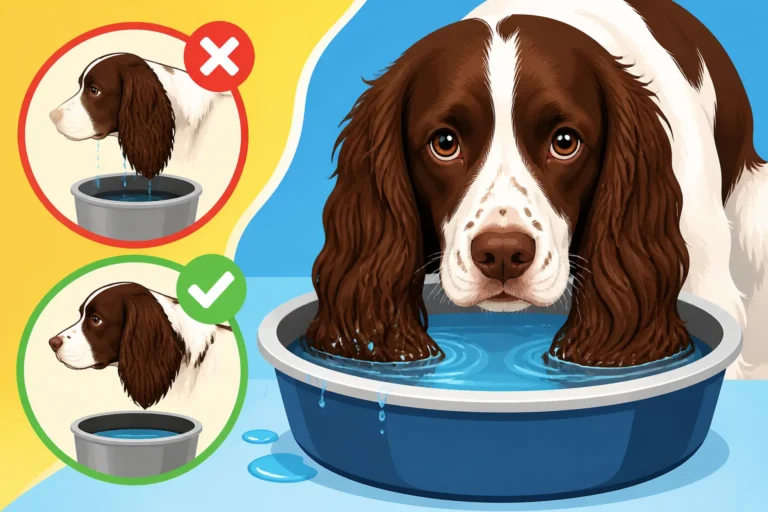
Your Springer Spaniel needs constant access to fresh, clean water, especially before, during, and after any physical activity. Even a slight degree of dehydration can lead to decreased stamina, overheating, and a general feeling of malaise. When they're working hard, panting is their primary way of cooling down, and this process rapidly depletes their body's water reserves.
It's not just about providing water; it's about encouraging them to drink. Offer water breaks frequently, even if they don't seem thirsty. Some dogs get so focused on their "job" that they forget to drink. Look for signs of dehydration such as tacky gums, sunken eyes, or lethargy – though ideally, you're preventing these by ensuring regular hydration. Carrying a portable water bottle and a collapsible bowl is a must for any outing with your Springer. You can find excellent travel bowls on Amazon that make it super easy to keep your dog hydrated on the go. The Daily Routine a Springer Spaniel Actually Needs should always include ample hydration.
Electrolytes and Recovery Drinks
For exceptionally long or intense days in the field, particularly in hot or humid conditions, you might consider offering an electrolyte solution specifically formulated for dogs. These can help replenish vital salts and minerals lost through sweating (yes, dogs do sweat, mostly through their paw pads, but they also lose electrolytes through panting). However, these are not for everyday use and should be used judiciously.
Always consult your veterinarian before incorporating electrolyte drinks into your dog's routine to ensure it's appropriate for their individual health needs. Never give human sports drinks, as they often contain ingredients or sugar levels that are unsuitable for dogs. The focus should always be on plain, fresh water first and foremost. For a normal day of activity, water is perfectly sufficient.
| Meal Timing Strategy | Before Hunt | During Hunt | After Hunt | Considerations |
|---|---|---|---|---|
| Main Meal | 2-4+ hours before | Not recommended | 1-2 hours after cooldown | Crucial for avoiding bloat and digestive upset; ensures energy stores are ready. |
| Small Snack | 30-60 minutes before (optional) | Not recommended | Not recommended | Minimal, easily digestible, only if absolutely necessary for energy or focus, and dog is accustomed. |
| Water | Constant access | Frequent breaks | Constant access | Essential for performance, preventing dehydration and overheating. |
| Electrolytes | Rarely, if ever | For long/intense efforts in heat | For long/intense efforts in heat | Consult vet; use dog-specific products; supplemental, not primary. |
Tailoring the Approach: Individual Needs and Observation
Every Springer Spaniel is a unique individual, and what works perfectly for one might not be ideal for another. While general guidelines are helpful, the most effective feeding strategy will always be one that is tailored to your dog's specific needs, temperament, and activity level.
Every Springer is Different
Think about your own Springer. Do they have a cast-iron stomach, or are they prone to sensitive digestion? Are they a steady worker who paces themselves, or do they go full-throttle from the moment they step out? These factors play a huge role in how they'll handle pre-hunt feeding. A young, fit Springer might burn through calories faster than an older dog, or one that is just starting its working career. What Changes in an Old Springer Spaniel's Care would certainly impact their nutritional needs.
Consider the type of hunting or activity you'll be doing. A leisurely walk through an open field is far different from hours of pushing through dense cover in cold weather or retrieving from icy water. The intensity and duration of the exercise will directly influence how much fuel your dog needs and how sensitive their stomach might be. Whether a Working Springer Spaniel Wears Out Its Joints is another aspect of their physical condition that might affect their energy needs and recovery.
Keeping a Journal and Consulting Your Vet
The best way to figure out the optimal pre-hunt feeding strategy for your Springer Spaniel is to become a keen observer. Keep a simple journal or notes on your phone. Record what you fed them, when you fed them, the type of activity, and how they performed and felt afterward. Did they seem sluggish? Did they have any digestive issues? Were they still energetic at the end of the day? Over time, patterns will emerge, helping you fine-tune your approach.
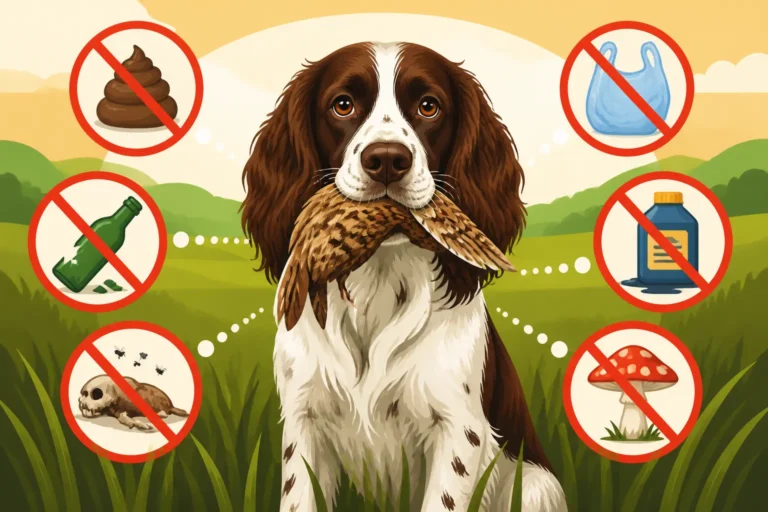
Don't hesitate to involve your veterinarian in these discussions. They can offer personalized advice based on your dog's age, weight, overall health, and any pre-existing conditions. A vet can help you understand Keeping a Springer Spaniel at a Working Weight and how diet influences it. They might also recommend specific dietary supplements or food brands, perhaps discussing options found on platforms like Chewy or Ollie, to support their high activity levels. They can also advise on avoiding common pitfalls like What a Springer Spaniel Picks Up in the Field and Should Not Eat which can throw off their system on an important day. Ultimately, providing the right fuel at the right time is about empowering your Springer to perform their best and enjoy every moment in the field safely and comfortably.
Disclaimer
This article is for general informational purposes only and does not constitute professional advice. Laws, prices and regulations vary by location and change over time. Consult a qualified professional for guidance on your specific situation.