Whether Entropion Surgery Is Common in Springer Spaniels
It's absolutely heartbreaking when you see your beloved English Springer Spaniel squinting, tearing up, or constantly rubbing their eye, clearly in discomfort. As a breed known for their expressive, soulful eyes, any issue affecting them can be a source of immense worry for owners, especially when the dreaded "surgery" word comes up. This comprehensive guide will walk you through everything you need to know about entropion in Springer Spaniels, focusing on why surgery is often the best course of action, what to expect from the procedure, and how to navigate the recovery process, so you can help your furry friend find relief.
Understanding Entropion in English Springer Spaniels
Entropion is one of those conditions that, while not unique to Springer Spaniels, seems to affect them more frequently than some other breeds. It's a structural problem that can cause a lot of pain and potentially lead to long-term vision issues if not addressed. When your dog is uncomfortable, you're uncomfortable, and understanding the root cause is the first step toward finding a solution.
What Exactly Is Entropion?
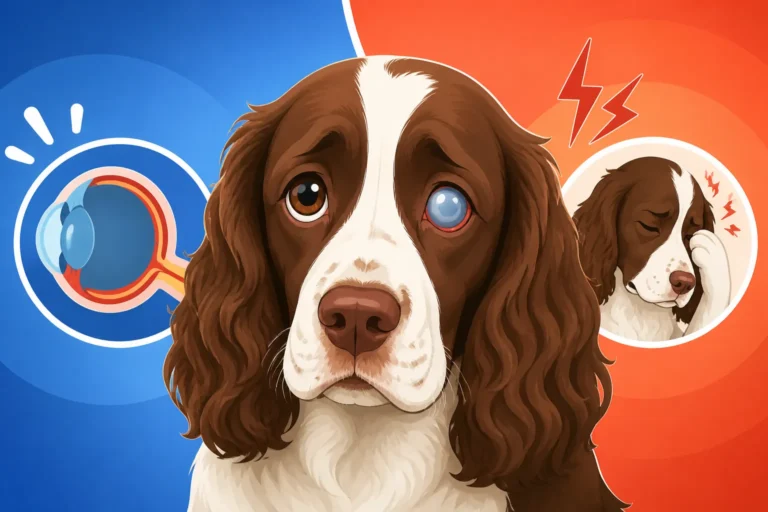
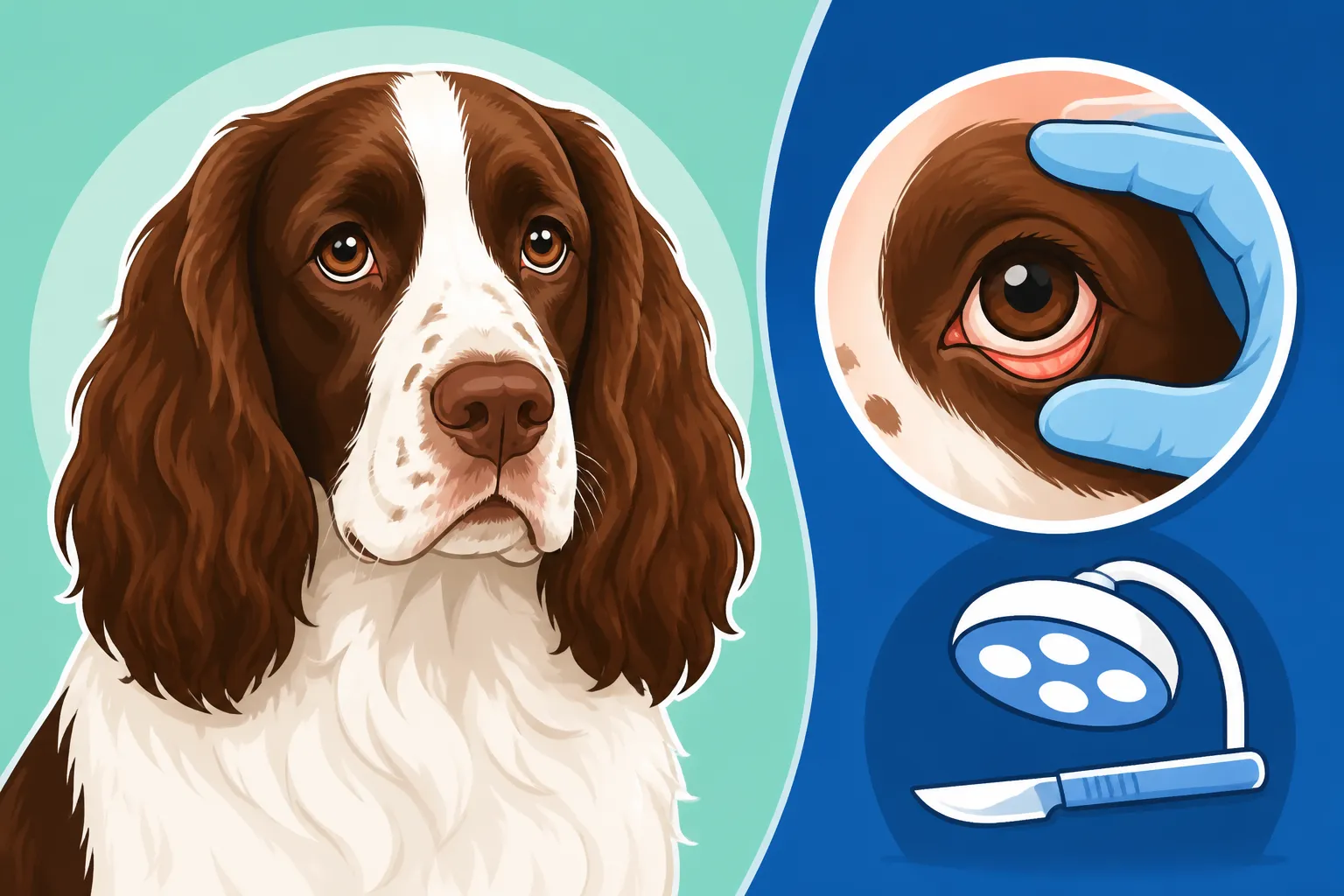
Simply put, entropion is a condition where a portion of the eyelid, usually the lower one, rolls inward towards the eye. Imagine having your eyelashes constantly scratching against your eyeball – that's essentially what your Springer Spaniel is experiencing. The hair on the eyelid, instead of curving outward, rubs against the delicate surface of the cornea. This constant irritation isn't just annoying; it can cause a whole host of problems. We're talking about chronic irritation, excessive tearing, redness, inflammation, and even corneal ulcers if left untreated. These ulcers are particularly concerning because they can lead to scarring, infection, and in severe cases, even rupture of the eyeball. Given the Springer's active nature, always exploring with their nose to the ground, this constant irritation is not just a nuisance but a serious impediment to their joy and well-being.
Signs Your Springer Spaniel Might Have Entropion
Catching entropion early can make a significant difference in treatment and prognosis. As observant dog owners, we're often the first to notice subtle changes in our pets. If you've got a Springer Spaniel, keep a keen eye out for any of these tell-tale signs. You might first notice your dog squinting frequently, especially in bright light. This is their way of trying to minimize the irritation from the inward-rolling lid. Excessive tearing, or epiphora, is another common symptom, where tears spill over the lower eyelid because the normal drainage isn't working correctly, or the eye is simply producing more tears in response to irritation. The white of their eye might appear red and inflamed, or you might even see a cloudy or bluish tint to the cornea, indicating irritation or ulceration. Some dogs will paw at their face or rub their head against furniture or the ground in an attempt to alleviate the discomfort. If you observe your Springer Spaniel doing any of these things, especially if it's persistent, don't delay in getting them to the vet for a proper examination. Early intervention is key, and it might save them a lot of pain and you a lot of worry in the long run.
Why Springer Spaniels Are Prone to Entropion
It’s often frustrating to learn that a breed you adore is predisposed to certain health conditions, and entropion is one of those for English Springer Spaniels. Their lovely, somewhat loose facial skin and expressive, often slightly recessed eyes contribute to this genetic predisposition. Both field-bred and show-bred Springer Spaniels can develop entropion, although some lines might be more prone than others due to breeding practices. When looking for a puppy, it's always wise to ask about the eye health history of the parent dogs. Breeders should be actively screening for conditions like The Four Eye Diseases a Springer Spaniel Breeder Screens For, and responsible breeders will be transparent about any instances of entropion in their lines. The condition can manifest in puppies as young as a few weeks old, or sometimes later as they mature. In puppies, it might be observed as a mild irritation that can sometimes resolve as their facial structure grows. However, if it's severe or persistent, it typically requires intervention. This genetic link is why choosing a reputable breeder is so crucial, as they work to reduce the prevalence of such inherited conditions.
Diagnosing and Treating Entropion
Once you suspect entropion, getting an accurate diagnosis is paramount. It’s important not to self-diagnose, as other eye conditions like Primary Glaucoma and the Springer Spaniel That Loses an Eye or Retinal Dysplasia in a Springer Spaniel can present with similar symptoms but require entirely different treatments. Your veterinarian, or ideally a veterinary ophthalmologist, is the best person to evaluate your Springer's eyes.
The Diagnostic Process
When you take your Springer Spaniel to the vet with concerns about their eyes, the diagnostic process will typically begin with a thorough physical examination. The vet will carefully observe your dog's eyelids, noting how they sit and whether they roll inward. They might use a bright light and magnification to get a closer look at the cornea for any signs of irritation, scratches, or ulcers. A common diagnostic tool is a fluorescein stain test, where a special orange dye is applied to the eye. If there's any damage to the cornea, the dye will stick to those areas, making them glow green under a blue light. This helps the vet identify corneal abrasions or ulcers caused by the constant rubbing of the eyelid hair. They might also check tear production, as excessive tearing can be a symptom, but also conditions like dry eye can exacerbate irritation. Don't be surprised if your vet recommends a referral to a board-certified veterinary ophthalmologist; these specialists have advanced equipment and expertise in eye conditions, ensuring the most accurate diagnosis and treatment plan. It’s reassuring to know you’re getting expert advice for your precious Springer’s well-being.
Non-Surgical Approaches and When They're Considered
While surgery is often the definitive treatment for entropion, there are situations where non-surgical approaches might be considered, especially in younger puppies. Sometimes, very young puppies exhibit temporary entropion due to their rapid growth, and a technique called "eyelid tacking" can be used. This involves placing temporary sutures in the eyelid to evert it, essentially holding it in the correct position. The sutures are usually left in for a few weeks, allowing the puppy's facial muscles and bone structure to develop, hopefully resolving the issue naturally. This is generally a much less invasive procedure than full surgery.
For mild cases in adult dogs, or as a temporary measure before surgery, your vet might prescribe lubricating eye drops or antibiotic ointments to manage irritation and prevent infection. However, it's crucial to understand that these are palliative measures – they treat the symptoms but don't correct the underlying anatomical problem. They won't stop the eyelid from rolling inward, and the constant irritation will persist. Therefore, while these can offer some comfort, they are rarely a long-term solution for most Springer Spaniels with true entropion.
When Surgery Becomes Necessary
The decision to proceed with surgery, while daunting, is usually made when the discomfort and potential for damage outweigh the risks of the procedure. For many Springer Spaniels, this point is reached fairly quickly. If non-surgical methods haven't worked, or if the entropion is causing significant pain, chronic irritation, frequent corneal ulcers, or threatening your dog's vision, surgery becomes the primary recommendation. The continuous rubbing of hair against the cornea can lead to irreversible scarring, which can permanently impair vision. Nobody wants to see their energetic Springer Spaniel lose their sight or live in constant pain.
The severity of the inward roll, the frequency and depth of corneal ulcers, and the dog's overall discomfort are all factors a vet or ophthalmologist will consider. If your Springer Spaniel is constantly pawing at their eyes, has noticeable discharge, or is reluctant to open their eyes fully, these are strong indicators that surgery is likely needed. It's about improving their quality of life and preventing more serious, permanent damage. Often, owners feel a sense of relief once the decision is made, knowing that a permanent solution is on the horizon.
Entropion Surgery: What to Expect
Once you've made the decision for surgery, it's natural to have questions and concerns about the procedure itself and what recovery will look like. Knowledge is power, and being well-informed can ease a lot of the anxiety.
The Surgical Procedure Explained
Entropion surgery, often referred to as blepharoplasty, aims to correct the inward-rolling eyelid by removing a small, crescent-shaped piece of skin and muscle from the affected eyelid. The goal is to tighten and evert the eyelid, repositioning it so that the eyelashes no longer rub against the cornea. There are several techniques, but the most common involves carefully excising the tissue and then meticulously suturing the wound, which pulls the eyelid into a more natural, outward position.
Your Springer Spaniel will be under general anesthesia for the procedure, which typically takes about 30 to 60 minutes, depending on the severity and whether one or both eyes are affected. Before surgery, your dog will undergo pre-anesthetic blood work to ensure they are healthy enough for anesthesia. The veterinary team will monitor their vital signs closely throughout the procedure. The precision required for this surgery often means it's performed by a specialist veterinary ophthalmologist to achieve the best functional and cosmetic outcome. You'll likely pick your dog up later the same day, a little groggy from the anesthesia, but already on the road to recovery.
Post-Operative Care and Recovery
The post-operative period is crucial for a successful outcome. Your Springer Spaniel will likely come home with an Elizabethan collar (the dreaded "cone of shame") to prevent them from rubbing or scratching at their sutures, which could lead to infection or disrupt the healing process. This cone might be on for 10-14 days, which can be a bit of an adjustment for both of you, but it’s absolutely essential.
You'll be sent home with medications, typically a course of oral antibiotics to prevent infection, pain medication to keep them comfortable, and possibly topical eye drops or ointments to aid healing and keep the eye lubricated. It's vital to administer all medications exactly as prescribed. Activity restriction is also key; no strenuous exercise, rough play, or swimming during the healing period. Short, leashed walks are usually fine. You'll have follow-up appointments with your vet or the ophthalmologist to check the healing progress and remove sutures, usually around 10-14 days post-op. This meticulous aftercare is what makes all the difference, ensuring your Springer has the best chance at a full recovery and comfortable eyes. You might even find that getting a Whether a Springer Spaniel Needs a Yearly Eye Exam becomes a much less stressful event after this.
Success Rates and Long-Term Outlook
The good news is that entropion surgery typically has a very high success rate in permanently correcting the condition and alleviating the associated discomfort. Most Springer Spaniels experience significant relief from irritation and pain, and the risk of corneal damage drastically decreases. It's wonderful to see them open their eyes fully again, no longer squinting, and with far less tearing.
However, it’s important to have realistic expectations. In some complex cases, particularly if the initial entropion was severe, or if the dog has very lax eyelid tissue, a second, minor "touch-up" surgery might be necessary to achieve optimal correction. This isn't common, but it's a possibility to be aware of. Recurrence after a well-performed surgery is rare, but it's why careful monitoring and regular vet check-ups are still important. For puppies who undergo temporary tacking, there's always a chance they might need full surgery later if the issue doesn't resolve with growth. Overall, entropion surgery dramatically improves a Springer Spaniel's quality of life, allowing them to see clearly and live without chronic pain. They can go back to being their happy, adventurous selves, whether that's Caring for a Springer Spaniel Past Nine or just enjoying their younger years.
Costs and Insurance Considerations for Entropion Surgery
Let's be real, veterinary care, especially surgery, can be a significant financial undertaking. It's a common frustration that you just want the best for your dog, but the costs can feel overwhelming. Understanding the financial aspects upfront can help you plan and manage your budget.
Understanding the Financial Burden
The cost of entropion surgery for a Springer Spaniel can vary widely based on several factors, including your geographic location, the veterinary clinic or specialist you choose, the severity of the condition, and whether one or both eyes require surgery. Typically, you're looking at a range that includes:
- Initial Consultation and Diagnostics: This covers the vet visit, eye examination, fluorescein stain test, and any pre-surgical blood work.
- Surgical Fees: This is the bulk of the cost, covering the surgeon's time, anesthesia, operating room use, and monitoring.
- Medications: Post-operative antibiotics, pain relief, and eye drops or ointments.
- Follow-up Visits: Post-operative checks and suture removal.
A general estimate for entropion surgery could range from $1,000 to $3,000 per eye, or potentially more for complex cases or if performed by a specialized veterinary ophthalmologist. It's a significant amount, but when you weigh it against your dog's comfort and long-term health, it's an investment many owners are willing to make. You can find more general insights into veterinary expenses in guides like What a Springer Spaniel's Vet Bills Look Like.
| Cost Component | Estimated Range (Per Eye) |
|---|---|
| Initial Consultation & Diagnostics | $100 – $300 |
| Pre-Anesthetic Bloodwork | $150 – $300 |
| Anesthesia & Monitoring | $300 – $600 |
| Surgical Procedure (Ophthalmologist) | $800 – $2,000 |
| Post-Op Medications | $50 – $150 |
| Follow-up Visits | $50 – $150 |
| Total Estimated Cost | $1,450 – $3,500+ |
Note: These are estimates and can vary significantly. Always get a detailed quote from your veterinary clinic.
Pet Insurance and Entropion
This is where pet insurance can truly be a lifesaver, alleviating a considerable portion of the financial stress. If you have pet insurance, and your Springer Spaniel's entropion isn't considered a pre-existing condition, the surgery costs could be largely covered. Most comprehensive pet insurance plans, like those offered by Healthy Paws, will cover surgical procedures, anesthesia, medications, and diagnostics for conditions like entropion.
It's crucial to enroll in pet insurance early in your dog's life, ideally before any health issues arise, because policies typically exclude pre-existing conditions. If your Springer Spaniel already has symptoms of entropion or has been diagnosed before you get insurance, it will likely be considered pre-existing and won't be covered. However, if you've had a Healthy Paws policy (or a similar one) in place since they were a puppy, the coverage for this type of essential surgery can make a huge difference. Don't forget that costs for ongoing care, like what What Chronic Ear Disease Costs a Springer Spaniel Owner entails, can also be covered by insurance if you plan ahead.
Preventing Future Eye Issues
While you can't entirely eliminate the genetic predisposition to entropion in Springer Spaniels, there are proactive steps you can take. First and foremost, choose your breeder wisely. A responsible breeder will conduct comprehensive health screenings on their breeding stock, including eye certifications from organizations like the OFA (Orthopedic Foundation for Animals) or CERF (Canine Eye Registration Foundation). They should be able to provide documentation of these screenings, showing that their dogs are free from inherited eye conditions. Asking about What a Springer Spaniel Puppy's Eyes Are Checked at Eight Weeks at the breeder's facility is a good start.
Regular veterinary check-ups are also vital. Your vet can often spot subtle signs of entropion or other eye issues early, making treatment easier and potentially less invasive. Getting a The DNA Test That Should Precede Every Springer Spaniel Purchase can also provide insights into genetic predispositions, though a direct DNA test for entropion isn't common. For active Springer Spaniels, especially those working in the field, always check their eyes carefully after outings, as debris can exacerbate irritation. A guide on Whether a Springer Spaniel's Eyes Should Be Flushed After Cover can be very helpful. While you can't guarantee your Springer will never face eye problems, these preventative measures significantly reduce the risks and help ensure their eyes remain healthy and comfortable.
Disclaimer
This article is for general informational purposes only and does not constitute professional advice. Laws, prices and regulations vary by location and change over time. Consult a qualified professional for guidance on your specific situation.