Whether a Fucosidosis Springer Spaniel Can Be Treated
Receiving a diagnosis of Fucosidosis in your beloved Springer Spaniel is truly heartbreaking, a moment when your world probably feels like it's crumbling. You're desperately searching for answers, hoping against hope that there's a treatment, a cure, anything that can help your furry family member. This guide aims to tackle that difficult question head-on, explaining the reality of Fucosidosis and what a diagnosis means for your dog's future, focusing on how you can best support them.
Understanding Fucosidosis: A Devastating Genetic Reality
Fucosidosis is a cruel, inherited neurodegenerative disease that primarily affects English Springer Spaniels. It’s not something your dog caught, nor is it due to anything you did or didn’t do. Instead, it’s caused by a faulty gene that leads to a deficiency of an enzyme called alpha-L-fucosidase. This enzyme is crucial for breaking down certain complex sugars (fucosides) within the cells. Without it, these toxic substances accumulate in various tissues, especially in the brain and nervous system, leading to severe and progressive neurological damage.
The disease manifests in a way that is incredibly challenging for owners to witness. Initially, symptoms might be subtle, perhaps just a slight change in temperament or a bit of clumsiness. However, as these toxic materials build up, the damage becomes more extensive and apparent, leading to a rapid decline in your dog's quality of life. Knowing that it’s genetic and progressive makes the situation even more difficult to bear, as there’s no way to prevent its inevitable progression once symptoms appear. It’s a truly unfair hand dealt to these wonderful dogs and their devoted families.
The Age Fucosidosis Appears and Its Cruel Progression
One of the most agonizing aspects of Fucosidosis is that it typically strikes when your Springer Spaniel is still relatively young, often between 18 months and 4 years of age. This means you might have spent the puppy and adolescent years with a seemingly healthy, vibrant dog, only for these devastating symptoms to emerge suddenly. Imagine the shock and confusion when your once playful and coordinated companion starts showing signs of neurological impairment. It's a cruel twist of fate that robs them of their prime years.
The disease begins subtly, with early signs sometimes being mistaken for other issues. You might notice a lack of coordination, a slightly altered gait, or perhaps some uncharacteristic anxiety. As the disease progresses, these symptoms become more pronounced, impacting their ability to walk, eat, and interact normally. Within a relatively short period, often just a few weeks to several months from the first signs, the disease can become severely debilitating. It's truly shocking how quickly Fucosidosis Kills a Springer Spaniel Within Weeks of the First Sign. The speed of decline is one of the hardest things to cope with, leaving little time to adjust or prepare.
What Fucosidosis Does to a Springer Spaniel's Body and Mind
The impact of Fucosidosis is widespread, affecting both the physical and mental well-being of your dog. Neurological signs are paramount and often the most distressing. Your dog might start to stumble, have difficulty with balance, or struggle with stairs. This is because a Fucosidosis Springer Spaniel Loses Coordination as the disease attacks the central nervous system. Beyond mobility, their sensory functions can be compromised. It's not uncommon for a Fucosidosis Springer Spaniel Goes Deaf, further isolating them from their environment and loved ones.
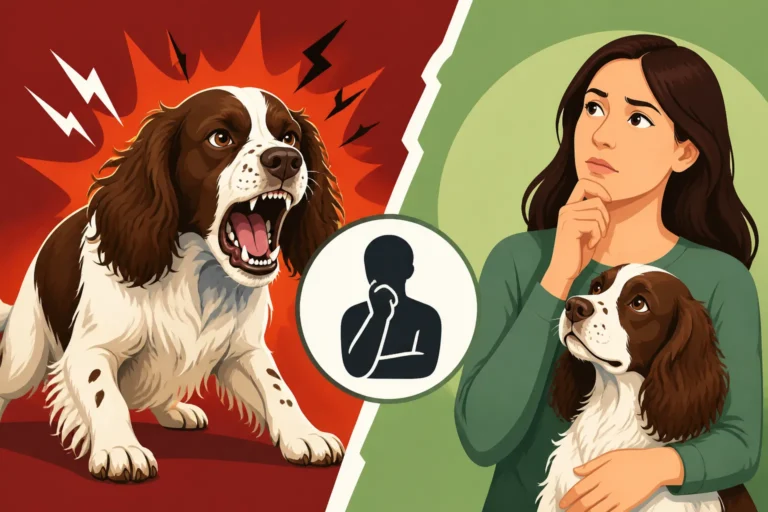
Behavioral changes are also incredibly common and can be particularly distressing. You might notice that a Fucosidosis Springer Spaniel Behaves Strangely First, perhaps becoming unusually aggressive, withdrawn, or disoriented. These changes aren't a reflection of their true personality but a direct result of the brain damage occurring. Your once predictable and loving companion might start to seem like a different dog, which is incredibly painful to witness. The disease can also affect their ability to swallow, leading to difficulties eating and drinking, and in later stages, they may develop seizures or become completely unresponsive.
The Harsh Reality: No Cure, But Management Is Key
Now, to directly address the question that brought you here: Can a Fucosidosis Springer Spaniel be treated? The heartbreaking truth is that, as of now, there is no cure or specific treatment for Fucosidosis. Because it's a genetic metabolic disorder causing progressive neurological degeneration, once the symptoms begin, there's no way to halt or reverse the damage. This is an incredibly difficult reality for any pet owner to accept, especially when you feel so helpless.
While a cure remains elusive, that doesn't mean you're entirely without options. The focus shifts entirely to supportive and palliative care. This means doing everything within your power to manage the symptoms, maintain your dog's comfort, and ensure their quality of life for as long as possible. It's about making each day count, providing comfort and love even as the disease takes its toll. This approach, while not curative, is vital for both your dog's well-being and your own peace of mind.
Why a Cure Remains Elusive for Fucosidosis
The challenge in finding a cure for Fucosidosis lies in its complex genetic nature and the way it affects the body. Since the problem stems from a missing or malfunctioning enzyme within the cells, simply administering a drug isn't enough to correct the fundamental metabolic error happening throughout the nervous system. The accumulated toxins have already caused irreversible damage, particularly in the brain, making it incredibly difficult to undo.
Scientists have been researching genetic therapies for similar lysosomal storage diseases in humans and animals, but these are incredibly complex and still largely experimental. The goal would be to introduce a functional copy of the gene that produces the missing enzyme, but delivery to all affected cells, especially those in the brain, is a monumental task. The progressive nature means that by the time symptoms are evident, significant damage has often already occurred, presenting a moving target for any potential therapy. This is why prevention through responsible breeding and genetic testing, like The DNA Test That Finds Fucosidosis in a Springer Spaniel, is so critically important.
Focusing on Supportive Care and Comfort Measures
Since a cure isn't an option, our efforts must concentrate on making your Springer Spaniel as comfortable and happy as possible for the time you have left together. This supportive care is crucial for managing the symptoms and preserving their dignity. Your veterinarian will be your best partner in this, helping you navigate the challenges and make informed decisions.
Consider these areas for supportive care:
- Mobility Assistance: As coordination declines, your dog might need help getting around. Ramps, non-slip mats, dog boots, or even a harness with handles can provide stability and prevent falls. For dogs with significant mobility issues, a dog wheelchair or cart might be considered to allow them to maintain some independence and enjoy walks.
- Nutritional Support: Difficulty swallowing or changes in appetite are common. Your vet might recommend a softer diet, elevated food bowls, or even special feeding techniques to ensure they get adequate nutrition. Monitoring their weight is vital.
- Environmental Adjustments: Make your home safer by blocking off stairs, padding sharp corners, and ensuring a calm, consistent environment. Reducing loud noises and sudden movements can help dogs who are becoming disoriented or anxious.
- Medication for Secondary Symptoms: While there's no Fucosidosis medication, your vet might prescribe drugs to manage secondary symptoms like seizures, anxiety, or pain if they arise. For example, if your dog is experiencing significant tremors or discomfort, appropriate pain relief or muscle relaxants might improve their comfort.
- Mental Enrichment: Even with cognitive decline, gentle mental stimulation can be beneficial. Scent games, simple puzzle toys (adapted for their abilities), or short, familiar walks can provide enrichment without overstimulating them.
- Grooming and Hygiene: As mobility decreases, regular grooming becomes even more important to prevent matting, skin infections, and discomfort. Keep their ears clean, especially if they are prone to ear infections, which can worsen balance issues.
This is where planning and financial considerations often come into play. While the initial diagnosis doesn't have a specific treatment cost, the ongoing supportive care can add up. Pet insurance, such as a plan from Healthy Paws, might offer coverage for these diagnostic tests, veterinary consultations, and prescribed medications for secondary symptoms, depending on your policy and when it was initiated relative to the diagnosis. It’s always worth checking your policy details or speaking with a representative from a provider like Healthy Paws to understand what’s covered.
Navigating Life with a Fucosidosis Diagnosis: Practical Steps for Owners
Receiving a Fucosidosis diagnosis is devastating, and while there's no cure, your role as a loving owner becomes even more critical in managing your dog's comfort and quality of life. This means making a lot of difficult decisions and being proactive in adapting to their changing needs. It's a journey that requires immense patience, empathy, and resilience. Remember, you're not alone in this, and there are resources to help you through.
The first step after diagnosis is to have a frank and open conversation with your veterinarian. They can help you understand the typical progression of What Fucosidosis Does to a Springer Spaniel and what to expect in the coming weeks and months. This might involve discussing a realistic timeline and setting clear goals for what "quality of life" means for your individual dog. It’s not just about managing physical symptoms but also ensuring their emotional well-being.
Preparing Your Home for Your Dog's Changing Needs
As your Springer Spaniel’s condition progresses, their once-familiar home environment might become a source of confusion or danger. Taking proactive steps to adapt your living space can significantly improve their safety and comfort. Think about how their declining coordination, vision, or hearing might affect them in their daily routine.
Here are some practical considerations:
- Flooring: If you have slippery floors (hardwood, tile), lay down non-slip rugs or runners, especially in areas where your dog frequently walks, eats, or sleeps. This can prevent painful slips and falls, which can be disorienting and scary for them.
- Stairs and Heights: Block access to stairs if your dog can no longer navigate them safely. Consider ramps for getting into and out of vehicles, or onto furniture if they're still able and enjoy being elevated with you.
- Designated Safe Spaces: Create a quiet, comfortable "den" for your dog where they can retreat and feel secure. This might be a crate with soft bedding, a dog bed in a low-traffic area, or a small, enclosed room. Ensure it's easily accessible and familiar.
- Water and Food Bowls: Use elevated bowls to make eating and drinking easier, especially if they have trouble bending down or swallowing. Heavy, non-slip bowls are also important to prevent tipping.
- Night Lights: If your dog's vision is declining, or if they become disoriented at night, consider using night lights around the house to help them navigate in the dark.
- Sound and Smell: Maintain a consistent routine and familiar smells. Avoid rearranging furniture too drastically. If hearing is impacted, rely more on visual cues and gentle touch.
These adjustments might seem small, but they can make a monumental difference in your dog's daily life, reducing their stress and making them feel more secure in their surroundings.
Monitoring Quality of Life and When to Say Goodbye
This is, without a doubt, the most agonizing part of caring for a dog with a progressive terminal illness. Deciding when to say goodbye is a deeply personal and incredibly difficult decision. It’s a profound act of love, choosing to prevent further suffering even when your heart is breaking. Your veterinarian can help you assess your dog's quality of life, but ultimately, you know your dog best.
Here’s a framework for monitoring their quality of life:
- Appetite and Hydration: Are they still eating and drinking enough? Are they showing interest in food, even if it's special treats?
- Pain and Comfort: Are they visibly in pain, struggling to get comfortable, or constantly restless despite pain medication?
- Hygiene and Cleanliness: Are they able to relieve themselves without difficulty, or are they experiencing frequent accidents, which can be distressing for them?
- Happiness and Engagement: Do they still enjoy their favorite activities, even if modified? Do they greet you, wag their tail, or show interest in their surroundings? Are they having more good days than bad?
- Mobility: Can they still move around enough to get to food, water, and their potty spots? Are they constantly struggling or falling?
It’s helpful to keep a journal of their good days versus bad days. When the bad days consistently outweigh the good, and when supportive measures no longer provide adequate comfort or joy, it might be time to consider whether a Fucosidosis Springer Spaniel Is Euthanized. This decision is about ensuring your beloved companion retains their dignity and is spared from unnecessary suffering. Many veterinary practices offer in-home euthanasia, which can provide a peaceful and familiar setting for this final act of love.
The Emotional Toll and Finding Support
Living with a Springer Spaniel diagnosed with Fucosidosis takes a significant emotional toll. You're watching a vibrant, cherished member of your family slowly decline, and it's completely natural to feel overwhelmed by a rollercoaster of emotions: sadness, anger, guilt, fear, and helplessness. Many owners feel isolated, as not everyone understands the depth of the bond we share with our dogs or the pain of facing such a challenging diagnosis. It’s important to acknowledge these feelings and give yourself permission to grieve.
Remember that you are providing immense comfort and love to your dog during their most vulnerable time. This unconditional care, even without a cure, is a testament to your bond. Don't hesitate to seek out support for yourself, whether from friends, family, or professional resources.
Coping with Anticipatory Grief and Loss
Anticipatory grief is a very real experience for pet owners facing a terminal diagnosis. It's the mourning process that begins before the actual loss, as you watch your dog's health deteriorate. This can be incredibly draining, making you feel perpetually sad or anxious. You might find yourself cherishing every moment, yet simultaneously dreading the future.
Allow yourself to feel these emotions. It’s a healthy response to a painful situation. Talking about your feelings with someone you trust can be incredibly therapeutic. Consider joining online forums or local support groups for pet owners dealing with chronic or terminal illness. Sharing experiences with others who truly understand what you're going through can provide immense comfort and validation. Knowing that your emotions are normal and shared by others can lessen the feeling of isolation.
The Importance of a Strong Veterinary Relationship
Your veterinary team is not just there for medical advice; they are a crucial source of emotional support during this difficult journey. A good veterinarian will offer not only practical guidance on managing your dog's symptoms but also compassionate understanding of the emotional challenges you face. They can help you interpret subtle changes in your dog's behavior, advise on pain management, and discuss when it's appropriate to consider difficult decisions.
Establishing a strong, trusting relationship with your vet is invaluable. Don't be afraid to ask questions, express your concerns, or even just share your feelings. They've seen countless families go through similar situations and can offer a compassionate ear and expert perspective. This continuous dialogue will empower you to make the best decisions for your Springer Spaniel, ensuring their comfort and preserving your bond until the very end. Having a consistent point of contact, especially if you have pet insurance like Healthy Paws, can streamline the process of understanding covered treatments and managing claims, allowing you to focus more on your dog.
| Fucosidosis Symptom Category | Early Signs (18 months – 3 years) | Moderate Progression (3 – 4 years) | Advanced Stages |
|---|---|---|---|
| Neurological/Motor | Mild unsteadiness, clumsy gait | Obvious lack of coordination, stumbling, difficulty with stairs, head tremors | Severe ataxia, inability to walk, frequent falls, seizures |
| Behavioral/Cognitive | Increased anxiety, slight changes in temperament, confusion | Disorientation, aggression, withdrawal, staring into space, vocalization | Profound cognitive decline, unresponsiveness, loss of learned behaviors |
| Sensory | Subtle vision or hearing changes | Noticeable vision impairment, hearing loss (e.g., ignoring commands) | Blindness, deafness, loss of other senses |
| Eating/Swallowing | Minor difficulty eating, slow chewing | Drooling, dysphagia (difficulty swallowing), weight loss | Inability to eat or drink independently, aspiration pneumonia risk |
| General Well-being | Reduced energy, less enthusiastic | Significant decrease in activity, difficulty resting comfortably | Complete debilitation, loss of quality of life |
Building a Support System for You and Your Dog
When you're facing a diagnosis like Fucosidosis, it's essential to build a robust support system around you. This network can provide practical help, emotional comfort, and a much-needed sense of community. Don't try to go through this alone; reach out to those who care about you and your dog.
Consider these avenues for building your support system:
- Family and Friends: Lean on those closest to you. They can offer a listening ear, help with daily tasks when you're overwhelmed, or simply provide companionship. Even just having someone offer to take your other dogs for a walk or bring over a meal can be incredibly helpful.
- Online Communities: There are numerous online support groups specifically for owners of dogs with chronic or terminal illnesses. Searching for groups focused on Springer Spaniels or neurodegenerative diseases can connect you with others who genuinely understand your unique challenges. Sites like the English Springer Spaniel Field Trial Association or other breed-specific clubs might have forums where members share experiences and offer advice, though always consult your vet for medical guidance.
- Professional Grief Counseling: If the emotional burden feels too heavy, don't hesitate to seek help from a professional pet bereavement counselor. These specialists understand the unique bond between humans and animals and can provide strategies for coping with grief, anticipatory grief, and difficult decision-making. Many hospices or veterinary schools offer these services.
- Veterinary Technicians and Staff: Often, vet techs spend a lot of time with your dog and can offer insights into their behavior during visits. They can also be a wonderful source of practical advice and emotional understanding, as they witness these journeys frequently. They can help you navigate ongoing care, potential referrals, and the logistical aspects of your dog's health, including understanding what your Healthy Paws policy covers.
Remember, caring for a Fucosidosis Springer Spaniel is an act of profound love. By focusing on comfort, managing symptoms, and building a strong support system, you can ensure your beloved companion receives the best possible care during their difficult journey, cherishing every moment you have together.
Disclaimer
This article is intended for informational purposes only and does not constitute veterinary advice. Always consult with a qualified veterinarian for any health concerns or before making any decisions about your pet's care.