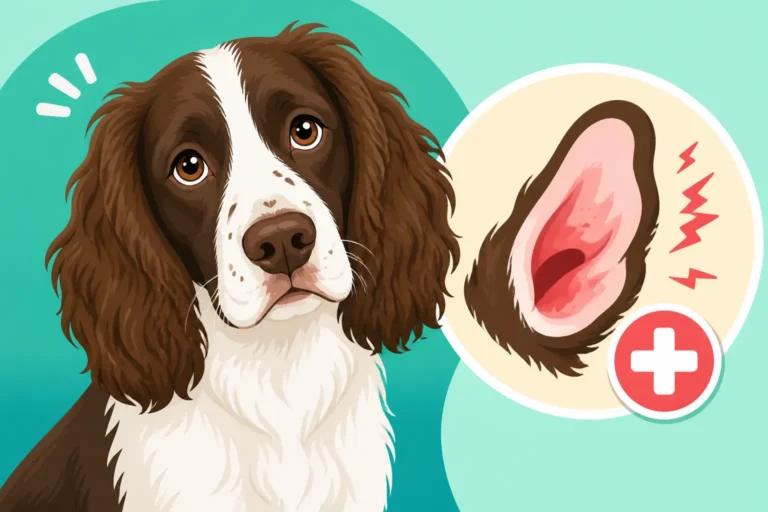
What Chronic Ear Disease Costs a Springer Spaniel Owner
The gnawing worry of seeing your beloved Springer Spaniel shaking their head, scratching at their ears, or whimpering with discomfort due to persistent ear infections is a burden many owners know all too well. It’s not just a minor irritation; chronic ear disease can be debilitating for your dog and profoundly stressful for you, leading to a relentless cycle of vet visits, medications, and escalating costs. This comprehensive guide will break down the true financial and emotional investment involved in managing chronic ear disease in your English Springer Spaniel, offering a realistic look at what you can expect.
The Frustration of Recurring Ear Infections: More Than Just a Nuisance
Chronic ear infections in English Springer Spaniels are a heartbreaking reality for many owners. It’s a relentless cycle of hope when medication works, followed by crushing disappointment when the symptoms inevitably return. This isn't just about your dog being a little itchy; it's about persistent pain, discomfort, and a significant reduction in their quality of life. Owners often feel a deep sense of frustration, wondering if they're doing something wrong or if there's an end in sight.
Why Springer Spaniels Are Prone to Ear Issues
The very features that make our Springer Spaniels so endearing – those long, pendulous ears – are also their Achilles' heel when it comes to ear health. These drop ears effectively cover the ear canal, creating a warm, dark, and humid environment that is absolutely ideal for bacteria and yeast to thrive. It's like a tiny, self-contained greenhouse for microbes, especially when you factor in their love for water. Every swim, every rainy walk, every romp through dewy grass can introduce moisture that then gets trapped, leading to an overgrowth of opportunistic organisms. Furthermore, many Springer Spaniels have a lot of hair growing inside their ear canals, which can further impede airflow and trap debris and moisture.
Beyond the physical structure, there’s an unfortunate genetic predisposition at play. Many Springer Spaniels are prone to allergies – both environmental and food-related – and ear infections are a classic manifestation of these underlying allergic reactions. It’s not just an ear infection; it’s an allergic response showing up in the ears. This means that merely treating the infection isn't enough; you have to get to the root cause, which can be a complex and often expensive journey. This underlying vulnerability explains Why a Springer Spaniel's Ears Are Never Quite Healthy.
When you combine these factors – the perfect anatomical setup, a genetic predisposition to allergies, and their natural inclination towards activities involving water and damp environments – it’s easy to see why chronic ear disease is such a pervasive problem within the breed. It's not a question of if your Springer Spaniel will get an ear infection, but often when and how frequently. This understanding can help temper some of the self-blame many owners experience, as it truly is a breed-specific challenge.
The Emotional Toll of Constant Discomfort
Watching your beloved dog suffer, day in and day out, takes an incredible emotional toll on an owner. The constant head shaking, the frantic scratching, the pained yelps, the reluctance to be touched around their ears – it's heartbreaking. You feel helpless, despite doing everything your vet tells you. There's the guilt that you might not have caught it soon enough, or that perhaps you missed a cleaning. This emotional burden is often overlooked when discussing the "costs" of chronic ear disease, but it's very real. It impacts your bond with your dog, as you might hesitate to cuddle or play in ways that could accidentally cause pain.
The disrupted sleep from your dog shaking their head all night, or the worry that they’re in agony even when they’re quiet, adds to the stress. Owners often find themselves constantly inspecting their dog's ears, sniffing for that tell-tale yeasty odor, or feeling for warmth and swelling. This hyper-vigilance is exhausting. It's not just about the pain your dog feels; it's about the pervasive anxiety it creates for you. You want your dog to be happy and comfortable, and when they’re not, it affects your entire household.
Moreover, the sheer duration of chronic conditions can lead to caregiver fatigue. When you've been battling ear infections for months or even years, the initial enthusiasm for treatment can wane, replaced by a weary resignation. It’s a marathon, not a sprint, and maintaining consistency with daily cleanings and medications while managing your own life can become a significant challenge. This emotional drain is a critical, albeit unquantifiable, part of what chronic ear disease costs a Springer Spaniel owner.
Recognizing the Early Warning Signs
Catching an ear infection early is absolutely crucial for your Springer Spaniel, not just for their comfort but also to try and prevent it from spiraling into a chronic issue. Many owners initially dismiss subtle signs, thinking their dog is just a bit itchy or has some normal ear wax. However, being attuned to the first whispers of trouble can make a huge difference in treatment efficacy and cost. One of the most common signs is an increase in head shaking. It might start subtly, just a few shakes after a nap, but it’s a red flag that something isn’t quite right in there.
Another key indicator is scratching at the ears. Your Springer might use a back paw, or rub their head along furniture or the carpet. This often accompanies the head shaking. You might also notice a change in the ear itself. Is it redder than usual inside? Does it feel warm to the touch? Is there any swelling around the ear canal opening? These physical changes are clear indicators of inflammation and discomfort.
Don't forget to use your nose! A healthy ear should have minimal odor. If you start to detect a yeasty, sweet, or generally unpleasant smell emanating from the ear, it’s a strong sign of an infection, typically bacterial or fungal. Additionally, discharge from the ear is a clear red flag. This could be dark brown, black, yellow, or even bloody, and its consistency can range from waxy to pus-like. Any of these signs warrant a call to your vet, as delaying treatment can allow the infection to become deeper, more painful, and much harder – and more expensive – to resolve. Being proactive means a better chance of managing Signs a Springer Spaniel Has an Ear Infection effectively.
Initial Vet Visits and Diagnostics: The First Wave of Expenses
When you first notice those tell-tale signs of discomfort in your Springer Spaniel’s ears, your immediate thought is to get them to the vet. This initial visit marks the beginning of the financial journey for chronic ear disease, and it’s important to understand what these initial diagnostic steps entail and what they might cost. It's rarely a one-and-done situation, especially with a breed prone to recurring issues.
The Cost of a Basic Examination and Ear Swab
Your first step at the vet will always be a comprehensive examination. The vet will look at your dog’s general health, but pay particular attention to the ears. They’ll visually inspect the outer ear, gently palpate the ear canal, and then, crucially, use an otoscope to look deep inside the ear canal and at the eardrum. This initial visual inspection helps them determine the severity of the inflammation, whether there’s a foreign body, and if the eardrum appears intact. This basic consultation fee is your first expense.
Following the visual exam, the vet will almost certainly recommend an ear swab for cytology. This involves gently taking a sample of the discharge or debris from inside the ear and examining it under a microscope. This simple yet incredibly valuable test allows the vet to identify what type of infection is present – bacterial, yeast, or both – and often gives clues about the severity and the specific organisms involved. For instance, they might see characteristic yeast shapes or different types of bacteria. Knowing this helps them choose the most effective initial medication.
The cost for this initial visit – including the consultation and the ear cytology – can vary significantly depending on your location and veterinary practice. It's a fundamental diagnostic step, but it's just the tip of the iceberg if the problem turns out to be chronic or complex. This is the baseline expense you’ll encounter every time a new infection flares up, or for follow-up checks to ensure the infection has truly cleared, which often happens with How Often a Springer Spaniel Gets Ear Infections.
When Cytology and Culture Become Necessary
While initial cytology is great for a quick diagnosis of yeast and common bacteria, sometimes the infection is stubborn, recurrent, or involves more resistant bacteria. In these cases, your vet might recommend a bacterial culture and sensitivity test. This is a more involved diagnostic test where a sterile swab is taken from the ear and sent to an external laboratory. The lab then grows the bacteria present in the sample and tests which antibiotics are effective against them. This process is vital for choosing the right antibiotic when standard treatments aren't working, preventing the wasteful use of ineffective drugs and helping to combat antibiotic resistance.
A culture and sensitivity test is more expensive than a simple in-house cytology because of the specialized lab work involved. However, it's an indispensable tool for chronic cases, as using the wrong antibiotic repeatedly can make the infection harder to treat in the long run. If your Springer Spaniel has been through multiple rounds of antibiotics without success, or if the vet suspects a particularly nasty or resistant bacterial strain, a culture is a smart investment, even if it adds another layer to your vet bill.
Beyond bacterial culture, sometimes parasitic infections like ear mites can mimic bacterial or yeast infections, especially in younger dogs or those with exposure to other animals. While less common in adult Springers with chronic issues, a vet might perform a mineral oil swab to check for mites if other signs point to it or if initial treatments fail. Each additional diagnostic step, while crucial for accurate treatment, adds to the cumulative cost of managing your Springer's ear health.
Exploring Underlying Causes Beyond the Ear Canal
For Springer Spaniels, chronic ear infections are very often just a symptom of a deeper, underlying problem. Simply treating the infection without addressing the root cause is like patching a leaky roof without finding why the shingles are loose – the leak will keep coming back. Your vet will want to discuss your dog's history in detail: diet, living environment, exposure to allergens, and whether the ear issues coincide with any other skin problems. This investigative stage is critical but can lead to a rabbit hole of further diagnostics and associated costs.
The most common underlying cause is allergies. These can be environmental (atopic dermatitis) or food-related. If allergies are suspected, your vet might suggest a food elimination trial, which involves feeding a novel protein or hydrolyzed protein diet for several weeks to months. This isn't just a dietary change; it’s a diagnostic tool that requires strict adherence and often means purchasing specialized, more expensive food, like those offered by Ollie, during the trial period. This can be a significant commitment of both time and money.
Environmental allergies can be even harder to pinpoint. This might involve blood tests or intradermal skin testing, often performed by a veterinary dermatologist, to identify specific allergens. These tests are not inexpensive and are typically not done as part of an initial ear problem. However, if your Springer Spaniel suffers from persistent, recurring infections, investigating these deeper causes is essential for long-term management and can ultimately save you money by breaking the cycle of repeated infections. This is also why understanding What a Springer Spaniel's Allergy Workup Costs is so important.
Medication and Ongoing Treatment: A Never-Ending Cycle
Once your Springer Spaniel has been diagnosed with an ear infection, the next phase involves medication. For chronic cases, this isn't a one-time prescription; it often becomes an ongoing, almost cyclical process that can stretch out for years, creating a significant financial drain. It's about managing symptoms and attempting to keep the ear canal healthy enough to prevent recurrence, which requires a persistent approach.
The Price Tag on Ear Cleaners and Topical Medications
Every Springer Spaniel owner with a dog prone to ear infections quickly learns the importance of ear cleaners. These aren't just for dirty ears; many are formulated with drying agents, antimicrobials, or pH adjusters to create an environment less hospitable to infection. Your vet will likely recommend a specific medicated ear cleaner that you’ll use regularly – perhaps a few times a week or even daily during a flare-up. These aren't cheap drugstore cotton swabs and alcohol; veterinary-grade ear cleaners are specialized solutions, and a bottle can last anywhere from a few weeks to a couple of months, depending on usage.
When an active infection is present, your vet will prescribe topical ear drops or ointments. These usually contain a combination of antibiotics, antifungals, and steroids to reduce inflammation. These medications are precisely formulated to target the specific organisms identified by cytology or culture and are often quite potent. A single tube or bottle might only last 7-14 days, the typical course of treatment. If the infection is bilateral (in both ears), you'll go through twice as much.
The cost of these medications adds up. For a chronic case, you might find yourself purchasing multiple rounds of different ear drops throughout the year, cycling through various brands or formulations as your dog's ears respond, or fail to respond. Brands like Zymox, Surolan, or Claro are common examples, and while effective, they each carry a specific price tag. Owners often look for deals on places like Chewy for regular maintenance cleaners to keep costs down, but prescription drops must come from your vet or a veterinary pharmacy.
Oral Antibiotics, Antifungals, and Steroids
Sometimes, a topical approach isn't enough, especially if the infection is deep within the ear canal, particularly severe, or if the eardrum is ruptured. In these situations, your vet will add oral medications to the treatment plan. This typically includes a course of oral antibiotics to tackle bacterial infections or oral antifungals for yeast infections, both of which work systemically throughout your dog’s body. These oral medications are often prescribed for a longer duration than topical drops, sometimes for several weeks, and their cost can be significantly higher, especially for larger dogs like Springers who require higher dosages.
Additionally, if there's a lot of inflammation and swelling in the ear canal, oral steroids might be prescribed. These are excellent at quickly reducing inflammation, which not only provides relief for your dog but also helps open up the ear canal, allowing topical medications to penetrate more effectively. While a short course of steroids can be very beneficial, they come with their own set of potential side effects, and long-term use is typically avoided due to health risks, adding to the complexity of treatment.
The combination of oral and topical medications often leads to a substantial bill for a single infection episode. Imagine if your Springer has several such episodes a year – the costs quickly multiply. What Treating a Springer Spaniel's Ear Infection Costs is a question that often comes with a surprising answer, and for chronic cases, it's a number you'll see repeatedly throughout your dog's life.
Managing Chronic Conditions with Maintenance Medications
For Springers with true chronic ear disease, simply treating the acute flare-ups isn't a sustainable solution. Many will require ongoing, long-term maintenance to keep their ears healthy and prevent severe relapses. This can involve daily or weekly use of specialized ear cleaners, often with antiseptic properties. Some dogs might even need weekly pulses of medicated topical drops to keep yeast or bacteria at bay. This maintenance therapy is designed to create an environment hostile to microbial growth, but it requires unwavering consistency from the owner.
In cases where allergies are the underlying cause, maintenance might extend beyond the ears to include systemic allergy medications. This could be daily oral antihistamines, cyclosporine, or newer medications like oclacitinib (Apoquel) or lokivetmab (Cytopoint injections). These drugs help manage the allergic response that causes the ear inflammation in the first place, rather than just treating the resulting infection. While these can significantly improve quality of life, they often come with a substantial monthly or quarterly cost for the lifetime of your dog.
The financial aspect of this maintenance can be daunting. You're not just paying for a temporary fix; you're committing to an ongoing expense that could last for years. It requires careful budgeting and a clear understanding that while the immediate infection might be cleared, the battle against chronic ear disease continues. This commitment is often necessary to prevent severe pain, reduce the frequency of full-blown infections, and avoid more drastic and expensive interventions down the line.
The Escalation to Advanced Diagnostics and Specialist Care
When routine treatments fail to resolve your Springer Spaniel's chronic ear issues, or if the problem continues to worsen, your vet will likely recommend escalating to more advanced diagnostics and potentially referring you to a specialist. This is where the costs can really start to climb, as these procedures require specialized equipment, expertise, and often general anesthesia. It's a tough decision, but often necessary to find long-term relief for your suffering dog.
The Need for Sedated Ear Exams and Imaging (CT/MRI)
For severe or chronic ear infections, particularly those with a lot of pain, swelling, or debris deep within the canal, a simple awake otoscopic exam might not be sufficient. Your vet may suggest a sedated or anesthetized ear exam. Under sedation, they can perform a much more thorough examination, clean out debris more effectively, and often get a better view of the eardrum or underlying structures without causing undue stress or pain to your dog. This procedure, including the sedation and monitoring, adds a significant cost compared to a regular office visit.
If the infection is recurring, particularly stubborn, or if there's suspicion of middle ear involvement, polyps, or tumors, advanced imaging like a CT scan (Computed Tomography) or MRI (Magnetic Resonance Imaging) might be recommended. These sophisticated imaging techniques provide detailed cross-sectional views of the ear canals, middle ear, and even the surrounding bone, which cannot be seen with an otoscope. They can reveal hidden infections, fluid buildup, bone changes, or masses that are driving the chronic problem.
These imaging procedures are performed at specialized veterinary hospitals or referral centers and always require general anesthesia. The cost for a CT or MRI scan is substantial, easily running into the thousands, making it one of the most significant single expenses in the journey of chronic ear disease. It's a critical diagnostic tool for complex cases, but it's a financial commitment that many owners struggle with, highlighting the true challenge of Whether a Springer Spaniel Needs Ear Surgery.
Consulting a Veterinary Dermatologist or Internal Medicine Specialist
When chronic ear infections are linked to allergies or other systemic issues, a referral to a veterinary specialist is often the next logical step. A board-certified veterinary dermatologist is an expert in skin and ear conditions, with advanced training in diagnosing and managing complex allergies, autoimmune diseases, and persistent infections. They have access to more specialized diagnostic tools and treatments that a general practitioner might not. Similarly, an internal medicine specialist might be consulted if the ear issues are suspected to be part of a broader systemic disease.
The initial consultation with a specialist alone carries a higher fee than a regular vet visit. They will take an incredibly detailed history, perform a thorough examination, and often review all previous test results. They may then recommend additional specialized tests, such as allergy testing, biopsies, or more advanced blood work, each adding to the overall cost. The value, however, is immense: their expertise can often cut through years of trial-and-error treatments, leading to a more accurate diagnosis and a more effective, long-term management plan.
Engaging a specialist is an investment in finding definitive answers and implementing targeted therapies. It acknowledges that the problem is beyond routine care and requires a deeper level of investigation. While the fees can be intimidating, for many owners, it's a necessary step to bring relief to their suffering Springer Spaniel and to finally get off the merry-go-round of endless, ineffective treatments.
Allergy Testing and Immunotherapy: A Long-Term Investment
As discussed, allergies are a major culprit behind chronic ear disease in Springer Spaniels. If a specialist suspects environmental allergies, they might recommend allergy testing. There are two main types: serum (blood) testing and intradermal skin testing. Blood tests involve taking a blood sample and sending it to a lab to measure antibodies against various environmental allergens (pollen, dust mites, molds, etc.). Intradermal skin testing, often considered the gold standard, involves injecting tiny amounts of various allergens just under the skin and observing the reactions, much like a human allergy test. This usually requires sedation and is performed by a dermatologist.
Both types of allergy testing carry significant costs, primarily due to the lab fees or specialist’s time. However, if specific allergens are identified, your Springer Spaniel might be a candidate for allergen-specific immunotherapy (ASIT), often referred to as allergy shots or drops. This involves administering small, increasing doses of the identified allergens over time to desensitize the immune system. Immunotherapy is a long-term commitment, typically administered for years, if not for the rest of the dog's life.
While the initial testing and ongoing immunotherapy can be expensive, it's often considered the most effective way to manage environmental allergies in the long run. By addressing the underlying allergic response, it can drastically reduce the frequency and severity of ear infections, potentially saving you money on recurring medications and vet visits in the future. It’s a significant long-term investment that offers the promise of a healthier, more comfortable life for your Springer Spaniel, tackling the core issue of How Often Allergies Drive a Springer Spaniel's Ear Disease.
Surgical Interventions: When Medical Management Fails
For some Springer Spaniels, despite aggressive medical management, specialist care, and addressing underlying allergies, the chronic ear disease is simply too far advanced or resistant to conventional treatment. In these heartbreaking cases, surgical intervention becomes the only viable option to relieve pain and improve the dog's quality of life. These surgeries are major procedures, both medically and financially, and represent the absolute highest end of chronic ear disease costs.
Lateral Ear Resection and Total Ear Canal Ablation (TECA)
There are a few surgical options for chronic ear disease, ranging in invasiveness. A Lateral Ear Resection, also known as Zepp procedure, involves removing the lateral (outer) wall of the vertical ear canal. This is done to improve ventilation and drainage, making it harder for infections to take hold. It's typically considered for cases where the infection is confined to the outer ear canal and adequate drainage is the primary problem. While less invasive than other surgeries, it still requires general anesthesia and a recovery period.
For much more severe, end-stage chronic ear disease, particularly when the ear canal is calcified, severely stenotic (narrowed), scarred, or plagued by resistant infections, a Total Ear Canal Ablation (TECA) combined with a Lateral Bulla Osteotomy (LBO) is often recommended. This is a radical, irreversible surgery where the entire ear canal is surgically removed, and any diseased tissue in the middle ear is cleaned out. The dog's hearing from that ear is lost, but the immense relief from chronic pain and infection can be life-changing.
These surgeries are complex and require a highly skilled veterinary surgeon, usually a board-certified veterinary soft tissue surgeon. They involve significant operating room time, anesthesia, surgical supplies, and post-operative care. The cost for a TECA can be very high, reflecting the complexity and expertise required. Many owners grapple with the decision to pursue such an invasive and expensive surgery, but for dogs in constant pain, it often provides the only path to a comfortable life, as discussed in What Ear Surgery Costs a Springer Spaniel Owner.
Post-Operative Care and Potential Complications
Undergoing a major ear surgery like a TECA is not the end of the financial journey; it's the beginning of a significant post-operative care phase. Immediately after surgery, your Springer Spaniel will need pain medication, often a combination of strong analgesics and anti-inflammatories. They'll likely have a drain placed and sutures that need careful monitoring. This means multiple follow-up vet visits to check healing, remove sutures, and manage pain. These follow-up appointments and medications all contribute to the overall cost.
Beyond the immediate post-op period, there’s always a risk of complications. While TECA is generally very successful at eliminating chronic ear infections, potential complications can include facial nerve paralysis (which is usually temporary but can be permanent, affecting blinking and lip movement), vestibular signs (balance issues), or even recurrence of infection if not all diseased tissue was removed. If complications arise, they will necessitate further veterinary visits, diagnostics, and potentially additional medical or even surgical intervention, adding unforeseen costs.
The recovery period itself requires dedicated care at home, often involving keeping the surgical site clean and dry, preventing your dog from scratching or rubbing the area (which might mean an Elizabethan collar for weeks), and restricting activity. This level of intensive care is demanding for owners, both physically and emotionally, underscoring that the cost of surgery extends far beyond the initial surgical bill.
The Financial and Emotional Weight of Major Surgery
Deciding to go ahead with major ear surgery for your Springer Spaniel carries an immense financial and emotional weight. Financially, it’s a decision that can impact household budgets for months or even years. Many owners consider payment plans, veterinary credit lines, or even crowdfunding to cover the expenses. It's not a decision taken lightly, and often comes after exhausting all other options and seeing their beloved dog suffer needlessly.
Emotionally, the decision can be gut-wrenching. You’re facing the prospect of a major operation on your dog, with all the associated risks of anesthesia and complications. There’s the worry during the surgery itself, the anxiety during recovery, and the sadness of knowing your dog will lose hearing in that ear. However, for many, the immense relief of knowing their dog will no longer be in constant pain outweighs these concerns. It's a trade-off, where comfort and quality of life are prioritized over all else.
This table provides an estimated range of costs for different aspects of chronic ear disease management. Please note that actual prices will vary significantly based on location, veterinary practice, and individual dog's needs.
| Service/Procedure | Typical Cost Range (per ear/episode) | Notes |
|---|---|---|
| Initial Visit & Diagnostics | ||
| Vet Exam & Otoscopy | Varies widely | First point of contact, often required before any other services. |
| Ear Cytology (in-house) | Varies widely | Identifies yeast/bacteria. Often part of the initial exam. |
| Bacterial Culture & Sensitivity | Varies widely | Sent to external lab, identifies specific bacteria and effective antibiotics. Crucial for resistant infections. |
| Medications | ||
| Medicated Ear Cleaner | Varies widely | Essential for maintenance and acute flare-ups. Recurring cost. |
| Topical Ear Drops/Ointments | Varies widely | Prescription antibiotics/antifungals/steroids. Per course of treatment. |
| Oral Antibiotics/Antifungals | Varies widely | For severe or deep infections. Cost depends on dog's weight and duration. |
| Oral Steroids (short course) | Varies widely | Reduces inflammation. |
| Specialist Care & Advanced Diagnostics | ||
| Specialist Consultation | Varies widely | Initial visit with a veterinary dermatologist or internal medicine specialist. |
| Sedated Ear Exam/Flush | Varies widely | Allows for thorough cleaning and inspection under anesthesia. |
| Allergy Testing (Blood/Skin) | Varies widely | Helps identify environmental allergens. |
| Immunotherapy (ASIT) | Varies widely/month | Ongoing treatment for allergies. Long-term recurring cost. |
| CT/MRI Scan (diagnostic) | Varies widely | Advanced imaging for middle ear disease, polyps, or tumors. Requires general anesthesia. |
| Surgical Interventions | ||
| Lateral Ear Resection (Zepp) | Varies widely | Improves ventilation for less severe cases. Includes anesthesia, surgery, post-op. |
| Total Ear Canal Ablation (TECA) | Varies widely | Removal of entire ear canal. For end-stage disease. Includes anesthesia, surgery, post-op. |
| Post-Operative Medications | Varies widely | Pain relief, antibiotics, anti-inflammatories after surgery. |
| Post-Operative Follow-ups | Varies widely | Multiple vet visits to monitor healing, remove sutures. |
| Ongoing Prevention & Management | ||
| Prescription Allergy Food | Varies widely/month | For food allergies/elimination trials. Can be higher than regular kibble. (e.g., specific brands like Ollie might be considered for sensitive stomachs). |
| Allergy Medications (Apoquel/Cytopoint) | Varies widely/month | Ongoing cost for managing environmental allergies. |
| Pet Insurance Premiums | Varies widely/month | Can help offset costs for chronic conditions if enrolled before onset. Providers like Healthy Paws offer various plans. |
The Hidden Costs: Time, Stress, and Lifestyle Adjustments
Beyond the obvious financial figures, chronic ear disease in a Springer Spaniel comes with a host of less tangible, but equally significant, hidden costs. These are the drains on your time, your emotional well-being, and even your lifestyle that can profoundly impact your relationship with your dog and your daily routine.
The Time Commitment for Daily Care and Vet Appointments
Managing chronic ear disease isn't just about writing a check; it's about dedicating substantial time to your dog's care. For many Springer Spaniels, this means a daily or at least several-times-a-week ear cleaning routine, often followed by the application of topical medications. This isn't a five-minute task; it requires patience, gentle handling, and consistency. A single ear cleaning session could take 10-15 minutes, and if you're doing this multiple times a week for months or years, that time adds up fast.
Then there are the vet appointments. Chronic ear problems necessitate frequent rechecks, especially during an active flare-up. You might find yourself at the vet every week or two initially, then tapering to monthly or quarterly check-ups. Each visit requires travel time, waiting time, and the appointment itself. If you're referred to a specialist, they might be located further away, increasing travel time and potential missed work hours. This constant cycle of appointments can be incredibly disruptive to your schedule, and for working individuals, it can mean sacrificing vacation days or juggling demanding schedules.
This time commitment is relentless. It means less time for other activities, less spontaneity, and an ongoing mental load of remembering to administer medications and schedule appointments. It's a hidden cost that truly tests an owner's dedication and patience, especially when trying to maintain Whether a Springer Spaniel's Ear Should Be Cleaned When Healthy.
Impact on Your Springer Spaniel's Quality of Life
Perhaps the most heartbreaking hidden cost is the impact on your Springer Spaniel's quality of life. Chronic ear pain isn't just uncomfortable; it can fundamentally change their personality and willingness to engage in activities they once loved. A dog in constant pain might become more withdrawn, less playful, or even irritable. They might shy away from affection, especially around their head, which can be devastating for an owner who just wants to comfort them.
Activities that Springers are naturally drawn to, like swimming or playing in damp fields, might become off-limits or severely restricted because moisture exacerbates their condition. Imagine a Springer Spaniel, bred for water and field work, being unable to enjoy these fundamental joys without suffering a painful flare-up. This can lead to frustration and boredom for the dog, potentially manifesting in other behavioral issues. For active Springers, even normal daily walks can become a source of discomfort if their ears are bothering them, making them less inclined to explore.
Furthermore, chronic ear infections, if left untreated or poorly managed, can lead to permanent changes in the ear canal, such as calcification and narrowing (Whether a Springer Spaniel's Ear Canal Narrows Over Time). This can result in partial or complete hearing loss, which further impacts their ability to interact with the world and their family. The cumulative effect of pain, restricted activity, and potential hearing impairment undeniably diminishes the vibrant, happy life your Springer Spaniel deserves.
Your Own Stress and Burnout as a Caregiver
Living with a dog battling chronic health issues is incredibly stressful, and chronic ear disease is no exception. The constant worry about their comfort, the financial strain, the time commitment, and the emotional toll can lead to significant caregiver burnout for owners. You might find yourself constantly anxious, always on alert for signs of a relapse, or feeling guilty that you can't completely "fix" the problem. This level of sustained stress can impact your own physical and mental health.
The frustration of repeated vet visits and treatments that seem to offer only temporary relief can be immense. You might feel like you're caught in a loop, endlessly trying new medications or cleaning routines with limited success. This can lead to feelings of helplessness and exasperation. It’s important to acknowledge these feelings and seek support if you need it, whether from your veterinary team, online communities, or friends and family.
Ultimately, the hidden costs of chronic ear disease in a Springer Spaniel are profound. They chip away at your time, your peace of mind, and your dog's happiness. Recognizing these often-unseen burdens is crucial for any owner embarking on the journey of managing this challenging condition.
Preventative Measures and Long-Term Management Strategies
While chronic ear disease can feel like an inevitable burden for Springer Spaniel owners, there are proactive steps you can take to minimize flare-ups and manage the condition long-term. Investing in prevention and a consistent management strategy can significantly improve your dog's comfort and potentially reduce the overall financial strain over time.
Regular Home Ear Care and Cleaning Routines
The cornerstone of preventing and managing chronic ear infections in Springer Spaniels is a diligent home ear care routine. This means regularly inspecting your dog's ears – at least weekly, if not more frequently – and cleaning them as recommended by your vet. The goal of cleaning isn't just to remove dirt; it's to remove excess wax and debris, dry the ear canal, and create an environment that discourages microbial growth. Your vet will recommend a specific ear cleaner, possibly one with drying agents or mild antiseptics, and show you the correct technique to avoid damaging the eardrum.
Consistency is absolutely key here. It's much easier to keep healthy ears clean than it is to treat an already inflamed and infected ear. Regular cleaning can prevent the buildup of wax and moisture that provides a breeding ground for bacteria and yeast. For Springers who love water, this routine is even more critical. Drying their ears thoroughly after every swim or bath is paramount. You can use cotton balls or soft tissue to gently blot the outer ear canal, and some owners even use a low-setting hairdryer (held at a safe distance) to ensure thorough drying, addressing the issue of Whether Swimming Causes a Springer Spaniel's Ear Trouble.
Establishing a positive association with ear cleaning from a young age can make a huge difference. Use treats and praise to make it a pleasant experience. While it adds a few minutes to your routine, this proactive approach can save you countless hours and dollars in vet visits and medications down the line. It's an essential habit for any Springer Spaniel owner, especially those battling recurring infections.
Dietary Changes and Allergy Management
Given the strong link between allergies and chronic ear disease in Springer Spaniels, managing diet and overall allergic load is a vital long-term strategy. If food allergies are suspected, a veterinary-prescribed elimination diet using a novel protein or hydrolyzed protein food is often the first step. This isn't just switching kibble; it's a strict, often expensive, dietary trial that requires feeding only the prescribed food for an extended period, avoiding all other treats and table scraps. Brands like Ollie, which offers fresh, often limited-ingredient meals, might be considered if your vet approves, as some owners find fresh food diets can aid in managing skin and ear sensitivities.
For environmental allergies, once specific allergens are identified through testing, allergen-specific immunotherapy (allergy shots or oral drops) is a powerful tool. This long-term treatment aims to retrain your dog's immune system, reducing its overreaction to environmental triggers. While it takes time and commitment, immunotherapy can significantly reduce the need for other medications, including steroids and antibiotics for ear infections.
Beyond specific treatments, minimizing exposure to known environmental allergens can also help. This might mean frequent vacuuming, using air purifiers, wiping down your dog's paws after outdoor excursions, or limiting walks during peak pollen seasons. Addressing the underlying allergic disease, whether through diet or immunotherapy, is often the most effective long-term solution for breaking the cycle of chronic ear infections in allergic Springer Spaniels, preventing Whether a Springer Spaniel Gets Skin Allergies from causing ear issues.
The Role of Pet Insurance in Chronic Ear Disease
Given the high and unpredictable costs associated with chronic ear disease, pet insurance can be a game-changer for Springer Spaniel owners. When choosing a policy, it’s absolutely crucial to select one that covers chronic conditions, not just accidents. Many policies will cover the costs of diagnostics, specialist consultations, medications, and even surgery related to chronic ear infections, provided the condition was not pre-existing before you enrolled your dog. This "pre-existing condition" clause is vital, so getting insurance when your Springer Spaniel is young and healthy is ideal.
While pet insurance involves a monthly premium, it can provide invaluable financial relief when those large vet bills for specialist visits, advanced diagnostics, or surgery inevitably roll in. Instead of facing a bill of thousands out of pocket, you’d typically pay your deductible and a percentage of the remaining cost, with the insurance covering the rest up to your plan’s limits. Companies like Healthy Paws are known for their comprehensive coverage, which can be a lifesaver for conditions like chronic otitis. It’s wise to research different providers and plans to understand what exactly is covered, the reimbursement percentage, and any annual limits.
Thinking ahead and securing pet insurance early can transform a financially devastating diagnosis into a manageable one. It allows you to make treatment decisions based on what’s best for your Springer Spaniel, rather than what you can afford, offering immense peace of mind. It’s an investment in your dog’s future health and your financial security, helping to manage What Insuring a Springer Spaniel Costs Monthly against potential chronic health issues.
Disclaimer
This article is for general informational purposes only and does not constitute professional advice. Laws, prices and regulations vary by location and change over time. Consult a qualified professional for guidance on your specific situation.