Whether Plucking Ear Hair Helps a Springer Spaniel
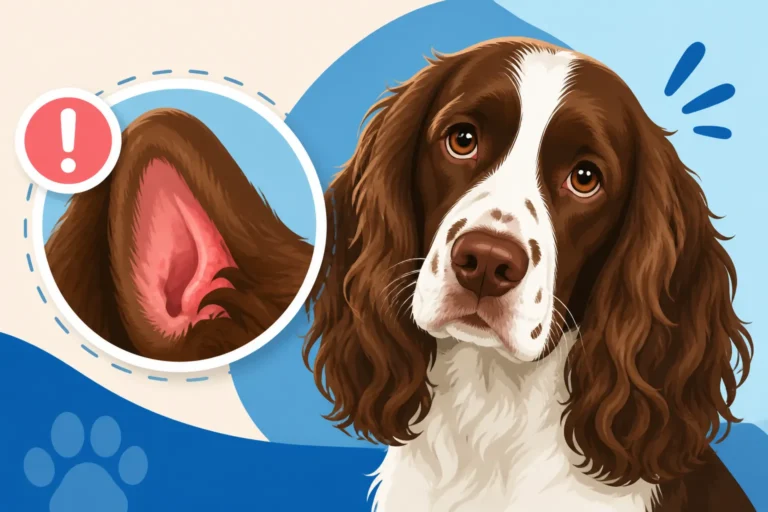
It's a question that plagues countless Springer Spaniel owners, especially those battling recurrent ear infections: "Should I pluck the hair from my dog's ears?" The advice out there can feel like a confusing tangle, with some swearing by it as a preventative measure and others warning against it vehemently. The truth is, the floppy, furry ears that give our Springers so much character also make them predisposed to trouble, and figuring out the best way to care for them is a top priority. This guide will dive deep into the pros, cons, and veterinary perspectives on ear hair plucking, helping you make an informed decision for your beloved companion's comfort and health.
The Unique Ear Challenge of the English Springer Spaniel
If you've ever owned a Springer, you know their ears are a defining feature. Those long, pendulous flaps, often covered in luxurious feathering, are beautiful but also a common source of frustration due to their propensity for ear infections. It’s not just bad luck; it’s largely down to their unique anatomy and their enthusiastic lifestyle.
Anatomy's Role in Ear Health
Imagine trying to keep a dark, warm, moist cave clean and dry – that’s essentially what a Springer Spaniel's ear canal is. Unlike dogs with prick ears that allow for excellent airflow, our Springers have dropped ears that lie flat against their heads, creating a seal. This seal traps heat and moisture, turning the ear canal into an ideal breeding ground for bacteria and yeast, which thrive in such environments.
Beyond the external flap, the internal structure of their ear canal is also a factor. It's often narrower and more convoluted than in other breeds, making it harder for debris, wax, and water to exit naturally. When you combine these anatomical quirks with a Springer's love for splashing through puddles, swimming in lakes, or pushing through thick cover in the field, it's easy to see Why a Springer Spaniel's Ear Traps Moisture. This constant moisture is a primary culprit in the never-ending cycle of ear issues.
Why Ear Infections Are Such a Common Battle
Ear infections, or otitis externa, are incredibly common in Springer Spaniels. It’s a battle many owners feel they’re constantly fighting. The warmth and humidity created by their ear flaps, combined with trapped moisture from swimming or bathing, sets the stage. But it’s not just water; their active nature means they’re constantly picking up dirt, dust, seeds, and other foreign bodies that can irritate the ear canal or get lodged deep inside, leading to inflammation and infection.
Furthermore, many ear infections in Springers aren't just about external factors; they can be symptoms of underlying systemic issues. Allergies, both environmental and food-related, are huge drivers of chronic ear problems. When a dog has allergies, the skin lining their ear canal can become inflamed and itchy, increasing wax production and making them more susceptible to secondary bacterial or yeast infections. It’s a truly frustrating cycle for both dog and owner, often manifesting with clear Signs a Springer Spaniel Has an Ear Infection like scratching, head shaking, or a foul odor. Owners often find themselves at the vet's office for these recurring issues, and the associated costs can really add up, as discussed in What Chronic Ear Disease Costs a Springer Spaniel Owner.
The Great Debate: To Pluck or Not to Pluck Ear Hair?
This is where the advice often diverges, creating a real dilemma for concerned Springer Spaniel parents. For years, routine ear hair plucking was almost standard practice, especially in heavily coated breeds. However, veterinary science has evolved, and with it, our understanding of ear health.
The Argument For Plucking: Improved Airflow and Cleanliness
The traditional rationale behind ear hair plucking makes intuitive sense: if excessive hair in the ear canal traps moisture and debris, removing it should improve airflow and prevent infections. Proponents of plucking believe that by clearing out this hair, the ear canal becomes more open, allowing it to dry out more effectively after exposure to water and promoting a healthier, less humid environment.
Many groomers and some long-time Springer owners will tell you that a well-plucked ear is a healthier ear. They argue that without the hair, ear cleaning solutions can penetrate more effectively, and any developing issues (like redness or discharge) are easier to spot early. For dogs with exceptionally dense hair growth deep within the ear canal, which can literally form a mat that plugs the canal, plucking might seem like the only way to facilitate proper hygiene and prevent chronic blockages.
The Risks and Concerns of Routine Ear Hair Plucking
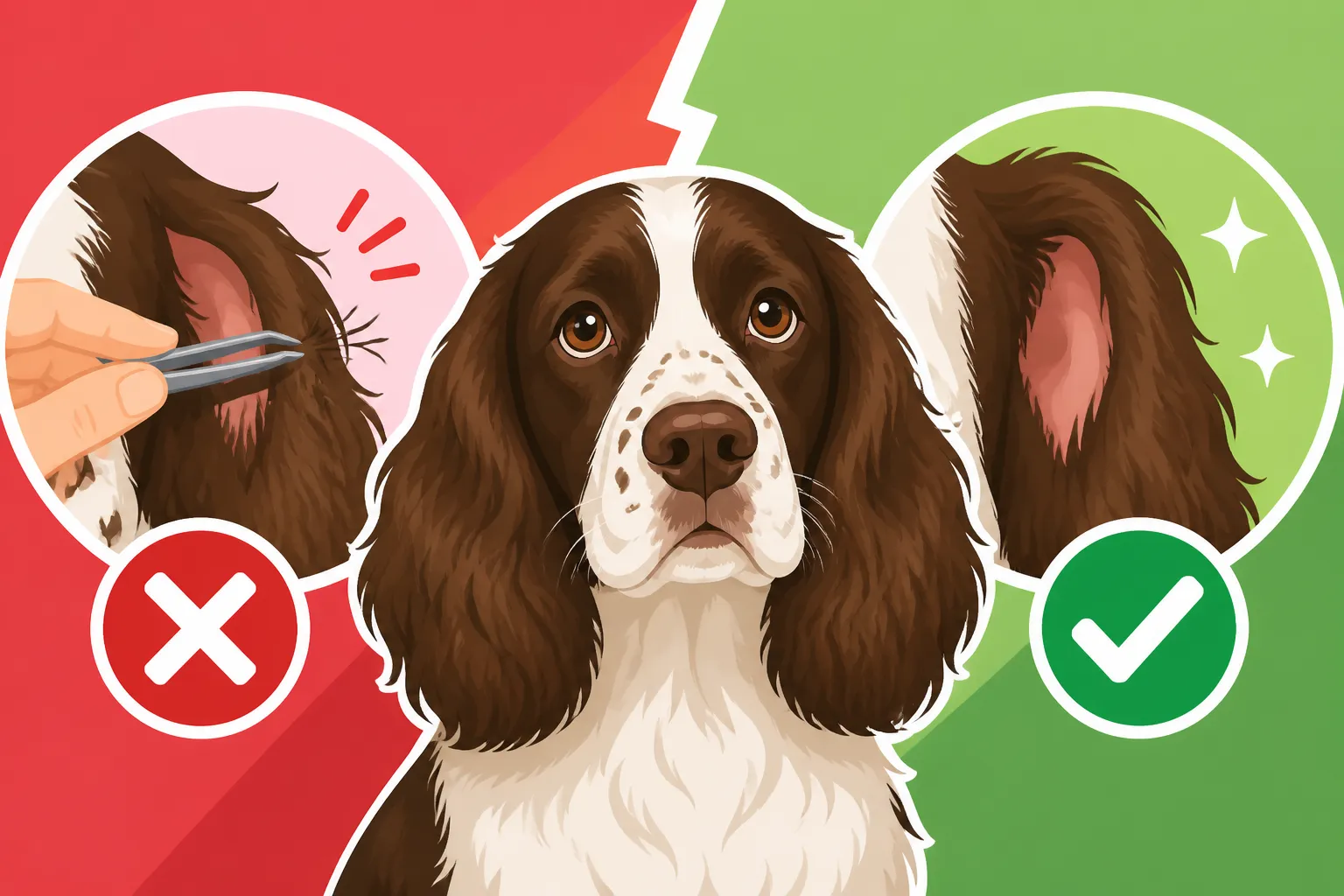
Despite the logical appeal of plucking, a growing number of veterinarians, including many specialists in dermatology, strongly advise against routine ear hair plucking. Their concerns are significant and are backed by observations of what actually happens in the ear canal after plucking.
When ear hair is plucked, it often causes micro-trauma to the delicate skin and hair follicles lining the ear canal. This irritation can lead to inflammation, creating tiny open wounds that are perfect entry points for bacteria. Instead of preventing infection, plucking can inadvertently trigger it or worsen an existing one. Imagine repeatedly ripping hairs from a sensitive area of your own skin; it would become red, sore, and prone to infection. The same principle applies to your Springer's ears. The trauma can also lead to folliculitis, an inflammation of the hair follicles, which is painful and itchy in itself.
Furthermore, the natural hair in the ear canal actually has a protective function. It can help trap some foreign debris before it reaches deeper, more sensitive structures, and it can also help move wax and dirt out of the ear. When this hair is removed, the protective barrier is compromised. For many dogs, the discomfort of plucking alone can make them more resistant to future ear care, turning a routine cleaning into a stressful ordeal. Pet insurance providers like Healthy Paws often see claims for ear infections, and many veterinarians are now more cautious about procedures that could inadvertently contribute to them.
When Plucking Might Be Considered (and by Whom)
Given the potential downsides, when, if ever, is ear hair plucking a reasonable option for a Springer Spaniel? The general consensus among many veterinary professionals is that routine, preventative plucking is not recommended. However, there can be very specific, medically indicated circumstances where it might be considered.
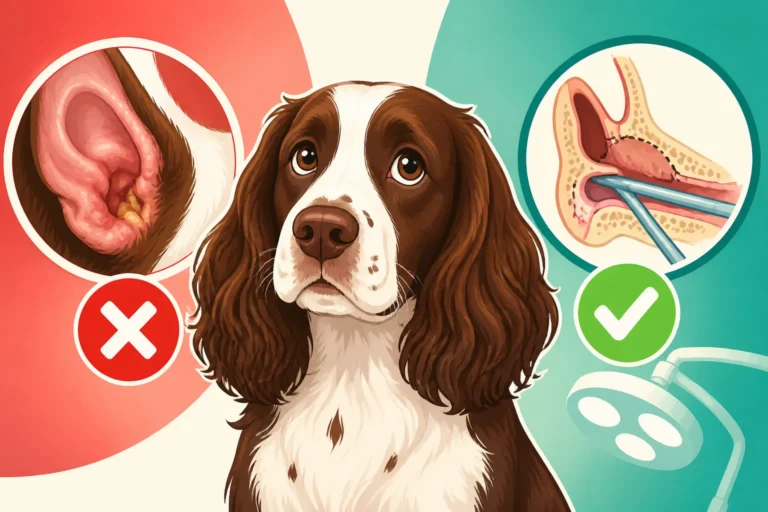
For instance, if a Springer Spaniel has such incredibly dense hair growth that it forms an impenetrable mat, completely blocking the ear canal and preventing any airflow or effective cleaning, a vet might recommend carefully plucking some of the hair. This would likely be done under sedation or with a local anesthetic to minimize pain and stress, and with strict antiseptic precautions. It's not a DIY project to undertake lightly. It would also only be done by a trained veterinary professional or a highly experienced groomer working under veterinary guidance, using specialized tools and techniques to minimize trauma. The goal here isn't routine maintenance but rather to unblock a severely obstructed canal for therapeutic purposes, often as part of a treatment plan for a pre-existing severe infection.
It's crucial to understand that such situations are the exception, not the rule. For most Springer Spaniels, the risks of plucking outweigh any perceived benefits. If you're considering it, always consult your veterinarian first to discuss your dog's specific ear health needs and to rule out any underlying conditions like allergies that should be addressed first.
A Holistic Approach to Springer Spaniel Ear Health
Since routine plucking often isn't the answer, what can you do to keep your Springer's ears healthy and happy? A proactive, holistic approach focusing on proper hygiene, addressing underlying causes, and regular veterinary check-ups is far more effective.
Regular Cleaning and Drying Routines
The cornerstone of good Springer Spaniel ear health is consistent, gentle cleaning and thorough drying. This is especially vital for a breed that loves water as much as ours do.
Here’s a simple routine to follow:
- Inspect Regularly: Make it a habit to lift your Springer’s ear flaps daily, especially after walks, playtime, or any exposure to water. Look for redness, swelling, discharge (waxy, dark, or pus-like), or any unusual odor. Early detection of issues is key to preventing them from escalating.
- Gentle Cleaning: If you see a buildup of wax or dirt, or if your vet has recommended routine cleaning, use a veterinary-approved ear cleaner. Your vet can recommend Which Ear Cleaner Suits a Springer Spaniel best, as some are specifically formulated for yeast, bacteria, or just general hygiene.
- How to clean: Hold the ear flap up, fill the ear canal with the cleaning solution (don’t be shy, you need enough to flush it), gently massage the base of the ear for 30 seconds to break up debris, then let your dog shake their head. Finish by wiping the visible part of the ear and ear canal opening with a cotton ball or soft cloth. Never use cotton swabs deep inside the ear canal, as this can push debris further in and damage the eardrum.
- Crucial Drying: This is non-negotiable for Springers. After every swim, bath, or even a very wet walk, you must dry their ears thoroughly. Use a soft towel to gently dry the accessible parts of the ear flap and canal opening. You can also use a small amount of an ear drying solution, which helps evaporate moisture and acidify the ear canal to discourage bacterial growth. This is particularly important for active dogs, and we have a whole guide on Drying a Springer Spaniel's Ears After Swimming.
- Consider a Snood: Some owners find a snood (a fabric tube worn over the ears) can help keep ears dry and clean during messy meals or outdoor activities, though it won't replace proper drying after swimming.
Addressing Underlying Issues: Allergies and Diet
If your Springer Spaniel is battling chronic ear infections despite diligent cleaning and drying, it’s highly likely there’s an underlying cause at play, and allergies are frequently the culprit. It's often said that "the ear is the window to the skin," and ear infections are a common manifestation of systemic allergies.
- Environmental Allergies: Just like people, dogs can be allergic to pollen, dust mites, mold, and other environmental allergens. These allergies can cause itchy skin all over the body, including the ear canals, leading to inflammation and recurrent infections. Your vet might suggest allergy testing or medication like Apoquel or Cytopoint to manage these.
- Food Allergies: Sometimes, the culprit is something in their diet. Certain proteins (like chicken or beef) or grains can trigger an allergic response that manifests as itchy skin and chronic ear infections. An elimination diet, conducted under veterinary supervision, is often the best way to determine if food allergies are playing a role. This involves feeding a novel protein or hydrolyzed protein diet for several weeks to see if symptoms improve. We've even discussed Telling a Food Itch From a Pollen Itch in a Springer Spaniel because it can be tricky to distinguish.
- Preventative Care: Investing in pet insurance, like a plan from Healthy Paws, can be a real lifeline when investigating chronic health issues. Allergy workups, special diets, and ongoing medication can be expensive, and having coverage can ease the financial burden of getting to the root of the problem. Many owners find peace of mind knowing they can pursue the best diagnostic and treatment options without worrying about prohibitive costs. Getting to the bottom of How Often Allergies Drive a Springer Spaniel's Ear Disease is crucial for long-term health.
Proactive Veterinary Care and When to Seek Help
Don't wait for a full-blown, painful ear infection before seeking veterinary advice. Proactive care is always best. Your vet is your best partner in maintaining your Springer Spaniel's ear health.
- Regular Check-ups: Incorporate ear checks into your Springer's annual wellness exams. Your vet can spot subtle changes, assess the ear canals with an otoscope, and provide guidance on cleaning techniques and products. Regular check-ups are also important for screening for other breed-specific conditions, like those discussed in The Health Tests Both Springer Spaniel Parents Should Have and general well-being.
- Early Intervention: If you notice any signs of discomfort, redness, discharge, or odor, schedule a vet visit promptly. The sooner an ear infection is diagnosed and treated, the easier it is to resolve and the less likely it is to become chronic or lead to more severe complications like a ruptured eardrum or inner ear infection. Sometimes, what seems like a simple infection might be masking something more serious, requiring careful diagnosis.
- Don't Self-Diagnose or Self-Treat: While you can clean and dry at home, never attempt to diagnose or treat an ear infection with over-the-counter products without veterinary guidance. Different types of infections (bacterial, yeast, mixed) require specific medications, and using the wrong product can make things worse. Some ear cleaners aren't safe if the eardrum is compromised, which only a vet can assess. If chronic ear infections lead to severe structural changes, your vet might even discuss options like those covered in Whether a Springer Spaniel Needs Ear Surgery. Knowing what to expect during an emergency and the associated costs can be helpful, as detailed in What an Emergency Vet Visit Costs for a Springer Spaniel. Pet insurance plans from providers like Healthy Paws can often help cover these unexpected expenses, allowing you to prioritize your dog's health without financial stress.
The bottom line is that routine ear hair plucking is generally not recommended for Springer Spaniels due to the risk of irritation and secondary infection. Instead, focus on a consistent routine of gentle cleaning, diligent drying, and working closely with your veterinarian to address any underlying issues like allergies. Your Springer’s ears will thank you!
Pros and Cons of Ear Hair Plucking for Springer Spaniels
| Feature | Argument For Plucking | Argument Against Plucking |
|---|---|---|
| Airflow | Improves air circulation, reducing moisture. | Irritation can lead to swelling, actually reducing airflow. |
| Cleanliness | Easier to clean and spot issues without hair obstruction. | Plucking can create micro-traumas, introducing bacteria. |
| Infection Risk | Prevents trapped debris and moisture, lowering risk. | Trauma and inflammation can increase infection risk. |
| Comfort | May reduce matting and debris accumulation. | Can be painful and cause anxiety for the dog. |
| Veterinary Stance | Some old-school practices, limited current vet support. | Most dermatologists and vets advise against routine plucking. |
| When Considered | Severe, matted hair blockage (under vet guidance). | Not for routine preventative care. |
Disclaimer
This article is intended for informational purposes only and is not a substitute for professional veterinary advice, diagnosis, or treatment. Always seek the advice of your veterinarian or other qualified health provider with any questions you may have regarding a medical condition. Never disregard professional veterinary advice or delay in seeking it because of something you have read in this article.