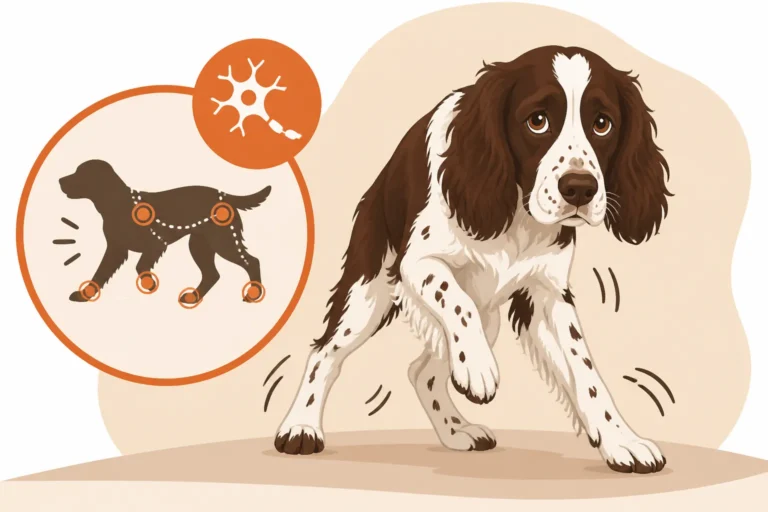
Whether a Springer Spaniel Needs a Total Ear Canal Ablation
It’s truly heartbreaking to watch your beloved Springer Spaniel suffer through endless ear infections. The head shaking, the scratching, the painful whimpering when you try to clean them – it’s a cycle of misery that many owners know all too well. When you’ve tried every drop, every medication, and nothing seems to stick, you might start hearing your vet mention a daunting procedure: a Total Ear Canal Ablation, or TECA. This guide is here to walk you through what a TECA entails, why it might be necessary for your Springer, and what life looks like on the other side.
Understanding the Agony of Chronic Ear Infections in Springer Spaniels
If you own a Springer Spaniel, you've probably, at some point, faced the battle of the ears. Their long, floppy ears are undeniably charming, but they’re also a perfect breeding ground for trouble. For some dogs, it's an occasional annoyance, easily cleared up. For others, it becomes a relentless, debilitating condition that severely impacts their quality of life, and yours. It's not just an inconvenience; it's chronic pain that can steal their joy and vitality.
Why Springer Spaniels Are So Prone to Ear Issues
The very design of a Springer Spaniel's ear works against them when it comes to ear health. Unlike dogs with upright ears, their heavy, pendulous ear flaps cover the ear canal, trapping warmth and moisture. This creates a dark, humid environment where bacteria and yeast thrive. On top of that, many Springers have a significant amount of hair growing inside their ear canals, which further restricts airflow and can trap debris, leading to blockages and infections. It's a perfect storm.
Beyond the physical structure, a huge contributor to recurring ear infections in Springer Spaniels is underlying allergies. Just like people can suffer from seasonal allergies or food sensitivities, dogs can too, and often, one of the most prominent signs is itchy, inflamed ears. If you’ve found yourself constantly wondering Why a Springer Spaniel's Ears Are Never Quite Healthy, allergies are almost certainly a major player. These allergic reactions cause inflammation, which narrows the ear canal, increases wax production, and makes it even easier for infections to take hold. It’s a frustrating cycle where even if you clear up the infection, the underlying inflammation from allergies paves the way for the next one.
When Conservative Treatments Just Aren't Enough
You’ve been through it all: countless rounds of antibiotics, antifungal ear drops, steroid medications, special cleaning solutions, and even changes in diet, hoping to hit on the magic bullet. At first, things might improve. The head shaking might lessen, the redness might calm down, and your Springer might seem more comfortable. But then, almost inevitably, a few weeks or months later, the familiar signs return: that tell-tale smell, the incessant scratching, the painful sensitivity. You might start noticing Signs a Springer Spaniel Has an Ear Infection much faster than before.
This constant battle isn isn't just emotionally draining; it’s financially exhausting too. The cost of repeated vet visits, diagnostics, and medications adds up incredibly quickly. Many owners spend thousands over the years trying to manage chronic ear disease. You might feel like you're caught in a revolving door, doing everything right, but seeing no lasting solution. This can lead to the ear canal becoming so damaged and scarred that it actually narrows permanently, a condition known as stenosis. When the ear canal calcifies and becomes so thick and rigid that medication can no longer penetrate or be effective, and the pain becomes constant, that's when a TECA moves from a desperate thought to a serious consideration.
What Exactly is a Total Ear Canal Ablation (TECA)?
A Total Ear Canal Ablation (TECA) is a major surgical procedure performed by a veterinary specialist, usually a board-certified veterinary surgeon. It’s not a first-line treatment; it’s considered a salvage procedure, meaning it’s typically reserved for cases where all other medical and less invasive surgical options have failed, and the dog is suffering from irreversible, end-stage ear disease. This surgery aims to permanently remove the source of infection and pain by taking out the entire diseased ear canal.
The Surgical Procedure Explained
During a TECA, the veterinary surgeon carefully removes the entire ear canal, from the external opening all the way down to the middle ear. This includes the epithelial lining of the ear canal and any diseased tissue. Often, a bulla osteotomy is performed concurrently. This involves opening the bony structure (bulla) that encases the middle ear to remove any infected or inflamed tissue within the middle ear cavity. Imagine an ice cream cone; the ear canal is the cone, and the middle ear is the scoop of ice cream. Both typically need to be removed to ensure all sources of chronic infection are eliminated.
The goal is to eliminate the permanently diseased tissue, thereby removing the source of the chronic pain and infection. The external ear flap, which gives your Springer its characteristic look, is left intact, but the opening to the ear canal is permanently sealed. This means that the dog will lose hearing in the operated ear, as the pathway for sound to reach the inner ear is removed. It's a delicate and complex surgery that requires a high level of skill and experience due to the proximity of important nerves and blood vessels, including the facial nerve. Recovery involves careful post-operative care, pain management, and monitoring for potential complications.
The Ideal Candidate for TECA Surgery
Not every Springer Spaniel with chronic ear infections is a candidate for TECA. This surgery is typically reserved for dogs experiencing:
- End-stage ear disease: This means the ear canal has suffered irreversible damage, often becoming calcified (hardened) and stenotic (narrowed) to the point where medications cannot penetrate or be effective.
- Intractable pain: The dog is in constant pain despite aggressive medical management, often exhibiting head tilting, rubbing, whimpering, or aggression when the ears are touched.
- Recurrent, severe infections: Despite appropriate treatment, infections keep coming back, often with resistant bacteria or yeast, leading to a diminished quality of life.
- Neurological signs: In some severe cases, chronic middle ear infections can lead to neurological symptoms like facial nerve paralysis (causing drooping of the eyelid, lip, or ear), balance issues, or Horner's syndrome (affecting the eye and eyelid).
If your Springer Spaniel is regularly facing issues that lead you to search How Often a Springer Spaniel Gets Ear Infections, and these infections are leading to significant discomfort and a poor prognosis for medical resolution, then TECA might be the most humane option to give them lasting relief. It's about weighing the lifelong suffering against the benefits of a definitive, albeit drastic, solution.
Life After TECA: Expectations and Management
The decision to proceed with a TECA is a monumental one for any owner. It's natural to worry about what life will be like for your beloved Springer Spaniel after such a significant surgery. While it does involve permanent changes, many dogs go on to live much happier, pain-free lives, and owners often express relief at seeing their dog finally comfortable.
Addressing Hearing Loss and Adaptation
The most immediate and obvious change after a TECA is the loss of hearing in the affected ear(s). If both ear canals are ablated, your Springer Spaniel will be completely deaf. This can be a major concern for owners, especially for a breed as responsive and intelligent as a Springer. However, it’s truly remarkable how well dogs adapt to hearing loss. They rely heavily on their other senses – sight and smell – which often become heightened.
You might find your Springer becomes more attuned to vibrations on the floor or hand signals. They might startle more easily if approached from their blind side, so it’s important to adjust your approach, perhaps by gently touching them first or using visual cues. For working Springers, this can mean a change in their role or training methods, but it doesn't mean the end of their enjoyment of life. Many owners successfully teach their deaf dogs new forms of communication. It's a journey of adaptation for both you and your dog, but one that is often well worth it for the elimination of chronic pain.
Potential Complications and Long-Term Care
While TECA is generally successful in relieving chronic pain and infection, it's not without potential complications. The most common complication is temporary or permanent facial nerve paralysis, as the facial nerve runs very close to the ear canal. This can manifest as a drooping eyelid, lip, or ear on the affected side, and sometimes difficulty blinking, which might require daily eye drops to prevent drying. Other less common but serious complications include fistula formation (a persistent draining tract), infection of the surgical site, or the persistence of some middle ear infection if not completely removed.
Post-operative care is crucial for a smooth recovery. This will involve strict rest, pain medication, and potentially antibiotics for several weeks. Your vet will advise on cleaning the incision site and monitoring for any signs of infection or discomfort. Even after successful surgery, it’s vital to remember that a TECA addresses the symptom of chronic ear disease (the damaged ear canal), but often not the underlying cause (like allergies). If allergies were driving the infections, managing these underlying allergies through diet, medication, or environmental changes will still be important to prevent skin issues or infections elsewhere on the body. This is a topic you might explore further when considering Whether a Springer Spaniel's Ear Infection Is Allergy Driven.
Making the Difficult Decision
Deciding whether to proceed with a Total Ear Canal Ablation is one of the toughest choices you might face as a Springer Spaniel owner. It’s a major surgery with significant implications, and it’s important to weigh all factors carefully with your veterinary team.
Weighing the Pros and Cons
When you’re looking at a dog in constant pain, unable to enjoy walks or even a gentle ear scratch, the idea of a permanent solution can be incredibly appealing. But it’s also daunting. Here’s a brief overview of the key pros and cons to consider:
| Feature | Conservative Medical Management (Chronic) | Total Ear Canal Ablation (TECA) |
|---|---|---|
| Pain Relief | Temporary, recurring pain flares, discomfort often present | Permanent and significant pain relief from chronic ear disease |
| Infection Resolution | Often incomplete, recurrent, potential for resistant pathogens | Permanent elimination of ear canal as a source of infection |
| Hearing | Typically maintained, but can be compromised by chronic inflammation | Permanent loss of hearing in the operated ear(s) |
| Cost | High recurring costs (vet visits, meds, diagnostics, sometimes lifelong) | High upfront cost for surgery, but eliminates future ear-related vet bills |
| Surgical Risk | None directly related to ear, but risks associated with repeated sedation/anesthesia | Moderate surgical risks (anesthesia, facial nerve damage, infection) |
| Recovery Time | Short-term relief, but ongoing management required | Significant initial recovery (weeks), long-term comfort |
| Quality of Life | Often diminished due to chronic pain, frustration, restricted activity | Dramatically improved without chronic pain, increased comfort and activity |
Considering the financial aspect, it's worth noting that What Chronic Ear Disease Costs a Springer Spaniel Owner can easily rival the cost of a TECA over several years, often with less positive outcomes. Many owners find themselves wishing they had robust pet insurance like Healthy Paws earlier in their dog’s life to help mitigate these considerable expenses.
Consulting Your Vet and a Specialist
This is not a decision to make lightly or alone. Your primary veterinarian will be your first point of contact and can help you understand the severity of your Springer’s condition and refer you to a board-certified veterinary surgeon or a veterinary dermatologist. A dermatologist can offer specialized medical management strategies, while a surgeon can provide a detailed assessment of surgical suitability and explain the procedure thoroughly.
Don't hesitate to ask all your questions, no matter how small. Discuss the prognosis, the potential complications, the recovery process, and the long-term outlook. It's also wise to discuss the financial commitment involved. The cost of a TECA can be significant, ranging from several thousand dollars depending on your location and the complexity of the case. This is where a pet insurance plan, such as Healthy Paws, can make a crucial difference, potentially covering a large portion of the surgical expenses, especially if the condition wasn't pre-existing before enrollment. Understanding What Ear Surgery Costs a Springer Spaniel Owner is essential for planning, and reviewing your pet insurance policy or researching new providers like Healthy Paws can provide much-needed peace of mind during such a stressful time. The ultimate goal is to provide your beloved Springer Spaniel with the best possible quality of life, free from chronic pain.
Disclaimer
The information provided in this article is for general informational purposes only and is not intended as a substitute for professional veterinary advice, diagnosis, or treatment. Always seek the advice of your veterinarian or other qualified animal health provider with any questions you may have regarding a medical condition or treatment for your pet.