How Often Allergies Drive a Springer Spaniel’s Ear Disease
If you're a Springer Spaniel owner, you've likely spent your fair share of time wrestling with ear infections. It's a deeply frustrating cycle: one moment their ears seem fine, the next they're shaking their head constantly, scratching, and developing that tell-tale yeasty smell. It feels like a never-ending battle, and often, the root cause isn't just moisture or bacteria, but something far more pervasive: allergies. This guide will explore just how frequently allergies are the primary driver behind your Springer's chronic ear woes and how to finally break that frustrating cycle.
The Unfortunate Reality: Springer Spaniels and Chronic Ear Infections
It's almost a given that owning a Springer Spaniel means you'll become intimately familiar with their ears, and not always in a good way. These beautiful, floppy appendages, so charming when they're romping through a field, are unfortunately perfectly designed to harbor trouble. The frustration of dealing with recurrent ear infections is something countless Springer owners understand all too well. It's not just an inconvenience; it can be genuinely painful for your beloved dog and a significant drain on your time and finances.
Why Springer Ears Are a Perfect Storm for Trouble
Let's be honest, those long, heavy drop ears that give our Springers their distinctive look are also a significant anatomical disadvantage when it comes to ear health. Unlike dogs with upright ears that allow for ample airflow, a Springer's ears essentially create a warm, dark, and humid microclimate. This environment is ideal for the proliferation of yeasts and bacteria that are naturally present in small numbers but can quickly spiral out of control. Furthermore, the ear canal itself is often narrow and can have more hair growth than other breeds, which further impedes air circulation and traps debris. This is why you often hear people say that Why a Springer Spaniel's Ears Are Never Quite Healthy. It's a sad truth, but understanding this predisposition is the first step towards better management.
The Cycle of Frustration: Recurrent Infections
For many Springer owners, ear infections aren't a one-off event. It's a recurring nightmare. You treat one infection with drops and oral medication, the symptoms clear up, and you breathe a sigh of relief, only for the head shaking and scratching to return weeks or months later. This isn't usually a sign that you did something wrong with the treatment; it's often a red flag that there's an underlying issue that hasn't been addressed. The frustration mounts with each recurrence, and you might start to feel like you're constantly at the vet's office, wondering if there's ever going to be a lasting solution. When you see Signs a Springer Spaniel Has an Ear Infection, it's easy to jump to the conclusion that it's "just another infection," but that approach often misses the bigger picture.
Beyond Simple Infections: When Something More Is At Play
While some ear infections are indeed caused by simple environmental factors like swimming in dirty water or insufficient drying, when they become chronic or recurrent, it's crucial to look deeper. The bacteria and yeast that thrive in the ear canal are usually secondary invaders, meaning they take advantage of an ear that's already compromised. Think of it like a skin rash: the bacteria might be causing the pustules, but something else—like an allergy or irritation—is making the skin susceptible in the first place. For Springer Spaniels, that "something else" is very frequently an allergy, and recognizing this distinction is paramount to effective long-term treatment.
Unpacking the Allergic Connection: How Often is it the Culprit?
This is the big question, isn't it? When your Springer is constantly battling ear issues, you want to know if there's a definitive cause. The short answer is: very, very often. Allergies play a surprisingly significant role in driving chronic ear disease in breeds like the Springer Spaniel, sometimes accounting for the vast majority of persistent cases.
The High Incidence of Allergic Ear Disease in Springer Spaniels
It's widely acknowledged among veterinarians and experienced Springer Spaniel owners that allergies are a leading cause of chronic and recurrent ear infections in the breed. While exact percentages can vary, many experts suggest that allergies are implicated in 50-80% of all chronic ear cases. That's a huge number! This means that if your Springer is constantly suffering from ear infections, it's highly probable that some form of allergy is at the root. The inflammation and irritation caused by the allergic reaction create the perfect breeding ground for opportunistic bacteria and yeast. So, next time you wonder How Often a Springer Spaniel Gets Ear Infections, remember that allergies are often fueling that frequency.
Atopic Dermatitis: The Most Common Allergy Trigger
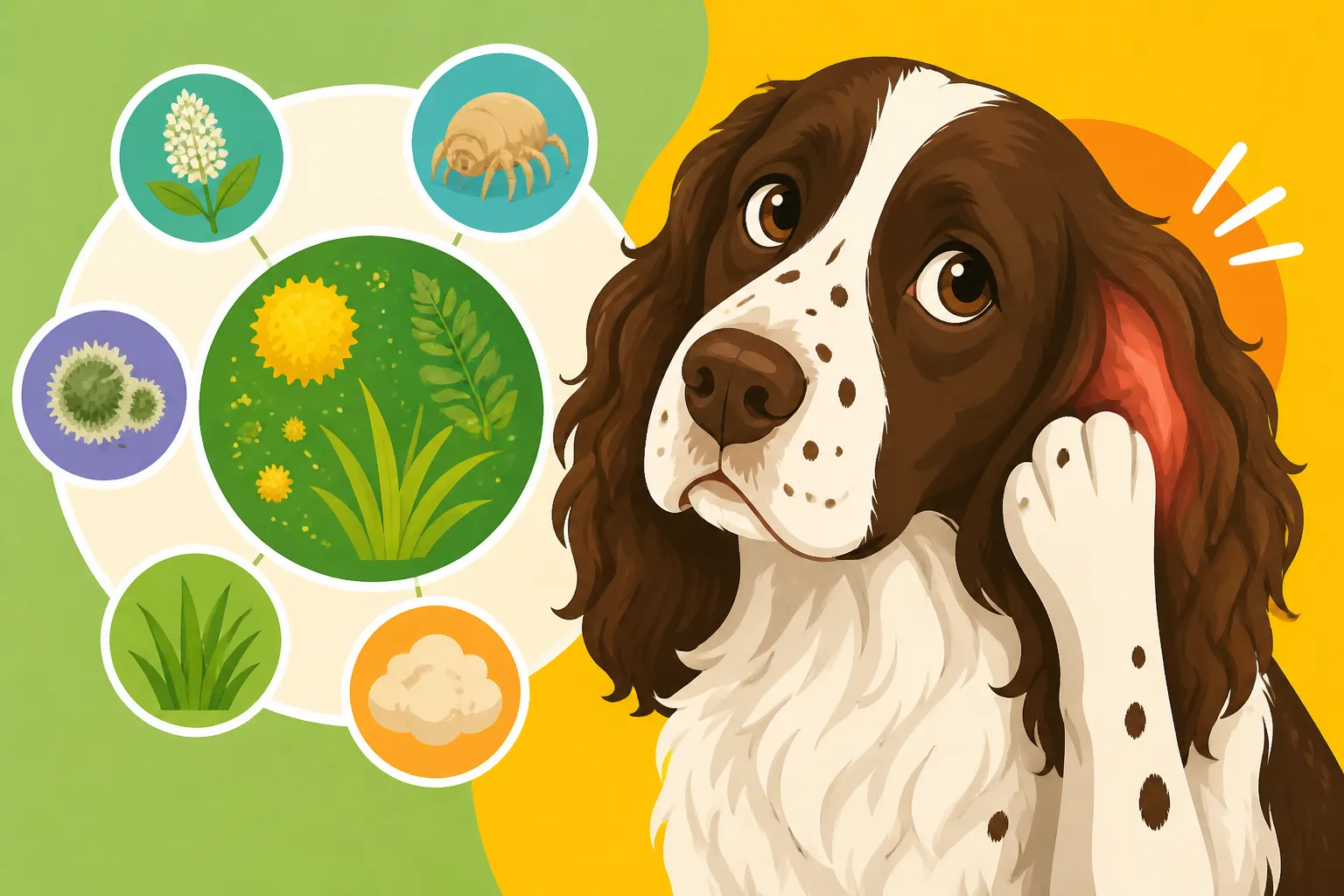
When we talk about allergies in dogs, especially those manifesting as skin or ear problems, canine atopic dermatitis (environmental allergies) is usually the first suspect. This condition is essentially an inherited predisposition to develop allergic symptoms after exposure to common environmental allergens like pollen, dust mites, and molds. Just like humans can get hay fever, dogs can get itchy skin and ears. For many Springers with atopic dermatitis, the ears are one of the primary "shock organs" – meaning they are a main site where the allergic reaction shows up. This explains why your dog might get ear infections that seem to worsen seasonally or indoors, depending on their specific environmental triggers. These environmental factors often lead to chronic inflammation, making the ear canal ripe for secondary infections.
The Role of Food Sensitivities in Ear Health
While environmental allergies tend to be more prevalent, food sensitivities and food allergies can also be significant contributors to chronic ear disease in Springer Spaniels. Unlike environmental allergies, food allergies are typically non-seasonal and can cause symptoms year-round. Common culprits often include proteins like chicken, beef, dairy, wheat, and soy, but a dog can develop an allergy to almost any protein source they've been repeatedly exposed to. If your Springer's ears seem to flare up irrespective of the season, or if they have other gastrointestinal issues like vomiting or diarrhea, a food allergy might be driving the problem. It’s a common misconception that food allergies always show up with gut upset; sometimes, persistent ear issues or skin itchiness are the only outward signs. Exploring Whether Diet Changes a Springer Spaniel's Ear Infections is a critical step in these cases.
Recognizing the Signs: Is Your Springer's Ear Problem Allergy-Related?
Distinguishing an allergy-driven ear problem from other causes can sometimes be tricky, as many symptoms overlap. However, there are some key indicators that might point towards an underlying allergic reaction rather than just a standalone infection. Paying close attention to these signs can help you and your vet narrow down the cause.
Telltale Symptoms Beyond Just Head Shaking
Of course, the classic signs of an ear infection are obvious: head shaking, pawing at the ears, a foul odor, and redness or discharge in the ear canal. But when allergies are involved, you might notice other, more generalized symptoms. Look for signs like overall itchiness, particularly around the face, paws (licking or chewing them raw), and groin area. You might also observe red, inflamed skin on the belly or between the toes. A Springer with allergic ear disease might also have noticeably greasy or flaky skin, or even hair loss in certain areas. These broader skin issues are strong clues that the ear problem is part of a larger allergic picture. The discomfort can be intense, leading to behavioral changes as well.
The Difference Between Primary and Secondary Infections
It’s important to understand that allergies don't cause bacterial or yeast infections directly. Instead, they cause inflammation in the ear canal, altering its delicate environment. This inflammation leads to increased moisture, changes in pH, and often, an overgrowth of glandular tissue, making it much easier for bacteria (like Staphylococcus) and yeast (like Malassezia) to take hold. These are the secondary infections. When you treat these secondary infections, the immediate symptoms improve, but if the underlying allergic inflammation persists, the bacteria and yeast will inevitably return. This is why your Springer's ear issues seem to be stuck in a frustrating loop of recurrence. This dynamic is central to understanding Whether a Springer Spaniel's Ear Infection Recurs.
Why Both Ears Are Often Affected Simultaneously
While a foreign body (like a grass awn) or a localized injury might only affect one ear, allergy-driven ear disease typically manifests in both ears, though one might appear worse than the other. This bilateral involvement is a strong indicator of a systemic issue, such as an allergy. Allergens are absorbed into the body or come into contact with the skin all over, not just on one side. So, if you're constantly treating both of your Springer's ears, or if the "good" ear seems to quickly follow the "bad" one into infection, it's highly suggestive that allergies are creating a body-wide predisposition to these problems. Keeping an eye on both ears, even when only one seems visibly problematic, is a smart move.
Diagnosing the Underlying Allergy: A Step-by-Step Approach
Pinpointing the exact allergen that's bothering your Springer Spaniel can feel like detective work, and it often requires patience and collaboration with your veterinarian. It's not usually a quick fix, but a systematic approach is key to achieving long-term relief for your dog.
Ruling Out Other Causes First
Before jumping to allergy testing, your vet will want to rule out other potential causes for chronic ear infections. This typically involves a thorough ear exam, often with an otoscope, to check for foreign bodies, polyps, tumors, or ruptured eardrums. They'll also perform a cytology – taking a swab of the ear discharge and examining it under a microscope – to identify the specific types of bacteria and yeast present. In some cases, a bacterial culture and sensitivity test might be needed if initial treatments aren't effective, to ensure the right antibiotic is being used. Only once these other possibilities have been thoroughly investigated and ruled out does the focus shift more intently to allergies.
The Elimination Diet: A Key for Food Allergies
If food allergies are suspected, the gold standard for diagnosis is an elimination diet. This involves feeding your Springer a novel protein and carbohydrate source (ingredients they've never eaten before) or a hydrolyzed protein diet (where proteins are broken down so the immune system doesn't recognize them as allergens) for a strict period, usually 8-12 weeks. During this time, absolutely no other foods, treats, chews, or flavored medications are allowed. It's tough, but crucial for accurate results. If your dog's ear symptoms (and any other skin or GI issues) resolve during this period, you then systematically reintroduce old ingredients one by one to identify the culprit. Brands like Ollie offer fresh, limited-ingredient diets that some owners find helpful for elimination trials, though your vet might recommend specific prescription hydrolyzed diets available through veterinary channels or platforms like Chewy for strict control.
Intradermal and Blood Testing for Environmental Allergies
For environmental allergies (atopic dermatitis), there are two main diagnostic tests:
- Intradermal Skin Testing (IDST): This is considered the most accurate method. It's performed by a veterinary dermatologist and involves injecting tiny amounts of various common allergens into your dog's shaved side. The dermatologist then observes which injection sites react with a raised, red welt, indicating an allergy.
- Serum IgE Blood Testing: This test measures the level of specific IgE antibodies in your dog's blood that are produced in response to common environmental allergens. While less sensitive than IDST, it's less invasive and can be performed by your regular vet.
Both tests, if positive, help identify the specific allergens your Springer is reacting to, which is vital for developing an appropriate treatment plan, particularly if immunotherapy is considered. Understanding The Allergens Behind a Springer Spaniel's Itch is a pivotal moment in their care.
| Type of Allergy | Diagnostic Method (Gold Standard) | Key Characteristics | Potential Triggers |
|---|---|---|---|
| Food Allergy | Elimination Diet (8-12 weeks) | Non-seasonal, can have GI signs | Chicken, beef, dairy, wheat, soy, lamb |
| Environmental | Intradermal Skin Test (IDST) | Seasonal (often), localized itch | Pollen (trees, grasses, weeds), dust mites, mold spores |
| Contact Allergy | Patch Test (less common) | Localized rash where contact occurs | Specific fabrics, chemicals, plants |
Managing Allergic Ear Disease: A Multi-Pronged Strategy
Once an allergy is identified as the underlying cause of your Springer's chronic ear infections, management becomes a holistic effort. There's rarely one single "magic bullet," but rather a combination of strategies aimed at reducing allergic reactions, preventing secondary infections, and making your dog more comfortable.
Dietary Management and Novel Proteins
If a food allergy is diagnosed, strict dietary management is crucial. This means feeding a diet free of the identified allergens. For dogs with multiple food sensitivities or where specific triggers are hard to pinpoint, a prescription hydrolyzed protein diet or a truly novel protein diet might be necessary long-term. Many owners explore options from reputable pet food retailers like Chewy or Amazon, looking for limited ingredient diets that feature proteins their dog hasn't been exposed to, such as venison, duck, or kangaroo, coupled with single carbohydrate sources like sweet potato. However, always consult your vet before making drastic dietary changes, especially for a diagnosed allergy. Consistency is absolutely key here; even a tiny crumb of an offending ingredient can trigger a reaction.
Environmental Control and Symptomatic Relief
For environmental allergies, reducing exposure to allergens is important, though often challenging. This might involve frequent vacuuming, using air purifiers, washing bedding regularly, and wiping down your Springer after outdoor excursions, especially during high pollen seasons. Medications play a significant role in managing symptoms. These can include:
- Antihistamines: May provide mild relief for some dogs.
- Corticosteroids: Highly effective at reducing inflammation and itch, but typically used short-term or intermittently due to potential side effects.
- Cyclosporine: An immunosuppressant that can help control allergic reactions.
- Oclacitinib (Apoquel) or Lokivetmab (Cytopoint): Newer, targeted therapies that specifically block itch pathways, providing significant relief with fewer side effects than steroids. Your vet might suggest Apoquel for a Springer Spaniel's Itch as a key part of their allergy management.
These medications address the symptoms of the allergy, reducing the inflammation in the ears and elsewhere, thereby making secondary infections less likely.
Immunotherapy: Targeting the Root Cause
For environmental allergies, immunotherapy, often called allergy shots or sublingual drops, is the only treatment that truly aims to desensitize your dog to the specific allergens causing their problems. Based on the results of their allergy testing, a custom vaccine is formulated. This vaccine is then administered regularly (usually injections at home or drops under the tongue) over an extended period. The goal is to gradually retrain your dog's immune system to stop overreacting to these harmless substances. Immunotherapy can take months to show significant improvement, but it has a good success rate (around 60-80%) and can dramatically reduce the need for other medications and the frequency of ear infections. It’s a commitment, but for many Springer owners, it offers the best chance for long-term comfort and a reduction in reliance on daily medications.
Proactive Prevention: Breaking the Cycle for Good
Preventing allergic ear disease and its frustrating recurrences requires a vigilant, ongoing effort. It's about maintaining a healthy ear environment and being proactive in managing your Springer's sensitivities, rather than just reacting to each infection as it arises.
Consistent Ear Cleaning and Drying Routines
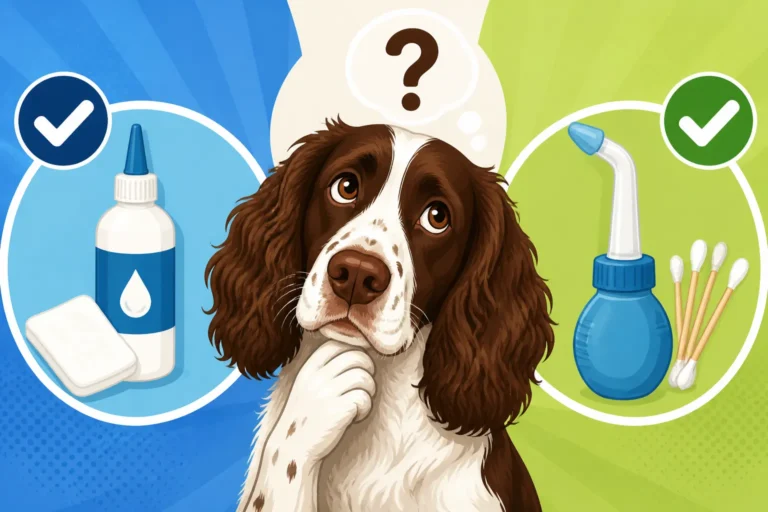
Regular ear cleaning is paramount for Springer Spaniels, especially those prone to allergies. Your vet can recommend a suitable ear cleaner, often one with antiseptic properties or a drying agent. Cleaning helps remove debris, excess wax, and creates an environment less hospitable to yeast and bacteria. Typically, a weekly cleaning is a good baseline, but some allergic Springers might need it more frequently, especially during allergy season or after swimming. Always use a cotton ball or soft cloth to clean the visible parts of the ear and applicator tips to get into the canal gently, never cotton swabs, which can push debris further in. After any bath or swim, diligently drying your Springer's ears, perhaps with a soft towel or even a low-setting hairdryer (held at a safe distance), is critical. Think about Drying a Springer Spaniel's Ears After Swimming as a non-negotiable step.
Regular Vet Check-ups and Early Intervention
Don't wait for a full-blown infection to take your Springer to the vet. If you know your dog is prone to allergies and ear issues, regular check-ups, even when things seem relatively calm, can be incredibly beneficial. Your vet can monitor the health of the ear canals, perform cytology to catch minor overgrowths before they become severe infections, and adjust allergy management plans as needed. Catching early signs of inflammation or a budding overgrowth means you can often intervene with topical treatments before oral antibiotics or more aggressive measures are required. This proactive approach saves your Springer discomfort and saves you money in the long run.
Understanding Your Springer's Individual Triggers
Becoming an expert on your individual Springer Spaniel's triggers and patterns is perhaps the most powerful tool in prevention. Keep a journal of flare-ups: when do they occur? What was your dog exposed to? What have they eaten recently? Did they swim? Were pollen counts high? Over time, you'll start to notice patterns that can help you anticipate and mitigate problems. For instance, if you know certain pollens make their ears itch, you can increase topical ear treatment during those months. If a particular food was identified as a trigger, you'll be hyper-vigilant about their diet. This deep understanding, combined with consistent care and professional guidance, is how you truly break the cycle of chronic ear disease and help your Springer live a more comfortable, itch-free life. It also empowers you to make informed decisions about routine care like How Often a Drop Eared Springer Spaniel Needs Cleaning or Which Ear Cleaner Suits a Springer Spaniel.
Disclaimer
This article is for general informational purposes only and does not constitute professional advice. Laws, prices and regulations vary by location and change over time. Consult a qualified professional for guidance on your specific situation.