Whether Grain Free Food Helps a Springer Spaniel’s Ears
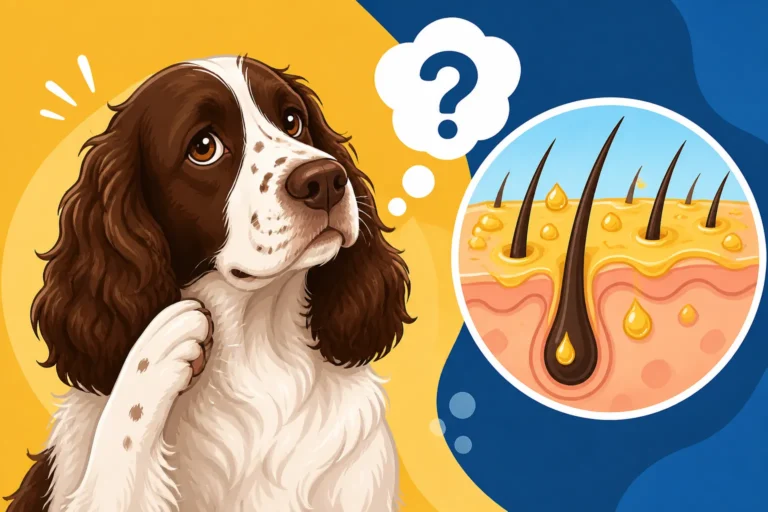
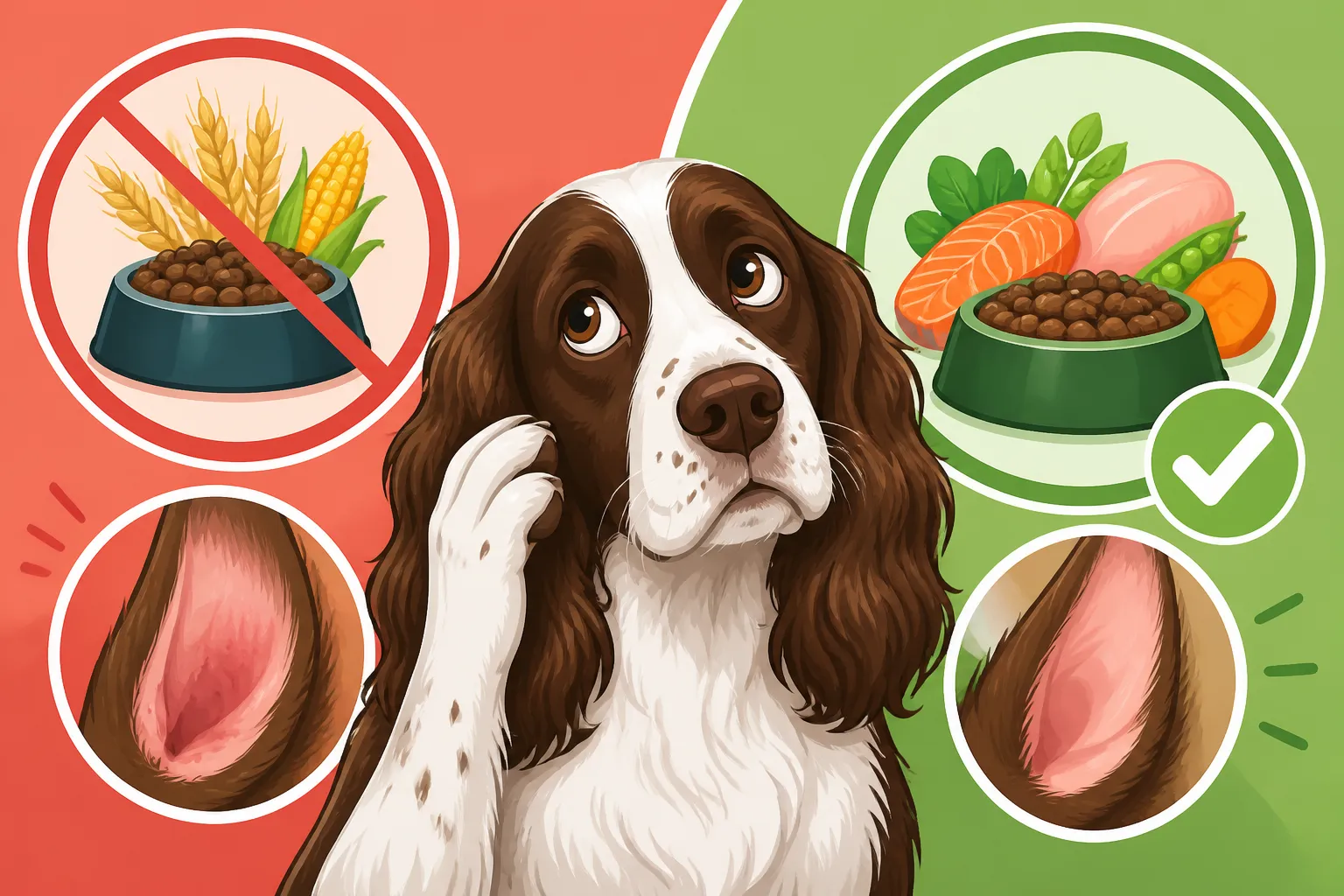
If you're a Springer Spaniel owner, you've probably spent more time than you ever imagined peering into those floppy, adorable ears. And if you're anything like me, you've also likely wondered if changing your dog's food, specifically going grain-free, could be the magic bullet to stop those recurring, frustrating, and often smelly ear infections. It’s a common question, and one that many dog owners grapple with, hoping to find a simple dietary fix for a persistent problem. This guide will dive deep into whether grain-free food truly impacts your Springer's ear health, exploring the common misconceptions and giving you realistic, actionable advice.
The Grain-Free Question: A Deep Dive into Diet and Ear Health
It's completely understandable why so many of us turn to diet when our dogs are struggling with chronic issues like ear infections. We want to do everything we can to help them, and food seems like such a fundamental place to start. The idea that grains are somehow "bad" or "inflammatory" has gained a lot of traction, leading many to believe that a grain-free diet is inherently healthier, especially for dogs prone to allergies or skin issues. But when it comes to those persistent ear problems in our beloved Springers, the reality is a little more nuanced than simply ditching the oats and rice.
The Allure of Grain-Free Diets for Sensitive Dogs
Let’s be honest, the marketing around grain-free dog food can be incredibly compelling. Phrases like "ancestral diet" or "no fillers" often suggest a purer, more natural way of eating that many dog owners, including myself, are drawn to. When your Springer Spaniel is constantly shaking its head, scratching its ears raw, or just generally uncomfortable, you're desperate for solutions. And if you read testimonials online or chat with other owners, you'll hear stories of dogs whose issues seemingly cleared up overnight on a grain-free diet. This fuels the belief that grains are the root of all evil for sensitive dogs, especially those with itchy skin and ears. The thought is, if grains cause inflammation, removing them should reduce inflammation everywhere, including the ears. It’s a logical jump, but not always an accurate one in practice.
The desire to provide the best for our companions often leads us down paths of experimentation, and when traditional veterinary approaches don't yield immediate, lasting results, we start looking for alternatives. Switching to grain-free often feels like a proactive step, a way to take control and address what might be causing discomfort. Many brands available on platforms like Chewy offer a vast selection of grain-free options, making it easy to make the switch, which further reinforces the idea that it's a valid solution for many canine woes.
Why Grains Are Rarely the Culprit for Ear Infections
Here's the often-surprising truth: actual grain allergies in dogs are quite rare. When dogs do have food allergies, the most common culprits are usually proteins like chicken, beef, dairy, or lamb, and less frequently, soy or wheat. Notice wheat is on that list, but it's far from the top spot, and other grains like rice, oats, or barley are even less common allergens. So, if you switch to a grain-free diet and see an improvement, it's far more likely that you've inadvertently removed a different allergen (like chicken, which is a common ingredient in many grain-inclusive foods) rather than the grains themselves.
Think about it: many grain-free foods replace grains with other carbohydrates like peas, lentils, or potatoes. These are not inherently better or worse; they are just different carbohydrate sources. If your dog isn't allergic to grains, then removing them won won't solve the problem, and you might even be missing out on beneficial nutrients or fiber that some grains provide. The vast majority of chronic ear infections in Springer Spaniels are driven by environmental allergies (like pollen, dust mites, or mold) or the unique anatomical challenges of their floppy, hair-lined ears, which we'll discuss more later. How Often Allergies Drive a Springer Spaniel's Ear Disease is a really common question, and the answer is very often.
The Potential Risks of an Unguided Grain-Free Diet
While the intention behind choosing a grain-free diet is often good, there have been growing concerns in the veterinary community about potential links between certain grain-free diets (particularly those rich in legumes like peas, lentils, and potatoes) and a heart condition called Dilated Cardiomyopathy (DCM) in some breeds. While the exact link is still being researched and isn't fully understood, it highlights the importance of making dietary changes based on sound veterinary advice rather than trends or assumptions.
An unguided dietary change, especially one as significant as going grain-free, can lead to nutritional imbalances if not formulated correctly. It's not just about removing ingredients; it's about ensuring the diet remains complete and balanced. Before making drastic changes, it's always best to consult with your veterinarian or a board-certified veterinary nutritionist. They can help you evaluate your current food, understand the ingredients, and guide you toward a diet that genuinely meets your Springer's specific needs without unintended consequences. Brands like Ollie, which offer fresh, pre-portioned meals, might seem like a good alternative, but even these need to be chosen carefully in consultation with a vet if you're trying to address specific health issues.
Unpacking the Real Reasons Behind Recurrent Ear Infections
So, if grains aren't usually the big bad wolf, what is causing your Springer Spaniel's ears to flare up time and time again? Trust me, you're not alone in this struggle. Springer Spaniels, with their beautiful, long, floppy ears, are practically predisposed to ear trouble. It's a sad truth, but understanding the root causes is the first step toward effective management.
Anatomy is Destiny: The Springer Spaniel's Floppy Ears
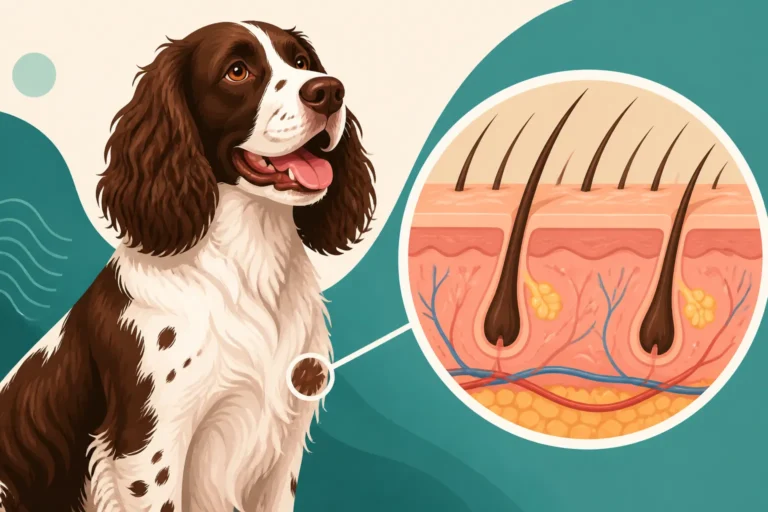
Let's face it, those gorgeous, pendulous ears are a defining characteristic of the Springer Spaniel, but they're also a perfect incubator for trouble. Unlike dogs with upright ears, a Springer's ear flaps hang down, effectively sealing off the ear canal from fresh air. This creates a warm, dark, and humid environment—exactly what yeast and bacteria love to thrive in. Add to that the hair that often grows deep within the ear canal, and you've got a recipe for trapped moisture, debris, and reduced airflow.
Every time your Springer dips its head in the water bowl, goes for a swim, or romps through wet grass, that moisture gets trapped. It doesn't evaporate easily because of the ear flap and hair. Over time, this constant dampness compromises the natural defenses of the ear canal, making it vulnerable to opportunistic infections. It's why consistent ear care, including proper drying and cleaning, is so crucial for Springers. You can read more about this specific challenge in Why a Springer Spaniel's Ears Are Never Quite Healthy.
Environmental Allergies: The Invisible Enemy
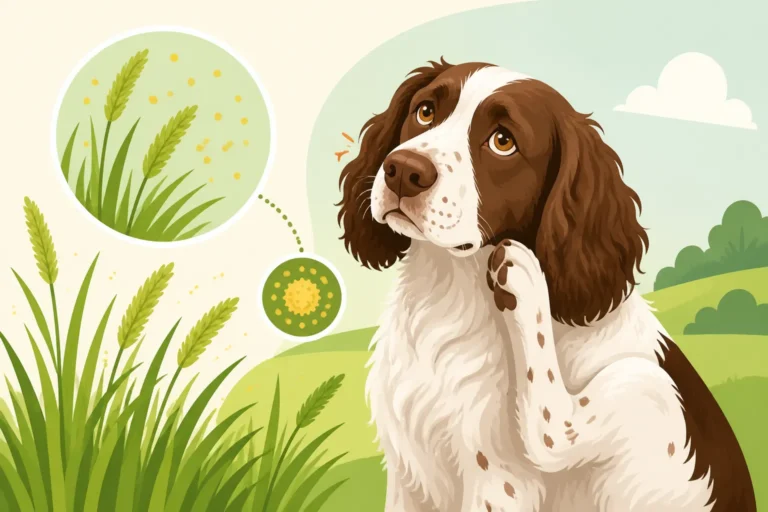
Far more common than food allergies as a cause of recurrent ear infections are environmental allergies, also known as atopy. Just like people can be allergic to pollen, dust, or mold, so can our dogs. When a dog is exposed to an allergen they're sensitive to, their immune system overreacts, leading to inflammation. For many dogs, this inflammation manifests as itchy skin, often concentrated on the paws, belly, and, you guessed it, the ears.
An allergic reaction creates a cascade of events: the skin barrier in the ear canal becomes inflamed, itchy, and less resistant to infection. Your Springer might scratch or shake its head, further irritating the delicate tissues. This inflamed environment then becomes a prime breeding ground for the normal yeast and bacteria that live on your dog's skin to multiply out of control, leading to a full-blown infection. Without addressing the underlying allergy, you can treat the infection with drops and medications, but it will likely return as soon as the allergic trigger is present again. The Allergens Behind a Springer Spaniel's Itch goes into more detail on identifying these environmental culprits.
Other Factors: Bacteria, Yeast, and Foreign Bodies
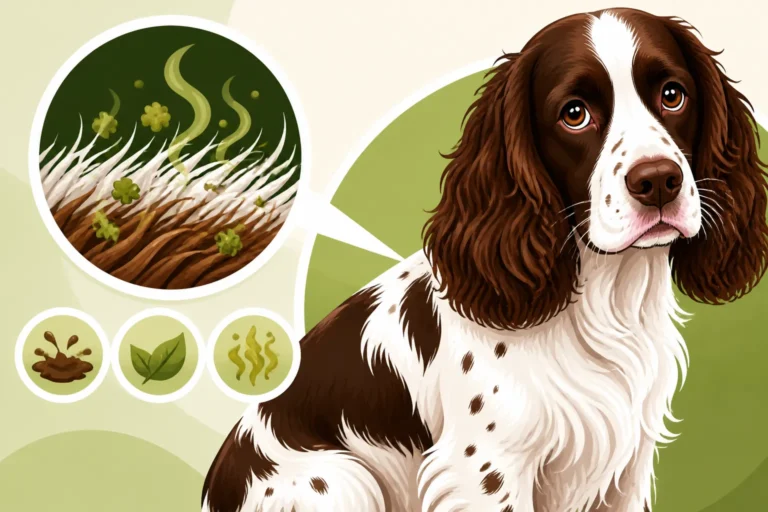
While allergies are often the underlying cause, the actual ear infection itself is typically due to an overgrowth of bacteria (like staphylococcus or pseudomonas) or yeast (most commonly Malassezia). These organisms are normally present in small numbers in healthy ears, but when conditions are right (warm, moist, inflamed), they proliferate and cause problems.
Sometimes, less common but equally frustrating issues can lead to ear infections. A tiny grass awn, a seed, or even a piece of debris can get lodged deep in the ear canal, causing irritation and paving the way for infection. Certain mites can also cause intense itching and inflammation. In rare cases, structural abnormalities, polyps, or tumors within the ear canal can also contribute to chronic problems. This is why a thorough veterinary examination, often involving an otoscope to look deep into the ear, is essential to rule out these possibilities.
| Common Causes of Springer Spaniel Ear Issues | Primary Symptoms | Common Solutions (after vet diagnosis) |
|---|---|---|
| Anatomical Predisposition | Moisture, poor airflow, wax buildup | Regular cleaning, drying after water |
| Environmental Allergies (Atopy) | Itchy ears, red skin, paw licking, secondary infections | Allergy medication, immunotherapy, topical treatments |
| Food Allergies | Itchy ears, skin issues, GI upset, secondary infections | Elimination diet, novel protein or hydrolyzed diet |
| Bacterial Infections | Redness, pain, discharge, odor | Antibiotic ear drops or oral antibiotics |
| Yeast Infections (Malassezia) | Itch, waxy brown discharge, odor | Antifungal ear drops or oral antifungals |
| Foreign Bodies (e.g., grass awns) | Sudden severe pain, head tilt, pawing at ear | Veterinary removal, sometimes sedation |
| Ear Mites | Intense itch, dark crumbly discharge | Antiparasitic ear medication |
Pinpointing Food Allergies: A Systematic Approach
If you suspect food allergies are playing a role in your Springer Spaniel's ear troubles, it's crucial to approach the diagnosis systematically. Jumping from one "hypoallergenic" or "sensitive stomach" food to another without a clear plan often leads to frustration and doesn't actually help pinpoint the problem. Remember, Whether Diet Changes a Springer Spaniel's Ear Infections depends entirely on whether food is indeed the underlying issue.
The Gold Standard: Elimination Diets
The absolute best way to diagnose a food allergy is through an elimination diet, sometimes called a novel protein trial. This isn't just switching to another bag of kibble. It's a very strict process where your dog eats only a limited number of ingredients for a set period, typically 8-12 weeks, with nothing else allowed – no treats, no table scraps, no flavored medications. The diet must contain a protein source your dog has never eaten before (a "novel" protein, like venison, duck, rabbit, or kangaroo) and a carbohydrate source it hasn't had either (like sweet potato or quinoa). Alternatively, your vet might recommend a prescription hydrolyzed protein diet, where the protein molecules are broken down so small that the immune system doesn't recognize them as allergens.
During this period, you diligently monitor your Springer's symptoms. If the ear infections clear up and the itching stops, it suggests a food allergy. After the trial, you'll slowly reintroduce old ingredients one by one, watching for a return of symptoms. If the ears flare up after reintroducing chicken, for example, then you've found your culprit. It's a demanding process, requiring dedication and strict adherence, but it's the most reliable way to get answers. Running an Elimination Diet on a Springer Spaniel is a serious commitment, but it yields real answers.
Common Food Allergens for Dogs (Not Just Grains!)
As we've touched on, when dogs do have food allergies, grains are typically low on the list. The most frequent allergens are:
- Proteins: Chicken, beef, dairy, lamb, fish, eggs.
- Other ingredients: Soy, wheat (a grain, yes, but often less common than the proteins listed above).
It's a common misconception that all dogs are allergic to chicken, for instance, but it's such a pervasive ingredient in dog food that many dogs are simply exposed to it more often. If your Springer has been eating a chicken-based food its whole life, and develops an allergy, it's not because chicken is inherently "bad," but because their immune system has decided to react to it. So, while you might switch to a grain-free diet from a brand like Amazon, ensure that the protein sources are genuinely novel if you're trying to rule out food allergies.
Working with Your Vet for Accurate Diagnosis
Before embarking on any elimination diet, it's absolutely crucial to work closely with your veterinarian. They can help rule out other potential causes for the ear infections, such as ear mites, foreign bodies, or resistant bacterial/yeast infections, which would not respond to a diet change anyway. Your vet can also recommend appropriate novel protein or hydrolyzed prescription diets that are nutritionally complete and truly suitable for an elimination trial. They might even suggest a "food panel" blood test, but it's important to know that these tests are often unreliable for diagnosing food allergies, and the elimination diet remains the gold standard.
Your vet can also offer advice on managing the current ear infection with medicated drops or oral medications while you're undergoing the diet trial, ensuring your dog is comfortable during the diagnostic process. This partnership is vital to both diagnose the problem effectively and manage your Springer's symptoms properly.
Comprehensive Care for Healthy Springer Spaniel Ears
Managing a Springer Spaniel's ears is an ongoing commitment, not a one-and-done solution. Since going grain-free isn't the panacea many hope for, focusing on a holistic approach that combines good hygiene, environmental management, and prompt veterinary care is key to keeping those beautiful ears healthy and comfortable.
Regular Cleaning and Drying: Your First Line of Defense
Given the anatomical challenges of a Springer's ears, diligent cleaning and drying are paramount. Aim for a weekly ear check, gently lifting the ear flap and sniffing for any unusual odors, or looking for redness or discharge. If you see or smell anything off, it’s time for a more thorough cleaning. After baths, swims, or any time your Springer's ears get wet, make sure to gently dry the visible parts of the ear canal with a cotton ball or soft cloth. Avoid pushing anything deep into the ear canal, which can compact debris or damage delicate structures.
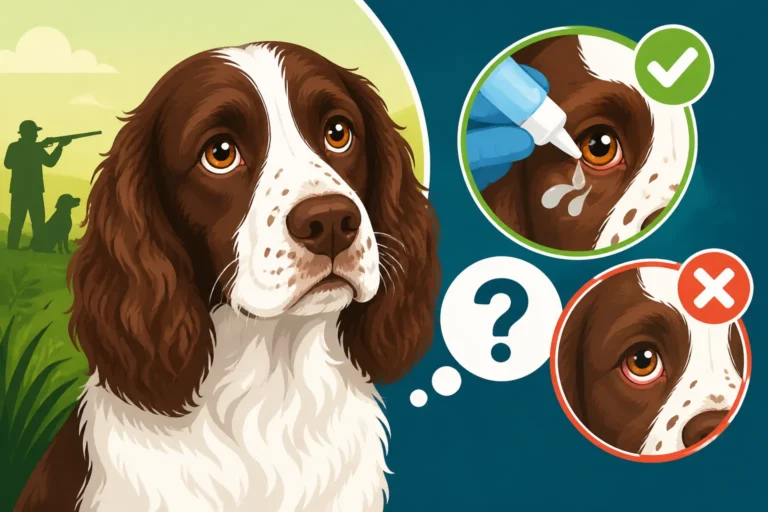
For routine cleaning, use a vet-recommended ear cleaner designed for dogs. These cleaners are formulated to safely break down wax and debris without causing irritation. Gently squirt the solution into the ear canal, massage the base of the ear for 20-30 seconds (you'll hear a satisfying squishy sound!), then let your dog shake its head. Finally, wipe away any loosened debris from the outer ear and opening of the canal with a cotton ball. Which Ear Cleaner Suits a Springer Spaniel can help you choose the right product. Consistency is key here; regular preventative care can significantly reduce the frequency and severity of infections.
Managing Environmental Allergies
If environmental allergies are the main driver of your Springer's ear problems, then managing those allergies is crucial. This can be a multi-faceted approach:
- Medication: Your vet might prescribe antihistamines, corticosteroids (for acute flare-ups), or newer medications that specifically target the itch and inflammation associated with allergies.
- Immunotherapy (Allergy Shots/Drops): This is often the most effective long-term solution. Your vet will perform allergy testing to identify specific environmental allergens, and then a custom vaccine (shots) or oral drops will be formulated to desensitize your dog's immune system to those allergens over time.
- Topical Treatments and Baths: Regular bathing with a medicated or anti-itch shampoo can help remove allergens from the coat and soothe irritated skin. Wiping down paws and bellies after outdoor excursions can also reduce allergen exposure.
- Environmental Control: While impossible to completely eliminate, reducing indoor allergens like dust mites with frequent vacuuming, washing bedding, and using air purifiers can help.
It's important to remember that managing allergies is often a lifelong process, and it may require a combination of strategies to keep your Springer comfortable.
Veterinary Intervention: When to Seek Professional Help
While home care is vital for prevention, some ear issues require professional veterinary intervention. If you notice any of the following, it's time for a vet visit:
- Excessive redness, swelling, or pain in or around the ear.
- Foul odor coming from the ear.
- Discharge that is yellow, green, or black and waxy.
- Constant head shaking or pawing at the ear.
- Loss of balance or head tilt.
- Hearing loss.
- Aural hematoma (a swollen, blood-filled ear flap from excessive shaking).
These signs indicate an active infection or another serious issue that needs medical attention. Your vet will examine the ear, possibly take a swab to look for bacteria or yeast under a microscope (a cytology), and prescribe appropriate ear drops or oral medications. In severe or chronic cases, especially if scar tissue or narrowing of the ear canal occurs, more advanced treatments like video otoscopy or even surgery might be considered. Don't let chronic ear infections go untreated, as they can lead to Whether Chronic Ear Disease Deafens a Springer Spaniel or cause permanent damage. Early and consistent vet care is always the best path for your Springer Spaniel's long-term ear health and comfort.
Disclaimer
This article is for general informational purposes only and does not constitute professional advice. Laws, prices and regulations vary by location and change over time. Consult a qualified professional for guidance on your specific situation.