Grass Allergy in a Working Springer Spaniel
There’s nothing quite like watching your Springer Spaniel, tail blurring with excitement, quartering a field with pure joy. But for many of us, that joy can quickly turn to worry when we see the tell-tale signs of a grass allergy emerging after a day out. It's a frustrating paradox: our dogs are built for the field, yet the field itself can make them miserable. This guide will walk you through understanding, managing, and preventing grass allergies so your working Springer can continue to thrive outdoors.
Understanding Grass Allergy in Your Working Springer Spaniel
It’s easy to dismiss a bit of scratching as just “dog stuff,” especially with a busy, active Springer Spaniel. They’re always getting into things, right? But when that scratching becomes persistent, when those beautiful ears start to smell, or when their paws look red and irritated, it’s time to consider that something more than a minor irritation is going on. Grass allergies, often known as atopic dermatitis, are a genuine concern for our working dogs, and understanding what’s happening is the first step toward relief.
The Environmental Culprit: Pollen and Contact Irritation
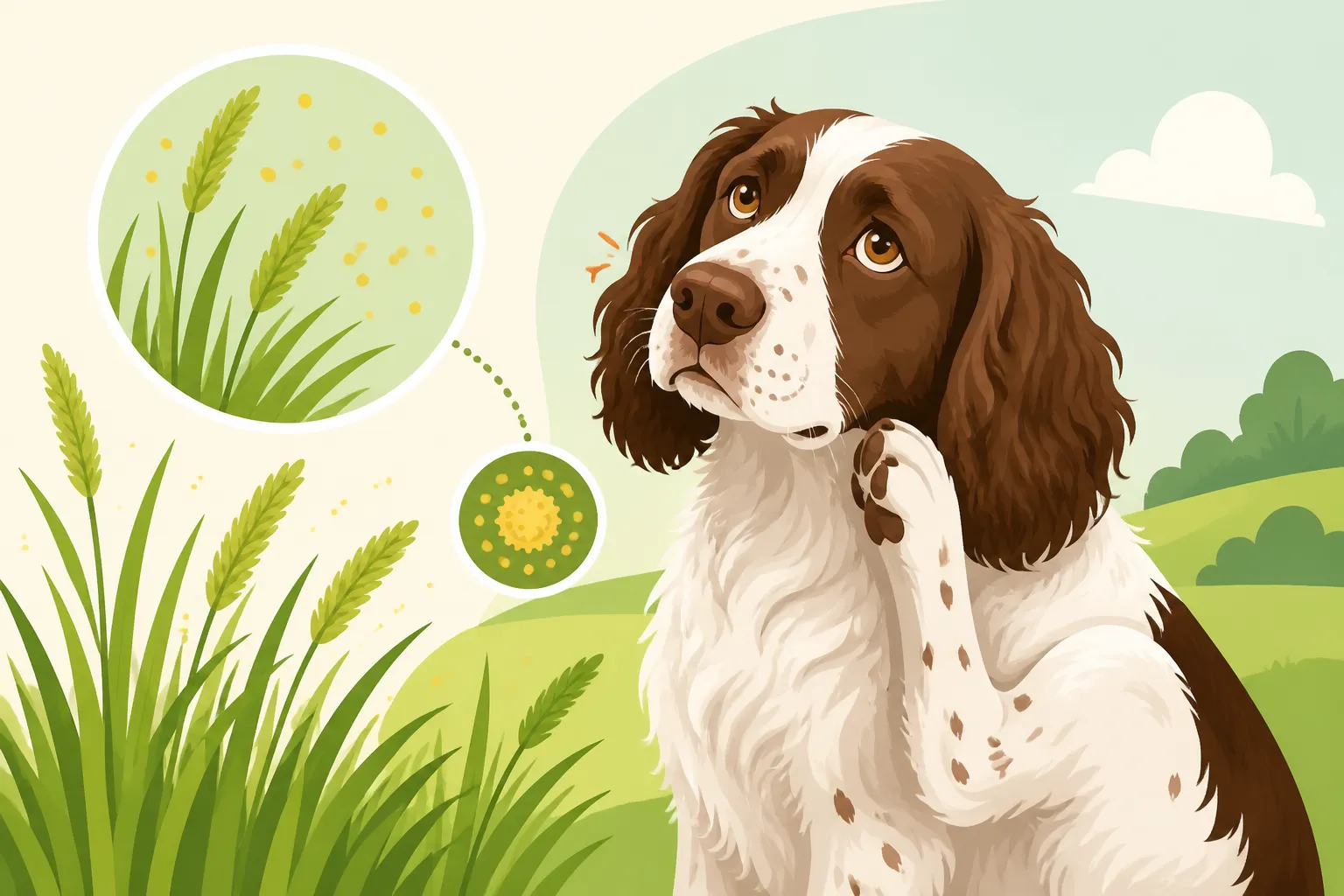
When we talk about grass allergies in dogs, we're usually referring to an immune system overreaction to certain proteins found in grass pollen. Just like people get hay fever, dogs can react to these airborne particles. But for a working Springer Spaniel, there's a double whammy at play: they're not just inhaling pollen; they're immersing themselves in it.
Imagine your Springer Spaniel bounding through a tall hayfield or pushing through dense cover in pursuit of game. Every single blade of grass, laden with microscopic pollen grains, brushes against their coat, their feathering, and most critically, their delicate skin. This direct skin contact can trigger an immediate allergic reaction, a form of contact dermatitis. Their belly, armpits, and paws, which have less fur to protect them, become highly exposed. It's not just the field grasses; even the manicured lawn in your backyard can be a trigger. The type of grass can vary, but common culprits include Bermuda, Timothy, Ryegrass, and Fescue. The challenge for a working dog owner is that avoiding grass entirely is simply not an option, making symptom management and proactive care absolutely crucial.
Recognizing the Signs: Beyond Just Itching
While itching is the hallmark sign of allergies, it manifests in specific ways that can tell you a lot about what your Springer Spaniel is experiencing. For a working dog, these signs might be subtle at first, or you might attribute them to general wear and tear from their activities. However, persistent or escalating symptoms warrant a closer look.
One of the most common indicators is obsessive licking and chewing, particularly of the paws. After a long day in the field, you might notice your dog meticulously grooming their feet, often to the point where the fur becomes stained reddish-brown from saliva, or the skin itself becomes raw and inflamed. This is often an attempt to soothe the itch and discomfort. Another significant area of concern is the ears. Because Springer Spaniels have those gorgeous, floppy ears, their ear canals are naturally predisposed to trapping moisture and heat, creating a perfect breeding ground for yeast and bacteria when allergies compromise the skin barrier. You might notice your dog shaking their head, scratching their ears constantly, or a foul odor emanating from the ear canal. If you lift their ear flap, the skin inside might look red, swollen, or have a greasy discharge. This recurring problem is so common that many Springer Spaniel owners know all too well How Often Allergies Drive a Springer Spaniel's Ear Disease.
Beyond the paws and ears, you might observe red, bumpy rashes on their belly, inner thighs, or armpits – areas where their coat is thinner and direct contact with grass is unavoidable. Sometimes, you’ll even see generalized itchiness across their body, leading to restless nights for both you and your dog. Respiratory signs like sneezing, watery eyes, or a runny nose are less common in canine allergies compared to humans, but they can occur. It’s important to distinguish these allergy symptoms from other skin conditions or parasite infestations, which can present similarly.
Why Working Spaniels Might Be More Affected
It’s an unfortunate reality that our dedicated working Springer Spaniels often face a higher incidence and severity of grass allergies compared to their more sedentary counterparts. This isn't because they're inherently weaker, but simply due to the nature of their work and their deep connection to the environment.
First and foremost is the sheer amount of exposure. A working Springer Spaniel spends hours, sometimes entire days, in environments rich with allergens: fields, hedgerows, tall grasses, and dense undergrowth. They're not just walking on it; they're pushing through it, burrowing into it, and using their powerful noses to scent through it. This constant, full-body immersion means their skin, eyes, nose, and paw pads are continuously bombarded with pollen. This increased exposure can overwhelm their immune system, leading to a stronger allergic response. Furthermore, the physical demands of working can exacerbate skin issues. Their pads might get small abrasions, creating easier entry points for allergens or secondary infections. Their coats, while providing some protection, can also trap pollen and moisture, holding it close to the skin. The intense activity can also lead to increased body temperature and sweating, which can irritate already sensitive skin. When you combine their genetic predisposition for allergies – something many Springer Spaniel lines carry – with their high-exposure lifestyle, it creates a perfect storm for grass allergy flare-ups. Owners need to be particularly vigilant, understanding that the very activities that bring their dogs joy can also be the source of their discomfort.
Diagnosing and Managing Grass Allergy
Dealing with chronic allergies in an active dog can feel like an uphill battle. It’s disheartening to see your working partner uncomfortable, especially when you know their passion is being out in the field. The key to effective management lies in a precise diagnosis and a multi-pronged approach to treatment and prevention.
Partnering with Your Vet: The Diagnostic Journey
The first crucial step when you suspect a grass allergy is a thorough consultation with your veterinarian. They’ll want to know everything: when the symptoms started, how frequently they occur, what activities precede a flare-up, and what you’ve already tried at home. It’s helpful to keep a detailed log or journal of your dog’s symptoms, including the date, severity, and any potential triggers you observed.
Your vet will likely start by ruling out other common causes of itching and skin irritation. This often involves checking for external parasites like fleas, mites, or ticks. They may perform skin scrapings, fungal cultures, or cytology (examining skin and ear swabs under a microscope) to identify secondary bacterial or yeast infections, which are very common complications of allergies. Once other causes are ruled out, allergies become the prime suspect. To pinpoint environmental allergens like grass pollen, your vet might recommend either a blood test (serum IgE test) or an intradermal skin test, where small amounts of various allergens are injected under the skin to observe reactions. These tests help identify the specific allergens your dog is reacting to, which is vital for developing a targeted management plan, especially if immunotherapy is considered. Don't be afraid to ask your vet detailed questions; understanding The Allergens Behind a Springer Spaniel's Itch is critical for long-term success.
Practical Management Strategies for the Active Dog
Once a grass allergy is confirmed, managing it effectively for a working Springer Spaniel requires a combination of strategies. There's no single magic bullet, but rather a holistic approach focused on reducing exposure, alleviating symptoms, and strengthening skin health.
For immediate relief during a flare-up, your vet might prescribe anti-inflammatory medications like corticosteroids or newer targeted medications such as Apoquel or Cytopoint. These can quickly bring down inflammation and stop the maddening itch, giving your dog much-needed comfort. Apoquel for a Springer Spaniel's Itch can be a game-changer for many dogs, providing relief without the broader side effects often associated with long-term steroid use. Topical treatments are also incredibly helpful: medicated shampoos, conditioners, and wipes can soothe irritated skin, remove allergens from the coat, and treat secondary infections. Look for formulations containing ingredients like chlorhexidine for antibacterial properties or miconazole for anti-fungal action, or soothing colloidal oatmeal. You can often find a wide variety of these products from reputable online retailers like Chewy or Amazon.
Environmental control, while challenging for a working dog, can still play a role. After a session in tall grass, a quick rinse with plain water can help wash away pollen from their coat and paws. Using paw wipes specifically designed for allergies after every outdoor excursion can also make a significant difference in preventing flare-ups, especially reducing the impulse of Why a Springer Spaniel Licks Its Paws Raw. Creating a designated "clean zone" indoors where your dog can rest and recover, free from outdoor allergens, is also beneficial. Regularly washing your dog's bedding in hot water can help remove trapped pollen.
Dietary Considerations and Supplements
Beyond external management, what goes into your Springer Spaniel's body can profoundly impact their skin health and allergic response. Nutrition plays a vital supportive role in managing grass allergies.
Some dogs with environmental allergies also have food sensitivities, which can complicate symptoms. Even if your dog doesn't have a specific food allergy, a high-quality, balanced diet rich in essential fatty acids can significantly improve skin barrier function, making it more resilient against allergens and less prone to inflammation. Look for foods that list quality protein sources and healthy fats like omega-3 and omega-6. Sometimes, Running an Elimination Diet on a Springer Spaniel can help identify if a food component is contributing to their overall inflammatory load, even if the primary trigger is environmental.
Supplements can also be incredibly beneficial. Omega-3 fatty acids, typically derived from fish oil, are powerful natural anti-inflammatories that can help reduce the severity of allergic reactions and improve skin and coat health. Probiotics can support gut health, which is increasingly understood to play a role in immune regulation and reducing allergic responses. Your vet can recommend appropriate dosages and types of supplements. Some owners even explore fresh food diets, like those offered by Ollie, believing the less processed ingredients and natural moisture content contribute to better skin health and a stronger immune system overall. While fresh food may not cure an allergy, it can certainly provide a solid nutritional foundation that supports overall well-being, which is crucial for a dog dealing with chronic conditions. Also, ensure your dog maintains a healthy weight; Whether an Overweight Springer Spaniel Gets More Ear Infections can become a complicating factor as excess fat can promote inflammation.
| Symptom Category | Common Manifestation | Potential Interventions |
|---|---|---|
| Itching | Licking paws, rubbing face, general body scratching | Antihistamines, corticosteroids, Apoquel, Cytopoint, medicated wipes/shampoos |
| Paws | Redness, swelling, raw skin, brown staining (saliva), chewing/licking | Paw balms, medicated foot soaks, protective boots (for field work) |
| Ears | Redness, discharge, odor, head shaking, scratching ears | Medicated ear cleaners, prescribed ear drops, regular cleaning |
| Skin | Rashes, bumps, hot spots, greasy coat, hair loss | Medicated baths, topical creams/sprays, antibiotics (for secondary infection) |
| Respiratory | Sneezing, watery eyes, clear nasal discharge (less common) | Antihistamines, environmental control |
Protecting Your Springer in the Field and Beyond
The goal isn't just to manage symptoms, but to enable your working Springer Spaniel to continue enjoying the activities they love without constant discomfort. This means integrating proactive protection into your routine, especially around their time in the field.
Pre- and Post-Field Routines: Proactive Prevention
For a working Springer Spaniel, prevention starts long before they ever set foot in the field and continues long after they’ve returned home. Establishing a diligent pre- and post-field routine can significantly reduce allergen exposure and mitigate the severity of flare-ups.
Before heading out, consider applying a protective balm to your dog's paw pads. This creates a barrier against irritants and can help prevent micro-abrasions that allow allergens to penetrate the skin more easily. Some owners even use a very light, pet-safe protective spray on areas like the belly and inner thighs, though ensure it won't interfere with their scenting ability. Once your Springer Spaniel has finished their work for the day, the immediate priority is to remove as many allergens as possible. A full-body rinse with plain water is excellent, paying particular attention to the legs, belly, and especially the paws and between the paw pads. This simple act washes away pollen, dirt, and other irritants before they have a chance to settle and trigger a reaction. Checking a Springer Spaniel's Feet After Working is paramount, not only for allergy prevention but also for spotting cuts, thorns, or grass awns. Following the rinse, ensure thorough drying, particularly in and around those floppy ears, as moisture can quickly lead to infection when the skin barrier is compromised. A quick wipe down of the ears with a vet-approved ear cleaning solution can also be beneficial as part of this routine, which can contribute to reducing What a Springer Spaniel Owner Spends on Ear Care in a Decade.
Gear and Grooming to Minimize Exposure
Strategic grooming and the right gear can make a world of difference for a working Springer Spaniel prone to grass allergies. Their beautiful feathering, while protective in some ways, can also be a magnet for pollen and debris.
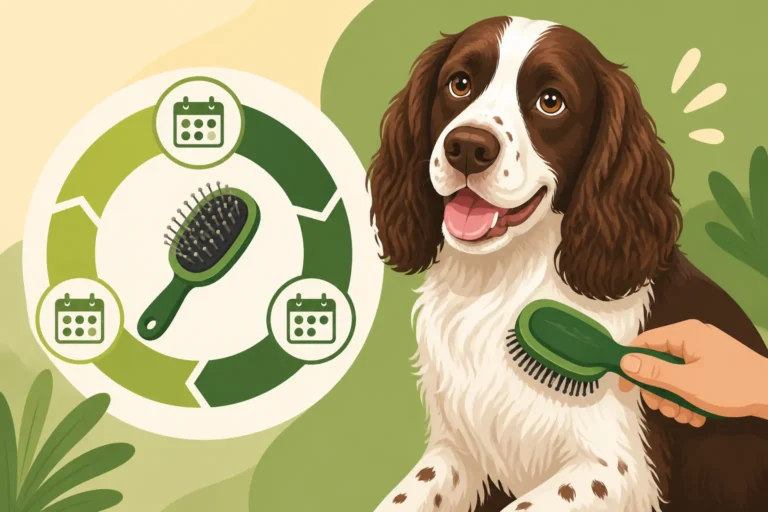
Regular brushing, even daily during high pollen seasons, helps to remove trapped allergens from their coat before they can migrate to the skin. A good quality slicker brush followed by a comb can get deep into the undercoat. While a full shave isn't recommended for their coat health, keeping the feathering on their belly and legs shorter can reduce the surface area for pollen to cling to. Talk to a professional groomer about a "field clip" that prioritizes hygiene and allergen reduction without compromising their natural insulation.
When it comes to gear, consider a protective vest or belly bib for your working dog. While not always practical for scent work, for certain types of cover, these can offer a physical barrier for the highly exposed skin of their chest and belly. After a hunt, ensure you wipe down or wash any harnesses, vests, or collars your dog wore, as these too can harbor allergens. On days when pollen counts are exceptionally high, or if your dog is particularly sensitive, you might even consider using specially designed dog boots or paw protectors. These aren't just for rough terrain; they can significantly reduce direct paw pad exposure to irritating grasses. You can find a range of such grooming tools and protective gear on platforms like Chewy or Amazon, making it easier to equip your allergic working Springer Spaniel.
When to Consider Advanced Treatments
If your Springer Spaniel's grass allergies remain difficult to control with topical treatments, diet, and environmental modifications, it might be time to discuss advanced treatment options with your veterinarian or a veterinary dermatologist.
One of the most effective long-term solutions for environmental allergies is immunotherapy, often referred to as allergy shots or drops. This involves gradually exposing your dog to small, increasing doses of the specific allergens they are sensitive to, with the goal of desensitizing their immune system over time. While it requires patience and commitment – results can take months to appear – it addresses the root cause of the allergy rather than just managing symptoms. It can significantly reduce the need for daily medication and improve your dog's quality of life. For some dogs, particularly those with severe, chronic skin infections secondary to their allergies, further diagnostic work might be necessary to identify any underlying immune deficiencies or hormonal imbalances. In rare, extreme cases, veterinary dermatologists may explore other medications or even innovative therapies. The journey with an allergic working Springer Spaniel can be long, but with a dedicated team approach involving you, your vet, and potentially a specialist, your beloved companion can lead a comfortable and fulfilling life in the field and at home. Keeping an eye on any Hot Spots Under a Springer Spaniel's Feathering and proactively treating them can prevent escalation.
Disclaimer
This article is for general informational purposes only and does not constitute professional advice. Laws, prices and regulations vary by location and change over time. Consult a qualified professional for guidance on your specific situation.