Why a Springer Spaniel’s Coat Holds Odor
It's a familiar scenario for many Springer Spaniel owners: you've just given your beloved dog a bath, and within days – sometimes even hours – that distinct "doggy odor" is back, perhaps even stronger than before. You might wonder if it's just your imagination or if your Springer has a unique knack for holding onto smells. You're not alone in this frustration, and it's not in your head. This guide is here to shed light on why your Springer Spaniel's coat seems to cling to odors and, more importantly, what you can do about it, from daily care to when to worry.
The Unique Characteristics of a Springer Spaniel's Coat
Understanding why your Springer Spaniel's coat holds odor starts with appreciating the coat itself. These magnificent dogs were bred for a specific job: flushing game from dense cover and retrieving it. Their coat is perfectly engineered for this, but it comes with its own set of challenges in a domestic setting.
The Double Coat Design
Like many sporting breeds, Springer Spaniels boast a dense double coat. This isn't just one layer of hair; it's two distinct ones, each with a crucial role. The outer coat, or guard hairs, is typically coarser and water-resistant. Its job is to protect your dog from thorns, brambles, and the elements, allowing water and debris to roll off. Underneath this lies a softer, denser undercoat. This fluffy layer provides insulation, keeping them warm in cold water or chilly weather, and cool in warmer temperatures.
While fantastic for their original purpose, this double layer creates a microclimate close to the skin. It can trap moisture, dead skin cells, dirt, and even microscopic organisms right against your dog's body. If not regularly brushed and properly dried, especially after a swim or a damp walk, this undercoat can become a breeding ground for bacteria and yeast, leading to that notorious "wet dog" smell that eventually permeates everything. Think of it like a very effective, very smelly sponge.
Feathering: A Trap for Everything
One of the most distinctive and beautiful features of a Springer Spaniel is its abundant feathering. You'll find these longer, silkier hairs on their ears, chest, belly, legs, and tail. In the field, this feathering offers additional protection from undergrowth. In your home, however, it's a magnet for everything outdoors.
Mud, dust, burrs, grass seeds, pollen, and even less desirable things like fox scat or stagnant pond water cling stubbornly to these long hairs. It's not uncommon for a Springer to return from a walk looking like they've collected half the forest. If these foreign bodies aren't promptly removed, they can not only cause matting and skin irritation but also bring in and hold onto a wide array of odors. Imagine your dog enthusiastically diving into a muddy puddle, then shaking it all off around your house. The feathering acts like thousands of tiny, odor-absorbing wicks, spreading whatever they've picked up directly onto your furniture and into the air. Proper and frequent grooming is essential to keep these areas clean and free of trapped debris. Trimming a Springer Spaniel's Feathering can certainly help reduce the amount of "stuff" they drag in.
Skin Health and Natural Oils
Beyond the hair itself, a Springer Spaniel's skin also plays a significant role in coat odor. Their skin naturally produces oils (sebum) that condition the coat, keeping it healthy and somewhat waterproof. These oils are a normal, healthy part of a dog's physiology. However, too much oil, or an imbalance in skin health, can contribute to a stronger odor.
If your Springer has particularly oily skin, or if they're prone to certain skin conditions, these oils can mix with environmental particles and bacteria, becoming rancid and producing a distinct, often unpleasant smell. Sometimes, what you perceive as "coat odor" is actually a symptom of underlying skin issues, like seborrhea, which causes flaky, greasy skin and a strong smell. The skin itself can also harbor yeast and bacteria that thrive in warm, moist, oily environments, leading to an even more pronounced scent. This is where regular, appropriate bathing comes in, not just to clean the hair, but to support healthy skin too.
Common Causes of Persistent Odor in Springer Spaniels
The mystery of the perpetually smelly Springer isn't usually due to just one thing. Often, it's a combination of factors related to their breed characteristics, lifestyle, and sometimes, underlying health issues. Pinpointing the exact cause for your dog is key to finding the right solution.
Moisture and Its Role in Bacterial Growth
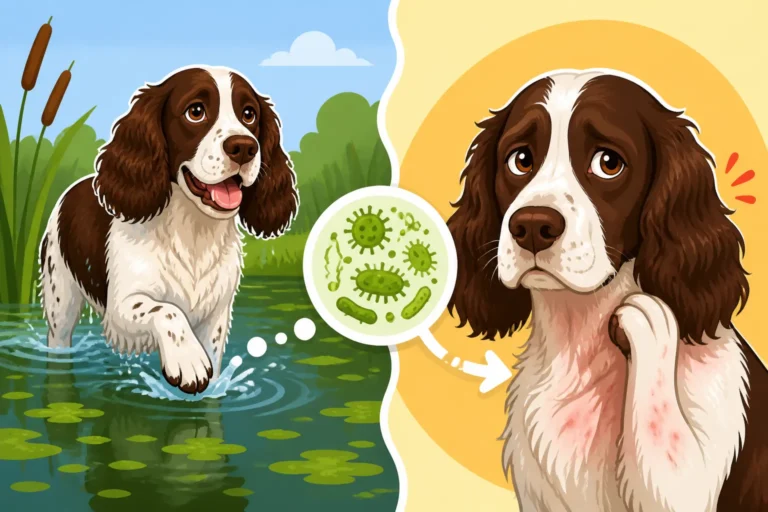
Springer Spaniels are water dogs through and through. They adore swimming, splashing, and generally getting wet, which is fantastic for their physical and mental health. However, their love for water, combined with their dense, drop ears, makes them prime candidates for moisture-related odor problems. When their double coat, especially the thick undercoat, doesn't dry thoroughly and quickly, it creates a damp, warm environment. This is an ideal breeding ground for bacteria and yeast to multiply.
Think about a damp towel left in a hamper – it quickly starts to smell musty and unpleasant. The same principle applies to your dog's coat. This is particularly true for their ears, which hang down, trapping moisture and heat. Ear infections, often caused by yeast or bacteria, are incredibly common in Springer Spaniels and produce a distinctly yeasty or sickly sweet odor that you might mistakenly attribute to their general body smell. Regular Drying a Springer Spaniel's Ears After Swimming is crucial to prevent these issues from taking hold.
Environmental Factors and Outdoor Adventures
A Springer Spaniel thrives on outdoor adventures, whether it's a romp through tall grass, a dive into a murky pond, or an enthusiastic roll in something decidedly unappetizing. While these activities are part of what makes them such joyful companions, they are also major contributors to coat odor. The feathering and dense coat are designed to collect and hold onto things, and unfortunately, this includes environmental smells.
Consider the aroma of damp earth, decaying leaves, pond scum, or even farm animal waste. If your Springer has been exploring these natural "fragrances," their coat acts like a sponge, soaking up and holding onto these smells. Furthermore, parasites like fleas or ticks can irritate the skin, leading to scratching and secondary infections that produce odors. Even just dust and pollen can accumulate, mixing with natural skin oils to create a stale smell. A working Springer Spaniel especially needs A Post Hunt Check Every Time to clear out all the debris they pick up.
Diet and Internal Health Contributions
What goes into your Springer Spaniel can absolutely affect how they smell. Their diet plays a significant role in skin and coat health, and an imbalance can manifest as an unpleasant odor. A diet lacking in essential fatty acids, for instance, can lead to dry, flaky skin or an overproduction of oils, both of which can contribute to a stronger smell.
Sometimes, certain ingredients in their food, even if they aren't causing a full-blown allergy, might not agree with your dog's digestive system, leading to gas or other internal issues that can contribute to overall body odor. Think about how a person's diet can affect their breath or body odor; it's similar for dogs. Furthermore, underlying medical conditions like thyroid issues, kidney disease, or dental problems can cause distinct, abnormal odors. If you notice a sudden or unusual change in your Springer's scent, it's always worth a vet visit to rule out any health concerns. Exploring options like fresh food from services like Ollie or high-quality kibble available on Chewy can sometimes make a noticeable difference in coat health and odor. Whether Fresh Food Changes a Springer Spaniel's Skin is a topic many owners explore for this very reason.
Allergies and Skin Conditions
A common culprit behind persistent odor in Springer Spaniels is allergies. These dogs are predisposed to environmental allergies (atopy) and sometimes food allergies. When a Springer Spaniel has allergies, their skin often becomes inflamed, itchy, and irritated. This can lead to excessive licking, chewing, and scratching, which damages the skin barrier and creates open sores or hot spots. These irritated areas are perfect breeding grounds for opportunistic bacteria and yeast.
The resulting bacterial or yeast infections (pyoderma and malassezia dermatitis, respectively) produce a very characteristic, strong odor – often described as sweet, musty, or even cheesy. Beyond allergies, other skin conditions such as seborrhea, which leads to greasy, flaky skin, can also cause a powerful, often rancid smell. Identifying and managing these underlying skin issues, potentially with the help of your vet and specialized products, is crucial for resolving the odor. The Allergens Behind a Springer Spaniel's Itch can be a complex puzzle to solve, but finding the answer is key to managing odor.
Practical Solutions for Managing Your Springer Spaniel's Coat Odor
Once you understand why your Springer Spaniel might be a little stinky, you can start implementing practical strategies to keep them smelling fresh and clean. It’s often a multi-pronged approach that tackles both the symptoms and the root causes.
Regular Grooming and Bathing Techniques
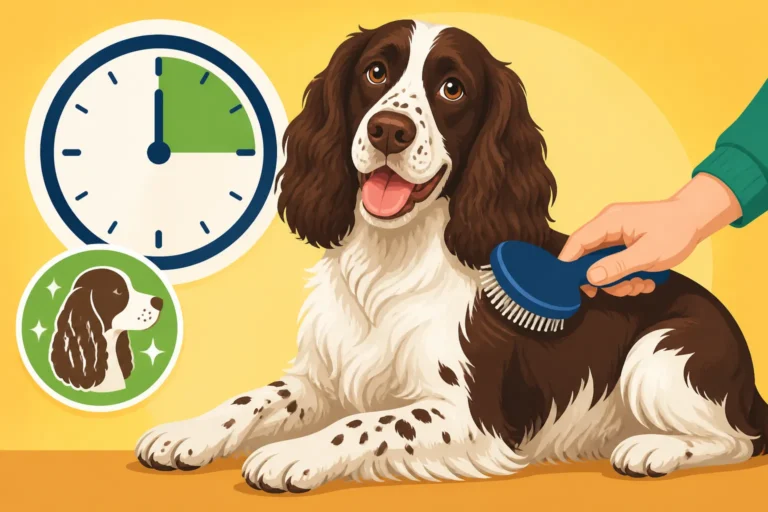
The first line of defense against coat odor is consistent and thorough grooming. This means more than just a quick brush. For a Springer Spaniel, especially those with fuller coats, daily brushing is ideal to remove loose hair, dirt, and debris before it has a chance to settle and generate odors. Pay particular attention to the feathering and the dense areas around the ears, chest, and armpits, where mats and trapped grime often begin. A good slicker brush and a metal comb are your best friends here.
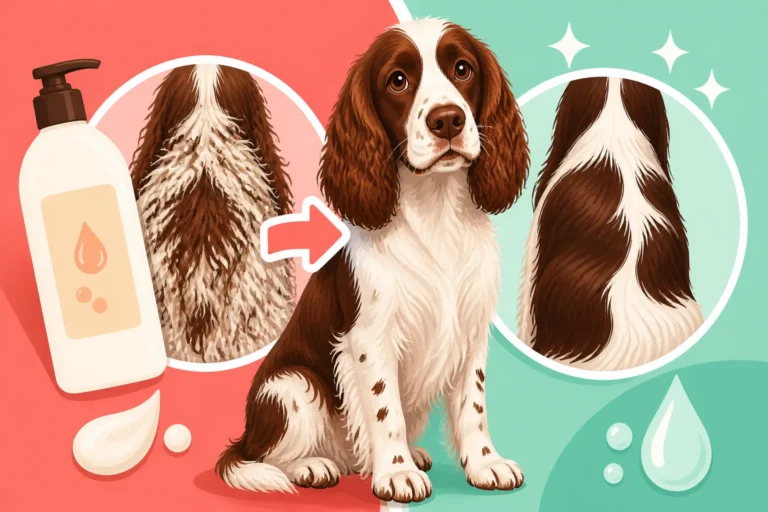
Bathing frequency can vary, but most Springer Spaniels benefit from a bath every 4-6 weeks, or more often if they've had a particularly messy outdoor adventure. The key isn't just washing, but proper washing and drying. Use a dog-specific shampoo – human shampoos can be too harsh for their skin. Lather well, ensuring you reach the undercoat and skin, and rinse extremely thoroughly. Any shampoo residue left behind can irritate the skin and actually contribute to odor. After rinsing, towel dry aggressively, then follow up with a high-velocity dog dryer (if you have one) or a hairdryer on a cool setting. It's critical that the entire coat, especially the undercoat, is bone dry. Even slightly damp fur can quickly become a haven for odor-causing microbes. How Often a Working Springer Spaniel Needs Washing might be more often than a pet Springer.
Choosing the Right Products
The market is flooded with dog grooming products, and choosing the right ones for your Springer Spaniel can make a big difference. For bathing, look for shampoos specifically formulated for "odor control" or "sensitive skin," especially if your dog is prone to allergies or greasy skin. Colloidal oatmeal shampoos can be soothing, while some shampoos contain ingredients like chlorhexidine or miconazole for anti-bacterial and anti-fungal properties if infections are suspected. You can find a wide array of options on platforms like Amazon or Chewy.
Between baths, consider using a dry shampoo or a dog deodorizing spray to freshen up their coat. These are great for quick touch-ups or when a full bath isn't practical. For those ever-problematic ears, a good quality ear cleaner is essential. Consult your vet on Which Ear Cleaner Suits a Springer Spaniel, as different formulations target different issues. Regular cleaning, especially after swimming, helps prevent infections that cause significant odor. Don't forget nail trims and dental care; bad breath can contribute to overall "doggy smell" if your dog is constantly licking themselves or breathing near you.
Dietary Adjustments and Supplements
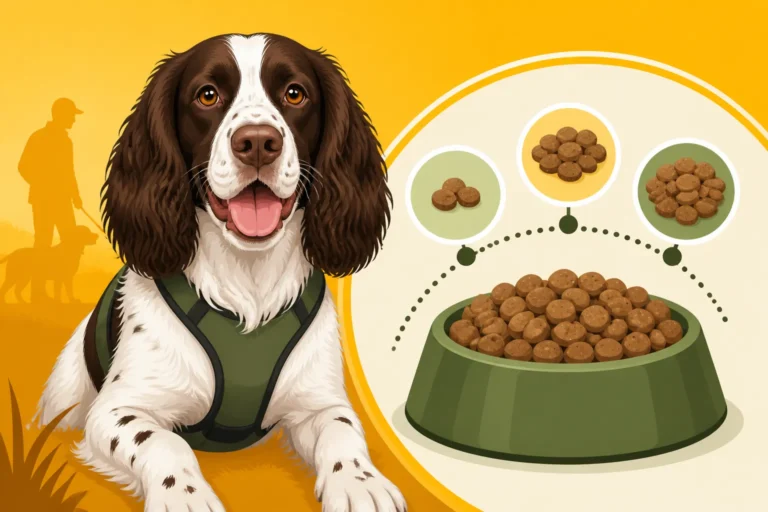
As mentioned earlier, diet plays a huge role in skin and coat health, which in turn impacts odor. If your Springer Spaniel has a persistent odor that isn't explained by external factors, consider evaluating their diet. High-quality dog food, whether kibble, fresh, or raw, provides the necessary nutrients for a healthy skin barrier and coat. Some owners find that switching to a food with different protein sources or a limited ingredient diet can help if food sensitivities are suspected. Companies like Ollie offer fresh, customized meal plans that some owners report improve their dog's coat and overall well-being.
Supplements, particularly omega-3 fatty acids (like fish oil), can also be beneficial. These essential fatty acids promote healthy skin and a shiny coat, reducing dryness and inflammation that can lead to odor. Probiotics might also be useful for gut health, which can have a trickle-down effect on skin health. Always discuss any significant dietary changes or new supplements with your veterinarian to ensure they are appropriate for your dog's specific needs. Whether Fresh Food Changes a Springer Spaniel's Skin is a common question, and for many, the answer is a resounding yes.
Environmental Management
Beyond direct care for your Springer, managing their environment can also help reduce overall odor. Regularly wash your dog's bedding, blankets, and any soft toys they interact with. These items absorb and hold onto doggy smells, and if they're not clean, they'll just transfer the odor back to your freshly bathed dog. Use pet-safe laundry detergents.
Consider using air purifiers in areas where your Springer spends a lot of time. These can help filter out airborne dander and odors. If your dog loves the outdoors, invest in a good quality, quick-drying towel specifically for dog use to wipe them down thoroughly after walks, especially on damp or muddy days. For working Springers, a good quality, quick-dry mat or bed in their crate or truck can also help prevent lingering dampness and smell. Being proactive about cleaning up after outdoor adventures minimizes the amount of dirt and smell that makes its way into your home.
When to Seek Professional Help for Persistent Odor
While a certain level of "doggy smell" is normal for any canine, and especially for a busy, outdoorsy Springer Spaniel, there's a difference between typical dog scent and an odor that indicates a problem. Knowing when to escalate your concerns to a professional is key for your dog's health and your peace of mind.
Recognizing Red Flags
Not all smells are created equal. A "wet dog" smell that dissipates quickly once your dog is dry is one thing. A persistent, strong, or unusual odor that doesn't go away, even after a bath, is a red flag. Pay attention to the type of smell:
- Yeasty/Musty: This often points to a yeast infection, particularly common in the ears, between paw pads, or in skin folds. If you notice your dog's Why a Springer Spaniel's Ears Are Never Quite Healthy it could be a fungal issue.
- Fishy: This can indicate anal gland issues, which can be expressed by your vet or groomer.
- Sweet/Sickly: This might suggest a bacterial skin infection.
- Foul/Decaying: This could point to a decaying tooth, an abscess, or a deep-seated infection, especially if localized to one area.
- Fruity/Acetone-like: In rare cases, this could be a sign of diabetes.
Beyond the smell itself, look for other accompanying symptoms. Is your Springer scratching excessively, licking their paws constantly, or rubbing their face? Are there any visible skin changes like redness, rashes, bumps, scabs, hair loss, or greasiness? Is their coat dull or brittle? Are they shaking their head frequently, indicating ear discomfort? Any of these signs, especially in conjunction with an unusual odor, warrant professional attention. Signs a Springer Spaniel Has an Ear Infection are often subtle until the smell becomes undeniable.
The Role of Your Veterinarian
If you've tried all the routine grooming and environmental management tips and the odor persists, or if you notice any of the red flags mentioned above, your first call should be to your veterinarian. They can conduct a thorough examination to identify the underlying cause. This might involve:
- Skin Scrapings and Cytology: To look for mites, bacteria, or yeast on the skin.
- Ear Swabs: To check for ear infections.
- Blood Tests: To rule out systemic issues like hypothyroidism or other metabolic conditions that can affect skin and coat health.
- Allergy Testing: If allergies are suspected to be driving skin inflammation and subsequent infections.
- Dental Exam: To check for dental disease, which often causes bad breath that owners mistake for body odor.
Your vet can accurately diagnose the problem and prescribe appropriate treatments, whether it's medicated shampoos, antibiotics, antifungals, allergy medications, or dietary changes. Addressing the root cause is far more effective than just trying to mask the smell. For example, if Whether a Springer Spaniel Gets Greasy Skin is a sign of seborrhea, specific treatments will be needed.
Consulting a Professional Groomer
While your vet addresses medical concerns, a professional groomer can be an invaluable partner in managing your Springer Spaniel's coat health and odor. They have the expertise and specialized tools to properly bathe, dry, and groom a double-coated breed. A good groomer can:
- Thoroughly De-shed: Removing dead undercoat significantly improves air circulation and reduces trapped moisture and odor.
- Provide Expert Drying: Professional high-velocity dryers ensure the coat is completely dry, minimizing bacterial and yeast growth.
- Address Matting: Safely remove mats that trap dirt and harbor odors, which can be tricky to do at home.
- Perform Sanitary Trims: Keeping areas like paw pads, hindquarters, and belly neatly trimmed reduces the amount of debris and waste that can cling to the coat.
- Spot Potential Issues: A groomer spends hands-on time with your dog and might notice early signs of skin irritation, lumps, or ear problems that you might miss, prompting a timely vet visit.
Working with both your vet and a skilled groomer ensures a comprehensive approach to keeping your Springer Spaniel healthy, happy, and smelling as fresh as a daisy – or at least, as fresh as a beloved, active spaniel can be!
| Cause of Odor | Common Smell Description | Primary Location Affected | Recommended Action |
|---|---|---|---|
| Damp Coat/Undercoat | Musty, "wet dog" | Entire coat, especially dense areas | Thorough drying after getting wet; regular brushing. |
| Yeast Infection | Yeasty, sweet, "Fritos" (paws) | Ears, paws, skin folds, armpits | Vet visit for diagnosis and antifungals; specialized shampoos. |
| Bacterial Skin Infection | Foul, sickly sweet | Any irritated skin area, hot spots | Vet visit for diagnosis and antibiotics; medicated baths. |
| Trapped Environmental Debris | Earthy, muddy, animal waste-like | Feathering, lower legs, belly | Daily brushing; prompt rinsing/wiping after outdoor adventures. |
| Anal Gland Issues | Fishy, pungent | Rear end | Vet or groomer for expression; dietary fiber review. |
| Dental Disease | Rotten, foul | Mouth | Vet dental exam; professional cleaning; daily tooth brushing. |
| Dietary Imbalance/Allergies | General "doggy" intensification | Overall skin and coat | Review diet with vet; consider novel proteins or supplements. |
Disclaimer
This article is for general informational purposes only and does not constitute professional advice. Laws, prices and regulations vary by location and change over time. Consult a qualified professional for guidance on your specific situation.