The Year the Kennel Club Recognized the Springer Spaniel
It’s easy to look at our beloved English Springer Spaniels today and assume they’ve always been the well-defined, energetic companions we know and love. But the truth is, the journey to official breed recognition was a long and often confusing one, marked by fluid definitions and shared ancestry with other spaniels. This guide will take you through the pivotal moment when The Kennel Club (UK) officially recognized the Springer Spaniel, and why that decision was so monumental for the breed we adore.
Before the Official Distinction: A Muddled History
Before the formal acknowledgment, the world of spaniels was a bit of a free-for-all, with many dogs simply categorized by their size and hunting purpose rather than strict breed standards. Imagine a time when puppies from the very same litter might be called "Cockers" or "Springers" based on whether they were big enough to "spring" game or small enough to work "cock" (woodcock). It sounds wild to us now, but that was the reality for centuries!
Spaniels and Their Evolving Roles
For generations, spaniels were simply working dogs, bred for their ability to flush game from dense cover for hunters using nets, bows, or early firearms. They were valued for their noses, their tireless energy, and their willingness to dive into bramble patches. There wasn't a great need for strict physical definitions beyond what made them effective in the field. They were simply "land spaniels" or "setting spaniels," adapting to the local terrain and the hunter's needs.
These dogs were integral to hunting, often working in tandem with falcons or ferrets before the advent of modern shotguns. Their job was to "spring" the game, pushing birds into the air or rabbits from their hiding spots, making them accessible to the hunter. The variations in their size and appearance were often seen as functional adaptations rather than distinct breed characteristics to be preserved. This fluid definition meant that a "spaniel" could look quite different depending on the region and the specific game it was tasked with finding.
The Overlap with Cocker Spaniels
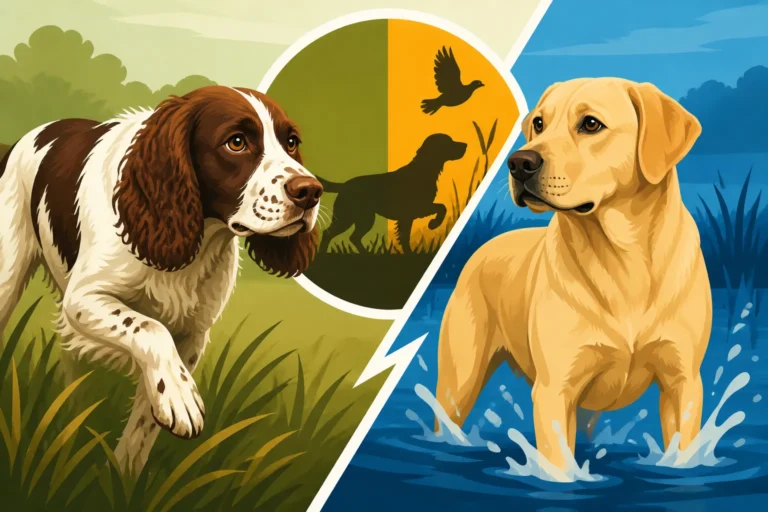
One of the biggest sources of confusion, and frankly, a bit of a historical headache for spaniel enthusiasts, was the deep overlap between what we now know as Springer Spaniels and Cocker Spaniels. For a long time, these weren't separate breeds at all, but rather size distinctions within a single spaniel type. A smaller, lighter dog from a litter might be dubbed a "Cocker Spaniel" because it was ideally suited for hunting woodcock, which typically meant navigating denser, tighter cover.
Conversely, its larger, leggier littermate would be called a "Springer Spaniel" if it was better equipped to "spring" larger game birds like pheasants or grouse, requiring more ground coverage and stamina. It was a practical, albeit rather unscientific, way of categorizing dogs for a specific job. This meant that pedigrees, as we understand them today, were less about consistent lineage and more about the functional attributes of the individual dog. It really makes you appreciate the structured breeding programs we have now, doesn't it? If you're curious about this specific historical moment, you might find The 1902 Split That Separated Springer From Cocker fascinating.
The Pivotal Year: 1902 and The Kennel Club (UK)
The dawn of the 20th century brought with it a growing interest in dog shows and formalized breeding, leading to a push for clearer breed standards and distinctions. Enthusiasts and breeders began to recognize that the larger, leggy "springing" spaniels consistently produced offspring with similar traits, suggesting a true breed type was emerging.
The Formal Recognition
It was in the year 1902 that The Kennel Club (KC) in the United Kingdom officially recognized the English Springer Spaniel as a distinct breed. This wasn't just a casual nod; it was a significant declaration that separated these dogs from the catch-all "land spaniel" category and, crucially, from their smaller Cocker cousins. This recognition gave the Springer Spaniel its own place in the canine world, complete with a breed standard that described its ideal physical characteristics and temperament.
This formal step was the culmination of years of dedicated work by breeders who had been selectively breeding for the specific traits that defined the Springer Spaniel. It meant that dogs could now be registered as English Springer Spaniels, and their lineage could be officially tracked, paving the way for more consistent breeding and the development of the breed as we know it today. This period really marks the moment the English Springer Spaniel stepped out of the shadows and into its own spotlight.
Establishing the Breed Standard
With official recognition came the crucial task of establishing a detailed breed standard. This document outlined everything from the ideal height and weight to the shape of the skull, the set of the ears, the length of the tail (or lack thereof, as was the custom), and the accepted coat colors and markings. It also touched upon temperament, emphasizing the Springer's characteristic eagerness, friendliness, and working drive. This was huge because it provided a blueprint for breeders to follow, aiming for uniformity and the preservation of desirable traits.
Before this, judging "type" was much more subjective. Now, there was a clear, written guide. This standardization meant that English Springer Spaniels, whether from Cornwall or Cumbria, would increasingly share a common appearance and set of attributes. It helped cement the idea of a distinct "Springer" look and personality, ensuring that future generations would conform to this carefully considered ideal. This standardization also played a huge role in differentiating them from other spaniels; for a deeper dive, check out How Springer Spaniels Were Sorted by Size Before 1902.
The Impact of Recognition on Breed Development
The official recognition by The Kennel Club in 1902 wasn't just a historical footnote; it profoundly impacted the future of the English Springer Spaniel. It marked the beginning of structured breeding programs aimed at preserving and refining the breed's unique qualities.
Defining "Type" and Breeding Goals
Once recognized, breeders had a clear goal: to produce dogs that conformed to the established breed standard. This meant focusing on specific physical characteristics, such as the distinct head shape, moderate angulation, and correct coat texture, all while maintaining the breed's inherent working abilities. The goal was to create a recognizable "English Springer Spaniel type" that was consistent across kennels.
This period also saw the rise of specialized clubs, like The English Springer Spaniel Club, which further championed the breed and helped disseminate information about proper breeding practices. These clubs organized shows and trials, giving breeders a platform to showcase their dogs and evaluate how well they measured up to the standard. It was an exciting time, laying the groundwork for the modern Springer Spaniel. If you're interested in the formation of these early organizations, you'll want to read about The Year the English Springer Spaniel Club Formed.
Divergence from Other Spaniels
The formal separation from other spaniel types, particularly the Cocker Spaniel, was a huge consequence of the 1902 recognition. No longer would puppies from the same litter be assigned different breed names based on their size or potential use. The lines were drawn, and breeders began to focus on maintaining the unique identity of each breed. This led to distinct breeding strategies, with Springer breeders emphasizing traits suitable for "springing" game over a wider area, while Cocker breeders focused on traits for closer working in dense cover.
This divergence wasn't just about physical appearance; it also started to influence temperament and working style. While both remained spaniels at heart, the subtle differences in their intended roles became more pronounced through selective breeding. This helped solidify the Springer Spaniel's reputation as a strong, athletic flushing dog, distinct from its smaller, equally charming cousins. For more on this separation, explore Why Springer and Cocker Puppies Once Came From One Litter.
The Journey Across the Atlantic: AKC Recognition
While the UK's Kennel Club laid the groundwork, the English Springer Spaniel's journey to international recognition continued, eventually leading to its acceptance by the American Kennel Club (AKC). This was another crucial step in solidifying the breed's global presence and popularity.
The American Kennel Club's Role
The English Springer Spaniel's popularity steadily grew in North America through the early 20th century. American enthusiasts, impressed by their intelligence, versatility, and charming personalities, began to import dogs and establish their own breeding programs. Much like their British counterparts, these breeders recognized the need for formal acknowledgment to ensure the breed's integrity and provide a framework for organized competition.
The American Kennel Club, the primary registry for purebred dogs in the United States, officially recognized the English Springer Spaniel in 1910. This eight-year gap after the UK recognition shows a typical pattern for breeds gaining popularity overseas. With AKC recognition, the breed gained access to sanctioned dog shows, obedience trials, and later, field trials in the United States, further cementing its place in the American canine landscape. This recognition paved the way for the breed to flourish and become one of America's most beloved sporting dogs.
How American Field Trials Shaped the Breed
Once recognized by the AKC, the English Springer Spaniel quickly made a name for itself in American field trials. These competitions, designed to test a gundog's natural abilities and training in a simulated hunting environment, played a significant role in shaping the breed's development in the US. Unlike the show ring, which focuses primarily on physical conformation, field trials emphasize working ability, drive, and biddability.
This emphasis led to a gradual divergence between "field-bred" and "show-bred" Springer Spaniels in America, a distinction that is still very much present today. Field-bred Springers are typically lighter-boned, shorter-coated, and possess an almost insatiable desire to hunt, while show-bred Springers tend to be heavier, with more profuse coats, excelling in the conformation ring. This split highlights how foundational recognition can lead to different interpretations of a breed's purpose and appearance depending on the cultural context and popular activities. If you want to understand this ongoing divergence, How the Field and Show Springer Spaniel Diverged is an excellent resource.
Modern Day Implications of Historical Recognition
Even today, the decisions made over a century ago by The Kennel Club in the UK and later by the AKC continue to influence how we understand, breed, and live with English Springer Spaniels. The historical context helps us appreciate the breed's dual nature and the passion that went into its development.
The Two "Types" and Their Legacy
The initial recognition of the English Springer Spaniel as a distinct breed set the stage for the evolution of the field and show types we see today. While they are officially the same breed, their appearances, temperaments, and exercise needs can vary quite a bit due to decades of selective breeding for different purposes. This divergence is a direct consequence of breeders, post-recognition, choosing to prioritize either working ability or conformation to a visual standard.
Many owners find themselves surprised by the energy levels of a field-bred Springer, expecting the calmer demeanor often associated with show lines, or vice-versa. Understanding that this split has deep historical roots helps new owners navigate the differences and choose a puppy that truly fits their lifestyle. Whether you're looking for a tireless hunting partner or a handsome family companion, the legacy of these two distinct lines means there's likely a Springer out there for you. Just make sure you understand the commitment involved, regardless of type!
Breed Health and Ethical Breeding
The formal recognition and subsequent establishment of breed clubs also brought a greater focus on breed health. With documented pedigrees and a clear standard, breeders could more effectively track genetic health issues and work towards eradicating them. Early clubs began to advocate for health testing, even if primitive by today's standards, to ensure the long-term vitality of the breed. This laid the groundwork for modern screening protocols for conditions like hip and elbow dysplasia, eye diseases, and certain genetic disorders.
Today, responsible breeders continue this tradition, utilizing sophisticated DNA tests and health clearances from organizations like the Orthopedic Foundation for Animals (OFA) and the Canine Eye Registry Foundation (CERF). When you're looking for a puppy, seeing parents with clear health certifications is a direct benefit of the structured breeding practices that stemmed from formal breed recognition. This commitment to health ensures that the English Springer Spaniel remains a robust and long-lived companion. When considering a puppy, asking a breeder about these health clearances is paramount; you'll want to review The Health Tests Both Springer Spaniel Parents Should Have before making a decision. You can often find reputable breeders who prioritize health and sell supplies for your new puppy through sites like Chewy.
Preservation of the Working Heritage
Despite the rise of the show ring, the initial recognition of the English Springer Spaniel was rooted in its working heritage as a gundog. Breed clubs, particularly those focused on field activities, have been instrumental in preserving these innate hunting instincts. Field trials, hunt tests, and working certificates continue to evaluate and reward dogs that demonstrate excellent hunting ability, ensuring that the breed's original purpose is not lost.
This dedication means that even if your Springer Spaniel is a beloved family pet, it likely still carries a strong prey drive and an instinct to flush and retrieve. Providing outlets for these natural behaviors, whether through organized hunt tests, scent work, or simply games of fetch in the backyard, is crucial for their well-being. Understanding this deep-seated working heritage, formalized by breed recognition, helps us provide our Springers with the rich, fulfilling lives they deserve. Perhaps your Springer would enjoy a durable toy or a comfy bed from Chewy after a long day of "working" in the yard!
Table: Key Milestones in English Springer Spaniel Recognition
To help consolidate the key dates and events surrounding the English Springer Spaniel's journey to formal recognition, here's a quick overview:
| Year | Event | Significance for Springer Spaniels |
|---|---|---|
| Pre-1902 | Spaniels classified by function (e.g., "Cocker" for small, "Springer" for large) within same litters. | Lack of formal breed distinction; focus on working roles. |
| 1902 | The Kennel Club (UK) officially recognizes the English Springer Spaniel as a distinct breed. | Established formal breed standard, separate from Cocker Spaniels. |
| 1910 | American Kennel Club (AKC) officially recognizes the English Springer Spaniel. | Introduced the breed to sanctioned dog shows and trials in the US. |
| Early 20th Century | Formation of breed clubs (e.g., English Springer Spaniel Club, English Springer Spaniel Field Trial Association). | Promoted the breed, organized events, and advocated for health. |
| Ongoing | Divergence into Field and Show lines (especially in North America). | Led to distinct physical and temperamental traits within the same breed. |
This timeline clearly shows the path from informal working dog to officially recognized, cherished companion.
Navigating the Modern Springer Spaniel World
Understanding the history of the English Springer Spaniel, particularly the significance of its 1902 recognition, provides valuable context for owners today. It helps us appreciate the breed's strong working drive, its charming personality, and the dedicated efforts that went into preserving its unique qualities.
Choosing the Right Springer for Your Lifestyle
When looking for a Springer Spaniel, whether from a breeder or a rescue, knowing about the field/show split that began post-recognition is incredibly helpful. If you're an avid hiker, a keen hunter, or someone who loves high-energy activities, a field-bred Springer might be your perfect match. They thrive on having a "job" and excel in activities like Teaching a Springer Spaniel to Hunt Within Gun Range or agility.
On the other hand, if you're looking for a slightly calmer, perhaps more biddable companion for family life, a show-bred Springer might be a better fit. While still energetic, they often have a more relaxed demeanor in the home and generally require less intense daily exercise. Either way, be prepared for a dog that loves human companionship and definitely enjoys a good game of fetch with toys from Chewy!
Supporting the Breed's Future
The legacy of official recognition means that today, we have structured ways to support the health and well-being of the English Springer Spaniel. Supporting reputable breeders who conduct thorough health testing and adhere to ethical breeding practices is crucial. These breeders are working to ensure that genetic diseases like PFK Deficiency and the Springer Spaniel That Collapses After Exercise or Hip Dysplasia in a Springer Spaniel are minimized in future generations.
Engaging with national and local breed clubs also provides an excellent way to learn more, connect with other Springer owners, and even participate in activities that celebrate the breed's versatility. From conformation shows to field trials to obedience classes, these clubs foster a sense of community and help preserve the rich heritage that began with that pivotal recognition in 1902. Our Springer Spaniels are truly a testament to centuries of partnership between humans and dogs.
Disclaimer
This article is for general informational purposes only and does not constitute professional advice. Laws, prices and regulations vary by location and change over time. Consult a qualified professional for guidance on your specific situation.