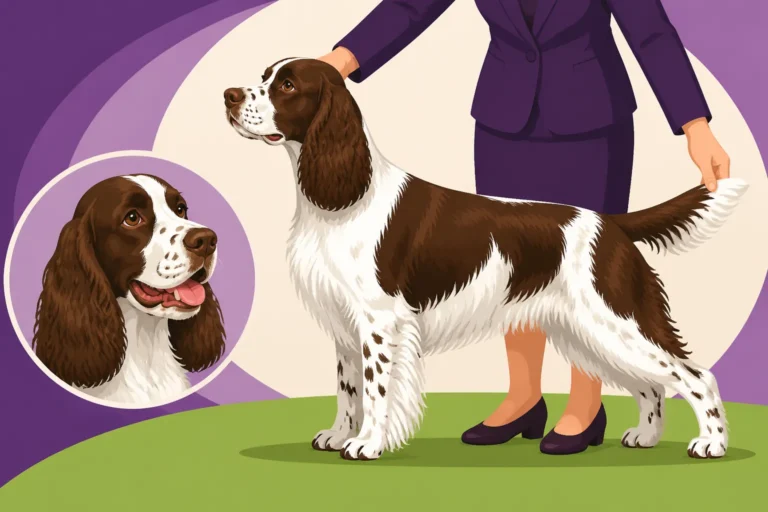
Whether Springer Spaniel Numbers Are Falling
It’s a natural concern for any breed enthusiast: are the numbers for our beloved English Springer Spaniels on the decline? Many of us who adore these intelligent, energetic companions worry about the breed's future, especially as trends in dog ownership seem to shift so rapidly. This guide will dive into how we can actually measure breed popularity, explore the historical context of Springer Spaniel numbers, and examine the various factors that influence whether a breed is gaining or losing traction in the hearts and homes of prospective owners.
Understanding Breed Popularity Metrics
When we talk about whether a dog breed's numbers are falling, it's not always as straightforward as just counting heads. There are several ways to gauge the popularity and presence of a breed, each with its own insights and limitations. Getting a full picture requires looking at more than just one source.
Kennel Club Registration Data
The most common and often cited metric for breed popularity is the annual registration data released by major kennel clubs, like the American Kennel Club (AKC) in the United States or The Kennel Club (KC) in the UK. These numbers reflect how many purebred puppies of a specific breed are registered each year.
For generations, these lists have been the go-to for understanding which breeds are "in" and which are "out." If the registration numbers for English Springer Spaniels are consistently lower year after year, it suggests fewer puppies are being bred and registered by reputable breeders who participate in these organizations. However, these numbers don't capture dogs from unregistered litters, or those bred by smaller, independent operations that don't go through the official channels. They also don't account for dogs acquired through rescue organizations, which are a significant source of Springers for many families today. It’s a snapshot of a particular segment of the purebred dog world, and while important, it’s not the whole story.
Puppy Sales and Breeder Interest
Beyond official registrations, we can infer popularity by observing trends in puppy sales and breeder activity. Are waiting lists for Springer Spaniel puppies still long, or are breeders finding it harder to place litters? A high demand for puppies, often indicated by long waiting lists and deposits taken well in advance, usually points to strong breed interest. Conversely, if breeders are reducing the number of litters they plan, or if puppies are available without much of a wait, it could suggest a dip in demand.
This informal measure can be very localized. What might be true for a breeder in one region might not hold true for another. A well-known, highly respected breeder, perhaps one known for their exceptional Field Bred Springer Spaniel Costs Less and Asks More, might always have a waitlist regardless of broader trends. However, a general softening across multiple breeders and regions would certainly signal a shift. It's often the first indicator that those of us in the dog community notice before the official numbers even come out.
Rescue and Rehoming Statistics
Another crucial, and often overlooked, indicator of a breed's presence and potential struggles is the number of dogs ending up in breed-specific rescues or general shelters. If Springer Spaniel rescues are consistently full, or if general shelters report an increase in Springers needing homes, it could mean a few things. It might suggest that more people are acquiring Springers without fully understanding What a Springer Spaniel Owners Wish They Had Known about their energy levels or care requirements, leading to rehoming.
While not a direct measure of births or new puppy acquisitions, an increase in rescue numbers can imply that the sustainable ownership numbers are indeed declining, as dogs are being relinquished faster than suitable homes can be found. This doesn't necessarily mean fewer Springers are being born, but it does mean fewer are staying in their original homes for their entire lives, which is a different kind of "falling number" for the breed's overall welfare. Many a well-meaning owner finds themselves overwhelmed by the sheer drive and intelligence of a Springer, only to find themselves looking to resources like Chewy for endless enrichment toys or, sadly, a rescue referral.
Historical Context of Springer Spaniel Popularity
Looking back at the trajectory of the English Springer Spaniel in terms of popularity gives us valuable perspective. No breed remains static in its standing; there are always ebbs and flows, sometimes driven by major cultural shifts, sometimes by simple trends.
Peak Popularity Periods
The English Springer Spaniel has enjoyed periods of immense popularity, particularly in the mid to late 20th century. After being officially recognized as a distinct breed in the early 1900s, they steadily climbed the ranks of beloved family dogs and hunting companions. Their versatile nature, keen intelligence, and biddable temperament made them a favorite for both hunters in the field and families seeking an active pet.
During these peak times, it wasn't uncommon to see Springers frequently featured in advertising, films, and literature. They were seen as the quintessential sporting dog, capable of excelling in a variety of roles. This widespread appeal naturally drove up registration numbers and demand for puppies. People were drawn to their reputation as friendly, active, and loyal dogs, perfectly suited to a more outdoorsy lifestyle that was perhaps more common at the time. Their ability to adapt from working game to cuddling on the sofa made them incredibly attractive.
Shifting Trends Over Decades
However, no breed holds the top spot indefinitely. Over the past few decades, we've seen a noticeable shift in breed popularity. While still a well-recognized and loved breed, the English Springer Spaniel has seen its rank on kennel club lists fluctuate. Breeds that were once niche have soared, and some former darlings have gently receded.
Part of this shift can be attributed to changing living situations. With more people living in urban environments or smaller homes, the demand for high-energy breeds like the Springer Spaniel has perhaps lessened compared to breeds perceived as lower maintenance or smaller in stature. The sheer time commitment required for their exercise and mental stimulation, which is substantial for both field and show lines, can be a deterrent in modern busy households. This is also where the significant The Seventy Year Gene Pool Divide Inside One Springer Spaniel Breed truly plays a role. The needs of a Field Springer Spaniel are vastly different from those of a Show Springer Spaniel, yet both are counted under the same breed, potentially skewing perceptions of the breed's suitability for different lifestyles.
Factors Influencing Breed Popularity
A myriad of factors can influence whether a breed's numbers are stable, rising, or falling. It's a complex interplay of media, lifestyle, health, and even social trends that shape how we perceive and choose our canine companions.
Media Representation and Pop Culture
Believe it or not, television, movies, and social media have a massive impact on breed popularity. When a particular breed stars in a popular film or gains a celebrity owner, its numbers often see a significant bump. Think of the sudden surge in demand for breeds like Dalmatians after "101 Dalmatians" or specific terrier breeds after popular TV shows.
While English Springer Spaniels haven't had a major "pop culture moment" recently that would drive a massive surge in interest, they are consistently present in media depicting hunting or active family life. This steady, positive, but not overwhelming, representation means they maintain a certain level of recognition without necessarily experiencing explosive growth. However, if a breed is consistently portrayed as high-strung or difficult, that can also dampen interest over time. Perception, whether accurate or not, heavily influences public desire.
Evolving Lifestyles and Housing
Our lives are different today than they were 50 years ago. More people live in apartments or houses with smaller yards, work longer hours, and lead less active Lifestyles. These changes inevitably impact which dog breeds are perceived as suitable companions. A breed known for its boundless energy and need for space, like the English Springer Spaniel, might face challenges in this new landscape.
For many potential owners, the reality of providing the necessary exercise and mental stimulation for a Springer, especially a field bred Springer Spaniel, can be daunting. If you're working a full-time job and living in a townhouse, the idea of committing to several hours of vigorous activity daily can feel overwhelming. This doesn't mean Springers can't thrive in such environments, but it does mean that prospective owners might be steered towards breeds that are seen as more adaptable to a less active, more urban setting. Access to pet supplies and food from retailers like Chewy has made pet ownership easier, but it doesn't solve the fundamental need for exercise and training.
Health Concerns and Ethical Breeding
In an increasingly informed world, potential dog owners are more aware of breed-specific health issues and the importance of ethical breeding practices. Breeds with a high incidence of genetic health problems, or those known for poor temperaments due to indiscriminate breeding, often see a decline in popularity as people seek healthier, more predictable companions.
The English Springer Spaniel, like many purebreds, has its share of hereditary conditions, such as hip and elbow dysplasia, certain eye conditions, and even some neurological issues like Fucosidosis. Reputable breeders are diligent about health testing their breeding stock and providing transparent information to puppy buyers. However, if the public perception shifts to view Springers as a "problematic" breed health-wise, or if irresponsible breeding becomes widespread, it could negatively impact their numbers. Conversely, strong efforts by breed clubs to promote health testing and responsible breeding can help maintain confidence in the breed. The DNA Test That Should Precede Every Springer Spaniel Purchase is a crucial step for any responsible breeder.
Comparing Springer Spaniel Numbers to Other Breeds
To truly understand if Springer Spaniel numbers are falling, it's helpful to put their standing into context by comparing them to other breeds, especially those within the sporting group. Are they losing ground faster than others, or is this part of a broader trend?
Standing Among Sporting Dogs
The sporting group is packed with fantastic, active breeds, many of whom share similar historical roles to the Springer Spaniel. Labradors, Golden Retrievers, English Cockers, and Brittanys are all popular choices for active families and hunters. The English Springer Spaniel has historically held a strong position within this group, often ranking among the top contenders.
However, the competition is stiff. Breeds like the Labrador Retriever have consistently held the top spot in overall popularity for decades, overshadowing many other excellent sporting breeds. While Springers offer a unique blend of size, intelligence, and working ability, they might not capture the same broad appeal as a Labrador, which is often perceived as a "default" family dog. This isn't necessarily a sign of decline for Springers, but rather a reflection of the overwhelming dominance of a few super-popular breeds. Comparing How Springer Spaniel Numbers Compare With Cockers in the Field or against Labradors often shows them holding their own, but not at the very top.
General Trends in Breed Popularity
Overall, general dog breed popularity tends to cycle. Smaller breeds have seen a significant rise in recent years, likely due to urban living and changing perceptions of what makes an ideal companion dog. Designer crossbreeds, too, have carved out a substantial market, often appealing to those looking for perceived "hypoallergenic" qualities or a specific aesthetic.
Against this backdrop, many traditional hunting and working breeds, including some spaniels, hounds, and larger terriers, have seen a relative decline in their overall ranking, even if their actual numbers remain stable or only slightly reduced. This isn't always about a breed falling out of favor entirely, but rather a redistribution of interest across a much wider and more diverse range of dog types now available to the public. People have more choices than ever, which naturally dilutes the market for any single breed.
Impact of the Field vs. Show Divide
One of the unique aspects of the English Springer Spaniel breed is the pronounced divergence into two distinct types: the field-bred Springer and the show-bred Springer. This seventy-year gene pool divide, where the two types have been bred separately for generations, has created dogs that look and often behave quite differently. This internal split significantly impacts how we perceive and measure the breed's numbers and popularity.
Differentiated Breeding Goals
The field-bred Springer Spaniel is primarily bred for working ability. Their conformation is athletic, lean, and designed for endurance and speed in dense cover. They typically possess an intense drive, a "go-go-go" attitude, and an insatiable desire to hunt and retrieve. Their coats are generally shorter and less profuse, minimizing burr collection and maximizing functionality. These dogs require a huge outlet for their energy and innate working instincts, often thriving in homes dedicated to hunting, field trials, or demanding dog sports.
On the other hand, the show-bred Springer Spaniel is bred to conform to the breed standard, with an emphasis on appearance, structure, and a somewhat more moderate temperament suitable for conformation showing. They tend to have heavier bone, more extensive feathering, and a generally "prettier" appearance as defined by the show ring. While still active and intelligent, their energy levels are often perceived as more manageable for a companion pet home, though they still need plenty of exercise. This divergence means that what one person considers a "typical" Springer Spaniel might be completely different from another's perception. How the Field and Show Springer Spaniel Diverged is a fascinating, and sometimes frustrating, story for breeders and owners.
Skewed Perception of the Breed
This significant divide can create a skewed perception of the breed's overall numbers and suitability. When someone looks at the AKC registration data for "English Springer Spaniel," it lumps both types together. A person might fall in love with the look of a show-bred Springer they see in a calendar, only to discover that the first puppy they visit comes from a field line with an intensity that overwhelms them. Conversely, a hunter seeking a high-drive working partner might be disappointed by a show-bred dog that lacks the necessary drive for sustained work.
Because the needs and temperaments can vary so widely, some people may acquire a Springer Spaniel without fully understanding which type they are getting or what that type truly requires. This can lead to mismatch issues, where a family looking for a moderate companion dog ends up with a high-octane field dog that becomes destructive out of boredom, or vice-versa. This confusion can unintentionally impact the breed's perceived numbers if some owners, after experiencing a mismatch, decide the "breed isn't for them," rather than realizing they simply had the wrong type of Springer. The question of Whether the Springer Spaniel Should Be Split Officially often arises due to these differences.
The Role of Rescues and Rehoming
When we discuss breed numbers, it's not just about how many puppies are born; it's also about how many dogs find and keep loving, stable homes throughout their lives. The landscape of dog rescue and rehoming plays a significant role in understanding the true state of a breed's presence.
Common Reasons for Surrender
It’s heartbreaking to think of a Springer Spaniel ending up in a rescue, but it happens. The reasons for surrender are often complex and rarely due to the dog itself being "bad." For Springer Spaniels, common reasons often circle back to their inherent traits: their high energy, their need for constant companionship, and their intelligence that requires consistent mental engagement. Why Springer Spaniels Are Surrendered often comes down to owners simply being unprepared for the breed's demanding nature.
A family might adopt a cute Springer puppy, envisioning a calm family pet, only to be overwhelmed by the reality of a dog that requires extensive daily exercise, enrichment, and training. Separation anxiety is also a prevalent issue, as Springers are deeply bonded dogs who hate being left alone for long periods. If an owner's lifestyle changes, or if they simply can't meet the dog's needs, relinquishment becomes a difficult decision. Resources like Chewy, offering everything from interactive toys to calming aids, can help manage some of these challenges, but they can't replace dedicated time and training.
Rescue as a Barometer of Sustainable Ownership
While rescue numbers don't tell us how many new puppies are registered, they do serve as a vital barometer for how many existing Springers are successfully integrated into long-term homes. If rescue organizations are seeing an influx of Springer Spaniels, particularly adolescents or young adults, it suggests a problem with sustainable ownership. It implies that people are either acquiring Springers impulsively or are not adequately educated about the breed's needs before bringing one home.
A stable breed, even if not topping the popularity charts, ideally has low numbers in rescue. A high turnover in rescue, even if overall birth rates remain steady, can point to a declining quality of ownership or a lack of public understanding about The Household a Springer Spaniel Was Built For. Therefore, an increase in rescue numbers could be interpreted as a subtle, yet significant, form of "falling numbers" in terms of successful, lifelong placements within the general pet population.
| Metric | What It Measures | Pros | Cons | Implications for Springers |
|---|---|---|---|---|
| Kennel Club Registrations | Number of newly registered purebred puppies | Standardized, widely available data | Doesn't include unregistered dogs or rescues | Direct indicator of new puppy demand from registered breeders |
| Puppy Sales/Breeder Demand | Current buyer interest and breeder activity | Immediate, real-time insights | Informal, can be localized, not always public data | Reflects current market interest; varies by field/show lines |
| Rescue & Rehoming Data | Number of dogs needing new homes | Reveals challenges in sustainable ownership | Not about new births; influenced by owner education/lifestyle changes | Higher numbers suggest issues with owner preparedness/retention |
| Media Representation | Public exposure and perception | Influences broad public appeal | Can be superficial, doesn't always reflect true breed traits | Sustained, positive, but not viral, presence |
| Lifestyle & Housing Trends | Environmental suitability for the breed | Addresses practical compatibility | General societal shifts, not breed-specific | Potentially impacts breeds needing space/activity |
The Future of Springer Spaniel Numbers
So, are Springer Spaniel numbers falling? The answer is nuanced, as it usually is with complex trends. They may not be as high on the "most popular" lists as they once were, and they certainly face challenges in a world that often favors smaller, less demanding breeds. However, that doesn't necessarily spell doom for the English Springer Spaniel.
For breeds like the English Springer Spaniel, a slight decrease in overall numbers from their peak might not be entirely negative. It could mean that the breed is attracting more dedicated, knowledgeable owners who are truly prepared for their needs, rather than those seeking a temporary trend. This can lead to healthier dogs, more successful placements, and ultimately, a stronger breed. A more stable, if slightly smaller, community of committed owners and ethical breeders ensures the breed's long-term well-being. The crucial aspect is not just the quantity of dogs, but the quality of their lives and the integrity of their breeding. Whether a Springer Spaniel Is Related to the Brittany or other sporting breeds, the core dedication of owners is what counts.
The passionate community of Springer Spaniel enthusiasts, including responsible breeders, dedicated trainers, and rescue volunteers, continue to champion this wonderful breed. They work tirelessly to educate the public, support new owners, and ensure that Springers find homes where their unique blend of intelligence, athleticism, and affection can truly shine. As long as there are people who appreciate the depth of character and the spirited nature of an English Springer Spaniel, their numbers, in the sense of thriving, well-loved dogs, will always be robust within their niche.
Disclaimer
This article is for general informational purposes only and does not constitute professional advice. Laws, prices and regulations vary by location and change over time. Consult a qualified professional for guidance on your specific situation.