The Year the English Springer Spaniel Club Formed
It's quite something to look back at the history of our beloved English Springer Spaniels, isn't it? Like sifting through old photographs, trying to pinpoint the exact moment a fuzzy family resemblance solidified into a clear portrait. For many of us who adore these intelligent, energetic dogs, understanding their origins helps us appreciate them even more. This guide aims to pull back the curtain on a truly pivotal moment in the breed's journey: the formation of its dedicated club.
The English Springer Spaniel's Ancestral Roots Before Formal Recognition
Before there was an "English Springer Spaniel Club," or even a clearly defined English Springer Spaniel as we know it today, there were simply "spaniels." These versatile dogs were working companions, valued for their ability to flush game from dense cover for hunters using nets, bows, or even falcons. It’s a fascinating thought, picturing these ancestors of our modern Springers, darting through undergrowth, driven by that same irrepressible urge to find and flush.
Early Spaniels and Their Undifferentiated Roles
In those bygone days, the world of spaniels was far less organized than the pedigree systems we have now. Dogs were often categorized more by their function or their size than by strict breed standards. You might have "land spaniels" or "water spaniels," or simply "springing spaniels" – a descriptor that literally meant they would spring game from its hiding place. Imagine a litter of puppies back then: some might grow to be smaller, suited for woodcock hunting, while others would be larger, better for flushing pheasant or partridge. These size differences, rather than a rigid genetic distinction, often determined if a dog was called a "cocker" (for woodcock) or a "springer."
Breeders and hunters kept careful notes, of course, but it was all rather informal. The goal was always a capable working dog, one with a keen nose, biddable temperament, and boundless energy. They were not aiming for a specific look so much as a specific skillset. If a dog excelled in the field, its lineage was valued, regardless of whether it perfectly matched some abstract ideal of conformation. This fluidity meant that what we now recognize as distinct breeds were, for centuries, more like variations within a broader spaniel type. You can learn more about how these early dogs were sorted by reading How Springer Spaniels Were Sorted by Size Before 1902.
The Practical Need for Breed Specialization
As hunting practices evolved and the concept of dog shows began to take root in the late 19th century, people started to see the value in more defined breeds. Hunters wanted dogs that were reliably suited for specific tasks, and show enthusiasts sought consistency in appearance. The informal system, while practical for individual huntsmen, didn't lend itself to the burgeoning world of pedigree dogs and competitive events. This desire for consistency—for a dog that would consistently "spring" game, rather than just be a general-purpose spaniel—paved the way for the formal recognition of the English Springer Spaniel.
It wasn't just about looks; it was about preserving and enhancing the working traits that made these dogs so special. Hunters wanted to know that when they acquired a "springer," they were getting a dog with generations of instinct for flushing and retrieving. This growing demand for specialized, predictable breeds fueled the movement towards establishing breed clubs, which would become the custodians of these distinct canine legacies.
The Pivotal Year: 1902 and the English Springer Spaniel Club
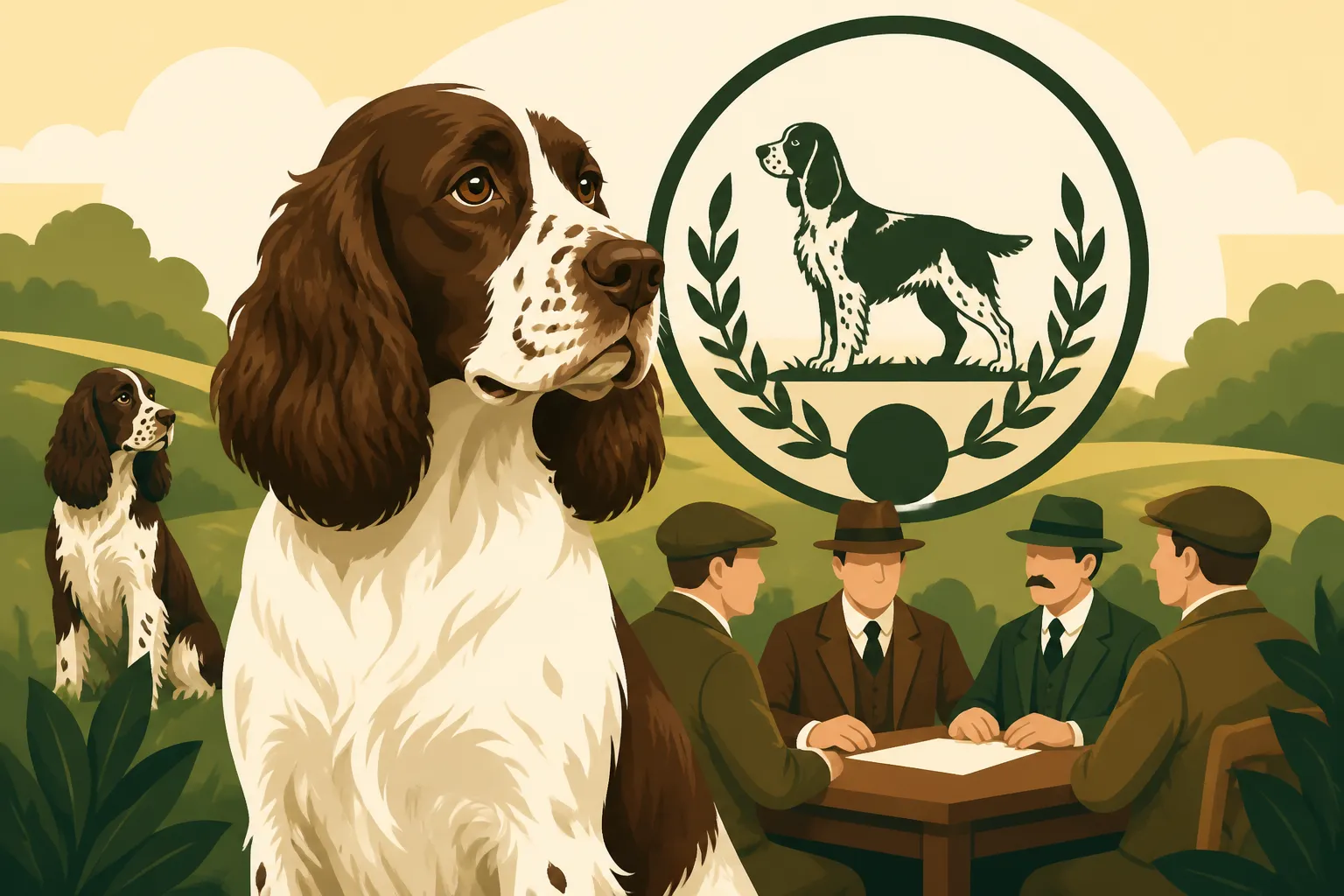
So, when did this change from informal working type to formally recognized breed actually happen? The year 1902 stands out as a landmark date, a moment when dedicated enthusiasts came together to give the English Springer Spaniel its official start as a distinct breed in the eyes of the British Kennel Club. This wasn't just a casual meeting; it was a concerted effort to create a future for these remarkable dogs.
Why 1902 Was the Right Time
By the turn of the 20th century, the distinction between what we now call English Springer Spaniels and English Cocker Spaniels was becoming increasingly clear. While they once came from the same litters, with size being the main differentiator, deliberate breeding choices were starting to solidify their individual characteristics. The push for formal recognition was gaining momentum across many breeds, and spaniel fanciers saw the need to protect the specific attributes of the springing spaniel.
The timing in 1902 was perfect. The Kennel Club (of Great Britain) was already a well-established institution, and the framework for breed recognition was in place. Dedicated individuals who admired the Springer's unique qualities—its powerful build, its incredible drive, and its specific working style—came together. They understood that without a dedicated club, the breed risked being diluted, its specific traits potentially lost within the broader spaniel population. It was a proactive step to ensure the breed's integrity and future. This formal separation and recognition paved the way for the breed to be officially classified, a story you can explore further in The 1902 Split That Separated Springer From Cocker.
The Club's Immediate Impact and Early Goals
The formation of The English Springer Spaniel Club in 1902 was a game-changer. It provided a centralized authority for the breed, a group of passionate individuals committed to defining, promoting, and protecting these dogs. One of their very first and most crucial tasks was to establish a breed standard. This written description outlined the ideal physical characteristics and temperament of an English Springer Spaniel. Suddenly, breeders had a common goal, a blueprint for the perfect Springer.
This wasn't just about creating pretty dogs for the show ring, though that was part of it. A clear standard also helped guide responsible breeding, ensuring that the dogs retained the essential working qualities that had defined them for centuries. The club's early goals included:
- Establishing a definitive breed standard: What should an English Springer Spaniel look like? How big should it be? What kind of coat should it have? These were all crucial questions addressed by the club.
- Promoting ethical breeding practices: Encouraging breeders to select for health, temperament, and working ability, not just appearance.
- Organizing events: This included dog shows and field trials, which allowed owners to showcase their dogs and for the breed's qualities to be celebrated.
- Educating the public: Informing people about the breed's unique characteristics and what makes a Springer a Springer.
The club was instrumental in getting the breed formally recognized by the Kennel Club in 1902, which was a huge leap forward. You can read more about this broader context in The Year the Kennel Club Recognized the Springer Spaniel. This recognition meant that English Springers could now compete in official Kennel Club events, further cementing their place as a distinct and valued breed.
The Enduring Legacy of the English Springer Spaniel Club
The decision to form The English Springer Spaniel Club in 1902 had ripple effects that continue to shape the breed today. It wasn't just about a single year; it was about setting a foundation for generations of Springers to come. The initial drive to standardize the breed and foster responsible practices has remained a cornerstone of the club's mission, impacting everything from physical appearance to genetic health.
Standardizing the Breed: Appearance and Temperament
One of the most significant and lasting legacies of the English Springer Spaniel Club was the creation and maintenance of the breed standard. This document, developed and refined over the years, is the definitive guide for what constitutes a "correct" English Springer Spaniel. It describes everything from the shape of the head and the set of the ears to the texture of the coat and the overall conformation. But it’s not just about looks. The standard also delves deeply into temperament, emphasizing the Springer's characteristic eagerness, intelligence, and biddability – traits that are absolutely essential for a working gundog and a beloved family companion.
Without this standard, you'd likely see a much wider variation in what people call a "Springer." It provides a benchmark for breeders, a goal to strive for, ensuring that each generation maintains the qualities that make a Springer, well, a Springer. This also informs judging at conformation shows, where dogs are evaluated on how closely they adhere to this ideal. The club's role has been crucial in preserving the iconic look and spirited personality that we all recognize and love. If you're curious about the specific physical traits, you can find details in How Show Springer Spaniel Ears Differ or How Heavily Boned a Show Springer Spaniel Is.
Fostering Responsible Breeding and Preservation
Beyond appearance, the club has always played a vital role in promoting responsible breeding. This means encouraging breeders to prioritize the health and welfare of their dogs, not just their ability to win ribbons. In the early days, this might have been about selecting for soundness and working drive. Today, it extends to encouraging health testing for genetic conditions that can affect Springers, such as eye diseases and hip dysplasia.
The club often provides resources and guidelines for prospective owners, helping them understand what to look for in a puppy and a breeder. They advocate for practices that preserve the genetic diversity of the breed while striving to eliminate hereditary health issues. This proactive approach helps ensure that future generations of English Springers are as healthy and robust as possible. When considering a puppy, resources found on sites like Chewy can often provide valuable insights into breed-specific care, which aligns with responsible ownership principles promoted by breed clubs. The club also serves as a community hub, connecting enthusiasts and sharing knowledge to safeguard the breed's future.
| Year | Event | Significance for English Springer Spaniels |
|---|---|---|
| Before 1902 | Undifferentiated Spaniels | Spaniels sorted by size/function (cocker vs. springer) from same litters. |
| 1902 | Formation of The English Springer Spaniel Club (GB) | First official breed club, defining the breed standard and goals. |
| 1902 | British Kennel Club Recognition | Official recognition of English Springer Spaniel as a distinct breed. |
| Early 1900s | Breed arrives in America | English Springers gain popularity across the Atlantic. |
| 1927 | American Kennel Club (AKC) Recognition | Formal recognition of the breed in the United States. |
| Ongoing | Field & Show Type Divergence | Continued development of distinct working (field) and conformation (show) lines. |
Global Influence and the Future of the Breed
The formation of the English Springer Spaniel Club didn't just impact Great Britain; it set a precedent that resonated globally. As the breed gained popularity, particularly in North America, the groundwork laid by the original club provided a template for other nations to follow. This collective effort ensures the English Springer Spaniel remains a cherished and well-understood breed worldwide.
The Club's Role in International Recognition
Once the English Springer Spaniel Club in Britain formalized the breed, it paved the way for international recognition. When English Springers began to be imported into countries like the United States, there was already a clear standard and established history for them. This made it easier for organizations like the American Kennel Club (AKC) to recognize the breed, which they did in 1927. The British club's initial work provided the foundational understanding and documentation that other national kennel clubs needed.
This international cooperation, even if indirect, is crucial for maintaining breed consistency across different regions. It means that an English Springer Spaniel recognized in the UK generally aligns with the breed standard upheld in the US or other parts of the world. While nuances and preferences might develop over time, the core characteristics and temperament remain universally recognized, largely thanks to the early efforts of defining the breed in its country of origin. This global spread and acceptance further highlight the importance of that 1902 founding. To delve into the American journey, you might want to explore The Year the AKC Recognized the Springer Spaniel.
Modern Challenges and Ongoing Stewardship
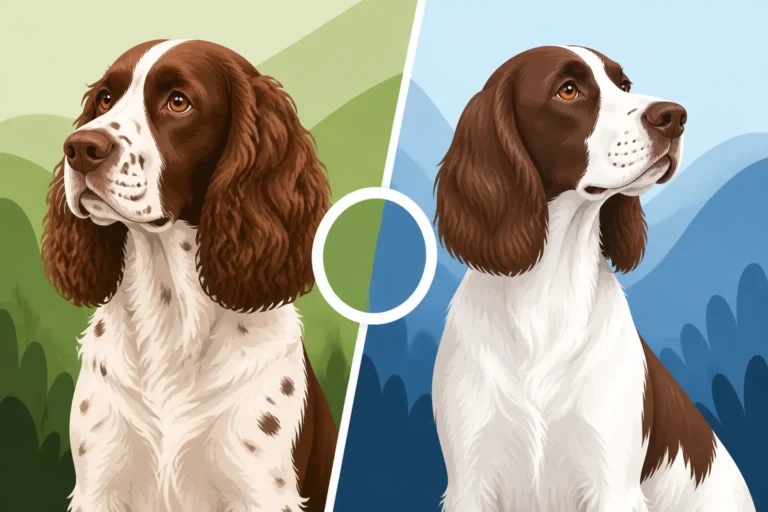
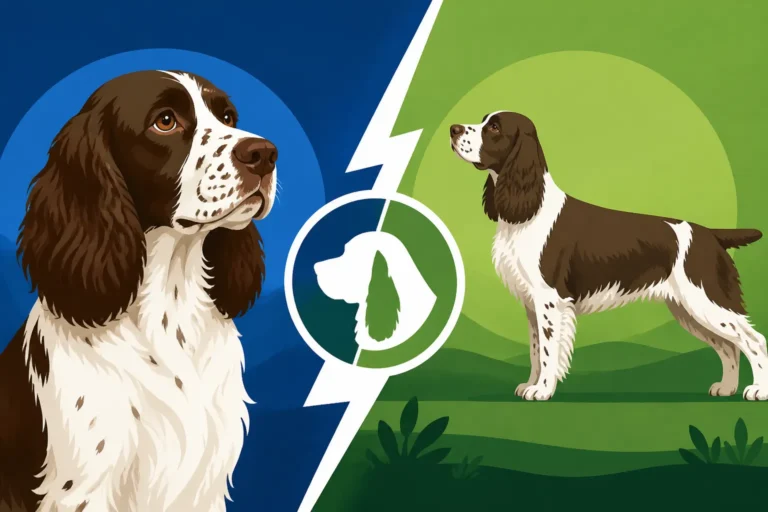
Today, the English Springer Spaniel Club, along with its counterparts around the world, continues to serve as stewards of the breed. However, they face modern challenges that the founders in 1902 might never have imagined. These include managing the genetic health of a breed that, like many purebreds, can be susceptible to certain inherited conditions. They also grapple with the growing divide between the "field-bred" and "show-bred" types of Springers, ensuring that both maintain the essential characteristics of the breed while excelling in their respective disciplines. Understanding this divergence is key, and articles like How Long the Field and Show Springer Spaniels Have Been Separate offer great insight.
The clubs are actively involved in promoting health screenings, supporting research into canine diseases, and advocating for responsible pet ownership. They host events, from conformation shows to field trials, and offer educational resources to both seasoned breeders and new puppy owners. For those looking to dive deeper into breed-specific care or find educational materials, online retailers like Chewy often carry a wide selection of books and guides recommended by breed clubs and experts. Their ongoing work ensures that the English Springer Spaniel remains a vibrant, healthy, and beloved companion for many years to come, true to the spirit and purpose established over a century ago.
Disclaimer
This article is for general informational purposes only and does not constitute professional advice. Laws, prices and regulations vary by location and change over time. Consult a qualified professional for guidance on your specific situation.