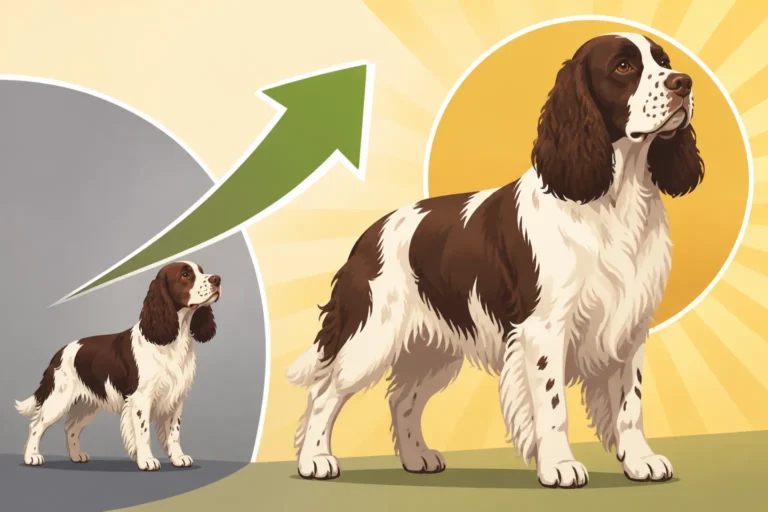
How a Springer Spaniel’s Pace Compares With a Cocker’s
A Springer Spaniel and a Cocker Spaniel can look equally ready to go, but they often move through a walk or field in different ways. Springers tend to cover more ground with a longer stride, while Cockers are compact, quick and nimble. This guide explains what those differences mean for exercise, training and everyday life—and why the individual dog matters more than the breed label.
What pace means when comparing a Springer and a Cocker
Speed is not the same as working style
When people ask which spaniel is faster, they may be picturing two different things: how quickly a dog can run in a straight line, or how fast it works over a stretch of ground. Those are not quite the same comparison. A dog may sprint quickly but tire sooner, while another may keep a steady pace and cover ground efficiently for longer.
English Springer Spaniels are generally the larger, longer-legged dogs. Their stride can help them travel at a brisk pace across a field or trail. English Cockers are smaller and more compact, and they can change direction rapidly, thread through tight cover and move with plenty of energy. Neither body type guarantees that one dog will always outrun the other. Age, fitness, health, breeding and training all affect how a particular dog moves.
Working style also shapes what you see. A Springer may range out and cover a broader area, especially if bred for field work. A Cocker may work closer and turn sharply through dense cover. That can make a Cocker look busier at close range, even if the Springer is covering more distance overall. For a wider look at their differences, see The Springer Spaniel Against an English Cocker Spaniel.
Field lines and show lines change the picture
“Springer Spaniel” covers dogs bred for different priorities. Field-bred Springers are often selected for working drive and stamina, while show-bred Springers are generally bred toward a different balance of appearance and temperament. That does not mean a show-bred dog cannot be lively or a field-bred dog cannot settle at home. It does mean that two Springers may have very different expectations for exercise and activity.
The same variation applies to Cockers. Some are bred for field work, and others primarily for conformation or companionship. A field-bred Cocker can be remarkably energetic and persistent. A show-bred Cocker can still enjoy long walks and active games, even if its typical working style and build differ from those of a field Springer.
So, if you are comparing dogs for a particular routine, ask about the parents’ activity level and working background rather than relying on breed names alone. A field-bred Springer and a show-bred Cocker may have very different daily needs from a show-bred Springer and a working Cocker. The practical distinction between Springer types is explored in How a Field Bred Springer Spaniel Differs in Drive.
How the two breeds move on walks and in the field
A Springer often takes a longer stride
A Springer’s height and longer stride can make its movement look more economical over open ground. On a steady walk, it may cover distance without appearing to take as many steps as a shorter-legged dog. A fit field-bred Springer may also be eager to keep moving, particularly where there are scents, birds or interesting cover.
That energy can be a surprise for an owner who expected a relaxed companion walk. A Springer that is pulling ahead, sweeping side to side or repeatedly checking the scent line may not be deliberately ignoring its person. It may be following instincts that make movement and scent work especially rewarding. If the dog’s nose takes over, speed alone is not the issue; practice and management matter too. Whether a Springer Spaniel's Nose Overrides Its Ears explains why a familiar cue can seem to vanish when a dog catches an enticing scent.
A Cocker’s shorter, more compact build does not make it slow. Cockers can move quickly and intensely, and their agility can be especially noticeable in thick vegetation or narrow paths. A Cocker may dart, turn and re-enter cover in a way that looks more rapid than a Springer’s longer, sweeping stride. In open space, a Springer may appear to cover more ground; in a tight, twisting route, a Cocker’s quick changes of direction can be striking.
Covering ground is not the same as being easy to walk
A brisk-moving dog is not automatically a difficult walking companion, and a smaller dog is not automatically easier to manage. A Springer that has learned to walk on a loose leash can be far more manageable than a Cocker that has rehearsed pulling toward every bird, scent or dog. Training history and arousal level often matter more than a small difference in average pace.
For either breed, a useful walk is not just a march at one speed. Sniffing, pausing, checking in and practicing simple cues give the dog ways to use its attention without constantly accelerating. If your Springer turns every walk into a high-speed search, shorter training games and controlled scent activities can help make the outing more structured. Owners of energetic field-bred dogs may also find it helpful to read How Much Exercise a Field Bred Springer Spaniel Needs.
If you are choosing a dog to accompany you on regular runs, do not assume that a puppy should match an adult runner’s pace. A growing dog needs exercise suited to its development, and even an adult should build up gradually. Whether a Springer Spaniel Makes a Jogging Partner covers the practical considerations for running together.
| Comparison | English Springer Spaniel | English Cocker Spaniel |
|---|---|---|
| Typical build | Larger, with a longer stride | Smaller and more compact |
| Movement impression | Often covers open ground in broader strides | Often looks quick and nimble, especially in tight spaces |
| Common working impression | May range more broadly, depending on line and training | May work close and turn rapidly, depending on line and training |
| What changes the pace most | Fitness, age, drive, health and training | Fitness, age, drive, health and training |
| Best comparison for an individual dog | Watch its relaxed walk, recall and recovery after activity | Watch its relaxed walk, recall and recovery after activity |
Choosing a pace that suits your life
Match the dog to the activity, not the stopwatch
For a household that enjoys long country walks, either breed may be a good companion, provided the individual dog’s needs and training fit the routine. A working-line Springer may want more purposeful activity than a household that mainly takes short neighborhood walks can offer. A Cocker may be smaller, but a lively working-bred dog can still need substantial exercise and mental engagement.
Think about the everyday version of your plans. A weekend hike is one thing; keeping up a consistent routine during wet weekdays, busy work periods and shorter winter days is another. If you are considering regular trail walks, pace is only one factor. Recall, comfort on varied terrain, safe exposure to wildlife and the dog’s ability to settle afterward are just as important. How Far a Springer Spaniel Can Hike offers more context for planning longer outings.
A show-bred Springer may be a better fit for some homes than a high-drive field dog, but it still needs walks, play and companionship. For a closer look at how exercise needs can vary within the breed, compare How Much Exercise a Show Bred Springer Spaniel Needs with the needs of a field-bred dog. These descriptions are starting points, not guarantees; breeders and owners can tell you more about the actual dogs in a line.
Build stamina gradually and watch recovery
Whether you have a Springer or a Cocker, increase activity in sensible steps rather than suddenly asking the dog to accompany you on a long, fast outing. Pay attention to how the dog moves during the activity and afterward. A dog that lags, limps, pants unusually hard, seems reluctant to continue or takes a long time to recover needs a break and may need veterinary advice. Avoid strenuous exercise in hot conditions, and provide access to water and shade.
Gear can support safe outings, but it cannot replace training or judgment. A well-fitted harness, leash or long line may help you manage a dog that is still learning recall. If you are shopping for those basics, you might compare options at a local pet-supply shop or Chewy while checking fit, construction and suitability for your dog. A long line should be used in a safe, open area and handled carefully to avoid tangles or sudden injuries.
For off-leash exercise, do not let apparent speed or enthusiasm convince you that recall is reliable. A Springer or Cocker following an exciting scent can travel farther than expected. Practice in secure areas first, and use a leash or long line where wildlife, roads or local rules make free running unsafe. Whether a Springer Spaniel Can Be Trusted Off Leash is useful reading before relying on recall in open spaces.
Making the comparison useful in real life
Observe the individual dog before deciding
If you are meeting a puppy or adult dog, watch how it behaves when it is not being encouraged to perform. Does it walk comfortably? Does it recover after play? Can it pause and settle, or does it remain highly activated? These observations may tell you more about your likely routine than a quick burst of running in a garden.
Ask the breeder or rescue about the dog’s parents, exercise habits, health, and response to everyday distractions. If possible, see the dog in more than one setting. A spaniel may look calm indoors and transform when it reaches a field, or appear exuberant during a visit but settle well after suitable exercise. Those differences are normal, but they matter when matching a dog to your home.
If you are preparing for a puppy, plan for controlled, age-appropriate activity and practice leash skills before expecting long walks. A comfortable harness and an ordinary lead can be sourced from many retailers, including Chewy, but choose based on the puppy’s size and fit rather than buying equipment simply because it is marketed for a spaniel. As the dog grows, check that the gear still fits and does not rub or restrict movement.
Prioritize a sustainable routine
The best match is not necessarily the dog that can move fastest. It is the dog whose activity needs, temperament and training prospects fit the life you can offer consistently. A field-bred Springer that gets regular scent work and exercise may thrive with an active owner. A Cocker with a strong working background may also need more than casual neighborhood strolls. A less driven individual of either breed may be content with a different balance.
The honest question is not, “Which breed can keep up with me once?” It is, “Can I provide suitable exercise, training and companionship throughout the year?” A dog that moves at your preferred pace but is left understimulated may become difficult to live with. A dog that is a little slower on a hike but enjoys your routine and settles at home can be a much better fit.
For most people, the practical distinction is this: Springers often have a longer stride and may cover more open ground, while Cockers are compact, quick and agile. But the actual pace you experience will depend on the dog in front of you. Meet the individual, learn about its background, and choose a routine that supports its fitness and well-being. When considering accessories for that routine, Chewy is one possible place to compare basic walking gear, alongside local retailers and advice from your breeder or veterinarian.
Disclaimer
This article is for general informational purposes only and does not constitute professional advice. Laws, prices and regulations vary by location and change over time. Consult a qualified professional for guidance on your specific situation.