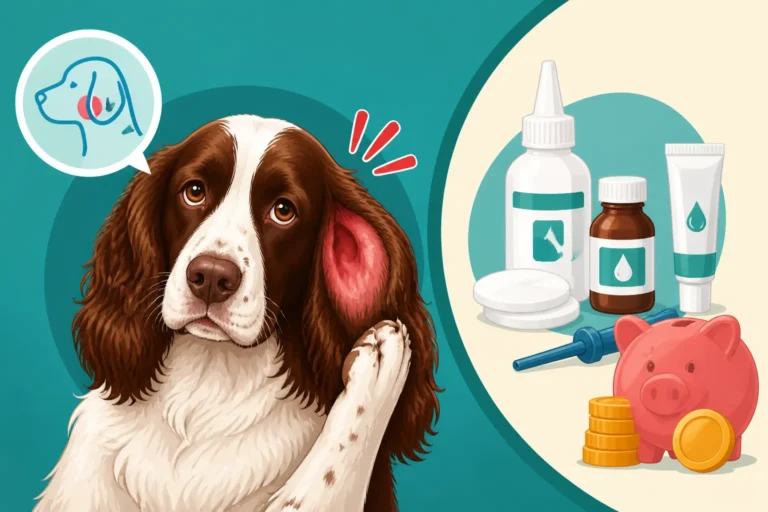
What a Springer Spaniel Puppy Costs in 2026
Bringing home an English Springer Spaniel puppy is a truly exciting milestone, filled with dreams of wagging tails, adventurous walks, and devoted companionship. Yet, amidst all that puppy excitement, a practical concern often creeps in: "What is this really going to cost me?" It’s more than just the initial price tag; there’s a whole world of ongoing expenses to consider. This guide will meticulously break down the various financial aspects of welcoming a Springer Spaniel puppy into your home, from the day you pick them up to the continuous care they’ll need, ensuring you’re prepared for the full picture.
The Initial Sticker Price: Factors Influencing What You Pay
The price you pay for an English Springer Spaniel puppy isn't just a random number; it's a reflection of many factors, from the breeder's investment to the puppy's lineage and health guarantees. It can feel a bit like a mystery at first glance, but once you understand the components, it makes a lot more sense. Many prospective owners are surprised by the variability, expecting a fixed price, but the reality is far more nuanced.
Field Bred Versus Show Bred Lines
One of the most significant influences on a Springer Spaniel puppy's price is whether it comes from field-bred or show-bred lines. These aren't just cosmetic differences; they represent generations of selective breeding for distinct purposes, and those purposes dictate the value placed on the puppies. Field-bred Springers are often leaner, with shorter coats, and bred for intense drive, scenting ability, and biddability in the hunting field. Their parents might hold titles like Field Champion (FC) or Master Hunter (MH).
Show-bred Springers, on the other hand, are typically bred to conform to the breed standard, with a focus on appearance, movement, and temperament suitable for the show ring. They tend to have more bone, longer coats, and a slightly different overall conformation. Their parents might be Grand Champions (GCH) or Best in Show (BIS) winners. The investment in campaigning a dog to these titles, whether in the field or the show ring, is substantial, and that investment naturally trickles down into the price of their offspring. A puppy from a proven, titled parent from either line will almost always command a higher price than one from untested or untitled parents. This isn't just about prestige; it's about the verifiable quality and genetic heritage being passed on. If you’re interested in understanding the historical and functional divergence, read up on The Seventy Year Gene Pool Divide Inside One Springer Spaniel Breed.
Breeder Reputation and Health Clearances
A reputable breeder is truly the backbone of the breed, and their dedication is reflected in the price of their puppies. They don't just breed dogs; they invest heavily in the health, temperament, and genetic soundness of their breeding stock. This includes comprehensive health testing for the parents for conditions common in the breed. For Springer Spaniels, this means hip and elbow evaluations through organizations like the Orthopedic Foundation for Animals (OFA), yearly eye examinations by a board-certified veterinary ophthalmologist (CERF/OFA Eye Certification), and DNA tests for specific inherited diseases such as Fucosidosis, Phosphofructokinase (PFK) Deficiency, and Progressive Retinal Atrophy (PRA). These tests are not cheap, and they are essential.
When you see a higher price from a breeder, often what you are paying for is the assurance that these crucial health screenings have been performed, reducing the risk of your puppy developing debilitating and expensive genetic conditions later in life. A cheaper puppy might seem like a bargain upfront, but if its parents weren't screened, you could be facing astronomical veterinary bills for conditions like Hip Dysplasia in a Springer Spaniel or managing a dog with PFK Deficiency and the Springer Spaniel That Collapses After Exercise. Always ask to see verifiable health certifications for both parents. A transparent breeder will gladly provide them and explain what they mean. In fact, understanding The DNA Test That Should Precede Every Springer Spaniel Purchase is vital for any potential Springer owner.
Age, Color, and Registration Papers
While some breeds might see price variations based on specific coat colors or markings, for English Springer Spaniels, this is generally less of a factor unless it’s a non-standard color. Standard colors like black and white, liver and white, or tri-color, when born to healthy, well-bred parents, typically fall within a similar price range. What can influence the price, however, is the age of the puppy and the type of registration offered. Most puppies are sold around 8-10 weeks old. Occasionally, a breeder might have an older puppy, perhaps 4-6 months old, that hasn't found a home yet. Sometimes these pups might be offered at a slightly reduced price, or conversely, if they've had additional training, they might even cost more.
Registration papers from organizations like the American Kennel Club (AKC) confirm your puppy's purebred status and pedigree. Most breeders will provide limited registration for pet homes, meaning the dog cannot be bred, which is generally included in the puppy's price. If a breeder offers full registration, allowing breeding rights, the price will almost certainly be higher. This is often reserved for individuals who have a demonstrable plan and understanding of responsible breeding. Always ensure you receive proper registration paperwork, as it's a testament to your puppy's lineage and part of the value you're paying for.
Beyond the Purchase: First-Year Essential Supplies
Once you've made the initial investment in your Springer Spaniel puppy, the spending doesn't stop there. The first year, in particular, is a whirlwind of essential purchases as you set up your home for your new companion and help them grow into a well-adjusted adult. These aren't optional extras; they are fundamental to your puppy's comfort, safety, and development.
Crate, Bedding, and Containment
A crate is an indispensable tool for a Springer Spaniel puppy, serving multiple purposes from house-training to providing a safe, den-like space for your dog. You’ll want a sturdy, appropriately sized wire or plastic crate that can accommodate your Springer as they grow, perhaps with a divider to adjust the space. It’s worth investing in a good quality one that will last for years. Alongside the crate, comfortable, washable bedding is crucial. Puppies can be messy, so having easily laundered options is a must. Consider durable, chew-resistant beds, especially during the teething phase. You might find great options for both crates and bedding from online retailers like Chewy.
Beyond the crate, consider other containment solutions. Baby gates are fantastic for sectioning off areas of your home, keeping your puppy safe from hazards and preventing them from having free reign before they are fully house-trained. An exercise pen can provide a larger, secure area indoors or outdoors when you can't actively supervise them, offering more space than a crate but still keeping them contained. These tools are not about punishment; they are about management, safety, and teaching your puppy appropriate boundaries as they learn about their new world. For tips on managing their needs, particularly if your Springer tends to be clingy, you might want to look at The Springer Spaniel That Cannot Be Left Alone.
Food and Water Bowls, Leashes, and Collars
Your puppy will need sturdy food and water bowls. Stainless steel is often recommended as it's durable, easy to clean, and less likely to harbor bacteria than plastic. For fast eaters, a slow-feeder bowl can be a real game-changer, preventing indigestion and promoting healthier eating habits. You’ll likely start with a smaller size and upgrade as your pup grows.
When it comes to walking gear, you’ll need at least one collar and leash. A flat buckle collar made of nylon or leather is a good starting point, and you'll likely need to size up a few times in the first year as your puppy grows rapidly. For leashes, a standard 6-foot nylon or leather leash is versatile for everyday walks and training. Many Springer owners also invest in a harness, especially for puppies, to help with leash manners and to distribute pressure more evenly across their chest rather than their neck. A properly fitted harness can make a big difference in comfort for both you and your pup on walks. As your Springer gets bigger, their strength can be surprising, so robust equipment is key.
Toys and Chews
Toys are vital for a Springer Spaniel puppy's development, enrichment, and for redirecting that natural urge to chew away from your furniture! You'll need a variety of toys to keep them entertained and mentally stimulated. This includes sturdy chew toys (rubber or nylon are good choices for teething puppies), interactive puzzle toys to challenge their minds, and soft plush toys for comfort. Remember that toys can be destroyed, so always supervise your puppy, especially with new toys, to ensure they don't ingest pieces.
Chews are also important. Edible chews like dental sticks or appropriate bully sticks can provide long-lasting entertainment and help with teething, but always choose ones suitable for your puppy's age and size, and supervise their use. Non-edible chew toys are also excellent for satisfying their chewing instincts. Rotating toys can help keep your puppy engaged and prevent boredom, which can often lead to destructive behaviors. Think of toys as an investment in your puppy's happiness and your home's integrity!
Healthcare Costs: The Foundation of a Healthy Pup
Beyond the purchase price and initial supplies, a significant portion of a Springer Spaniel puppy's first-year cost comes from veterinary care. Establishing a solid foundation of health in their early months is crucial for their long-term well-being and can help prevent more costly issues down the road.
Vaccinations and Deworming
Puppies are born with some immunity from their mothers, but this wanes over time, leaving them vulnerable to serious diseases. Therefore, a series of vaccinations is essential. Your puppy will typically receive several rounds of core vaccines (distemper, parvovirus, adenovirus, parainfluenza) starting around 6-8 weeks of age and continuing every 3-4 weeks until they are about 16 weeks old. They will also need a rabies vaccination, usually administered around 12-16 weeks.
Alongside vaccinations, deworming is a routine part of puppy care. Puppies are highly susceptible to internal parasites, which can be passed on from their mother. Your vet will recommend a deworming schedule, often starting before you even bring the puppy home and continuing with each vet visit. These preventive measures are non-negotiable and are a fundamental part of responsible puppy ownership, safeguarding your puppy against common, potentially life-threatening diseases.
Spaying or Neutering
Spaying (for females) or neutering (for males) is a common procedure recommended for most pet Springer Spaniels. This surgery prevents unwanted litters, and can offer significant health and behavioral benefits. For females, spaying eliminates the risk of uterine infections (pyometra) and greatly reduces the risk of mammary tumors. For males, neutering reduces the risk of testicular cancer and certain prostate problems, and can also temper some hormonally driven behaviors like roaming or marking.
The timing of this surgery is a topic of discussion among veterinarians and breeders, with some advocating for waiting until the dog is more mature (e.g., closer to 12-18 months) to allow for full bone and joint development, especially in active breeds like Springers. Your veterinarian will discuss the best timing for your individual puppy based on current research, your lifestyle, and your puppy's specific health needs. This is a one-time surgical cost, but it's a significant one that should be factored into your first-year budget.
Preventative Medications: Flea, Tick, and Heartworm
Living with a Springer Spaniel means embracing the outdoors, and with that comes the need for robust parasite prevention. Flea, tick, and heartworm prevention are year-round necessities in many regions. Fleas can cause intense itching, skin infections, and even transmit tapeworms. Ticks carry a host of serious diseases, including Lyme disease and anaplasmosis. Heartworm is a potentially fatal parasitic disease transmitted by mosquitoes.
Your veterinarian will recommend the most suitable preventive medications for your area and your dog's lifestyle. These can come in various forms: topical treatments, oral chewables, or even injectable options. While these medications represent an ongoing monthly or quarterly cost, they are invaluable in protecting your Springer Spaniel from preventable diseases that can be far more expensive and heartbreaking to treat. For a working Springer, especially, consistent parasite prevention is critical given the exposure they face in the field. You might also want to budget for potential issues like What Chronic Ear Disease Costs a Springer Spaniel Owner, as Springers are prone to ear issues.
Training and Socialization: Investing in a Well-Adjusted Dog
Training and socialization are critical investments in your English Springer Spaniel puppy, shaping them into a well-behaved, confident, and happy companion. A well-trained Springer is a joy to live with, and proactive training can prevent many behavioral issues that could otherwise lead to frustration and costly interventions down the line.
Puppy Classes and Basic Obedience
Enrolling your Springer Spaniel puppy in puppy classes is one of the best investments you can make. These classes offer invaluable opportunities for socialization with other puppies and people in a controlled environment, helping your pup develop crucial social skills during their critical developmental window. Beyond socialization, puppy classes typically cover basic obedience commands like sit, stay, come, and leash manners. They also address common puppy challenges such as house-training, nipping, and jumping.
As your puppy grows, continuing with basic obedience classes or even intermediate levels will reinforce good habits and strengthen your bond. Springer Spaniels are intelligent and eager to please, but they thrive on consistency and clear communication. These classes provide you, the owner, with the tools and techniques to effectively communicate with your dog, laying the groundwork for a lifetime of good behavior. It's not just about the dog learning; it's about you learning how to be the best leader for your specific dog.
Professional Training or Specialty Classes
Depending on your goals and your Springer's individual needs, you might consider professional training beyond basic classes. For those interested in hunting with their Springer, specialized gundog training is essential. This type of training hones their natural instincts for quartering, flushing, and retrieving. Gundog trainers often work with dogs individually or in small groups, focusing on advanced concepts like steadiness to flush and shot, and retrieving to hand. This can be a significant investment but is necessary for a well-rounded working dog.
Even for pet owners, if your Springer is displaying specific behavioral challenges – perhaps separation anxiety, excessive barking, or reactivity – a certified professional dog trainer or behaviorist can offer tailored solutions. While these services come at a cost, addressing issues early can prevent them from escalating and becoming ingrained, ultimately saving you stress and potential heartache. Springer Spaniels are highly sensitive dogs, and understanding The Soft Springer Spaniel That Shuts Down If You Shout is crucial for effective training.
Training Tools and Aids
Beyond classes, you’ll likely invest in various training tools to aid your efforts. High-value training treats are a must for positive reinforcement, especially during those early learning stages. A clicker can be a powerful tool for marking desired behaviors precisely. A long line (a very long leash) is invaluable for practicing recall in a safe, open area, allowing your Springer to explore while still giving you control. Whistles are also commonly used, particularly for field-bred Springers, to establish clear communication for commands like "stop" or "turn." Learning Whistle Work: The Language a Springer Spaniel Learns is often a pivotal part of their training journey.
For certain training phases, some owners consider electronic collars, but it's crucial these are used responsibly and ideally under the guidance of a professional trainer experienced in positive reinforcement methods. These tools should supplement, not replace, positive, consistent training. Your investment in these aids contributes to developing a well-behaved companion ready for any adventure.
Grooming Needs: Keeping That Springer Coat Pristine
The English Springer Spaniel is renowned for its beautiful coat, but that beauty comes with a commitment to regular grooming. Neglecting their coat can lead to painful mats, skin issues, and discomfort for your dog, often requiring costly professional intervention. Understanding the specific needs of their coat, especially the feathering, is key to managing these costs.
Brushes, Combs, and Basic Home Grooming Tools
For routine coat care, you'll need a selection of basic grooming tools. A good quality slicker brush is essential for removing loose hair and preventing mats, especially in the longer feathering on their legs, chest, and ears. A sturdy metal comb, particularly a greyhound comb with both wide and fine teeth, will help you work through any tangles and check for mats close to the skin. You’ll also want a shedding rake or deshedding tool, as Springers do shed, especially seasonally.
Regular brushing, ideally several times a week, is the cornerstone of keeping their coat healthy and tangle-free. This not only keeps your house cleaner but also provides an opportunity to bond with your dog and check for any skin irritations, lumps, or parasites. Investing in quality tools upfront will make the grooming process easier and more effective, saving you money on professional groomers.
Nail Trims and Ear Cleaning
Beyond the coat, regular nail trims and ear cleaning are vital parts of Springer Spaniel grooming that often get overlooked. Long nails can cause discomfort, affect your dog's gait, and even lead to painful foot problems. You'll need a good pair of dog nail clippers (guillotine or scissor style) or a Dremel tool for grinding. If you're unsure how to trim nails, ask your vet or groomer for a demonstration to avoid cutting into the quick, which can be painful and cause bleeding.
Springer Spaniels are notorious for ear issues due to their long, pendulous ears that trap moisture and reduce airflow, creating a warm, damp environment perfect for yeast and bacteria. Regular ear cleaning with a vet-approved solution is crucial for preventing infections. You'll need ear cleaner and cotton balls or pads. Be sure to check their ears weekly and clean them as needed, especially after swimming or bathing. Understanding Why a Springer Spaniel's Ears Are Never Quite Healthy will help you stay vigilant. Early detection of any redness, odor, or discharge can prevent a full-blown and expensive ear infection.
Professional Grooming Sessions
While you can certainly handle much of your Springer Spaniel's grooming at home, many owners opt for professional grooming sessions a few times a year. A professional groomer can give your Springer a proper trim, particularly on the feathering to keep it tidy and prevent it from dragging in mud and debris. They can also perform tasks like sanitary trims, paw pad trims, and even hand-stripping if your Springer has a working coat. For show-bred Springers, professional grooming might be more frequent and specialized to maintain the breed-standard appearance.
Even field-bred Springers benefit from professional tidying to keep their coats functional in cover, preventing burrs and thorns from embedding in longer hair. If a coat becomes heavily matted, a professional groomer is often necessary, and de-matting can be time-consuming and costly, sometimes requiring shaving down the entire coat. Regular professional grooms can be an added expense, but they can be invaluable for maintaining coat health and your dog's comfort, potentially saving you more significant vet bills down the line. To put this in perspective, consider What a Springer Spaniel's Ear Surgery Costs if chronic issues arise.
The Ongoing Costs of Feeding Your Growing Springer
Feeding your English Springer Spaniel is one of the most consistent and significant ongoing expenses throughout their life. It's not just about filling their bowl; it's about providing the right nutrition to fuel their energy, support their growth, and maintain their health. The choices you make in their diet will directly impact their well-being.
High-Quality Puppy and Adult Dog Food
During their first year, your Springer Spaniel will transition from puppy food to adult dog food. Puppy formulas are specifically designed to meet the intense nutritional demands of rapid growth, containing higher protein, fat, and specific nutrient balances. Your veterinarian can help you determine the best time to switch to an adult formula, usually around 12-18 months of age, depending on your dog’s growth rate and maturity.
The choice of food brand and type (kibble, wet, raw, fresh-cooked) will greatly influence your monthly food budget. High-quality kibble from a reputable brand that meets AAFCO nutritional standards is a common and excellent choice. Brands like Purina Pro Plan or Royal Canin are often recommended by veterinarians. Some owners opt for fresh food delivery services like Ollie, which can offer tailored nutrition but typically come at a higher monthly cost. While these can be beneficial for specific needs, ensure any diet is balanced and appropriate for an active breed like a Springer. A cheaper, lower-quality food might save money upfront, but could lead to health issues or poor coat condition, potentially costing more in vet visits in the long run.
Treats and Supplements
Treats are an essential part of training and bonding with your Springer Spaniel. They are invaluable for positive reinforcement, especially during puppyhood and for advanced training. However, the cost of treats can add up quickly if you're not mindful. Opt for healthy, low-calorie options, and always factor them into your dog's overall daily caloric intake to prevent excessive weight gain. Many owners make their own simple, healthy treats from boiled chicken or carrots to keep costs down.
As your Springer Spaniel grows and ages, or if they have specific health needs, your veterinarian might recommend nutritional supplements. These could include joint supplements to support hip and elbow health (especially important for active breeds prone to conditions like Hip Dysplasia in a Springer Spaniel), fish oil for skin and coat health, or probiotics for digestive support. While these are additional costs, they are often a proactive measure to support long-term health and vitality. Always consult your vet before adding any supplements to your dog's diet to ensure they are appropriate and beneficial.
Chew Items and Dental Care Chews
Beyond edible training treats, many owners provide their Springer Spaniels with longer-lasting chew items. These can range from durable natural chews like bully sticks or elk antlers to dental chews specifically designed to help clean teeth and freshen breath. These serve multiple purposes: keeping your dog entertained, satisfying their natural urge to chew, and contributing to their dental hygiene.
Dental care is often an overlooked expense but is crucial for a dog's overall health. While dental chews can help, regular tooth brushing with dog-specific toothpaste is the most effective at-home preventative. Periodically, your Springer Spaniel will likely need professional dental cleanings under anesthesia at your vet's office. These procedures can be quite costly, but they are essential for preventing painful dental disease, gum infections, and other systemic health issues that can arise from poor oral hygiene. Investing in at-home dental care and appropriate chews can help extend the time between professional cleanings.
Insurance and Contingency: Preparing for the Unexpected
Even with the best breeding and preventative care, owning a living, breathing creature comes with an inherent unpredictability. Accidents happen, illnesses strike, and unexpected veterinary needs can arise without warning. Being prepared for these eventualities is a mark of responsible pet ownership and can save you from making heartbreaking financial decisions in a crisis.
Pet Insurance Plans
Pet insurance has become an increasingly popular way for owners to manage the potentially high costs of unexpected veterinary care. There are various types of plans available, typically covering accidents, illnesses, or a combination of both. When considering a plan for your Springer Spaniel, look closely at deductibles, reimbursement percentages, annual limits, and what specifically is covered (e.g., emergency visits, specialist consultations, surgery, medications). Brands like Healthy Paws offer comprehensive plans that can provide peace of mind for sudden illnesses or injuries.
It's wise to enroll your Springer Spaniel when they are young, as this generally means lower premiums and fewer pre-existing conditions that might be excluded from coverage. While it's an ongoing monthly expense, pet insurance can be a lifesaver if your dog needs expensive surgery, long-term medication for a chronic condition, or emergency treatment after an accident. Given that Springers can be prone to ear infections or even issues like Primary Glaucoma and the Springer Spaniel That Loses an Eye, having insurance can make a significant difference in access to care.
Emergency Fund Savings
Even with pet insurance, it’s a good idea to have an emergency fund specifically for your dog. Most insurance plans have a deductible, and you’ll typically pay the vet upfront and then be reimbursed. An emergency fund helps cover these initial out-of-pocket costs, as well as any services that might not be fully covered by your plan, or if you opt for procedures outside of your coverage.
Think of it as your "just in case" fund. Unexpected events, like your Springer swallowing something they shouldn't (which, let's be honest, can happen with a curious spaniel nose!), or needing an urgent vet visit for a sudden limp, can crop up at any time. Having a dedicated savings account for these situations means you won’t be caught off guard and can focus on getting your beloved companion the best possible care without added financial stress.
Long-Term Care and Senior Years
While your Springer Spaniel puppy is a bundle of energy today, it's important to remember that they will eventually age. The Twelve to Fourteen Years a Springer Spaniel Lives means budgeting for their entire lifespan. As dogs enter their senior years, typically around age nine or ten, their healthcare needs often increase. This can include more frequent veterinary check-ups, blood work to monitor organ function, medications for arthritis or other age-related conditions, and potentially specialized diets.
Thinking ahead to these "golden years" allows you to budget realistically. While these costs aren't immediate concerns for a puppy, understanding the full financial commitment of a dog's life helps you make informed decisions from the start. Just as you plan for your own retirement, setting aside a little each month for your dog's future care can alleviate significant financial strain down the road. For more on this, you can explore Caring for a Springer Spaniel Past Nine.
Understanding Breeder Practices and Guarantees
When investing in a Springer Spaniel puppy, the breeder you choose plays a monumental role in the puppy's initial cost, health, and temperament. A reputable breeder's practices are rooted in ethical considerations, and their guarantees offer a layer of protection and peace of mind for new owners. It's not just about the transaction; it's about supporting responsible breeding.
Health Guarantees and Contracts
A sign of a truly responsible breeder is the provision of a written health guarantee and a comprehensive contract. These documents typically outline the breeder's commitment to the health of their puppies. A common health guarantee covers genetic diseases for a specified period, often the first year or two of the puppy's life. If a serious genetic condition (like those tested for in the parents, such as Fucosidosis or PFK deficiency) manifests within that timeframe, the breeder might offer a replacement puppy or a partial refund.
The contract itself will cover various aspects, including limited versus full registration, spay/neuter agreements, conditions for return if you can no longer care for the dog, and sometimes even clauses about feeding and veterinary care. Reading this contract thoroughly and understanding all its terms before you commit to a puppy is crucial. It protects both you and the breeder and sets clear expectations for the puppy's future care. For clarity on specific genetic tests, you could refer to articles like Whether a Springer Spaniel Contract Covers Fucosidosis.
Deposit and Payment Structures
Reputable breeders often require a non-refundable deposit to secure your spot on a waiting list or to reserve a specific puppy from a planned litter. This deposit shows your serious commitment and helps the breeder manage their litter plans. The remaining balance is typically due when you pick up your puppy. The total cost of a Springer Spaniel puppy can vary widely depending on the factors discussed earlier, but you can expect it to fall into a certain range, reflecting the breeder's investment in health testing, quality care, and genetic soundness.
Be wary of breeders who don't require deposits, have multiple litters readily available without a waiting list, or offer unusually low prices. While a lower price might seem appealing, it often indicates a lack of proper health testing, inadequate care, or potentially unethical breeding practices. Always prioritize health and ethical standards over a cheaper initial price tag. Understanding What a Springer Spaniel Deposit Runs is a good initial step.
What You're Really Paying For
When you buy a Springer Spaniel puppy from a responsible breeder, you're not just paying for a cute face. You're contributing to a lineage that has been carefully considered, health-tested parents, excellent prenatal and postnatal care for the mother and puppies, proper socialization during their critical early weeks, and often, lifelong support from the breeder. This support can be invaluable, as a good breeder is a fantastic resource for advice and guidance throughout your dog's life.
This holistic approach to breeding ensures that you're bringing home a puppy with the best possible start in life, both physically and emotionally. While the upfront cost might seem substantial, it's an investment in a healthy, well-adjusted companion, potentially saving you immense emotional and financial costs down the road that can arise from purchasing a puppy from an unvetted source.
Costs Breakdown: Typical Ranges for a Springer Spaniel
To give you a clearer picture, here's a general breakdown of the types of costs you might encounter. Remember, these are broad ranges, and actual prices will vary significantly based on your location, chosen products, and veterinary clinic. Always research current rates in your area.
| Category | Initial Cost (One-time) | First-Year Recurring Costs (Monthly/Annually) |
|---|---|---|
| Puppy Purchase | Varies widely by breeder, lineage, and region | N/A |
| Crate & Containment | Modest to Significant | Minimal (replacements, upgrades) |
| Beds & Bedding | Modest | Minimal (replacements) |
| Bowls, Collar, Leash | Modest | Minimal (replacements, size-ups) |
| Toys & Chews | Modest | Modest to Significant |
| Initial Vet Visit | Low to Modest | N/A |
| Vaccinations & Deworming | Moderate | N/A (for initial series) |
| Spay/Neuter Surgery | Significant | N/A |
| Flea, Tick, Heartworm Prev. | N/A | Moderate to Significant |
| Puppy/Obedience Classes | Moderate | Minimal (if continuing advanced training) |
| Professional Training | Significant (if chosen) | N/A |
| Grooming Tools | Modest | Minimal (replacement brushes/shampoos) |
| Professional Grooming | N/A | Moderate (2-4 times a year typically) |
| High-Quality Food | N/A | Significant |
| Treats & Supplements | N/A | Moderate |
| Pet Insurance Premiums | N/A | Moderate |
| Emergency Fund | N/A (start saving now!) | N/A (ongoing savings) |
Disclaimer
This article is for general informational purposes only and does not constitute professional advice. Laws, prices and regulations vary by location and change over time. Consult a qualified professional for guidance on your specific situation.