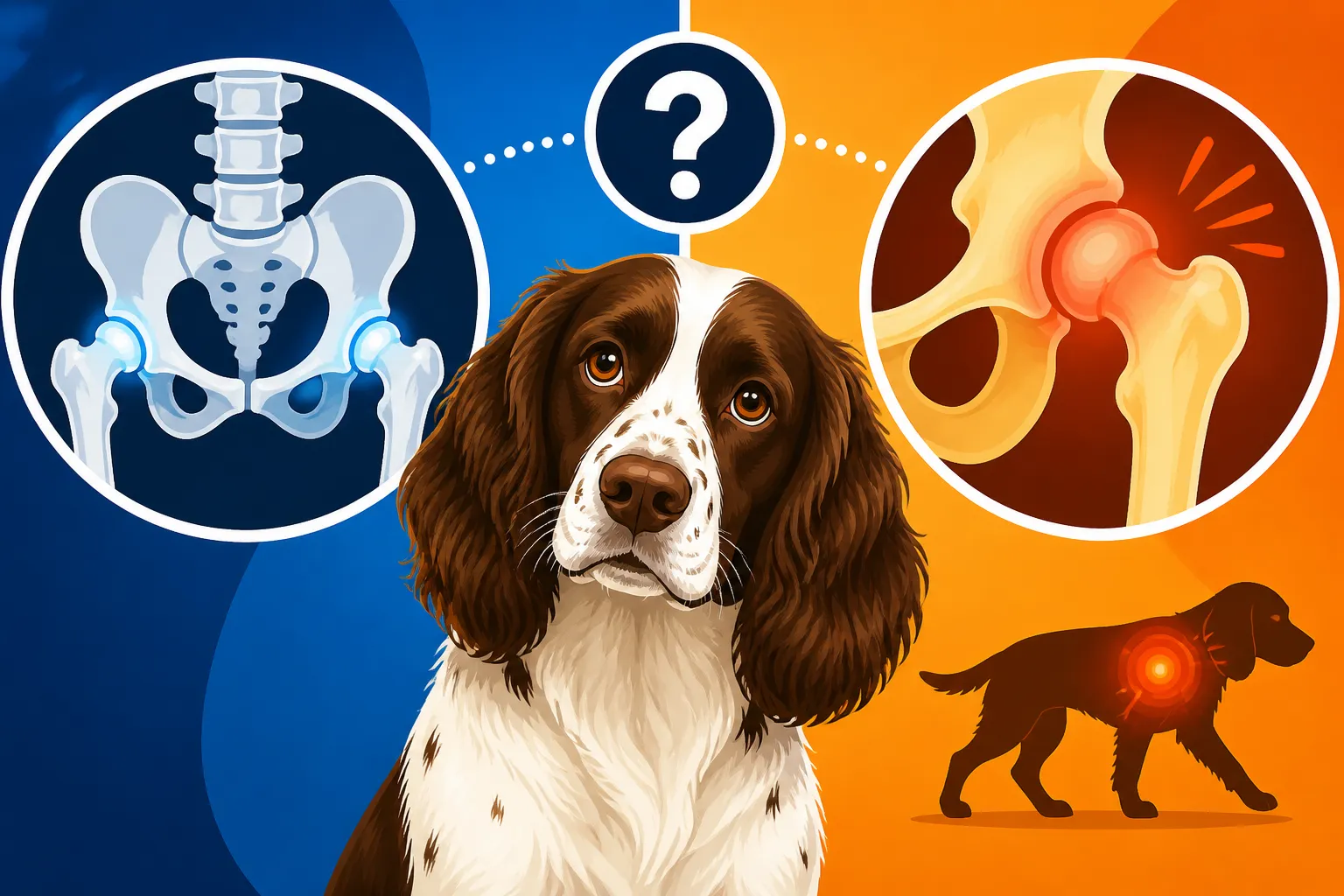
Whether a Springer Spaniel’s Hip Score Predicts Arthritis
It’s a common worry for any future or current Springer Spaniel owner: that nagging concern about hip and joint health. You’ve heard about hip dysplasia, you’ve seen the term "hip scores" floating around, and now you’re wondering just how much those numbers truly predict a lifetime of healthy, pain-free movement for your active companion. This guide will dive deep into what hip scores actually mean, what they can and cannot tell you about your Springer's future, and how to proactively support their joint health every step of the way.
Demystifying Hip Scores for Your Springer Spaniel
The world of canine health certifications can feel like a labyrinth of acronyms and complicated evaluations. When it comes to hips, it's particularly important because these joints bear so much weight and are crucial for a Springer Spaniel's characteristic energetic movement. Understanding what hip scores are designed to do is the first step in making sense of them.
What is a Hip Score, Anyway?
Essentially, a hip score is a standardized evaluation of a dog's hip joint conformation, typically assessed through radiographs (X-rays). The idea is to identify dogs with hips that are structurally sound and differentiate them from those with signs of hip dysplasia, a condition where the hip joint doesn't form properly, leading to looseness and eventual arthritis.
There are a few prominent systems used globally. In the United States, the Orthopedic Foundation for Animals (OFA) is widely recognized. Dogs are typically X-rayed after 24 months of age, and three independent veterinary radiologists evaluate the images based on seven criteria, assigning a grade like Excellent, Good, Fair, Borderline, Mild, Moderate, or Severe. In the UK and many other parts of the world, the British Veterinary Association (BVA) scheme is common, often conducted in conjunction with the Kennel Club. The BVA system assigns a numerical score to each hip, from 0 to 53 (0 being perfect), for a total score out of 106, based on nine anatomical features. More recently, the PennHIP method, often performed as early as 16 weeks, offers a quantitative measurement of hip laxity, providing a Distraction Index (DI) that indicates how loose the hip joint is. Each system aims to give an objective assessment of the hip joints.
The Purpose of Hip Scoring in Breeding Programs
For responsible breeders, hip scoring isn't just a recommendation; it's a fundamental pillar of their ethical practice. The primary goal of hip scoring is to reduce the incidence of hip dysplasia within a breed like the English Springer Spaniel. By selectively breeding only those dogs with excellent or good hip scores, breeders aim to improve the genetic health of future generations. It's a long-term commitment, not a quick fix, and requires consistent effort across many litters and generations.
Think of it as trying to stack the genetic deck in your favor. While it doesn't guarantee every puppy will have perfect hips, it significantly increases the probability. This is why when you're looking for a Springer Spaniel puppy, you should always inquire about the parents' health clearances, particularly their hip scores. A breeder who proudly shares these results and can explain their significance is often a good sign they are committed to the health of their dogs. You'll find more information about these crucial evaluations in articles like The Health Tests Both Springer Spaniel Parents Should Have.
Understanding Different Scoring Systems
Navigating the various hip scoring systems can feel a bit like comparing apples to oranges, but each provides valuable insight.
The OFA system gives a qualitative grade. An "Excellent" OFA score is fantastic, indicating exceptionally tight and well-formed hips. "Good" and "Fair" are still considered acceptable for breeding, though most diligent breeders aim for Good or Excellent. "Borderline" is a tricky one; it means there are some minor conformational changes that aren't quite dysplastic but aren't ideal either. Anything "Mild," "Moderate," or "Severe" is considered dysplastic and those dogs should not be bred.
The BVA system uses a numerical score, with lower numbers being better. A score of 0/0 (total 0) is perfect, and the average score for the breed can be found through the Kennel Club. Breeders often aim for a total score significantly lower than the breed average. For instance, if the breed average is 15, a dog scoring 4/4 (total 8) would be considered very good.
The PennHIP system focuses on hip laxity, which is a strong indicator of a dog's predisposition to hip dysplasia. A dog's distraction index (DI) is compared to all dogs of that breed. A lower DI means tighter hips. PennHIP also provides a percentile ranking, showing where a dog's hips fall within the breed, which helps breeders select dogs with hips tighter than the breed average. Unlike OFA and BVA, PennHIP can be done much earlier, offering insight into hip quality even before a dog is fully mature, which can be invaluable for early breeding decisions.
Here's a quick comparison of the common hip scoring systems:
| Feature | OFA (Orthopedic Foundation for Animals) | BVA/KC (British Veterinary Association/Kennel Club) | PennHIP (Pennsylvania Hip Improvement Program) |
|---|---|---|---|
| Age of Assessment | Minimum 24 months | Minimum 12 months (typically 1 year+) | As early as 16 weeks |
| Method | Standard radiographic views | Standard radiographic views | Specialized compression & distraction views |
| Result Format | Qualitative grade (Excellent, Good, Fair, etc.) | Numerical score for each hip (0-53), total out of 106 | Quantitative Distraction Index (DI) and percentile |
| Interpretation | Excellent/Good/Fair are passing; lower scores better | Lower total score indicates better hips | Lower DI indicates tighter hips; percentile rank |
| Primary Focus | Conformation and degenerative joint disease (DJD) | Conformation and early signs of DJD | Hip joint laxity (primary predictor of HD) |
| Global Use | Predominantly North America | Predominantly UK & Europe | Growing international use |
The Reality of Hip Dysplasia in Springer Spaniels
Hip dysplasia isn't just a scary term breeders use; it's a real and often painful condition that can significantly impact a dog's quality of life. Understanding what it is and how it manifests is crucial for any Springer Spaniel owner, regardless of their dog's hip scores.
What Hip Dysplasia Truly Means for Your Dog
At its core, hip dysplasia is a malformation of the hip joint, where the ball (femoral head) and socket (acetabulum) don't fit together perfectly. Instead of a smooth, snug fit, there's looseness, or laxity. This improper fit causes friction and wear and tear over time. The body tries to compensate by forming new bone, which often leads to degenerative joint disease, or osteoarthritis. This constant wear, inflammation, and abnormal bone growth result in pain, stiffness, and reduced mobility.
For a high-energy breed like a Springer Spaniel, Hip Dysplasia in a Springer Spaniel can be particularly debilitating. It can range from mild discomfort that only appears after intense exercise to severe, chronic pain that affects their ability to walk, run, or even stand comfortably. The severity can vary greatly between individuals, even those with similar hip scores, due to a combination of genetic factors and environmental influences. The pain comes from the inflammation, the degradation of cartilage, and the bone-on-bone rubbing that occurs in a poorly formed joint.
Recognizing the Early Signs
Catching hip dysplasia or developing arthritis early can make a significant difference in managing the condition and maintaining your dog's comfort. The signs can be subtle at first, especially in a dog as stoic and eager to please as a Springer. You might notice a slight reluctance to jump, climb stairs, or engage in their usual energetic play. They might seem stiff after resting or wake up a bit slower.
Other signs include:
- "Bunny hopping": Running with both back legs moving together like a rabbit.
- Lameness or limping: Particularly noticeable after exercise or when getting up.
- Reduced activity: Not wanting to go for walks, playing less, or tiring quickly.
- Stiffness or soreness: Especially in the hindquarters, often worse in the morning or after a nap.
- Loss of muscle mass: The hind leg muscles might start to atrophy due to disuse.
- Pain response: Yelping or flinching when the hip area is touched or manipulated.
- Change in gait: A swaying walk or reluctance to put full weight on a hind leg.
If you observe any of these symptoms, it's essential to consult your veterinarian promptly. Early diagnosis can lead to more effective management strategies and a better quality of life for your Springer Spaniel.
Genetic Predisposition vs. Environmental Triggers
Hip dysplasia is a polygenic trait, meaning it's influenced by multiple genes, which makes eradicating it incredibly challenging. This is why careful breeding, utilizing health tests like The DNA Test That Should Precede Every Springer Spaniel Purchase, is so important. If both parents have excellent hips, the puppies are statistically much less likely to develop severe dysplasia. However, genetics aren't the whole story; environmental factors play a huge role in whether a dog expresses hip dysplasia and how severely.
Key environmental triggers include:
- Nutrition: Overfeeding puppies or providing a diet with an incorrect calcium-to-phosphorus ratio can contribute to rapid growth that outpaces joint development, putting undue stress on developing hips.
- Exercise: Excessive, high-impact exercise in young, growing puppies (under 12-18 months) can damage developing joints. Think repetitive jumping, long runs on hard surfaces, or intense agility training before their growth plates have closed.
- Weight: Obesity is a massive contributor to joint problems. Extra weight puts significant strain on hip joints, exacerbating any existing laxity or dysplasia and accelerating the onset of arthritis. Keeping your Springer Spaniel at a lean, healthy weight throughout their life is one of the best things you can do for their joint health.
- Injury: Traumatic injuries to the hip area can also predispose a dog to joint issues.
It's a delicate balance: you need to exercise a Springer Spaniel because they're an incredibly active breed, but you also need to ensure that exercise is appropriate for their age and physical development.
Interpreting Hip Scores: Prediction vs. Prognosis
This is the core question, isn't it? We get these scores, we understand what they mean for breeders, but what do they really tell us about our dog's future, and will a good score protect them from the pain of arthritis? The answer is nuanced, much like everything in life with dogs!
How Accurately Do Scores Predict Future Arthritis?
While hip scores are the best tool we have for assessing hip health in a standardized way and guiding breeding decisions, they are not a perfect crystal ball when it comes to predicting arthritis in an individual dog. A dog with excellent hip scores is less likely to develop severe arthritis related to hip dysplasia, but it's not a guarantee against all forms of joint issues. Conversely, a dog with a "Fair" or even "Borderline" score might live a long, active life with minimal signs of arthritis, especially with careful management.
The scores assess the conformation of the hip joint. A poorly conformed hip (dysplastic) almost inevitably leads to degenerative joint disease (arthritis) over time due to abnormal wear and tear. So, a very poor hip score is a strong predictor of future arthritis due to dysplasia. However, a good hip score indicates a well-formed joint, which means the primary cause of hip dysplasia-related arthritis is largely mitigated. It's important to remember that arthritis can also stem from other causes, such as injury, other genetic conditions like Elbow Dysplasia in a Springer Spaniel, or just the natural aging process.
The Limitations of a Single Score
A hip score, whether OFA, BVA, or PennHIP, provides a snapshot of the hip joint at the time of the X-ray. It gives us valuable information about genetic predisposition and structural integrity, but it doesn't account for everything. For instance, a dog might have genetically good hips but develop arthritis prematurely due to environmental factors, as discussed earlier.
Furthermore, a "passing" score doesn't necessarily mean "perfect" hips or that the dog is entirely free from genetic markers for hip dysplasia. It means the hips meet a certain standard. The genetic component is complex, and even dogs from parents with excellent scores can occasionally produce offspring with less-than-ideal hips, just as two "average" parents can sometimes produce a dog with exceptional scores. This genetic lottery is part of the challenge in entirely eradicating such conditions. It's a risk reduction tool, not a complete prevention strategy.
When a "Good" Score Isn't a Guarantee
Let's say you've done your due diligence: you chose a breeder whose Springer Spaniels have impeccable health clearances, including excellent hip scores for both parents. Your puppy's eventual X-rays also come back with a "Good" or "Excellent" OFA rating. That's fantastic news and gives you a wonderful head start! However, it does not mean you can throw caution to the wind.
Your Springer Spaniel is still an active, dynamic animal, and joints are complex structures. While the genetic predisposition to dysplasia might be low, other forms of Arthritis in an Older Springer Spaniel can still develop. Age-related wear and tear is inevitable. Accidents happen. Poor nutrition, excessive weight gain, or overly strenuous exercise (especially during growth stages) can still contribute to joint issues, even in a dog with beautiful hip structure. So, a good score is a reason to be optimistic, but it's not a license to neglect proactive joint care throughout your dog's life.
Beyond Genetics: Environmental Factors in Joint Health
While genetics lay the groundwork, it's often the daily choices and conditions that truly shape your Springer Spaniel's long-term joint health. Understanding these environmental factors empowers you to be a proactive advocate for your dog's well-being.
The Impact of Puppyhood Exercise and Nutrition
The puppy stage is a critical window for joint development. Their bones, cartilage, and ligaments are still growing and solidifying. During this time, proper care is paramount. Over-exercising a puppy, especially with high-impact activities, can cause microtraumas to their developing joints. Think long runs, intense ball-fetching sessions on hard surfaces, or repetitive jumping on and off furniture. Instead, aim for frequent, shorter play sessions on soft ground, with plenty of rest. Letting a puppy dictate their own play often works well, as they'll typically rest when they're tired.
Nutrition also plays a monumental role. Feeding a large-breed puppy food or a food formulated for "all life stages" that is too high in calories or contains an incorrect calcium-to-phosphorus ratio can cause rapid growth. When a puppy grows too fast, their bones and joints can develop unevenly, making them more susceptible to hip dysplasia and other orthopedic problems. It's crucial to feed a high-quality puppy food specifically designed for medium to large breeds, following the feeding guidelines carefully to maintain a healthy, steady growth rate, not a fast one.
Maintaining a Healthy Weight Through Life
I cannot stress this enough: maintaining a lean, healthy weight is perhaps the single most important thing you can do for your Springer Spaniel's joint health, regardless of their hip scores. Every extra pound puts additional stress on their joints, accelerating wear and tear, exacerbating any underlying joint conditions, and making existing arthritis more painful.
It's tempting to spoil our dogs with treats, but those calories add up quickly. Regularly assess your Springer's body condition score. You should be able to easily feel their ribs without pressing hard, see a discernible waist when viewed from above, and notice an abdominal tuck when viewed from the side. If you're struggling to feel those ribs, or your Springer has lost their waistline, it's time to talk to your vet about a weight management plan. Even a small reduction in weight can lead to a significant improvement in mobility and comfort for dogs with joint issues. This often becomes even more critical as they age, as discussed in Caring for a Springer Spaniel Past Nine.
Lifestyle and Activities that Influence Joint Wear
A Springer Spaniel is a high-energy, intelligent, and driven dog. They need activity, but the type of activity matters for their joints. Repetitive, high-impact activities on hard surfaces, like daily fetch on concrete or frequent, long-distance runs, can take a toll over years, even on sound joints. While they are built for action, moderation and variety are key.
Consider incorporating activities that are lower impact but still mentally and physically stimulating. Swimming is fantastic for building muscle without stressing joints. Agility, flyball, or long hikes can be great, but ensure proper warm-ups and cool-downs, and avoid pushing them to extremes, especially as they get older. If your Springer is a working dog, whether hunting or in canine sports, regular veterinary check-ups are even more vital to monitor their joint health and address any concerns promptly. Providing supplements, such as those detailed in Joint Supplements for a Springer Spaniel, can also be a proactive part of their routine.
Proactive Steps for Your Springer Spaniel's Joint Health
Being proactive about your Springer Spaniel's joint health involves careful choices, consistent care, and a watchful eye. It's about setting them up for success from day one and adapting their care as they mature.
Choosing a Reputable Breeder: The First Line of Defense
This cannot be overstated. The most significant proactive step you can take is choosing a reputable breeder who prioritizes health testing. A good breeder will:
- Perform hip and elbow scoring on both parent dogs (and ideally generations back).
- Be transparent about their dogs' scores and provide documentation (OFA certificates, BVA scores, PennHIP reports).
- Select breeding pairs with excellent scores, aiming to improve the breed's health.
- Test for other genetic conditions common in Springer Spaniels, such as eye diseases and PFK deficiency.
- Socialize puppies properly and provide appropriate nutrition and controlled exercise during their critical early development.
Don't be shy about asking questions and asking to see paperwork. A breeder who is truly invested in their dogs' health will welcome your thoroughness. Walking away from a breeder who can't provide these assurances, even if it means a longer wait or higher upfront cost, is an investment in your future dog's well-being and can save you significant heartache and vet bills down the line. Remember, The Health Tests Both Springer Spaniel Parents Should Have goes beyond just hips.
Early Intervention and Preventative Care
Even with a well-bred Springer, early intervention and ongoing preventative care can make a huge difference.
- Controlled exercise in puppyhood: As mentioned, avoid high-impact, repetitive activities until growth plates have closed. Focus on natural play and leash walks.
- Nutritional support: Feed a high-quality, age-appropriate diet. Consult your vet about starting joint supplements (glucosamine, chondroitin, omega-3 fatty acids) proactively, especially for a large, active breed like a Springer Spaniel. Some veterinarians recommend starting these even before signs of discomfort appear, particularly if there's a family history of joint issues.
- Weight management: Regular body condition checks and adjusting food intake as needed are non-negotiable.
- Regular vet check-ups: Your veterinarian can monitor your Springer's gait, joint flexibility, and overall health. They can spot subtle changes you might miss and recommend interventions.
This proactive approach can help delay the onset or reduce the severity of joint problems. While these efforts do come with a cost, investing in preventative care can often be less expensive and certainly less painful than treating advanced joint disease. Speaking of costs, pet insurance like Healthy Paws can be a tremendous asset, helping to cover unexpected veterinary expenses, including diagnostics and treatments for conditions like hip dysplasia or arthritis, allowing you to focus on your dog's care without financial stress.
Comprehensive Management for Arthritic Spaniels
If, despite your best efforts, your Springer Spaniel does develop arthritis, a comprehensive management plan is key to maintaining their comfort and mobility. This involves a multi-modal approach combining medical treatments, lifestyle adjustments, and potentially alternative therapies.
Your veterinarian will work with you to develop a plan that might include:
- Pain management: Non-steroidal anti-inflammatory drugs (NSAIDs) are commonly prescribed to reduce pain and inflammation. Other medications, like gabapentin or amantadine, might be used in conjunction for chronic pain.
- Disease-modifying osteoarthritis drugs (DMOADs): Injections like polysulfated glycosaminoglycans can help protect cartilage and improve joint fluid quality.
- Joint supplements: Continuing or starting high-quality Joint Supplements for a Springer Spaniel can support joint health.
- Weight management: This becomes even more critical for an arthritic dog.
- Controlled exercise: Shorter, more frequent walks, swimming, and gentle range-of-motion exercises can help maintain muscle mass and joint flexibility without causing further damage. Avoid activities that cause pain.
- Physical therapy: This can include therapeutic exercises, massage, laser therapy, acupuncture, and hydrotherapy (underwater treadmill or swimming).
Managing arthritis is an ongoing process, and it often requires adjustments as your dog ages or their condition progresses. The goal is always to keep them as comfortable and active as possible for as long as possible. The article What a Springer Spaniel's Vet Bills Look Like can give you an idea of the financial commitment involved here.
Living with Arthritis: Support and Care for Your Beloved Companion
Finding out your energetic Springer Spaniel has arthritis can be heartbreaking. You envision them bounding through fields, and the thought of them in pain or limited in movement is tough. But a diagnosis of arthritis isn't a death sentence for their quality of life. With proper support and care, many Springers live full, happy lives even with this condition.
Veterinary Treatments and Pain Management Options
When arthritis becomes a significant issue, your veterinarian becomes your most important ally. They'll help you navigate the various treatment options available to manage your Springer's pain and improve their mobility.
The cornerstone of pain management often includes Non-Steroidal Anti-Inflammatory Drugs (NSAIDs), such as carprofen (Rimadyl), meloxicam (Metacam), or firocoxib (Previcox). These medications are fantastic at reducing inflammation and pain, allowing your dog to move more comfortably. However, like all medications, they have potential side effects, especially with long-term use, so regular monitoring with blood work is crucial to check liver and kidney function.
Beyond daily oral medications, there are other powerful tools:
- Injectable medications: Newer options like Librela (bedinvetmab) target Nerve Growth Factor (NGF), a key mediator of pain, offering monthly injections that can provide significant relief with fewer systemic side effects than traditional NSAIDs. Another injectable, Adequan Canine (polysulfated glycosaminoglycan), helps protect cartilage and improve joint fluid.
- Adjunctive pain relievers: For more severe or chronic pain, your vet might add drugs like gabapentin, tramadol, or amantadine to the protocol. These work on different pain pathways and can provide synergistic relief.
- Steroids: In some cases, veterinarians might use corticosteroids for a short period to manage acute, severe inflammation, but these are generally avoided for long-term use due to significant side effects.
The key is finding the right combination for your individual dog, which often involves some trial and error, and being open with your vet about how your Springer is truly feeling. Keeping your pet insured with a plan from providers like Healthy Paws can make exploring these advanced and often costly treatments much more feasible, ensuring your Springer Spaniel gets the best possible care.
Physical Therapy and Rehabilitation
Medication is only one piece of the puzzle. Physical therapy and rehabilitation can dramatically improve an arthritic Springer Spaniel's strength, flexibility, and overall well-being. This isn't just for post-surgical recovery; it's a vital part of chronic arthritis management.
Options typically include:
- Hydrotherapy: Swimming or an underwater treadmill is incredibly beneficial. The buoyancy of water reduces stress on painful joints while allowing your dog to build muscle mass and improve range of motion. For a water-loving Springer, this can be both therapeutic and enjoyable.
- Therapeutic exercises: A certified canine rehabilitation therapist can teach you specific exercises to perform at home to strengthen core muscles, improve balance, and maintain joint flexibility.
- Massage: Gentle massage can improve circulation, reduce muscle tension, and alleviate pain.
- Laser therapy (photobiomodulation): This non-invasive treatment uses specific wavelengths of light to reduce inflammation, promote healing, and alleviate pain. Many vets offer this in-clinic.
- Acupuncture: Some owners find success with veterinary acupuncture for pain relief, often as a complementary therapy alongside conventional treatments.
These therapies, often available at specialized veterinary rehabilitation centers or through vets with certified staff, help your Springer stay mobile and comfortable. While these services can add to the overall What a Springer Spaniel's Vet Bills Look Like, they are incredibly effective at improving quality of life. Knowing What Insuring a Springer Spaniel Runs can help you budget for these types of ongoing care.
Adapting Your Home for Comfort and Mobility
Making simple modifications to your home can greatly ease your arthritic Springer's daily life. Remember, their world is often experienced at ground level, and small obstacles can become huge challenges when joints are stiff.
Consider these adjustments:
- Ramps or steps: Provide ramps or pet steps to help your Springer get onto furniture, into the car, or up and down stairs. This prevents painful jumping and reduces strain.
- Orthopedic beds: Invest in a high-quality orthopedic dog bed that provides excellent support and cushioning for their aching joints. Place several around the house in their favorite resting spots.
- Non-slip surfaces: Cover slippery floors (hardwood, tile) with rugs or carpet runners to provide better traction, reducing the risk of slips and falls that can cause injury or exacerbate pain.
- Elevated food and water bowls: Raising their bowls to a comfortable height can prevent them from having to bend down excessively, which can be painful for neck and back issues that often accompany hip arthritis.
- Easy access to outdoors: Ensure they can easily get outside for bathroom breaks, perhaps by installing a ramp to a dog door or by creating a clear, easily accessible path.
- Warmth: In colder climates, a warm dog coat or sweater can help keep their joints comfortable, especially during walks.
These adaptations allow your Springer Spaniel to navigate their environment more easily, reducing pain and stress, and helping them to continue enjoying their home life. Ultimately, managing arthritis is about supporting The Full Cost of Thirteen Years With a Springer Spaniel of a healthy and happy life, even with challenges.
Disclaimer
The information provided in this article is for general informational purposes only and is not intended as a substitute for professional veterinary advice. Always consult with a qualified veterinarian for any health concerns or before making any decisions related to your pet's health and treatment.