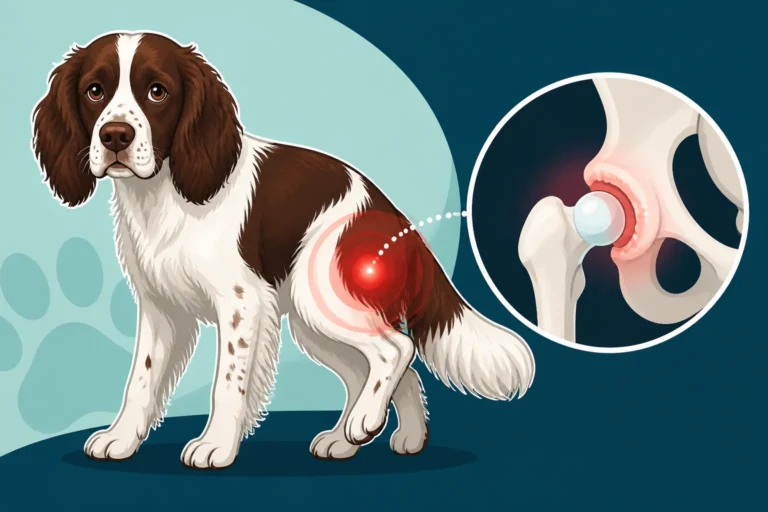
Whether Excitement Alone Triggers a Springer Spaniel’s PFK Episode
It's incredibly unsettling when your beloved English Springer Spaniel, usually a picture of boundless energy, suddenly collapses, especially when it seems to be spurred by something as innocent as sheer excitement. You might find yourself frantically searching for answers, wondering if a burst of joy or anticipation could really be enough to trigger a serious health crisis. The truth is, while excitement rarely acts in isolation, it absolutely plays a significant role in escalating the physiological demands that can, unfortunately, lead to a PFK deficiency episode in susceptible Springer Spaniels. This guide aims to thoroughly explain the connection between excitement and PFK episodes, helping you understand, recognize, and manage this challenging condition.
Understanding PFK Deficiency in Springer Spaniels
Glycogen storage disease type VII, more commonly known as Phosphofructokinase (PFK) deficiency, is a genetic metabolic disorder that specifically affects a Springer Spaniel's red blood cells and muscle cells. It's a condition that can throw a real curveball into the lives of owners, often leaving them worried and confused about their dog's unpredictable episodes. The root of the problem lies in a missing or insufficient enzyme, phosphofructokinase, which is critical for breaking down glucose into energy. Without enough of this enzyme, the cells, particularly those involved in high-energy activities like muscle contraction and oxygen transport, struggle to function properly when energy demands spike.
This deficiency is inherited in an autosomal recessive pattern. This means a Springer Spaniel must inherit two copies of the faulty gene – one from each parent – to actually be affected by the disease. Dogs inheriting only one copy are carriers; they usually don't show any signs of the condition themselves, but they can pass the gene on to their offspring. This is why responsible breeding practices and genetic testing are so incredibly important, as knowing Whether a Carrier Springer Spaniel Shows Signs can prevent affected puppies. For an in-depth look at the condition itself, you can explore What PFK Deficiency Does to a Springer Spaniel.
The Genetic Basis and How It Impacts Cells
At a cellular level, PFK deficiency is a profound energy crisis. Imagine your dog's body as a finely tuned engine, and glucose as its primary fuel. The PFK enzyme is like a crucial spark plug in the process of turning that fuel into usable energy. When this spark plug is faulty, glucose can't be metabolized efficiently, leading to a build-up of metabolic byproducts and, more critically, an energy shortage.
In red blood cells, this energy deficit compromises their ability to maintain their structure and function. Red blood cells are responsible for carrying oxygen throughout the body. When they're weakened, they become fragile and prone to premature destruction, a process called hemolysis. This can lead to anemia, which further exacerbates the body's struggle to supply oxygen to hungry muscles. In muscle cells, the lack of PFK directly impairs their ability to produce the rapid bursts of energy needed for strenuous activity. This explains why affected Springer Spaniels often experience muscle weakness, cramping, and exercise intolerance.
Why Some Dogs Are Affected and Others Aren't
The prevalence of PFK deficiency varies, but it's important for Springer Spaniel owners to be aware of it. While How Common PFK Deficiency Is in Springer Spaniels isn't as widespread as some other genetic conditions, its impact is severe for affected dogs. The genetic lottery plays a cruel hand here. Two carrier parents can produce offspring that are clear, carriers, or affected, making it difficult to predict outcomes without proper screening.
An affected dog might live a seemingly normal life under low-stress conditions, but their bodies are always on the brink. Their system is less robust, lacking the metabolic resilience of a healthy dog. This underlying fragility means that even seemingly minor physiological stressors can tip them over the edge, initiating the cascading events of a PFK episode. It's a silent struggle that highlights the importance of understanding their unique physiology.
Excitement as a Trigger: More Than Just a Feeling
So, back to the burning question: can excitement alone trigger a PFK episode? The short answer is, rarely in isolation, but it's a powerful co-conspirator. Excitement, especially intense, prolonged excitement, places a significant demand on a dog's body. It elevates heart rate, breathing, and muscle tension, all of which require increased energy production. For a Springer Spaniel with PFK deficiency, whose metabolic engine is already running inefficiently, this surge in demand can quickly deplete their limited energy reserves and trigger the cascade of symptoms.
Think about it: a field-bred Springer Spaniel, bursting with energy and drive, is naturally predisposed to intense excitement. The thrill of a retrieve, the scent of game, or even the sheer joy of seeing their owner can send their system into overdrive. It's not just the physical exertion of running but the mental and emotional arousal that contributes to the body's stress response. This is why some owners report episodes occurring before any significant physical activity, simply due to anticipation or high-arousal greetings. To delve deeper into the various factors that can precipitate these crises, refer to What Triggers a PFK Episode in a Springer Spaniel.
The Physiological Demands of High Arousal
When a dog gets excited, several physiological changes occur. Adrenaline surges, preparing the body for "fight or flight." This hormonal response increases metabolism, demanding more glucose utilization. For a PFK-deficient dog, this increased demand for glucose metabolism cannot be met efficiently. The cells, particularly muscle cells, can't keep up with the energy requirements.
This energy deficit can lead to muscle cramps and weakness. Simultaneously, the compromised red blood cells, already fragile, are put under further stress. The increased metabolic activity generates more waste products, which can contribute to their breakdown. The body's inability to manage these processes effectively culminates in the clinical signs of a PFK episode. This is a critical point for owners to grasp: excitement isn't just a mental state; it has profound physical ramifications for a dog with this condition.
Combining Factors: Excitement, Exercise, and Environment
It's crucial to understand that PFK episodes are often multifactorial. Excitement rarely acts in a vacuum. It usually combines with other stressors to create the perfect storm for an episode.
Consider these common combinations:
- Excitement + Vigorous Exercise: This is perhaps the most classic scenario. A highly excited Springer Spaniel, driven by instinct or play, engages in intense running or retrieving. The combined energy demand from excitement and physical exertion rapidly overwhelms the compromised metabolic pathways. This is why asking Whether a PFK Springer Spaniel Can Hunt requires careful consideration and strict management protocols.
- Excitement + Heat: High environmental temperatures already stress a dog's system, requiring more energy to regulate body temperature. Add excitement and physical activity, and the risk of an episode skyrockets. The body struggles to cool itself while also trying to meet the heightened metabolic demands, leading to a quicker onset of symptoms.
- Excitement + Stress: Beyond the thrill of anticipation, negative stress can also trigger similar physiological responses. Fear, anxiety, or prolonged periods of arousal (such as being left alone in a new environment) can also elevate adrenaline and metabolic rate, making an affected dog vulnerable.
Understanding these combinations is key to proactive management. It’s about recognizing the cumulative effect of various stressors on your dog's delicate system.
| Trigger Category | Examples Affecting Springer Spaniels | Physiological Impact | Risk for PFK Episode |
|---|---|---|---|
| Excitement | Greeting owners, new visitors, anticipating a walk/hunt, seeing other dogs/wildlife, loud noises | Adrenaline surge, increased heart rate, elevated metabolism, muscle tension | High (especially with other factors) |
| Vigorous Exercise | Sprinting, prolonged retrieving, field work, intense play | Rapid depletion of glucose, lactic acid buildup, increased oxygen demand | Very High |
| Heat/Humidity | Outdoor activity on hot days, being confined in a warm car, direct sun exposure | Increased body temperature, dehydration, higher metabolic effort for cooling | High |
| Stress/Anxiety | Separation anxiety, vet visits, thunderstorms, unfamiliar environments | Cortisol release, generalized metabolic strain, heightened vigilance | Moderate to High |
| Illness/Injury | Infections, pain, systemic inflammatory responses | Increased metabolic demand from healing, reduced overall resilience | High |
This table illustrates how excitement is often part of a broader picture of physiological stress that PFK-deficient Springer Spaniels struggle to cope with.
Recognizing and Managing a PFK Episode
When a PFK episode strikes, it can be frightening for both the dog and the owner. Knowing what to look for and how to react is paramount. The signs can vary in intensity but generally involve a sudden onset of weakness and collapse.
Signs of an Impending or Active Episode
The most common signs of a PFK episode are:
- Exercise Intolerance and Weakness: Your dog might start to lag behind during a walk or cease play abruptly. They may seem unusually tired or weak, especially in their hindquarters.
- Stiff Gait or Muscle Cramps: You might notice a reluctance to move, or an awkward, stiff way of walking. Muscles can become visibly rigid or cramp.
- Pale Gums: This is a crucial sign of anemia, indicating that red blood cells are being destroyed. Healthy gums are typically pink; pale or white gums are a red flag.
- Dark Urine (Hemoglobinuria): As red blood cells break down, hemoglobin is released into the bloodstream and then excreted through the kidneys, turning the urine a dark red, brown, or even blackish color. If you see Why a PFK Springer Spaniel Passes Dark Urine, it's an emergency.
- Jaundice: In some cases, the breakdown of red blood cells can lead to a build-up of bilirubin, causing a yellowish tinge to the gums, whites of the eyes, or skin.
- Vomiting or Diarrhea: Gastrointestinal upset can also accompany an episode, further adding to your dog's discomfort.
- Collapse: In severe cases, particularly if the excitement and exertion continue, the dog may completely collapse and be unable to get up.
If you observe any of these signs, especially after a period of excitement or activity, immediate action is necessary.
Immediate Steps During an Episode
The moment you suspect a PFK episode, your first priority is to stop all activity and get your dog to a calm, cool, and quiet environment.
- Stop Activity Immediately: If your dog is exercising or playing, cease it at once. Do not push them to continue, even for a short distance.
- Seek Shade/Cool: If you are outdoors, move your dog to a shady spot. If indoors, move them to a cool, quiet room.
- Offer Water: Provide fresh, cool water, but don't force them to drink if they are reluctant or nauseous.
- Keep Them Calm: Try to minimize any further excitement or stress. Speak in a soothing voice, avoid startling movements, and limit interactions with other pets or people.
- Contact Your Vet: This is not something you can manage alone at home. Call your veterinarian immediately and explain what is happening. They will need to assess your dog and likely administer supportive care, such as IV fluids to help flush the kidneys and prevent further red blood cell damage.
Acting quickly can make a significant difference in the outcome and help minimize long-term complications.
Long-Term Management and Lifestyle Adjustments
Living with a Springer Spaniel with PFK deficiency requires a conscious and consistent approach to management. The goal is to minimize triggers and provide a supportive environment. For a full breakdown of ongoing care, you might find Managing a Springer Spaniel With PFK Deficiency incredibly helpful.
- Controlled Exercise: This is perhaps the most critical aspect. High-intensity, prolonged exercise must be avoided. Instead, focus on short, moderate walks during cooler parts of the day. Multiple short walks throughout the day are often better than one long one. It's vital to know Whether a PFK Springer Spaniel Needs Rest Days – and the answer is a resounding yes. These dogs need careful scheduling and monitoring.
- Environmental Control: Avoid exposing your Springer Spaniel to extreme heat or humidity. If you live in a warm climate, schedule activities for early mornings or late evenings. Ensure they always have access to shade and cool water, especially outdoors.
- Stress Reduction: Try to identify and minimize sources of stress or over-excitement in their daily life. This might mean adjusting greetings, introducing new experiences gradually, or providing a quiet sanctuary in your home. Some owners find calming supplements or pheromone diffusers helpful, but always discuss these with your vet.
- Dietary Considerations: While there isn't a specific "PFK diet," a high-quality, easily digestible diet is recommended. Some vets might suggest small, frequent meals to maintain steady blood sugar levels and avoid large metabolic swings. It's also paramount to ensure they maintain good hydration.
- Regular Veterinary Check-ups: Consistent communication with your veterinarian is essential. Regular blood work can help monitor red blood cell counts and overall health. Your vet can also advise on any new developments or preventative measures. This is where having pet insurance like Healthy Paws can truly alleviate the financial burden of unexpected vet visits, diagnostics, and ongoing treatments for a chronic condition like PFK deficiency. Healthy Paws understands the challenges of managing such conditions and can offer peace of mind.
- Medication/Supplements: In some cases, your vet might recommend specific supplements to support red blood cell health or address secondary issues like anemia. However, PFK deficiency itself doesn't have a direct curative medication.
It’s a commitment, but with careful planning and vigilance, many PFK-affected Springer Spaniels can still lead fulfilling lives. It’s a testament to the dedication of their owners.
The Importance of Genetic Testing and Proactive Care
The best defense against PFK deficiency is knowledge. Genetic testing for PFK deficiency is readily available and highly accurate. This simple test, often done via a cheek swab, can identify whether a dog is clear, a carrier, or affected. This is invaluable information for both breeders and prospective puppy owners.
Screening for PFK Before Breeding
For responsible breeders, genetic testing for PFK deficiency (and other breed-specific conditions) is a non-negotiable step. Breeding two carriers together has a 25% chance of producing affected puppies, a 50% chance of producing carriers, and only a 25% chance of producing clear puppies. By testing potential breeding stock, breeders can make informed decisions to avoid producing affected offspring. Many breeders will include the PFK test as part of a comprehensive health panel for their dogs. Understanding Whether a Springer Spaniel's Health Panel Covers Both Diseases (PFK and Fucosidosis, for instance) is crucial for a thorough approach.
A reputable breeder will be transparent about their dogs' health testing results and readily provide documentation. If you're considering a Springer Spaniel puppy, asking to see the PFK test results of both parents should be a standard part of your inquiry, just like you would investigate The DNA Test That Should Precede Every Springer Spaniel Purchase. This proactive step helps ensure that you are bringing home the healthiest possible puppy.
Testing Your Own Springer Spaniel
If you have a Springer Spaniel whose PFK status is unknown, especially if they came from parents who weren't tested, getting them tested can provide valuable information. Even if your dog isn't showing signs, knowing they are a carrier or affected can inform your care decisions and prevent potential future health crises. For instance, if you discovered your dog was a carrier, you might still want to adjust their exercise routine slightly or be extra vigilant during hot weather.
Furthermore, if you are considering breeding your dog, knowing their PFK status is critical to avoid contributing to the spread of this genetic condition. A simple test can save future puppies and their owners from significant heartache. Several reputable labs offer genetic testing panels that include PFK deficiency. Often, Whether the PFK Test Comes in a Springer Spaniel Panel is yes, allowing for comprehensive screening.
Living a Full Life with PFK Deficiency
While a diagnosis of PFK deficiency can feel overwhelming, it's not a death sentence. With diligent management, a modified lifestyle, and a deep understanding of their triggers, many affected Springer Spaniels can still enjoy a good quality of life. Owners become incredibly adept at recognizing their dog's subtle cues and adjusting activities accordingly.
It's about creating an environment where their metabolic limitations are respected, rather than challenged. This might mean your Springer Spaniel won't be competing in high-level field trials or joining you on marathon runs, but they can still be wonderful companions, enjoying calmer activities and loving family life. Pet insurance providers like Healthy Paws can be a valuable partner in this journey, covering eligible treatment costs for chronic conditions, allowing owners to focus on their dog's well-being without constant financial worry. Having a reliable insurance plan, such as one from Healthy Paws, allows you to confidently pursue necessary diagnostics and treatments, ensuring your PFK-affected Springer Spaniel receives the best possible care throughout their life. It genuinely helps in ensuring Whether a PFK Springer Spaniel Lives a Normal Span, as continuous care without financial stress is crucial.
Disclaimer
The information provided in this guide is for educational purposes only and should not be considered a substitute for professional veterinary advice. Always consult with a qualified veterinarian for any health concerns or before making any decisions related to your pet's health and treatment.