Whether a Springer Spaniel Gets Addison’s Disease
It’s a truly frightening experience when your beloved English Springer Spaniel starts acting "off" – maybe they’re lethargic, losing their appetite, or throwing up, and you just can’t pinpoint why. These vague, often intermittent symptoms can be incredibly frustrating for devoted owners, leaving you wondering if it's just a phase, an upset stomach, or something much more serious. This guide is here to shed light on Addison's disease, a tricky condition that can affect Springer Spaniels, helping you understand what it is, how to spot it, and most importantly, how to manage it for your furry family member.
Understanding Addison's Disease and Its Link to Springer Spaniels
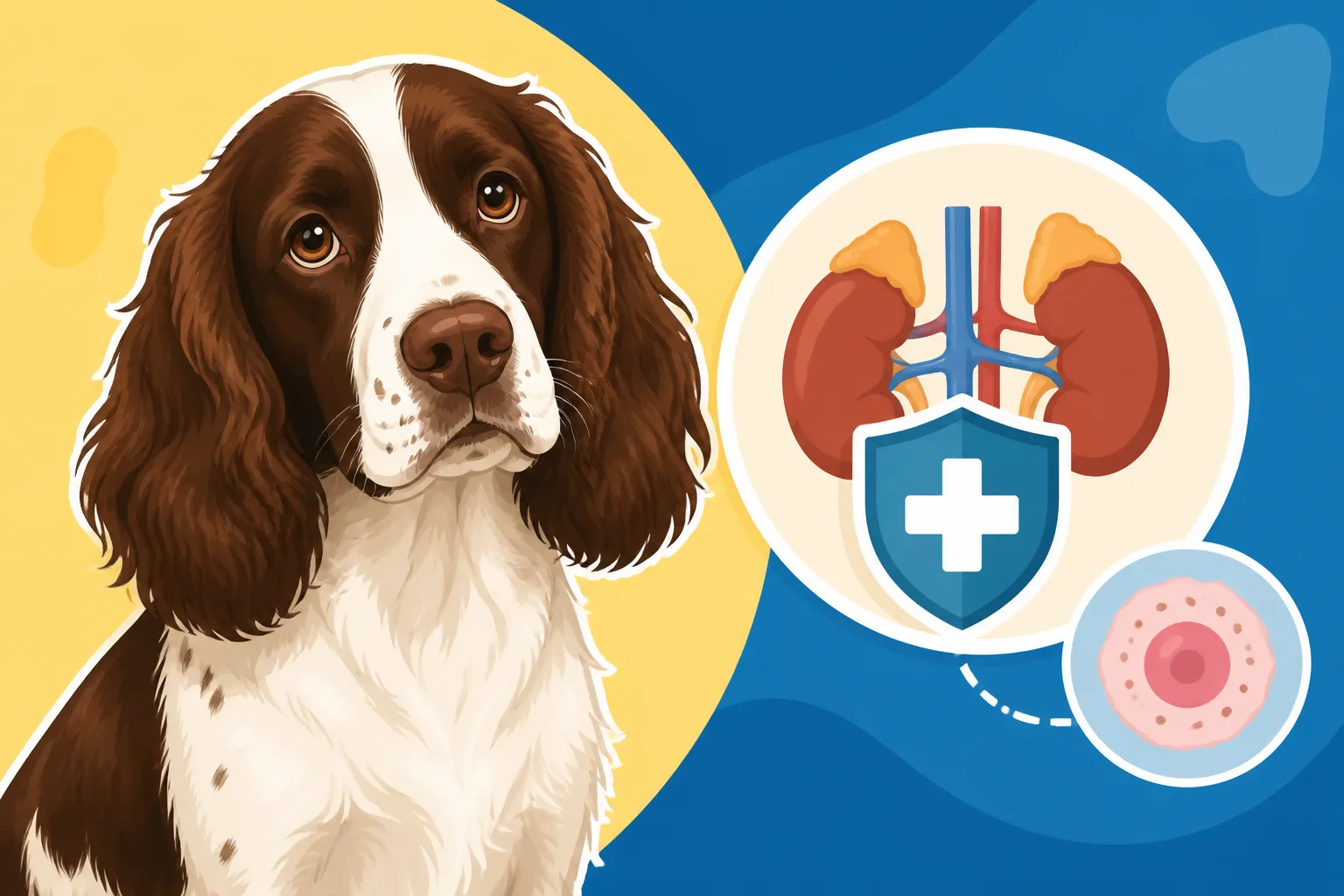
Addison's disease, or hypoadrenocorticism, is one of those silent conditions that can creep up on you, making your dog feel miserable without a clear diagnosis for a while. Essentially, it happens when your dog's adrenal glands – two small glands located near their kidneys – don't produce enough of certain vital hormones, primarily cortisol and aldosterone. These hormones are absolutely crucial for regulating stress, metabolism, blood pressure, and electrolyte balance. Without them, the body can't function properly, leading to a cascade of problems.
What Happens When the Adrenal Glands Fail?
Think of cortisol as your dog's natural stress responder. It helps them cope with everyday challenges, from a sudden loud noise to a new environment. Aldosterone, on the other hand, is key for balancing sodium and potassium levels in the body, which directly impacts blood pressure and kidney function. When both these hormones are deficient, the body essentially goes into a state of chronic stress and imbalance. It's not unlike how humans feel when they're utterly exhausted and run down, but imagine that feeling compounded by severe physiological disruptions. This is why the symptoms can be so varied and often mimic other, less serious conditions, making diagnosis a real challenge for even the most experienced veterinarians.
Why Are Springer Spaniels Prone to Addison's Disease?
While Addison's disease can occur in any dog breed, there's a recognized predisposition in several breeds, and sadly, the English Springer Spaniel is one of them. This means that if you own a Springer, it's particularly important to be aware of the signs. The exact genetic mechanism isn't fully understood, but it's believed to be an inherited trait, often linked to an autoimmune process where the body mistakenly attacks its own adrenal glands. This genetic component underscores the importance of responsible breeding. If you're considering getting a Springer Spaniel puppy, asking breeders about the health history of their lines, particularly regarding autoimmune diseases, is crucial. It’s also why many responsible breeders advocate for The DNA Test That Should Precede Every Springer Spaniel Purchase to screen for known genetic issues. While there isn't a specific DNA test for Addison's yet, understanding family history can offer clues.
Recognizing the Subtle Signs of Addison's Disease
One of the most frustrating aspects of Addison's disease is how sneaky its symptoms can be. They often come and go, waxing and waning, which can lead owners to believe their dog is just having an "off day" or a mild stomach upset. This "intermittent illness" pattern is a classic hallmark of the disease and often delays diagnosis, sometimes for months. You might notice your energetic Springer Spaniel seems unusually tired after a short walk, or they skip a meal when they’re usually enthusiastic eaters. These small, seemingly insignificant changes can be the first whispers of a much bigger problem.
The Vague and Intermittent Nature of Symptoms
Imagine your Springer Spaniel, usually a whirlwind of enthusiasm and joy, suddenly becoming withdrawn. They might start refusing their food one day, then seem perfectly fine the next. They might vomit a few times, then go weeks without an issue. This on-again, off-again pattern makes it incredibly difficult to connect the dots. Owners often report a general "malaise" – just a sense that their dog isn't quite themselves, but they can't put their finger on why. This feeling of helplessness and confusion is perfectly normal when dealing with a condition as enigmatic as Addison's. It's often mistaken for a simple stomach bug, pancreatitis, or even just old age, leading to a prolonged period of uncertainty and worry for pet parents.
Progressing to an Addisonian Crisis
While initial symptoms might be vague, Addison's can escalate rapidly into a life-threatening emergency known as an Addisonian crisis. This typically happens when the dog experiences a sudden, severe drop in adrenal hormone levels, often triggered by stress, illness, or simply going undiagnosed for too long. In a crisis, the symptoms become much more dramatic and alarming. You might see severe weakness, collapse, profuse vomiting and diarrhea (sometimes bloody), profound lethargy, and even signs of shock, such as a weak pulse, cold extremities, and pale gums. This is a critical situation requiring immediate veterinary attention.
Recognizing these signs early can be the difference between a successful treatment and a dire outcome. Here’s a quick overview of common signs:
| Symptom Category | Common Manifestations in Springer Spaniels | Urgency |
|---|---|---|
| Gastrointestinal | Vomiting, diarrhea (intermittent or severe), loss of appetite, abdominal pain | Moderate to High (if severe/persistent) |
| Lethargy/Weakness | Reduced activity, fatigue, muscle weakness, reluctance to play or exercise | Moderate |
| Thirst/Urination | Increased thirst and urination (polyuria/polydipsia) | Moderate |
| Weight Loss | Gradual or sudden weight loss despite eating | Moderate |
| Shaking/Trembling | Intermittent tremors, especially during periods of stress | Low to Moderate |
| Collapse | Sudden, severe weakness leading to inability to stand | HIGH (Emergency!) |
| Pain | Generalized body pain, stiffness, especially in joints | Low to Moderate |
| Bradycardia | Abnormally slow heart rate (less common, usually in crisis) | HIGH (Emergency!) |
| Pale Gums | Sign of anemia or shock, especially during crisis | HIGH (Emergency!) |
It's important to remember that many of these signs can overlap with other conditions. For instance, sometimes Addison's symptoms can initially be mistaken for something like Whether a Springer Spaniel Gets Hypothyroidism, another common endocrine issue that causes lethargy and coat changes. Or, in severe cases of gastrointestinal upset, it might be confused with a sudden bout of pancreatitis. This is why thorough diagnostic testing is absolutely essential rather than just treating symptoms empirically.
Diagnosing and Managing Addison's Disease in Your Springer Spaniel
The journey to an Addison's diagnosis can sometimes be a frustrating one for owners, given the non-specific and fluctuating nature of the symptoms. But once suspected, the diagnostic process is usually quite straightforward, often involving a combination of blood tests and a specific stimulation test. Getting a definitive diagnosis is the first crucial step towards getting your Springer Spaniel feeling like themselves again.
The Diagnostic Process: Unmasking the Culprit
If your vet suspects Addison's disease, they'll typically start with routine blood work, which might reveal some tell-tale signs like elevated potassium and decreased sodium levels (often referred to as an Na:K ratio imbalance), elevated kidney values (which can normalize after treatment), and sometimes low blood sugar. However, these aren't always definitive. The gold standard for diagnosing Addison's is an ACTH (Adrenocorticotropic Hormone) stimulation test.
This test involves taking a baseline blood sample, then administering a synthetic ACTH injection. ACTH is the hormone that normally tells the adrenal glands to produce cortisol. After a specific period (usually an hour), another blood sample is taken. In a healthy dog, cortisol levels will significantly increase, showing the adrenal glands are responsive. In a dog with Addison's, however, the adrenal glands are unable to produce sufficient cortisol, so their levels will remain low, even after stimulation. This test provides a definitive answer, bringing an end to the uncertainty of those vague symptoms.
Treatment Options: Giving Back What Their Body Lacks
The good news is that Addison's disease is highly manageable with proper medication, allowing most dogs to live long, happy, and normal lives. The treatment essentially replaces the hormones your Springer Spaniel's body isn't producing.
- Glucocorticoid Replacement (Cortisol): This is typically managed with daily oral corticosteroids, such as prednisone. The dose is carefully adjusted to mimic the body's natural cortisol production and help your dog cope with stress. You might notice your dog's energy levels improve dramatically once they're on the right dose.
- Mineralocorticoid Replacement (Aldosterone): This is usually given as an injectable medication called desoxycorticosterone pivalate (DOCP), often under brand names like Percorten-V or Zycortal. This injection is typically given every 25-30 days by your veterinarian. It's vital for maintaining electrolyte balance and hydration. Some dogs might be managed with daily oral fludrocortisone, which has both mineralocorticoid and glucocorticoid properties.
Initially, your vet will monitor your Springer Spaniel closely with follow-up blood tests to ensure the medication is at the optimal level. It can take a bit of fine-tuning, but once stable, the management becomes a routine part of your dog's life. Understanding What a Springer Spaniel's Vet Bills Look Like can help you prepare for the initial diagnostic costs and ongoing medication expenses. Thankfully, pet insurance providers like Healthy Paws often cover chronic conditions like Addison's if the policy is in place before diagnosis, which can be a huge relief for many owners facing these unexpected costs.
Living with an Addisonian Springer Spaniel: Practical Tips
Receiving an Addison's diagnosis for your Springer Spaniel might feel overwhelming at first, but with consistent care, routine monitoring, and a little extra vigilance, your dog can absolutely continue to thrive. Many Addisonian dogs go on to live full, active lives, often leaving their owners wondering if they ever really had such a serious condition! The key is understanding the ongoing commitment and being prepared for potential bumps in the road.
Daily Life and Routine Care
Once your Springer Spaniel is stabilized on medication, their daily routine shouldn't change dramatically. They can still enjoy their walks, play, and cuddle time. The most important thing is administering their medication consistently and on schedule. For dogs on oral prednisone, this usually means a daily pill. For those on DOCP injections, it's a monthly vet visit.
It's crucial to ensure your vet is aware of any stressful events coming up for your dog, such as surgery, travel, or even a houseguest. They may advise a temporary increase in prednisone dosage to help your dog cope. Remember, Addisonian dogs lack the natural ability to produce extra cortisol in stressful situations, so we have to provide it for them. You'll also want to keep an eye on their appetite, thirst, and energy levels, reporting any significant changes to your vet. Regular check-ups, typically every 6-12 months once stable, are vital to monitor their overall health and adjust medication as needed, helping your Springer Spaniel enjoy The Twelve to Fourteen Years a Springer Spaniel Lives.
Recognizing and Handling an Addisonian Crisis (Again)
Even with the best management, an Addisonian crisis can sometimes reoccur, especially if medication is missed, or if your dog experiences extreme, unmanaged stress. Being prepared is paramount. Always have emergency contact information for your vet readily available, and consider discussing with them what an "emergency kit" might entail for your specific dog. This could include a pre-filled syringe of injectable dexamethasone (a potent steroid) that you can administer at home if advised by your vet during a crisis, before heading to the emergency clinic.
If you ever see those severe signs again – collapse, profuse vomiting, extreme weakness – do not hesitate. Get your dog to the nearest emergency veterinary clinic immediately. Time is of the essence in a crisis. The veterinary team will work to stabilize your dog with IV fluids, electrolyte correction, and high doses of corticosteroids. Having pet insurance, like a plan from Healthy Paws, can be incredibly beneficial here, as emergency visits and hospitalizations can be very costly. Thinking about What Insuring a Springer Spaniel Runs early on can provide peace of mind later.
Long-Term Outlook and Quality of Life
The prognosis for dogs with Addison's disease is generally excellent once they are diagnosed and properly managed. Most Springer Spaniels on lifelong medication lead normal, happy, and active lives. It really becomes a condition that you manage, rather than one that constantly threatens their well-being. Regular communication with your veterinarian, prompt attention to any recurring symptoms, and a commitment to their medication schedule will ensure your beloved Springer Spaniel enjoys a fantastic quality of life.
This is a chronic condition, similar to how humans manage diabetes or thyroid issues. It means you'll need to stay on top of their care, but it shouldn't define your dog's life or yours. Many owners find that once they've navigated the initial diagnosis and stabilization period, managing Addison's becomes second nature. It's just another aspect of Caring for a Springer Spaniel Past Nine or throughout their entire life.
Final Thoughts on Addison's Disease in Springer Spaniels
Discovering your Springer Spaniel has Addison's disease can certainly be an emotional rollercoaster. The initial worry, the frustration of vague symptoms, and then the relief of a diagnosis can take a toll. However, it's vital to remember that this is a very treatable condition. With modern veterinary medicine and your dedicated care, your Addisonian Springer Spaniel can continue to be the joyous, energetic companion you know and love.
Staying informed, working closely with your veterinarian, and being vigilant about their daily well-being are your best tools in managing this disease. While it introduces a new dimension to their care, it doesn't diminish the incredible bond you share. So, keep that Springer Spaniel tail wagging, and know that you're doing an amazing job looking after them!
Disclaimer
Please note that the information provided in this article is for educational purposes only and should not be considered a substitute for professional veterinary advice. Always consult with a qualified veterinarian regarding any health concerns or before making any decisions about your pet's medical care.