Whether a Springer Spaniel Cuts Its Pads on Stubble
It’s a scenario every Springer Spaniel owner dreads: you’re out enjoying a walk, perhaps through a beautiful open field or after a harvest, and suddenly your energetic companion pulls up, favoring a paw. That sharp, prickly stubble left behind by agricultural machinery isn’t just an annoyance; it’s a real hazard that can cause painful cuts and abrasions to your Springer’s delicate paw pads. This guide will walk you through the very real threat stubble poses and provide practical, empathetic advice on how to protect those precious paws and keep your Springer Spaniel happy and healthy.
The Reality of Stubble and Delicate Paws
Springer Spaniels are renowned for their boundless energy and their desire to explore every inch of their environment. This enthusiasm, while endearing, often means they charge headlong into situations that can be detrimental to their sensitive paw pads, especially in rural or agricultural settings.
Why Stubble Poses a Threat to Springer Spaniel Pads
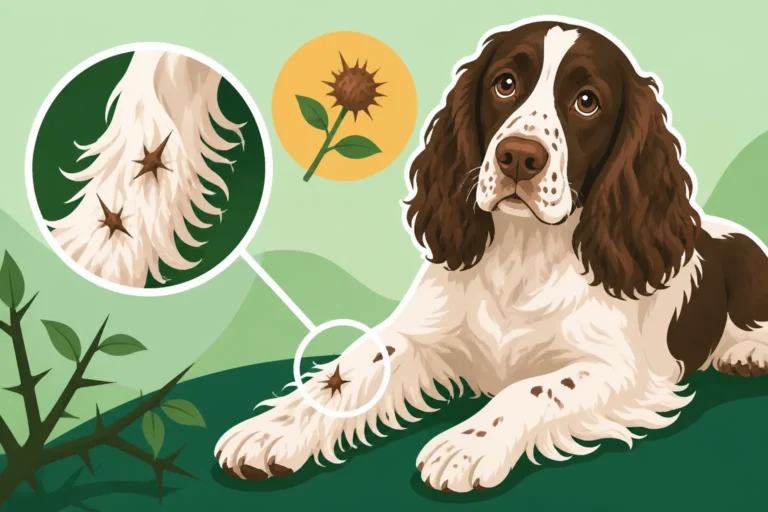
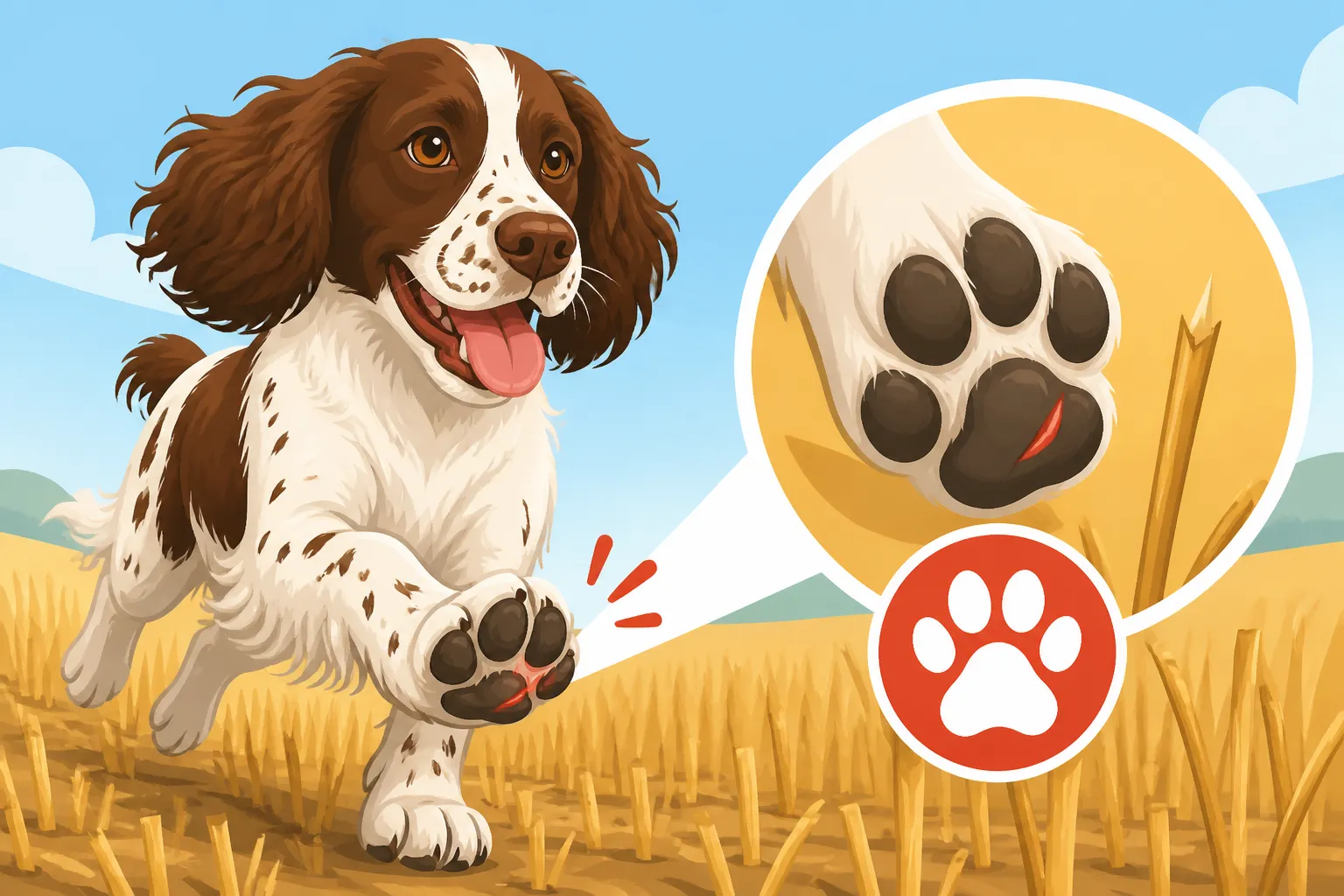
Imagine running barefoot across a field filled with tiny, stiff, broken stalks of plants. That's essentially what your Springer Spaniel does when bounding through a harvested field. These remnants of crops – be it corn, wheat, or other grains – are often sharp, rigid, and surprisingly abrasive. They’re not like soft grass blades; they are more akin to miniature daggers waiting to snag, slice, or puncture.
A Springer’s paw pads, while naturally tough for their intended purpose, are still made of skin and tissue. They provide grip, absorb shock, and protect against rough surfaces, but they aren't impenetrable. When a dog is moving at speed, especially a driven Springer, the force of impact and the friction against these sharp stubble points can easily lead to cuts, scrapes, or even deeper punctures. The areas between the paw pads and around the nail beds are particularly vulnerable, as the skin there is thinner and more delicate. This risk is compounded on dry, hard ground, where the stubble stands stiffer and offers less give. It’s a frustrating reality for owners whose dogs live for these outdoor adventures, only to have them cut short by a preventable pad injury.
Recognizing the Signs of a Cut or Damaged Pad
Your Springer Spaniel is often so keen to please and so engrossed in their surroundings that they might not immediately broadcast discomfort, making it crucial for you to be vigilant. Knowing what to look for, both during and after your outdoor excursions, can help you address issues promptly.
While you're out, keep an eye on your dog's gait. A sudden, subtle limp, a hesitation to put full weight on a paw, or repeatedly lifting a foot are clear indicators. They might also start licking or chewing excessively at a specific paw, even mid-run, which is a big red flag. If you pause to inspect, you might see a visible cut, a small puncture wound, or an area that appears raw and abraded. Sometimes, a tiny piece of stubble or a thorn might even be embedded in the pad or between the toes. After you've returned home and your Springer has had a chance to rest, continue to observe. Persistent licking, chewing, or even sensitivity when you gently touch their paw are signs of ongoing discomfort. You might notice swelling, redness, or heat emanating from the affected paw. Don't forget to examine the soft skin between the toes for any irritation or tiny foreign objects that could be lodged there. Early detection isn't just about reducing pain; it's about preventing a minor cut from becoming a serious infection. This vigilance is part of What to Check on a Springer Spaniel After a Day in Cover.
Immediate First Aid for Pad Injuries in the Field
Discovering your Springer Spaniel has a wounded paw while you're still out in the field can be stressful, but a calm and quick response can make all the difference. Always carry a basic canine first-aid kit, especially if your adventures take you into remote areas.
First, gently but firmly get your dog to a quiet, safe spot where they can lie down and you can examine the paw without them trying to move or lick the wound constantly. If there’s dirt or mud, try to rinse the area with clean water – a water bottle can be handy for this. If you see a piece of stubble or a small thorn that’s clearly visible and not deeply embedded, you can try to carefully remove it with clean tweezers. However, if it’s deep, broken, or you can’t get a good grip, do not try to dig it out, as you could cause more harm or push it deeper. For bleeding, apply direct pressure with a clean cloth or a piece of gauze. Once the bleeding is controlled, apply a non-stick sterile pad over the wound and wrap the paw with self-adhering bandage, like VetWrap. Wrap firmly enough to hold the dressing in place, but not so tight that it restricts circulation (you should be able to slip two fingers under the wrap). The goal is to keep the wound clean and protected until you can get your Springer home and, ideally, to a veterinarian for a proper check. Even if the cut seems small, consulting your vet is always the safest bet, especially to prevent infection and ensure proper healing.
Proactive Measures to Protect Your Springer's Paws
As the saying goes, an ounce of prevention is worth a pound of cure, and this couldn't be truer for protecting your Springer Spaniel's paw pads. Incorporating proactive strategies into your routine can significantly reduce the chances of encountering painful stubble-related injuries.
Choosing the Right Terrain and Timing for Walks
One of the most straightforward ways to safeguard your Springer's paws is to be smart about where and when you let them run. If you know a particular field has recently been harvested, especially crops that leave sharp, rigid stubble, it's often best to simply avoid it. Opt for alternative routes that offer softer ground, like grassy park trails, wooded paths with leaf litter, or paved sidewalks (though too much pavement can also be harsh on pads if not conditioned).
Consider the condition of the ground. Dry, baked earth makes stubble even more unyielding and abrasive. If you must traverse a questionable area, try to do so after a light rain or in the early morning when dew might have softened the ground and the stubble slightly. This reduces the cutting edge and friction. However, be cautious of very wet or muddy conditions, as they can lead to other problems such as slipping or packing debris between the toes. If hunting or field training is your passion and stubble fields are unavoidable, this foreknowledge is key to proper preparation and protection. A quick scouting walk on your own can save your dog a lot of discomfort and potentially a trip to the vet.
Conditioning Paw Pads for Durability
Just like human athletes build up calluses on their hands or feet, a Springer Spaniel’s paw pads can be conditioned to become more resilient over time. This isn't about making them impervious, but about building up a natural defense. Avoid drastic changes in terrain. Don't take a dog accustomed to soft backyard grass directly into an intense day of running over sharp, rocky ground or abrasive stubble.
Instead, gradually expose your Springer's paws to a variety of surfaces. Regular, moderate walks on different textures – pavement, gravel paths, dirt trails, and even short grass – will help to naturally thicken and toughen the pad skin. This slow and steady approach allows the pads to develop protective calluses without incurring damage. Consistency is key; frequent walks on varied terrain are far more effective than infrequent, intense bursts. Remember, their pads are designed to be tough, but they need to be maintained and gradually prepared for the challenges you ask them to face. Healthy, well-conditioned pads are less likely to split, crack, or suffer severe damage from minor abrasions.
The Role of Paw Protection: Boots and Balms
Even with careful conditioning and terrain choices, there will be times when additional paw protection is warranted, especially if your Springer Spaniel is a working dog or an avid adventurer. This is where specialized products can become your best friends.
Paw Balms and Waxes: These topical products create a protective layer over your dog's pads. They help to moisturize, preventing dryness and cracking, and offer a light barrier against minor abrasions, hot pavement, and cold surfaces. Think of them as a protective moisturizer that can also aid in traction. Brands like Musher's Secret or Pawz Balm are popular choices, and you can easily find a wide selection on online retailers like Chewy or Amazon. Apply them regularly, especially before and after walks on questionable terrain. Just be prepared for your Springer to try and lick it off! Consistent use keeps pads supple and more resistant to everyday wear and tear, reducing the likelihood of small nicks turning into larger problems.
Protective Boots and Shoes: For serious protection against hazards like sharp stubble, thorns, burrs, extreme temperatures, or rough rocky ground, dog boots are an invaluable tool. They provide a physical barrier that fully encases the paw. The key is finding boots that fit correctly – they should be snug enough not to spin or fall off but not so tight they pinch or restrict movement. Measure your dog's paws carefully and check sizing guides. There's a vast range of options, from lightweight, disposable options to heavy-duty, durable boots designed for working dogs. Getting your Springer Spaniel used to wearing boots requires patience and positive reinforcement, starting with short periods indoors. Don't wait until you're in a critical situation to introduce them! Many owners share their experiences and recommendations on platforms like Amazon or Chewy, so you can see what has worked for other active breeds. While they might seem a bit cumbersome at first, boots can be a true lifesaver for your dog's paws, allowing them to confidently traverse challenging terrain. For an active dog, questions like Whether a Working Springer Spaniel Needs Boots in the Field often lean towards "yes" in certain conditions.
Long-Term Care and Prevention for Healthy Springer Spaniel Pads
Keeping your Springer Spaniel’s paw pads in top condition is an ongoing commitment, not just a response to injury. A consistent, holistic approach that blends routine care, proper nutrition, and informed decisions about veterinary care will ensure their paws remain strong and healthy throughout their active lives.
Daily Inspection and Routine Paw Maintenance
Integrating a quick paw inspection into your daily routine is one of the most effective ways to prevent serious problems. After every walk, especially after navigating fields or rough terrain, take a moment to thoroughly examine each of your Springer Spaniel’s paws.
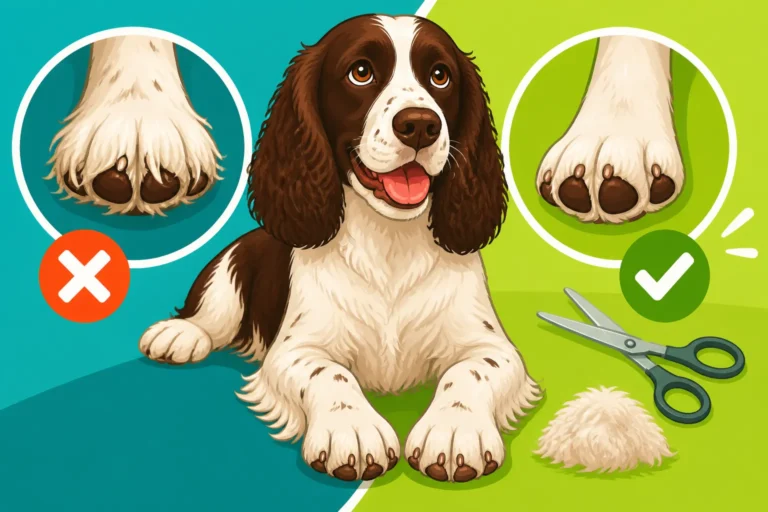
Gently spread their toes and look carefully at the pads themselves, as well as the soft skin and hair between the pads and around the nails. What are you searching for? Any cuts, scrapes, punctures, redness, swelling, or signs of tenderness. Feel for any foreign objects that might be lodged, such as small thorns, burrs, or pieces of stubble. Check for excessive dryness or cracking on the pads, as these can make them more susceptible to injury. Crucially, regularly trim the hair between their paw pads. If this hair gets too long, it can mat, trap moisture, dirt, and debris (including tiny stubble fragments), leading to irritation, infection, or painful matting. Use blunt-nosed scissors or a small trimmer with extreme caution to avoid nicks. Keeping their nails trimmed short is also important, as overgrown nails can alter their gait, put undue pressure on the pads, and even contribute to pad injuries. This consistent routine not only helps catch issues early but also accustoms your Springer to paw handling, making future inspections or necessary treatments much easier. These checks are just as vital as understanding Whether a Springer Spaniel's Feet Need the Hair Trimmed.
Nutritional Support for Skin and Pad Health
The health of your Springer Spaniel's paw pads isn't just about external care; it's also deeply connected to their internal well-being, particularly their diet. Proper nutrition provides the building blocks for strong, resilient skin and healthy pads.
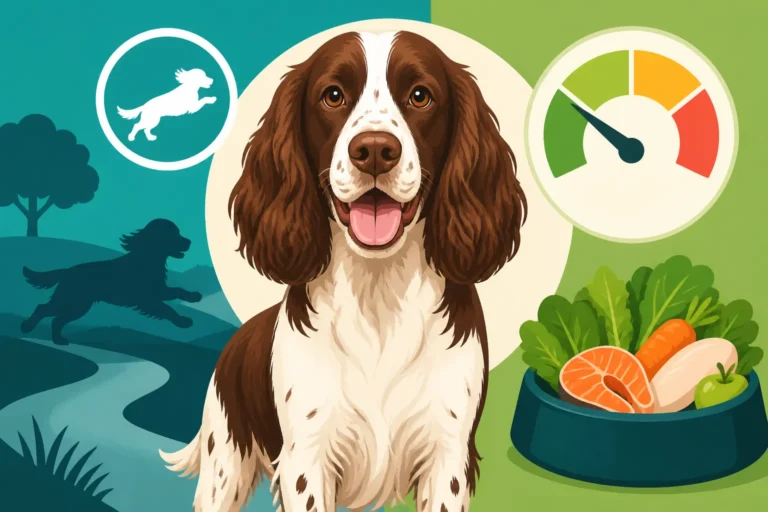
Feed your Springer a high-quality dog food that prioritizes a named meat source as the first ingredient and contains beneficial fats, particularly Omega-3 and Omega-6 fatty acids. These essential fatty acids are vital for maintaining a healthy skin barrier, keeping pads supple, and reducing inflammation. Brands like Ollie, known for its fresh, human-grade food, often formulate meals with these skin-supporting nutrients. Many premium kibble options available on Chewy or Amazon also highlight the inclusion of these beneficial oils. If your dog consistently suffers from dry, cracked pads, or other skin issues, it might be worth discussing their diet with your veterinarian. Sometimes, an underlying nutrient deficiency or even a food sensitivity could be contributing to compromised skin and pad health. Exploring options like Whether Fresh Food Changes a Springer Spaniel's Skin could be beneficial for overall skin, coat, and paw health.
When to Seek Veterinary Attention for Pad Issues
While you can handle many minor paw pad scrapes at home, it's absolutely crucial to know when an injury warrants professional veterinary attention. Delaying treatment can turn a simple problem into a much more complicated and painful one.
You should always contact your veterinarian if you observe any of the following:
- Persistent Bleeding: If bleeding doesn't stop after 5-10 minutes of direct pressure.
- Deep or Wide Cuts: Any cut that appears deep, wide, or jagged, as it may require stitches, special cleaning, or prescription medication.
- Embedded Foreign Objects: If you suspect a piece of stubble, glass, or any other object is deeply embedded and you cannot easily and safely remove it yourself. Digging for it can cause more damage.
- Signs of Infection: Increased swelling, redness, heat, persistent pain, discharge (pus), or a foul odor emanating from the wound are all clear signs of infection.
- Severe Lameness or Pain: If your Springer is unwilling to put any weight on the paw, crying out in pain, or seems generally unwell.
- Lack of Improvement: If a minor injury doesn't seem to be improving after a couple of days of careful home care, or if it appears to be getting worse.
Your vet can properly clean and debride the wound, remove any stubborn foreign bodies, prescribe antibiotics if an infection is present or likely, and provide pain management. They can also offer expert advice on proper bandaging and follow-up care. Early intervention can prevent serious complications and ensure your Springer Spaniel heals quickly and completely, getting them back to their favorite activities.
| Paw Care Method | Primary Benefit | Best Use Case | Key Considerations |
|---|---|---|---|
| Daily Inspection | Early detection of issues, prevention | After every outing, especially on rough terrain | Check pads, between toes, nails; trim hair regularly |
| Paw Balms/Waxes | Moisture, minor barrier, increased grip | Before/after walks on hot/cold pavement, dry ground | Apply regularly, ensure absorption, monitor for licking |
| Protective Boots | Physical barrier against hazards | Stubble fields, sharp terrain, extreme weather, snow/ice | Proper fit is crucial, gradual introduction, can be cumbersome |
| Gradual Conditioning | Natural toughening of pads | Ongoing, varied exercise from puppyhood | Avoid sudden exposure to harsh terrain, consistency is key |
| Nutritional Support | Internal health for skin and pads | All life stages, especially active or sensitive dogs | High-quality food, Omega fatty acids, consult vet for chronic issues |
| Terrain Management | Avoidance of high-risk surfaces | Whenever possible, scout new areas without your dog | May limit access to certain recreational areas or hunting grounds |
Disclaimer
This article is for general informational purposes only and does not constitute professional advice. Laws, prices and regulations vary by location and change over time. Consult a qualified professional for guidance on your specific situation.