The Age a Springer Spaniel Goes to Two Meals
One of the most common questions I hear from new Springer Spaniel parents is about feeding. You start with this adorable, ravenous fluffball that seems to eat constantly, and then suddenly, they're not a tiny puppy anymore. You might find yourself wondering if you still need to feed them three or four times a day, or if it's time to scale back. It can be confusing trying to figure out the right schedule as your vibrant Springer grows, especially when you want to make sure they're getting all the nutrients they need without overdoing it. This guide will walk you through the journey of transitioning your English Springer Spaniel from multiple puppy meals to a healthy adult routine of two meals a day, ensuring a smooth and happy adjustment for both of you.
Understanding Your Springer Spaniel's Dietary Needs as They Grow
When you first bring home a Springer Spaniel puppy, their eating habits are quite a whirlwind. They're like tiny, furry furnaces, burning through calories at an incredible rate to fuel their rapid growth and endless energy. It makes perfect sense that they need to eat frequently, often three or even four times a day, to support this intense development. But just like human children, their nutritional needs and digestive systems evolve as they mature. What works for a six-week-old bundle of joy simply won't be appropriate, or even healthy, for a six-month-old adolescent.
Why Puppy Feeding Differs from Adult Feeding
Puppies, particularly highly active breeds like our Springers, are growing at an astonishing pace. Their bones are lengthening, their muscles are developing, and their brains are rapidly forming new connections. All of this demands a constant influx of energy and nutrients. Their tiny stomachs also can't handle large volumes of food in one go, so smaller, more frequent meals are essential to prevent digestive upset and ensure they absorb everything they need. Imagine trying to eat a full adult-sized meal when you're just a few months old – it's simply too much for their system.
As they transition into adolescence and then adulthood, their growth rate naturally slows down. The intense calorie burn of early puppyhood starts to level off. Their digestive systems become more robust, capable of processing larger meals efficiently. If you were to continue feeding an older puppy or adult Springer Spaniel three or four meals a day with the same volume, you'd quickly find yourself with an overweight dog, which brings its own host of health problems. It's a fundamental shift in their metabolism and physical development that necessitates a change in their feeding routine.
The Importance of Consistent Puppy Feeding Schedules
During those first few months, a consistent feeding schedule is about so much more than just nutrition; it's a cornerstone of puppy development and training. Regular meal times help establish a predictable routine, which is incredibly reassuring for a young dog learning about their new world. It also plays a critical role in house training. What goes in must come out, and knowing when your puppy typically eats allows you to predict when they'll need to relieve themselves, making successful potty breaks much easier to manage.
This structure also helps manage their energy levels throughout the day. A well-fed puppy is less likely to be ravenously hungry and prone to destructive chewing or nipping out of frustration. You'll find that feeding a high-quality puppy food according to a set schedule, often detailed in resources like The Feeding Chart a Springer Spaniel Puppy Follows, helps create a calm, balanced environment for your growing companion. It's a rhythm that becomes second nature to them, building good habits that will serve them well into adulthood.
The Sweet Spot: When to Transition Your Springer Spaniel to Two Meals a Day
Deciding exactly when to reduce your Springer Spaniel's meals can feel a bit like guesswork. There isn't a single "magic day" that works for every dog, but there are clear guidelines and signs to watch for that will help you make the right call for your individual pup. The goal is to make this transition when your Springer is physically ready and it aligns with their changing metabolic needs.
The General Guideline: Around Six Months Old
For most English Springer Spaniels, the sweet spot for transitioning from three (or more) meals down to two per day typically falls around six months of age. This isn't a hard and fast rule, but it's a widely accepted benchmark. By this age, much of their rapid skeletal growth has occurred, and while they might still gain some muscle and fill out, the most intensive demands on their system have begun to wane. Their digestive systems are usually mature enough to handle larger gaps between meals without distress.
Of course, every dog is an individual. A smaller, less active Springer might be ready a little earlier, perhaps closer to five months, while a larger, highly energetic field-bred Springer might benefit from three meals a day for a bit longer, maybe closer to seven or eight months, especially if they are still burning a tremendous amount of energy. Always observe your dog's individual development and behavior rather than sticking blindly to an arbitrary date on the calendar. Remember that while a lot of their height is gained by six months, they are usually still filling out and maturing for a while longer, as explored in The Age a Springer Spaniel Finishes Growing.
Signs Your Springer Spaniel is Ready for Fewer Meals
Your Springer Spaniel will often give you subtle, and sometimes not-so-subtle, clues that they're ready for a change in their feeding schedule. Paying close attention to these signals is key to a successful transition.
One of the most common signs is a lack of enthusiasm for one of their smaller meals. Perhaps they're leaving a significant portion of their midday meal untouched, or they're taking a very long time to finish it, only to wander off and come back later. If they're consistently skipping a meal, particularly the one in the middle of the day, it's a strong indicator that they don't actually need that extra feeding anymore. This isn't about them being picky; it's about their body telling you their energy demands have shifted.
Another clue might be unintended weight gain. If your Springer Spaniel is starting to look a little rounder, even if you're feeding the recommended puppy amount, it could mean they're getting too many calories spread across too many meals for their current growth stage. You might also notice they're not as ravenously hungry at meal times, perhaps sniffing the food but not diving in with the same gusto. Conversely, if they seem perfectly happy and energetic between meals and aren't begging constantly, it's another positive sign. These observations are crucial for understanding when your Springer is ready to consolidate their meals and move towards an adult feeding pattern.
Making the Switch: A Smooth Transition Plan for Your Springer Spaniel
Once you've determined your Springer Spaniel is ready to move to two meals a day, the key is to make the transition gradually. An abrupt change can lead to digestive upset, anxiety, or even resource guarding behaviors. Slow and steady wins the race, especially when it comes to something as fundamental as your dog's diet. Think of it as gently guiding them into their new routine, rather than flipping a switch.
Gradually Reducing Meal Frequency
The best way to transition your Springer Spaniel to two meals is not to just suddenly drop one. Instead, you'll want to slowly combine the calories from the meal you're eliminating into the remaining two. For example, if you're currently feeding three meals a day (breakfast, lunch, dinner), and you decide to eliminate lunch, you wouldn't just skip it. You would take the amount of food from that "lunch" meal and divide it equally between breakfast and dinner, effectively making those two meals slightly larger.
Let's say your Springer gets 1 cup of food at breakfast, 1 cup at lunch, and 1 cup at dinner, for a total of 3 cups daily. When you decide to drop lunch, you'd then feed 1.5 cups at breakfast and 1.5 cups at dinner. This ensures your dog is still getting the same total daily caloric intake they need, preventing them from feeling excessively hungry or missing out on essential nutrients. Give this new schedule a good week or two before making further adjustments. Monitor their digestion closely – are they having normal stools? Are they still energetic? This gradual approach minimizes stomach upset and helps your dog adjust to the longer stretches between meals without feeling deprived.
Adjusting Portion Sizes for Fewer Meals
When you cut back to two meals a day, it's vital to remember that the total daily amount of food your Springer Spaniel needs generally remains the same, or at least changes slowly based on their growth and activity. What changes is how you divide that total. Instead of three smaller servings, you'll be giving two larger servings. If you've been diligently following a feeding guide or advice from your vet, you'll have a good idea of their total daily allowance.
For instance, if your Springer Spaniel previously ate 3 cups of food per day spread across three meals, they will now eat 3 cups of food per day spread across two meals, meaning 1.5 cups per meal. It sounds simple, but it's often where owners go wrong, either overfeeding or underfeeding during the transition. Referencing guidelines like How Much a Pet Springer Spaniel Should Eat or, for more active dogs, How Much a Working Springer Spaniel Should Eat, can provide clarity on the appropriate total daily amount. It's also a good time to reconsider their diet if you haven't already. Brands like Chewy and Ollie offer convenient ways to compare different food options, whether it's kibble or fresh food. Regularly check your Springer's weight and body condition score to ensure they're staying at a healthy weight. This vigilance helps in Keeping a Springer Spaniel at a Working Weight and preventing issues like Whether a Springer Spaniel Gains Weight Easily.
| Age Range | Typical Meal Frequency | Notes |
|---|---|---|
| 8-12 Weeks (2-3 months) | 4 meals per day | Small stomachs, rapid growth, high energy. |
| 12-24 Weeks (3-6 months) | 3 meals per day | Continued growth, developing digestion. |
| 24 Weeks+ (6+ months) | 2 meals per day | Slowing growth, mature digestion, adult routine. |
| Senior Dogs (9+ years) | 2 meals per day | May need specialized senior formulas; watch appetite. |
Addressing Digestive Upset and Hunger Pangs
Even with a gradual transition, some Springer Spaniels might experience a little digestive upset or seem hungrier than usual as they adjust to longer intervals between meals. Common issues might include a bit of gas, looser stools, or simply more persistent "pestering" for food, especially around the time a meal used to be given. It's important to differentiate between actual hunger and a learned expectation.
If your Springer Spaniel is genuinely struggling with hunger, consider slightly adjusting meal timings to better suit their metabolism, or perhaps adding a bit of plain canned pumpkin to their meals, which can help with satiety and digestion. For those who tend to inhale their food, which is certainly a Springer trait, incorporating a slow feeder bowl can be a game-changer. These bowls are readily available on platforms like Amazon and can extend mealtime, making your dog feel fuller and aiding digestion. If your Springer Spaniel is one of those who scarfs down their food, a slow feeder can really help them, as detailed in Which Slow Feeder Works for a Springer Spaniel, and it’s a great solution for The Springer Spaniel That Inhales Its Dinner. You can also use puzzle toys or KONGs stuffed with a portion of their meal, frozen to last longer, to keep them occupied and mentally stimulated during the times they used to eat. These strategies help manage perceived hunger and maintain a positive association with their new feeding schedule. If digestive upset persists, a vet visit is always advisable to rule out underlying issues.
Beyond Meal Frequency: Maintaining Optimal Nutrition and Health for Your Adult Springer
Transitioning to two meals a day is just one step in a lifelong journey of providing optimal nutrition for your Springer Spaniel. As they enter adulthood and beyond, their dietary needs will continue to evolve, influenced by their activity level, overall health, and eventual senior status. Staying attentive to these changes and making informed choices about their food will contribute significantly to their well-being and longevity.
Choosing the Right Adult Food Formula
Once your Springer Spaniel is on an adult feeding schedule, selecting the appropriate adult dog food formula becomes paramount. There's a vast array of options out there, and what's best for your dog depends largely on their lifestyle. A field-bred Springer Spaniel actively participating in hunting or competitive dog sports will have vastly different caloric and protein needs than a show-bred Springer Spaniel whose primary role is a beloved family pet with daily walks around the neighborhood.
Look for high-quality commercial dog foods that list a named meat source (like "chicken meal" or "lamb") as the first ingredient. Consider formulas specifically designed for active breeds or, conversely, those for less active dogs if your Springer tends to be more sedentary. If you're exploring options, sites like Chewy offer an extensive selection and user reviews, making it easier to compare ingredients and formulations. For those interested in alternative diets, services like Ollie provide fresh, human-grade food that can be customized to your dog's specific needs and activity level. Always consult your veterinarian when making significant changes to your dog's diet to ensure it's balanced and suitable for their individual health profile.
Monitoring Weight and Body Condition
One of the most crucial aspects of long-term care for your adult Springer Spaniel is vigilant weight management. It's shockingly easy for Springers to pack on extra pounds, especially if their exercise doesn't quite match their caloric intake, or if you're a little too generous with treats. Being overweight can lead to a host of health problems, including increased risk of joint issues like Hip Dysplasia in a Springer Spaniel, heart disease, and diabetes.
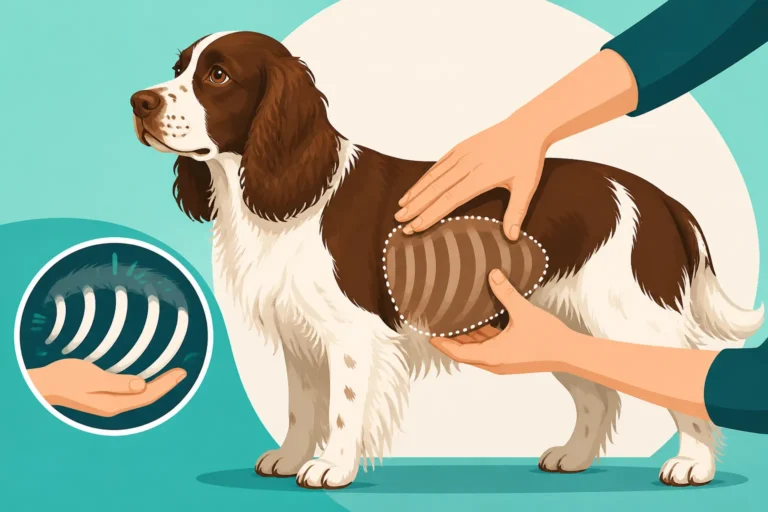
Regularly assessing your Springer's body condition is more important than just weighing them. You should be able to easily feel, but not necessarily see, their ribs with gentle pressure. From above, they should have a discernible waistline, and their belly should tuck up slightly when viewed from the side. If you're struggling to feel their ribs or if they look barrel-shaped, it's time to reduce their food intake slightly and increase their exercise. Conversely, if their ribs are visibly prominent, they might need a bit more food. Tools like The Weight a Male Springer Spaniel Should Hold and The Weight a Female Springer Spaniel Should Hold provide general ranges, but individual build varies. Your vet can give you an objective assessment and help you fine-tune their diet and exercise plan.
Adapting to Life Changes and Senior Years
Your Springer Spaniel's life isn't static, and neither are their nutritional requirements. Significant life events will necessitate dietary adjustments. For instance, spaying or neutering often leads to a decrease in metabolic rate, meaning your dog will need fewer calories to maintain a healthy weight. Many owners find their Springer's appetite changes after this procedure, as discussed in How a Springer Spaniel's Appetite Changes After Neutering. Failing to adjust their food intake post-surgery can quickly result in weight gain.
As your Springer Spaniel approaches their senior years, typically around ages eight or nine, their activity level will naturally decrease, and their metabolism will slow further. At this stage, transitioning to a senior-specific diet can be beneficial. These formulas are often lower in calories, higher in fiber, and contain ingredients to support joint health and cognitive function. It's a proactive step to ensure they remain comfortable and healthy as they age. Learning What an Old Springer Spaniel Should Be Fed can make a huge difference in their quality of life. Regular veterinary check-ups become even more vital during these later years to catch any emerging health issues early and ensure their diet continues to meet their evolving needs.
Disclaimer
This article is for general informational purposes only and does not constitute professional advice. Laws, prices and regulations vary by location and change over time. Consult a qualified professional for guidance on your specific situation.