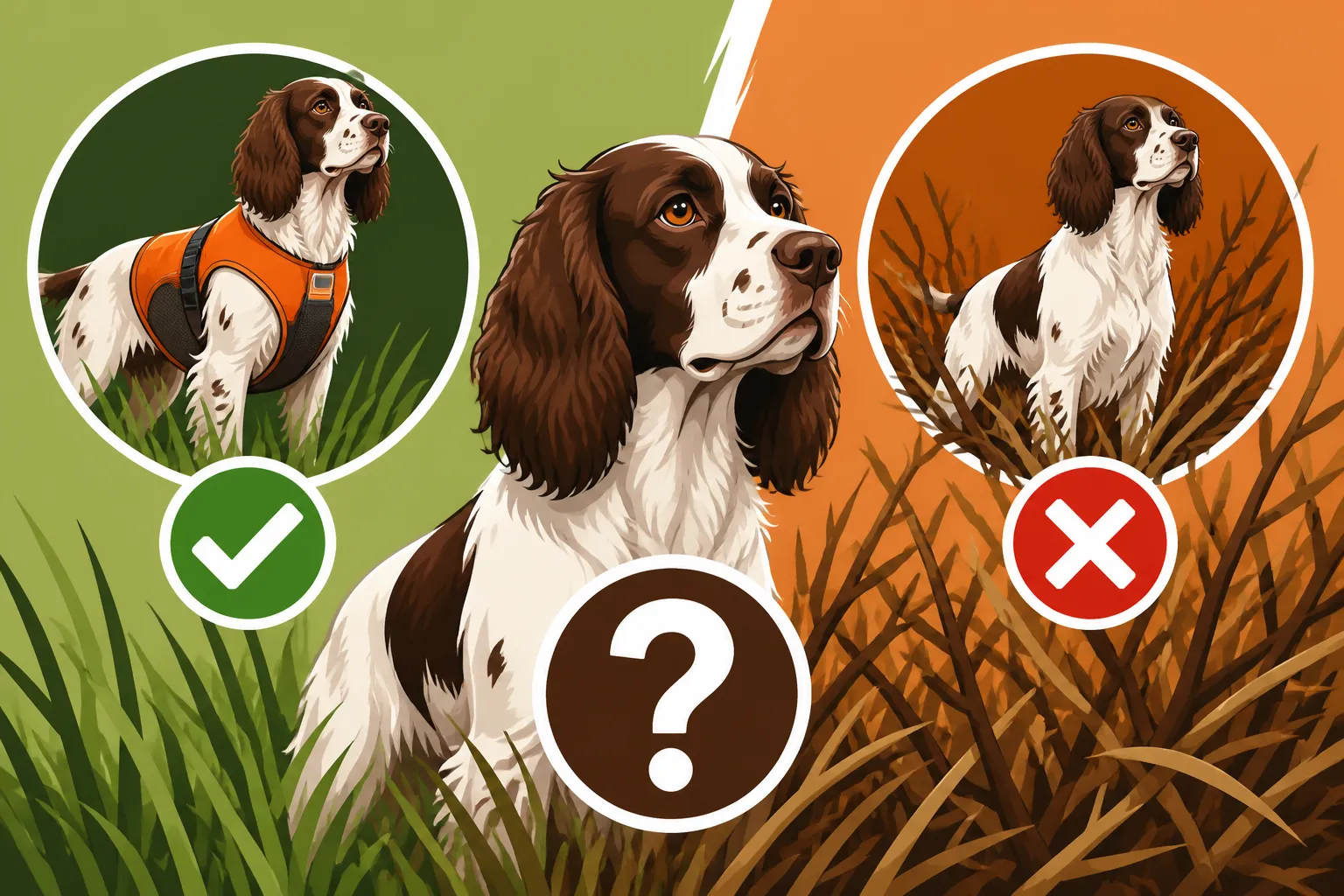
Whether a Springer Spaniel Needs a Vest in Heavy Cover
When you’re out in the field with your English Springer Spaniel, especially in heavy cover, it's easy to get caught up in the thrill of the hunt. But that dense vegetation—the brambles, the thickets, the thorny underbrush—poses a significant risk to your dog. Many of us have come home after a day's work only to find an unexpected cut, a nasty thorn, or a whole host of burrs tangled in our dog's beautiful coat. This guide is all about whether a protective vest can truly make a difference in safeguarding your Springer Spaniel against these common field hazards and ensuring they stay safe and comfortable, ready for the next retrieve.
The Real Dangers of Heavy Cover for a Springer Spaniel
It’s easy to underestimate just how tough the environment can be on our dogs, especially a breed like the Springer Spaniel, which is bred to dive headfirst into thick cover. While their enthusiasm is undeniable, their bodies aren't invincible. The reality is that "heavy cover" isn't just a term for dense foliage; it's a minefield of potential injuries waiting to happen.
Cuts, Scrapes, and Punctures from Thorns and Sticks
Imagine crashing through a dense hedge without any protection – that's often what our Springers do. Their drive to find game means they aren't thinking about the sharp thorns of a rose bush or the brittle, jagged ends of broken branches. These aren't just minor nicks; they can lead to deep lacerations, puncture wounds, and nasty scrapes. A thorn embedded deep in a leg or chest can cause significant pain, lead to infection, and certainly put an early end to your hunting day. We often focus on their pads, thinking Whether a Springer Spaniel Cuts Its Pads on Stubble is the main concern, but their entire body is exposed.
A deep cut isn't just a visible injury; it can be incredibly disruptive to your dog's performance and overall health. An injured dog cannot concentrate on its work, and the pain can make them hesitant or even reluctant to enter cover in the future. I've known handlers who’ve had to deal with persistent lameness or infections that flared up days after a hunt, all stemming from a seemingly small cut that went unnoticed until it was too late. These wounds sometimes require veterinary intervention, antibiotics, and considerable downtime, taking a diligent working dog out of commission for weeks.
Hidden Hazards: Ticks, Burrs, and Grass Awns
Beyond the immediate physical trauma, heavy cover is a breeding ground for pests and irritants. Ticks are a constant menace, clinging to fur and skin, posing risks of Lyme disease and other tick-borne illnesses. While regular preventative measures are crucial, a physical barrier can offer an additional layer of defense. Burrs are another common headache, matting deeply into the Springer's luxurious feathering and dense undercoat. Removing them can be a tedious and painful process for the dog, often requiring extensive brushing or even clipping.
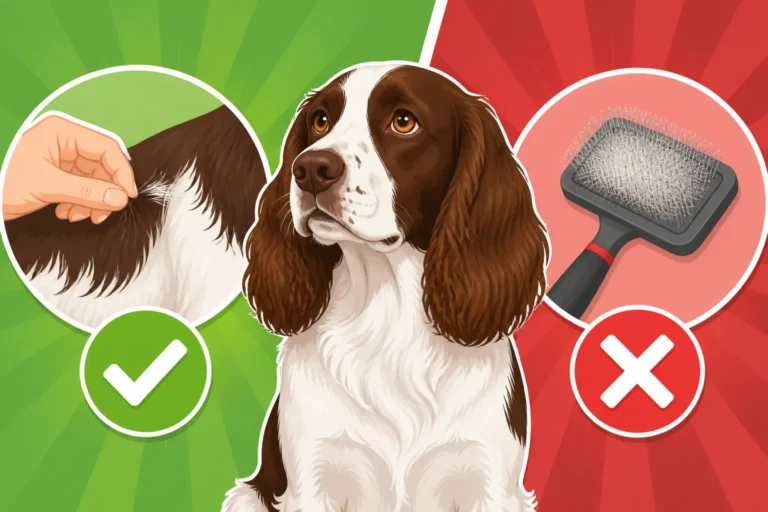
But perhaps the most insidious threat hiding in heavy cover is the grass awn. These seemingly innocuous plant seeds have barbed structures that allow them to burrow into a dog's fur, skin, and even orifices like ears, nose, or eyes. Once they penetrate, they don't come out easily and can migrate through tissue, causing abscesses, serious infections, and profound discomfort. I've personally seen cases where a grass awn migrated from a paw all the way up a leg, causing a painful swelling that needed surgical removal. It’s a silent danger that every owner of a working spaniel should be acutely aware of. You'll want to know How to Find a Grass Awn on a Springer Spaniel after every outing. It’s part of the essential After the Hunt: Checking a Springer Spaniel Over Nose to Tail routine.
Cold Water and Rough Terrain: More Than Just Scratches
Many Springer Spaniels absolutely love water work, and field activities often involve crossing streams, ponds, or marshes. When temperatures drop, especially in the late fall and winter hunting seasons, prolonged exposure to cold water can lead to hypothermia, particularly if the dog is already fatigued or has a less dense coat. A wet dog in windy conditions loses body heat rapidly. A proper protective vest, especially one designed with neoprene, can provide a critical layer of insulation, helping your Springer maintain core body temperature. This goes beyond just keeping them dry, it’s about their overall health and stamina.
Beyond the water, navigating uneven terrain, crossing fences, or pushing through thickets can lead to scrapes and bruises. While a vest might not prevent every bump, it can certainly cushion impacts and reduce the severity of superficial injuries. For dogs working long hours, especially those pushing themselves with the incredible drive typical of How a Field Bred Springer Spaniel Differs in Drive, cumulative minor injuries can become a significant issue. The overall goal is to mitigate these risks so your dog can focus on its job without being constantly vulnerable to the environment.
What a Protective Vest Offers Your Springer Spaniel
So, we've talked about the dangers. Now, let's explore how a good protective vest can actually turn the tide and keep your Springer Spaniel safer and more comfortable in the field. It’s not just about slapping on any old piece of fabric; thoughtful design and material choices make all the difference.
Materials and Design: Durability Meets Flexibility
Modern protective vests for working dogs are a far cry from bulky, restrictive garments. They're typically made from incredibly tough, tear-resistant materials like Cordura nylon, often reinforced with Kevlar or similar high-strength fabrics in critical areas. This tough exterior acts as a shield against thorns, briars, and sharp sticks that would otherwise pierce or tear through your dog's skin. The stitching is usually heavy-duty, designed to withstand the constant abrasion and pulling that comes with a dog moving at speed through dense cover.
Underneath this outer layer, some vests incorporate lighter, more flexible materials to prevent chafing and allow for a full range of motion. The design often includes adjustable straps and buckles to ensure a snug, secure fit that won't shift or snag. A poorly fitting vest can cause more problems than it solves, rubbing raw spots or hindering movement. The goal is to provide maximum protection without impeding the dog's natural gait or ability to work effectively. Companies like Amazon and Chewy offer a wide range of these specialized vests, making it easier than ever to find options with advanced materials and construction.
Buoyancy and Visibility: Beyond Basic Protection
Many hunting scenarios involve water, whether it's retrieving a downed bird from a pond or navigating marshy ground. Some protective vests double as flotation devices, offering buoyancy that can be incredibly beneficial for a dog working in water for extended periods. This is particularly useful in colder conditions, where a dog might tire more quickly in the water. For a deeper dive into water safety, you might want to consider Whether a Springer Spaniel Needs a Neoprene Vest for Water, which focuses specifically on thermal protection and buoyancy.
Beyond flotation, visibility is another critical safety feature. Hunting vests often come in bright, fluorescent colors like blaze orange or yellow. This high visibility isn't just for you to keep track of your dog; it's also crucial for other hunters in the field. In dense cover, where dogs can quickly disappear from sight, a bright vest makes your Springer Spaniel stand out, significantly reducing the risk of accidental shootings. Some vests even include reflective strips for low-light conditions, adding another layer of safety during dawn or dusk hunts.
Comfort and Fit: Ensuring Your Dog Can Still Work
A vest, no matter how protective, is useless if your dog won't wear it or if it restricts their ability to do their job. Comfort is paramount. This means selecting a vest that allows for natural movement, doesn't chafe, and distributes pressure evenly. Look for vests with soft, non-abrasive linings, especially around the leg openings and chest. Adjustable straps are essential for a custom fit, as dog sizes can vary even within the Springer Spaniel breed. You want it snug enough not to shift, but not so tight that it constricts breathing or movement.
It's also important to consider the climate. While some vests offer insulation, others are designed to be lightweight and breathable, preventing overheating in warmer weather. A dog working hard generates a lot of body heat, so ventilation is key. Always monitor your dog for signs of overheating when they are wearing a vest, particularly on warmer days. The best vest is one your Springer forgets they are wearing, allowing them to focus entirely on the hunt.
| Feature | Primary Benefit (Heavy Cover) | Secondary Benefit (General Field Use) |
|---|---|---|
| Durable Fabric | Prevents cuts, scrapes, punctures | Extends vest lifespan, resists wear and tear |
| Reinforced Panels | Protects vital areas (chest, belly) | Adds durability for high-impact zones |
| High Visibility | Reduces risk of accidental shooting | Easy to spot your dog in dense cover |
| Buoyancy (Optional) | Aids swimming, prevents fatigue in water | Provides thermal insulation in cold water |
| Adjustable Straps | Ensures snug, comfortable fit | Prevents chafing and snags |
| Breathable Design | Prevents overheating | Enhances comfort during prolonged use |
| Grass Awn Resistance | Reduces burrowing of dangerous seeds | Keeps coat cleaner, fewer burrs |
Deciding If a Vest is Right for Your Dog and Your Hunt
Bringing a protective vest into your Springer Spaniel's field kit isn't a "one size fits all" decision. It really depends on a few key factors: the specific type of terrain you'll be working, the weather conditions, and your individual dog's temperament and physical condition. It also requires some upfront work to ensure your dog is comfortable wearing it.
Assessing the Terrain and Conditions
Before you even think about buying a vest, take a good look at the places you and your Springer Spaniel hunt. Are you primarily in open fields with short grass? Or are you consistently pushing through thick brambles, dense woodlands, and marshy areas with sharp reeds? If your hunting grounds are often characterized by heavy brush, thorny bushes, fallen logs, and thick undergrowth – the kind of places where you'd be wary of walking without sturdy pants – then a vest is definitely worth considering. These are the environments where the risk of cuts, punctures, and embedding burrs or grass awns is highest.
Think about the weather, too. If you hunt in colder climates or frequently engage in water retrieves during chilly months, a neoprene vest offers crucial thermal protection, helping prevent hypothermia. Water Work and What It Does to a Springer Spaniel's Ears is often discussed, but full body temperature regulation is just as vital. Conversely, in hot, humid conditions, a heavily insulated vest could lead to overheating. For these warmer days, a lighter, more breathable vest designed primarily for abrasion protection might be a better choice. Always match the vest to the environment and the season.
Training and Acclimation to a Vest
Just like any new piece of equipment, a protective vest isn't something you can just spring on your Springer Spaniel on opening day and expect them to perform flawlessly. Acclimation is key. Start by letting your dog sniff and explore the vest in a calm, positive environment. Then, put it on for short periods indoors, associating it with positive experiences like treats, praise, or play. Gradually increase the duration and introduce it during short walks in familiar, low-stress areas.
Watch for any signs of discomfort or restricted movement. Your dog needs to move naturally, without the vest chafing or hindering their stride. Practice basic commands and retrieves while they're wearing it. Only once they are completely comfortable and unfazed by the vest during regular activities should you introduce it to a real hunting scenario. A dog distracted or irritated by its gear will not be a happy or effective hunting partner. This patient approach prevents creating a negative association with the vest and helps your Springer Spaniel accept it as just another part of their working ensemble.
When a Vest Might Not Be Necessary
It's important to remember that not every Springer Spaniel and every hunting situation warrants a protective vest. If your hunting is primarily in open fields with minimal undergrowth, or if you're only walking on groomed trails, the benefits of a vest might be outweighed by the potential for overheating or restricting your dog's natural coat function. A lighter field vest focused on visibility might be sufficient for these less arduous conditions.
Also, consider your dog's specific needs. An older dog or one with certain health conditions might find a vest burdensome, or it could exacerbate existing issues. For instance, if your dog is prone to skin irritations, a vest could trap heat or moisture, leading to problems. In such cases, a thorough post-hunt inspection, including methods from Burrs, Ticks and Grass Awns in a Working Springer Spaniel, might be a more suitable primary strategy, alongside careful selection of hunting locations. It's about balancing protection with comfort and necessity.
Other Important Post-Cover Care Considerations
Whether your Springer Spaniel wears a vest or not, the work isn't over when the hunt ends. Post-cover care is absolutely critical for their health and well-being, ensuring that any hidden issues are caught early and that your dog recovers properly from their strenuous activity. This diligent routine complements any protective gear they might wear.
Thorough Inspections After Every Outing
This is non-negotiable for any working Springer Spaniel. Every single time your dog comes in from a period in heavy cover, whether it’s a short training session or a full day of hunting, you need to perform a head-to-tail inspection. Start by running your hands thoroughly over their entire body, feeling for any lumps, bumps, swelling, or tenderness. Pay close attention to areas prone to injury: armpits, groin, belly, and especially those long, feathered ears. Those ears, which are already prone to issues as detailed in Why a Springer Spaniel's Ears Are Never Quite Healthy, are prime targets for foxtails and other debris.
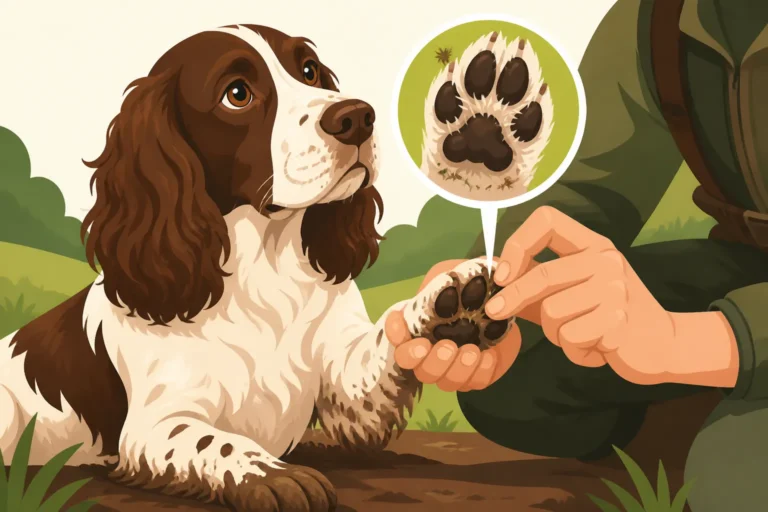
Carefully check their paws and between their toes for embedded thorns, burrs, or cuts. Remember, a tiny burr can work its way deep into the skin and cause a painful abscess. Inspect their eyes for irritation or foreign objects, and gently check inside their mouth and around their lips. Don't forget their tail – often overlooked, but just as susceptible to scrapes and burrs. This meticulous check is your first line of defense against minor issues becoming major problems.
Keeping the Coat and Skin Healthy
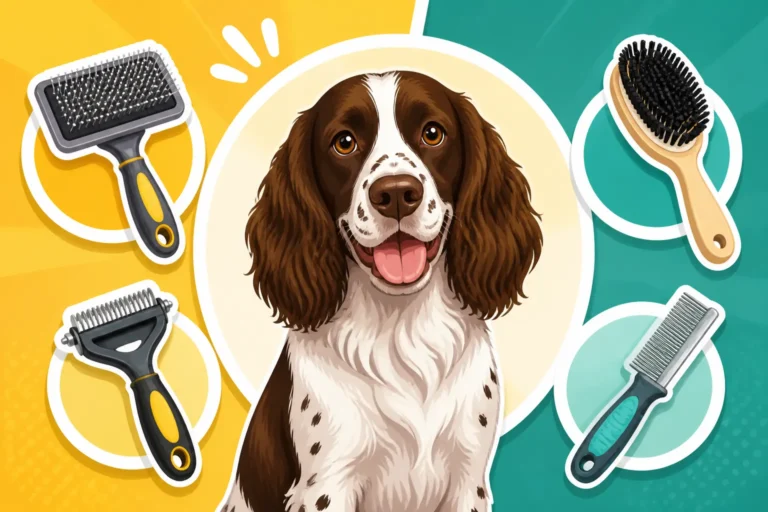
Heavy cover takes a toll on a Springer Spaniel's coat. Even with a vest, some areas will be exposed, and the constant friction can cause breakage and matting. After every outing, especially if they've been in wet or muddy conditions, a thorough brushing is essential. This helps remove loose debris, tangles, and prevents mats from forming, particularly in the longer feathering. For How Often a Field Springer Spaniel Gets Bathed or if they’re especially dirty, a bath with a mild dog shampoo can help remove irritants and clean the skin. Ensure they are completely dry afterwards to prevent skin infections, especially in their ears.
Pay close attention to their skin. If you notice any redness, scabs, hot spots, or excessive licking, address it immediately. These could be signs of an allergic reaction to plant material, an embedded irritant, or the beginning of a skin infection. Maintaining a healthy coat and skin barrier is crucial for a working dog, as it offers a natural layer of protection. Sometimes, specialized shampoos or conditioners can help soothe irritated skin and prevent future issues.
Hydration and Nutrition for the Working Dog
A Springer Spaniel working in heavy cover expends an incredible amount of energy. How Much a Working Springer Spaniel Should Eat is often more than a pet Springer, and their nutritional needs are significant. Proper hydration throughout the day is non-negotiable. Carry plenty of fresh water and offer it frequently, even if your dog doesn't seem to be panting heavily. Dehydration can lead to fatigue, reduced performance, and even serious health issues. Electrolyte supplements can also be beneficial on particularly long or strenuous days.
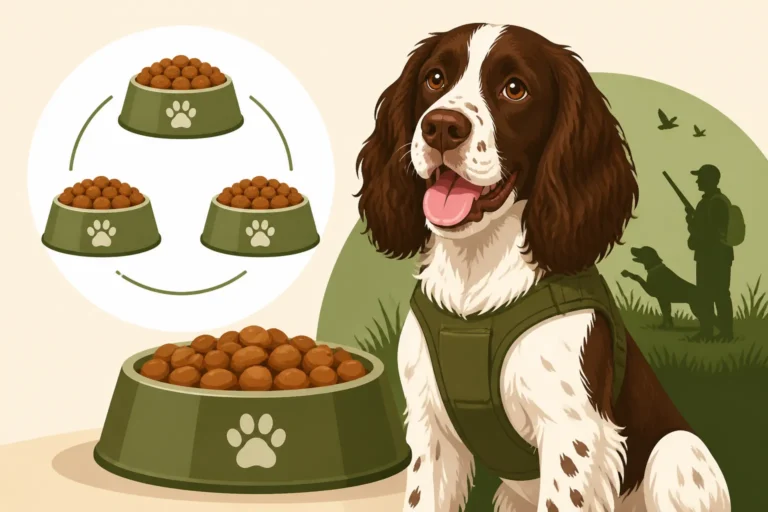
Their diet needs to support their activity level. A high-quality, protein-rich dog food, specifically formulated for active or working dogs, is usually recommended. Brands like Ollie or other performance formulas can provide the sustained energy and nutrients needed for muscle repair and recovery. Feeding smaller, more frequent meals can sometimes be better than one large meal to maintain energy levels and prevent digestive upset. A well-nourished and hydrated dog will have better stamina, a stronger immune system, and will recover more quickly from the rigors of a day in the field, ready for their next adventure.
Disclaimer
This article is for general informational purposes only and does not constitute professional advice. Laws, prices and regulations vary by location and change over time. Consult a qualified professional for guidance on your specific situation.