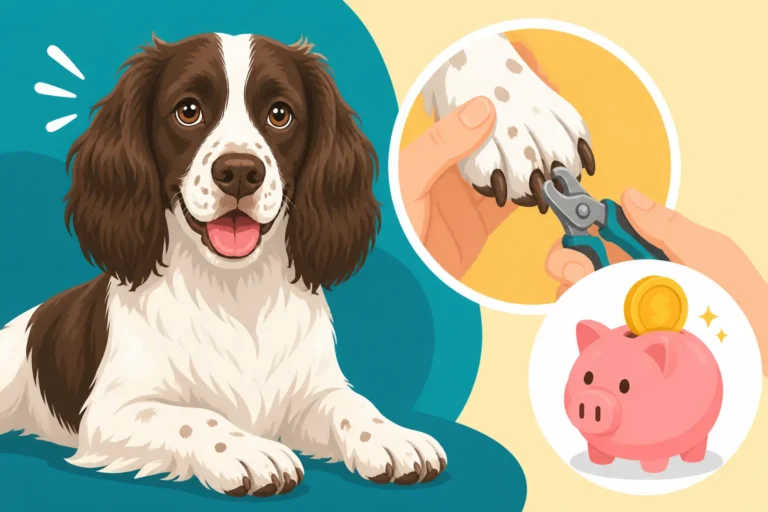
What a Springer Spaniel Owner Spends on Ear Care in a Decade
The reality of owning a beloved English Springer Spaniel often includes a fair share of ear woes. These charming dogs, with their long, pendulous ears, are incredibly susceptible to infections and chronic issues, which can be a source of constant frustration and financial strain for their owners. This guide aims to shed light on what a Springer Spaniel owner can realistically expect to spend on ear care over the course of a decade, covering everything from routine maintenance to serious surgical interventions.
The Inevitable Reality of Springer Spaniel Ear Care
It’s a tale as old as time for many Springer Spaniel enthusiasts: you bring home this adorable, energetic puppy, full of life and boundless enthusiasm, only to discover that their beautiful, silky ears are a magnet for trouble. It's not a matter of if your Springer will have an ear issue, but when – and often, how often.
Why Springer Spaniels Are Prone to Ear Issues
Let's face it, those gorgeous, floppy ears that give Springer Spaniels their endearing look are also their Achilles' heel. Unlike dogs with upright ears, the long, heavy ear flaps of a Springer Spaniel create a warm, dark, and often moist environment that's just perfect for bacteria and yeast to thrive. It’s like a little greenhouse for germs, trapping warmth and humidity and preventing proper air circulation. Add to that the hair growth within their ear canals, which further obstructs airflow and can trap debris, and you have a recipe for recurring problems.
Beyond the anatomy, the very nature of a Springer Spaniel contributes to their ear troubles. These are active dogs, bred to work in the field, plunging through brush, splashing in water, and sticking their noses into every interesting scent. All of this activity introduces foreign bodies, moisture, and allergens directly into their vulnerable ears. A quick dip in a pond, a run through tall grass, or even just a particularly humid day can set the stage for an infection. It's truly a constant battle to keep those ears healthy and dry, and it’s a frustration many owners know intimately. This is precisely Why a Springer Spaniel's Ears Are Never Quite Healthy, and understanding this inherent susceptibility is the first step toward effective management.
Initial Investment: Prevention and Early Treatment
When you first bring home your Springer Spaniel puppy, you're not usually thinking about chronic ear infections. But proactive care really does begin from day one. The initial investment in ear care is primarily focused on prevention and addressing minor issues before they escalate. This includes stocking up on good quality ear cleaning solutions, soft cotton balls or pads, and potentially a veterinarian-recommended drying solution, especially if your dog loves water. These preventative supplies are typically an ongoing household expense, much like their food or toys.
Regular veterinary check-ups also play a crucial role. A vet can show you the correct way to clean your dog’s ears, identify early signs of irritation, and confirm that the ear canals are healthy. If an infection does take hold, an early vet visit will involve an examination and often an ear cytology, where a swab of discharge is examined under a microscope to identify whether it's yeast, bacteria, or both. This initial diagnostic step is vital for prescribing the correct medication, which usually comes in the form of medicated ear drops. While these early interventions might seem small, they're the foundation of long-term ear health, and catching issues quickly can save you a lot of heartache and expense down the line. It's a sad truth that many Springer Spaniel owners will eventually find themselves asking How Often a Springer Spaniel Gets Ear Infections, and getting ahead of them is key.
Chronic Conditions: The Recurring Financial Strain
For many Springer Spaniel owners, ear problems aren't a one-off event. They become a chronic, recurring battle, evolving from simple infections into more complex issues that demand continuous vigilance and a significant financial commitment over the years.
Managing Frequent Ear Infections
Once your Springer Spaniel has had one ear infection, the chances are high that it won't be their last. Many owners find themselves caught in a disheartening cycle: an infection flares up, a vet visit leads to medication, the infection clears, only to return weeks or months later. Each time, it involves another vet appointment, another cytology to see if the bacteria or yeast have changed or developed resistance, and another round of sometimes expensive medicated ear drops or oral antibiotics. It's not uncommon for these rechecks to be necessary to ensure the infection has truly cleared, adding to the overall cost.
The emotional toll of constantly seeing your dog uncomfortable, shaking their head, or scratching at their ears is immense. You might find yourself dreading the tell-tale smell or redness that signals another flare-up. Over a decade, these recurring episodes can really add up. Imagine needing treatment four or five times a year for several years. That's a lot of vet bills and medication costs. Owners often rely on readily available pet supplies to keep their cleaning routine consistent, and online retailers like Chewy become indispensable for keeping those ear washes and preventative solutions in stock. The question of Whether a Springer Spaniel's Ear Infection Recurs is, unfortunately, often answered with a resounding "yes" for many of us.
The Cost of Allergy Investigations and Management
Often, chronic ear infections aren't just bad luck; they're a symptom of an underlying allergy. When recurrent infections become the norm, your vet might suggest investigating allergies, which adds another layer of complexity and cost to the equation. Allergy investigations can involve several steps, each with its own price tag. This might start with a food trial, which means feeding a novel protein or hydrolyzed protein diet for several weeks to rule out food allergies. Brands like Ollie, which offers fresh, limited-ingredient diets, might be considered if you're exploring dietary changes, though these premium foods often come at a higher price point than traditional kibble.
If food isn't the culprit, environmental allergy testing might be recommended. This can involve blood tests or intradermal skin testing, performed by a veterinary dermatologist. Once the allergens are identified, long-term management typically involves either allergen-specific immunotherapy (allergy shots or oral drops) or daily medications designed to control the itch and inflammation, such as Apoquel or Cytopoint injections. These treatments are often lifelong and represent a significant ongoing expense, separate from the cost of the infections themselves. It's a journey many owners undertake, understanding that addressing the root cause, such as Whether a Springer Spaniel's Ear Infection Is Allergy Driven, is crucial for their dog's comfort and long-term ear health, even if it means facing What a Springer Spaniel's Allergy Workup Costs.
Major Interventions: When Prevention Isn't Enough
Sometimes, despite your best efforts, the chronic ear issues in a Springer Spaniel can progress to a point where routine treatments and even allergy management are no longer enough. This is when the conversations turn towards more advanced diagnostics and, potentially, surgical solutions, leading to some of the most substantial financial outlays.
Advanced Diagnostics and Specialist Referrals
When your general practice veterinarian has exhausted their options for managing chronic ear infections, the next step is usually a referral to a veterinary specialist, typically a veterinary dermatologist. These specialists have advanced training and equipment to delve deeper into complex cases. A specialist consultation alone involves a higher fee than a regular vet visit. They might perform a thorough otoscopic exam using a video otoscope, allowing for a magnified view of the ear canal and eardrum, and even flushing and cleaning the ears under sedation.
Further diagnostics could include biopsies of the ear canal lining, deep bacterial cultures with sensitivity testing to find the most effective antibiotics, or even imaging like CT scans or MRIs to check for middle ear disease or other structural abnormalities that aren't visible with a standard scope. These advanced procedures are not inexpensive and represent a significant financial commitment. For owners who have already spent years battling recurrent infections, the decision to pursue a specialist often comes after much deliberation and worry, but it’s a necessary step when conventional treatments have failed. It's a tough pill to swallow, realizing that you'll need to know What a Dermatology Referral Costs a Springer Spaniel Owner on top of everything else.
Surgical Options: The High-Cost Solution
In the most severe and chronic cases, when medical management has failed completely, and the ear canal has become irreversibly damaged (often scarred, calcified, or narrowed), surgery becomes the only viable option to relieve the dog's pain and prevent further suffering. The most common major surgical procedure for chronic ear disease is a Total Ear Canal Ablation (TECA), often combined with a Bulla Osteotomy (TECA-BO). This surgery involves removing the entire ear canal and often the middle ear, redirecting drainage to the outside.
This is a complex, invasive, and expensive surgery requiring a board-certified veterinary surgeon. The cost encompasses the surgeon's fee, anesthesia, operating room time, hospitalization, pain management, and extensive post-operative care. While it can dramatically improve a dog's quality of life by eliminating chronic pain and infection, it's a huge decision, both emotionally and financially. Many owners have to weigh the substantial cost against their dog's well-being and their ability to pay. It’s a stark reminder of just What Ear Surgery Costs a Springer Spaniel Owner and why it's typically considered a last resort. This is where having pet insurance from a provider like Healthy Paws can be a literal lifesaver, potentially covering a significant portion of such a substantial, unexpected expense. For many, the choice might boil down to exploring Whether a Springer Spaniel Needs a Total Ear Canal Ablation or enduring continued suffering.
Long-Term Financial Planning for Ear Health
Understanding the potential costs associated with Springer Spaniel ear care isn't meant to scare you, but to empower you to plan ahead. Being prepared can alleviate a lot of stress when inevitable issues arise.
Budgeting for Ongoing Care
The reality is that ear care for a Springer Spaniel is rarely a one-and-done expense. It's a continuous line item in your pet budget. Even with excellent preventative care, occasional flare-ups are likely. Therefore, it's incredibly wise to set aside funds specifically for veterinary expenses. Think of it as a dedicated "ear savings account." This doesn't mean you need thousands of dollars liquid at all times, but having a buffer for unexpected vet visits, diagnostics, or a course of expensive medication can make a world of difference.
Consistent, proactive care is your best defense against those massive, unexpected bills. Regularly cleaning ears, promptly addressing any signs of irritation, and maintaining your dog's overall health (including managing any underlying allergies) can help prevent minor issues from spiraling into chronic, costly problems. While the costs over a decade can seem daunting when viewed in total, they are typically spread out, with preventative measures being a small, steady trickle, and major interventions being infrequent, significant spikes. Making a habit of Setting Money Aside for a Springer Spaniel's Vet Bills is one of the most responsible things you can do as an owner.
The Role of Pet Insurance
For many Springer Spaniel owners, especially those with dogs prone to health issues like chronic ear infections, pet insurance can be a valuable tool to help manage costs. While it's another monthly expense, it can provide immense peace of mind, particularly if your dog faces a major, costly problem like advanced diagnostics or ear surgery. Different insurance plans offer varying levels of coverage, deductibles, and reimbursement rates, so it’s essential to do your homework. Some plans might cover routine preventative care, while others focus on accidents and illnesses.
It's crucial to understand how pre-existing conditions are handled. If your Springer Spaniel already has a history of ear infections before you enroll them in an insurance plan, those specific issues might be excluded from coverage. This is why enrolling a young, healthy puppy is often recommended. Pet insurance providers, such as Healthy Paws, can offer different tiers of coverage that might help with the expense of recurring treatments or a catastrophic event like a TECA surgery. Investigating What Insuring a Springer Spaniel Runs and particularly Whether Insurance Covers a Springer Spaniel's Ears is a vital step in financial planning for your dog's long-term health.
Estimated Decade-Long Ear Care Costs
While it's impossible to give exact figures due to varying veterinarian fees, medication costs, and individual dog needs, here’s a general idea of the types of expenses you might incur over a decade for your Springer Spaniel's ear care. Remember, these are broad categories, and specific prices will differ widely.
| Category | Frequency | Typical Services/Items Included | Financial Impact (Qualitative) |
|---|---|---|---|
| Preventative & Routine | Weekly to Monthly | Ear cleaning solution, cotton pads, drying solution, routine ear checks during annual vet visits. | Low, ongoing |
| Minor Infections | 1-4 times per year | Vet exam, ear cytology, medicated ear drops (antibiotic/antifungal), recheck exams. | Moderate, recurring |
| Chronic/Recurring Issues | 2-6 times per year for years | Multiple vet exams, repeated cytologies, courses of various ear medications, oral antibiotics, anti-inflammatory drugs. | Moderate-High, consistent |
| Allergy Investigation | Once (or as needed) | Allergy blood tests, intradermal skin testing, food trials (premium food costs). | High, one-time or spread out |
| Allergy Management | Monthly/Quarterly (lifelong) | Immunotherapy (shots/drops), Apoquel, Cytopoint injections, specialized prescription diets. | Moderate-High, ongoing |
| Specialist Referral | Infrequent, as needed | Consultation with veterinary dermatologist, advanced otoscopy, deep cultures, sedation for ear flushing. | High, episodic |
| Advanced Diagnostics | Infrequent, as needed | CT/MRI scans for middle ear disease, biopsies, further lab work. | Very High, episodic |
| Surgical Intervention | Very rare (last resort) | Total Ear Canal Ablation (TECA), Bulla Osteotomy, anesthesia, hospitalization, post-op care, pain medication. | Extremely High, one-time |
In conclusion, owning an English Springer Spaniel is a truly rewarding experience, but it comes with the understanding that those wonderful, floppy ears will likely require consistent attention and financial investment over their lifetime. By being proactive with preventative care, promptly addressing any signs of trouble, and planning financially for both routine and potential major expenses, you can ensure your beloved companion lives a comfortable, healthy, and happy life, free from the persistent discomfort of ear issues.
Disclaimer
This article is for general informational purposes only and does not constitute professional advice. Laws, prices and regulations vary by location and change over time. Consult a qualified professional for guidance on your specific situation.