Whether a Springer Spaniel Can Be Clipped Short
Many Springer Spaniel owners, especially when faced with a heavily matted coat, endless shedding, or a dog struggling in the summer heat, often wonder if clipping their beloved companion short is the ultimate solution. While the idea of a low-maintenance, cool, and tidy coat is incredibly appealing, a short clip can dramatically impact a Springer's natural coat function and overall well-being in ways you might not expect. This guide will explore the implications of clipping a Springer Spaniel short, helping you understand the pros, cons, and more beneficial alternatives for coat care.
The Lure of the Short Clip: Why Owners Consider It
It's completely understandable why many Springer Spaniel owners are drawn to the idea of a short clip. These dogs are active, often adventurous, and their beautiful coats, while striking, can be a magnet for dirt, debris, and tangles. When life gets busy, or the weather turns challenging, a short haircut seems like a quick fix to many common grooming woes.
Seeking Convenience and Comfort: Hot Weather and Active Lifestyles
Let's be honest, cleaning up a muddy, burr-laden Springer Spaniel after a romp in the woods is a chore. The thought of simply hosing down a dog with a short coat and having it dry quickly is incredibly tempting. For those living in warmer climates, or with exceptionally active dogs who spend a lot of time outdoors, a short clip might seem like the most compassionate choice to keep them cool. Many believe that shedding would be reduced, or that a shorter coat would somehow make their dog more comfortable during intense exercise or humid summer days. This desire for practicality often outweighs the deeper understanding of the coat's natural purpose.
Imagine a scorching August day, and your energetic Springer, Whether a Field Springer Spaniel Is Too Much for a Family, is panting heavily after even a short walk. You might instinctively think, "If only I could shave all that hair off, they'd be so much cooler!" This sentiment is a common driver behind the decision to clip, fueled by a natural desire to alleviate discomfort and simplify daily life. The vision of a streamlined, athletic dog zipping through tall grass without collecting a single burr is a powerful one for many.
Tackling Matting and Debris: A Common Frustration
Springer Spaniels are renowned for their lovely feathering, particularly on their legs, chest, and belly. While gorgeous, this longer hair is a magnet for everything from burrs and twigs to mud and snow. Within hours of an adventure, a clean, brushed coat can transform into a tangled mess. For owners struggling with persistent matting, especially behind the ears or in the armpits, clipping the coat short often feels like the only viable solution. It's a battle many owners face, and the frustration of spending hours de-matting a dog, only for it to happen again the next day, can push even the most dedicated owner towards the clippers.
Consider a show-bred Springer Spaniel, known for its abundant feathering. You take them for a quick walk through a field, and suddenly, they're covered in tenacious burrs, clinging tightly to every strand of long hair. Removing these can be a painful, time-consuming ordeal for both you and your dog. It's in moments like these that the allure of a very short, uniform clip becomes incredibly strong, offering a seemingly instant reprieve from the constant fight against debris and knots. The Feathering a Show Springer Spaniel Drags Through Everything is a topic that resonates deeply with owners who spend more time grooming than playing.
Misconceptions About "Easy Care" Coats
A significant reason owners opt for a short clip is the belief that it will create an "easy care" coat. The assumption is that less hair equals less shedding, less grooming, and fewer problems. This isn't always the case, and can lead to new, unexpected issues. While a freshly clipped Springer certainly requires less brushing initially, the regrowth can often be coarser, more prone to matting, and may not shed out as effectively as the natural coat. The convenience sought through clipping can sometimes be short-lived, replaced by a different set of coat challenges down the line.
Many people also assume that a short coat provides better protection against fleas and ticks, or that it means their dog won't get as hot. In reality, the natural double coat provides a protective barrier against insects and helps regulate body temperature much more efficiently than a very short, uniform clip. The expectation of an "easy care" coat is often based on human preferences for short hair, rather than an understanding of a dog's physiological needs.
Understanding the Springer Spaniel Coat: More Than Just Hair
Before reaching for the clippers, it's crucial to understand the intricate design and purpose of a Springer Spaniel's coat. It's not just decorative; it's a vital part of their anatomy, evolved over generations to protect them in various environments.
The Double Coat: Purpose and Structure
Springer Spaniels possess a double coat, a characteristic shared by many working breeds. This consists of two distinct layers: a soft, dense undercoat for insulation, and a coarser, water-repellent outer coat (often called guard hairs) that protects against the elements. The undercoat keeps them warm in winter and acts as a natural insulator against heat in summer, allowing air circulation close to the skin. The outer coat sheds water, deflects thorns, and shields the skin from UV radiation. When you clip a Springer short, you disrupt this natural architecture, often removing both layers indiscriminately.
This double-layer system is a marvel of natural engineering. The coarse outer coat acts like a protective shield, allowing water, dirt, and light debris to roll off rather than penetrate to the skin. Meanwhile, the fluffy undercoat traps a layer of air, creating an insulating buffer. This means in winter, that trapped air stays warm, and in summer, it helps dissipate heat, keeping the dog's core temperature stable. Removing these layers without understanding their function can leave a dog more vulnerable, not less.
How Clipping Differs from Traditional Grooming
Traditional grooming for a Springer Spaniel focuses on maintaining the integrity of this double coat. This typically involves techniques like hand-stripping, trimming, and scissoring. Hand-stripping removes dead outer coat hairs from wire-haired breeds (though Springers aren't wire-haired, this term is sometimes misused for plucking dead undercoat), while scissoring and thinning shears are used to neaten and thin out feathering, remove dead undercoat, and maintain a tidy outline without compromising the protective guard hairs. A professional groomer who understands the breed's coat type will work with the natural growth pattern to keep the coat healthy and functional.
Conversely, clipping involves using electric clippers to cut the hair to a uniform, often very short, length. This method cuts through both the harsh outer coat and the softer undercoat. While it achieves an immediate short appearance, it bypasses the natural shedding cycle, leaving behind blunt-cut hairs that can grow back differently. Think of it like pruning a hedge versus carefully shaping a bonsai tree – both are forms of cutting, but with vastly different outcomes and respect for the natural growth. You can learn more about specific techniques in Trimming a Springer Spaniel's Feathering or Whether a Springer Spaniel Should Be Hand Stripped.
The Unique Needs of Field vs. Show Coats
The two distinct types of Springer Spaniel – field-bred and show-bred – have notably different coats, and therefore different grooming needs. Field-bred Springers tend to have a shorter, denser, and coarser coat with less profuse feathering, bred for practicality in dense cover. Their coats are generally lower maintenance but still benefit from regular brushing and tidying to prevent matting and remove debris. Show-bred Springers, on the other hand, are often bred for a more abundant, silkier, and longer coat with extensive feathering to meet breed standards. This coat requires far more intensive grooming, including regular brushing, stripping, and scissoring to prevent matting and maintain its pristine appearance.
When considering a short clip, it's crucial to recognize these differences. Clipping a field-bred Springer might have less noticeable immediate impact on texture simply because their natural coat is already coarser and less voluminous. However, for a show-bred Springer, the alteration can be dramatic, fundamentally changing the characteristic look and feel of their coat. How a Show Springer Spaniel's Coat Differs highlights just how much variation there is within the breed, and why a one-size-fits-all approach to grooming doesn't work. Whether a Field Bred Springer Spaniel Needs Grooming also offers insight into the practical considerations for the more utilitarian coat.
What Happens When You Clip a Springer Short: The Realities
Deciding to clip your Springer Spaniel short has more profound implications than just a new look. It can fundamentally alter the nature of their coat and its ability to protect them.
Altering Coat Texture and Regrowth
One of the most immediate and noticeable effects of clipping a double-coated breed like a Springer Spaniel is the change in coat texture. When you cut the coarser guard hairs, you don't remove them from the follicle; you simply shorten them. The softer undercoat, however, often grows faster, leading to a situation where the undercoat dominates the regrowth. This can result in a coat that feels softer, more cottony, and often duller than the original. This new texture is typically more prone to matting and can become quite dense and plush, creating new challenges for air circulation and drying.
Imagine running your hand over a freshly clipped Springer Spaniel. It might feel smooth and soft initially. But as the coat grows back, you might notice it feels more like felt, especially if the undercoat has overgrown the guard hairs. This altered texture can make future grooming more difficult, as the new coat might tangle more easily and hold debris even more stubbornly than before. It’s a bit like getting a perm on hair that was naturally straight; the chemical process changes the fundamental structure, and it often doesn't revert to its original state easily.
Compromising Natural Protection
The double coat of a Springer Spaniel is designed to offer natural protection against a variety of environmental factors. The outer guard hairs act as a barrier against UV radiation, helping to prevent sunburn and skin cancer. They also provide a physical shield against thorns, brambles, and insect bites. The undercoat, as discussed, provides insulation. When you clip the coat short, you strip away both these protective layers. This leaves the delicate skin exposed to the sun's harsh rays, increasing the risk of sunburn and long-term skin damage, especially on lightly pigmented areas. It also reduces their natural defense against scrapes, cuts, and insect activity in tall grass or dense cover.
Think about a hot summer day. Without their natural double coat, a clipped Springer Spaniel's skin is directly exposed to the sun. This isn't just uncomfortable; it's a health risk. Furthermore, that close-cut coat no longer effectively deflects water or mud. Instead, it can soak right through to the skin, potentially leading to dampness and skin issues. It's a bit like wearing only a thin t-shirt in harsh weather when you really need a full protective suit. The very thing designed to help them thrive in the outdoors has been compromised.
Increased Risk of Skin and Sun Issues
With the natural protective layers gone, a clipped Springer Spaniel's skin becomes much more vulnerable. Sunburn is a real concern, particularly for dogs with lighter coats or pink skin. Just like humans, dogs can develop painful sunburns that can lead to more serious conditions over time. Beyond sunburn, the altered coat can also impact skin health in other ways. The dense, cottony regrowth can trap moisture against the skin, creating a warm, damp environment ripe for bacterial or fungal infections, leading to painful hot spots or dermatitis.
Imagine a Springer who loves to swim, now with a clipped coat. Instead of water rolling off and the outer coat drying quickly, the water soaks directly to the skin, and the dense, blunt-cut undercoat takes much longer to dry. This prolonged dampness can irritate the skin, leading to itching, redness, and a greater likelihood of developing infections. The Skin Under a Springer Spaniel's Coat is a delicate ecosystem that relies on the natural coat for its health. A change in coat structure can throw this balance completely off, leading to discomfort and costly vet visits.
Beyond the Aesthetic: Potential Health and Comfort Impacts
The decision to clip a Springer Spaniel short extends beyond just how they look; it can genuinely impact their physical health and comfort in the long run. Many owners are surprised by the unexpected health consequences that can arise from altering their dog's natural coat.
Skin Irritations and Hot Spots
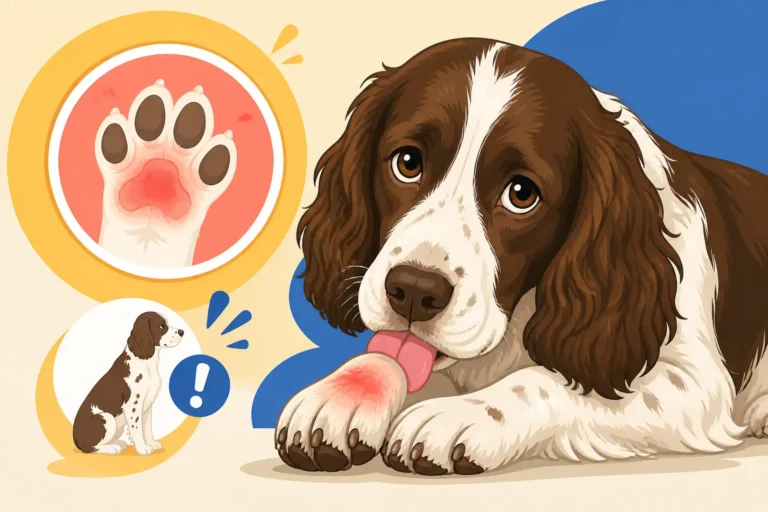
As mentioned, removing the protective outer coat can leave the skin vulnerable to irritation. This can manifest as generalized itchiness, redness, or even specific localized skin infections known as "hot spots." Hot spots are acute moist dermatitis, characterized by rapid onset, intense itchiness, and oozing lesions. The altered coat structure, which can trap heat and moisture, creates an ideal breeding ground for these issues. Dogs might lick or chew at the irritated areas, making the problem worse and creating a cycle of discomfort and infection.
Consider a clipped Springer Spaniel romping through allergen-laden grass. Without the natural barrier of their coat, pollens and other irritants can more easily reach the skin, triggering allergic reactions. The subsequent scratching can quickly escalate to hot spots. These painful, inflamed patches often require veterinary intervention, including antibiotics, anti-inflammatory medications, and diligent cleaning, adding unexpected costs and stress. Products found on sites like Chewy or Amazon might help with general skin health, but treating a full-blown hot spot often needs professional guidance. Hot Spots Under a Springer Spaniel's Feathering offers more insights into this common issue.
Loss of Insulation: Both Heat and Cold
Contrary to popular belief, a double coat helps regulate a dog's body temperature in both hot and cold weather. In cold conditions, the dense undercoat traps warm air, providing insulation against the chill. In warm conditions, the coat acts as a barrier against direct sun, and the natural air circulation within the layers helps to dissipate heat. When clipped short, this natural insulation is compromised. In winter, dogs may feel colder and require sweaters or coats. In summer, they can overheat more easily because their natural defense against direct sun and heat has been removed, making them more susceptible to heatstroke.
Imagine your Springer Spaniel, usually resilient in various temperatures, now shivering on a cool autumn morning after being clipped. Or conversely, struggling to cool down on a mildly warm day because their skin is directly absorbing the sun's heat without the insulating layer. The coat is a sophisticated climate control system, and clipping it disrupts this balance, potentially making your dog less comfortable in a wider range of temperatures than before.
Managing Allergies and Underlying Skin Conditions
For Springer Spaniels prone to allergies or other underlying skin conditions, clipping can sometimes complicate matters. While some owners might hope a shorter coat makes it easier to spot skin issues, it also removes a natural barrier that might have provided some protection against environmental allergens. If a dog has sensitive skin or a condition like seborrhea, the abrupt change in coat structure and exposure can sometimes exacerbate symptoms. Furthermore, if a dog is already itchy due to allergies, the altered coat can feel strange and prickly during regrowth, leading to increased scratching and self-trauma.
If your Springer Spaniel suffers from Whether a Springer Spaniel Gets Skin Allergies, a clipped coat might not be the solution you're hoping for. In fact, it could make topical treatments harder to apply uniformly or lead to more direct exposure to the very irritants causing the allergies. A veterinarian or a specialized veterinary dermatologist might recommend specific shampoos or supplements, often available through retailers like Chewy, but these work best when paired with a healthy, intact coat structure.
Effective Alternatives to the Buzz Cut: Maintaining a Healthy Coat
If you're struggling with your Springer Spaniel's coat, a short clip isn't your only option, and it's rarely the best one. There are numerous effective methods to manage their grooming needs while preserving the health and function of their beautiful coat.
Regular Brushing and De-matting Strategies
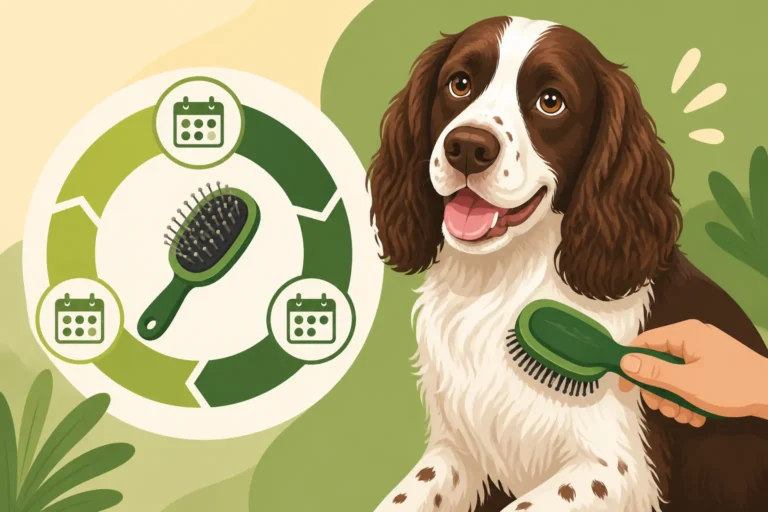
Consistent, thorough brushing is the cornerstone of healthy coat maintenance for a Springer Spaniel. This means dedicating time several times a week, or even daily for show-type coats, to work through tangles, remove loose hair, and prevent mats from forming. Tools like slicker brushes, undercoat rakes, and wide-toothed combs are invaluable. For stubborn mats, special de-matting tools or a mat splitter can be used carefully to break them apart without resorting to clipping. The key is to be proactive and address tangles as they appear, rather than letting them grow into large, unmanageable mats.
Think of brushing as preventive medicine for the coat. By removing dead undercoat regularly, you not only prevent matting but also promote better air circulation, which helps keep the skin healthy and cool. Regular brushing can also significantly reduce shedding in the house. For specific areas prone to matting, like behind the ears or in the armpits, a quick daily comb-through can save hours of work later. There are many effective grooming tools and shampoos for specific coat types available on Amazon that can make this routine easier.
Professional Grooming: Scissoring and Hand-stripping
For those who find coat maintenance overwhelming, a professional groomer experienced with Springer Spaniels can be a lifesaver. Instead of clipping the entire coat short, a skilled groomer will employ techniques like scissoring and judicious use of thinning shears to tidy up the feathering, thin out dense areas, and maintain a neat, functional length without compromising the protective outer coat. This approach preserves the natural texture and function of the coat while still making it much more manageable for an active dog or busy owner.
Hand-stripping, while not common for all Springers and sometimes misunderstood, is another technique that removes dead hair from the follicle, allowing for new, healthy coat to grow in with its natural texture and color. While more time-consuming, it can be excellent for maintaining coat health and texture, especially for show dogs or those with particularly thick, dead undercoat. Even if hand-stripping isn't for you, finding a groomer who understands Two Coats, Two Routines: Field and Show Springer Spaniel Grooming is crucial. They can offer a tailored approach that leaves your dog looking sharp and feeling comfortable, all while protecting their skin and coat.
Environmental Management and Protective Gear
Sometimes, the best solution isn't to alter the dog's coat, but to manage their environment and provide appropriate protective gear. If your Springer frequently comes home laden with burrs, consider investing in a protective vest, especially for dense cover. After walks, a thorough Whether a Springer Spaniel Needs a Post Hunt Check Every Time to remove debris, including Burrs, Ticks and Grass Awns in a Working Springer Spaniel, is essential. For water lovers, ensuring ears are properly dried after swimming is vital to prevent infections.
| Feature | Short Clipping (Full Body) | Traditional Grooming (Scissoring/Thinning) |
|---|---|---|
| Initial Appearance | Uniformly short, often plush | Neat, tidy, preserves natural outline |
| Coat Texture | Often softer, cottony, duller, more prone to matting | Maintained natural texture (harsh outer, soft under) |
| Protective Function | Significantly reduced (sun, thorns, insects) | Maintained and enhanced |
| Insulation (Heat/Cold) | Compromised | Maintained |
| Skin Exposure | High (increased risk of sunburn, irritation) | Low (natural barrier intact) |
| Drying Time | Can be longer due to dense undercoat regrowth | Faster for water-repellent outer coat |
| Shedding | Can initially seem reduced, but may "blow" undercoat later | Consistent removal of dead hair reduces shedding |
| Grooming Frequency | Seems less frequent, but regrowth issues can require more | Regular brushing, professional every 6-8 weeks |
For dogs who spend a lot of time outdoors or working, protecting their coat from external elements can prevent many of the issues that lead owners to consider a full clip. A drying coat after a wet day, or even a simple snood while eating to keep those beautiful long ears out of the food bowl, can make a huge difference in overall coat health and cleanliness. Water Work and What It Does to a Springer Spaniel's Ears also reminds us that preventive care goes beyond just brushing.
Making the Best Decision for Your Springer: A Holistic Approach
Ultimately, the goal is to ensure your Springer Spaniel is happy, healthy, and comfortable. Making an informed decision about their grooming involves considering multiple factors, not just convenience or aesthetics.
Consulting with Experienced Groomers and Vets
Before making any drastic changes to your Springer's coat, it's always best to consult with professionals. An experienced groomer who understands the breed will be able to assess your dog's coat type, condition, and lifestyle, and recommend the most appropriate grooming techniques. They can also demonstrate how to properly brush and maintain the coat between professional visits. If you have concerns about skin issues or overheating, your veterinarian can offer medical advice, rule out underlying health problems, and discuss strategies to keep your dog comfortable and healthy. They can also explain the potential impact of clipping on The Skin Under a Springer Spaniel's Coat.
Many vets and groomers have seen the consequences of inappropriate clipping on double-coated breeds and can provide valuable insights. They might suggest dietary changes, such as those offered by services like Ollie, or specific supplements to improve skin and coat health, reducing the need for extreme measures. Don't underestimate the wealth of knowledge these professionals hold – they're there to help you make the best choices for your dog.
Considering Your Dog's Lifestyle and Specific Needs
Your Springer Spaniel's individual lifestyle should heavily influence grooming decisions. A working field dog who spends hours crashing through dense cover will have different needs than a pampered show dog or a beloved pet who primarily enjoys leisurely walks in the park. Factors like how much time they spend outdoors, their propensity for rolling in mud, their activity level, and any specific health concerns (like allergies or joint issues that make grooming painful) all play a role. A tailored grooming plan that takes these into account will always be more effective than a generic approach.
For instance, if your Springer is a seasoned hunter, their coat needs to protect them from the elements and minimize entanglement. A very short clip might expose them to cuts and scratches they wouldn't normally get. Conversely, a less active pet might still benefit from judicious trimming of feathering to reduce shedding in the house without sacrificing coat integrity. Understanding your dog's daily life is key to making the right grooming choices.
Long-term Commitment to Coat Health
Caring for a Springer Spaniel's coat is a long-term commitment. It's not about finding a one-time fix but establishing a consistent routine that promotes health and comfort throughout their life. This might involve regular brushing at home, scheduled professional grooming appointments, and being proactive about addressing mats and debris. Investing in good quality grooming tools from retailers like Amazon or Chewy, and learning proper techniques, empowers you to take better care of your dog.
Ultimately, preserving the natural beauty and function of your Springer Spaniel's coat is a rewarding endeavor. Their coat is a vital part of who they are – a testament to their heritage as versatile working dogs. By understanding its purpose and committing to proper care, you ensure your Springer not only looks their best but also feels their best, ready for any adventure you share together.
Disclaimer
This article is for general informational purposes only and does not constitute professional advice. Laws, prices and regulations vary by location and change over time. Consult a qualified professional for guidance on your specific situation.