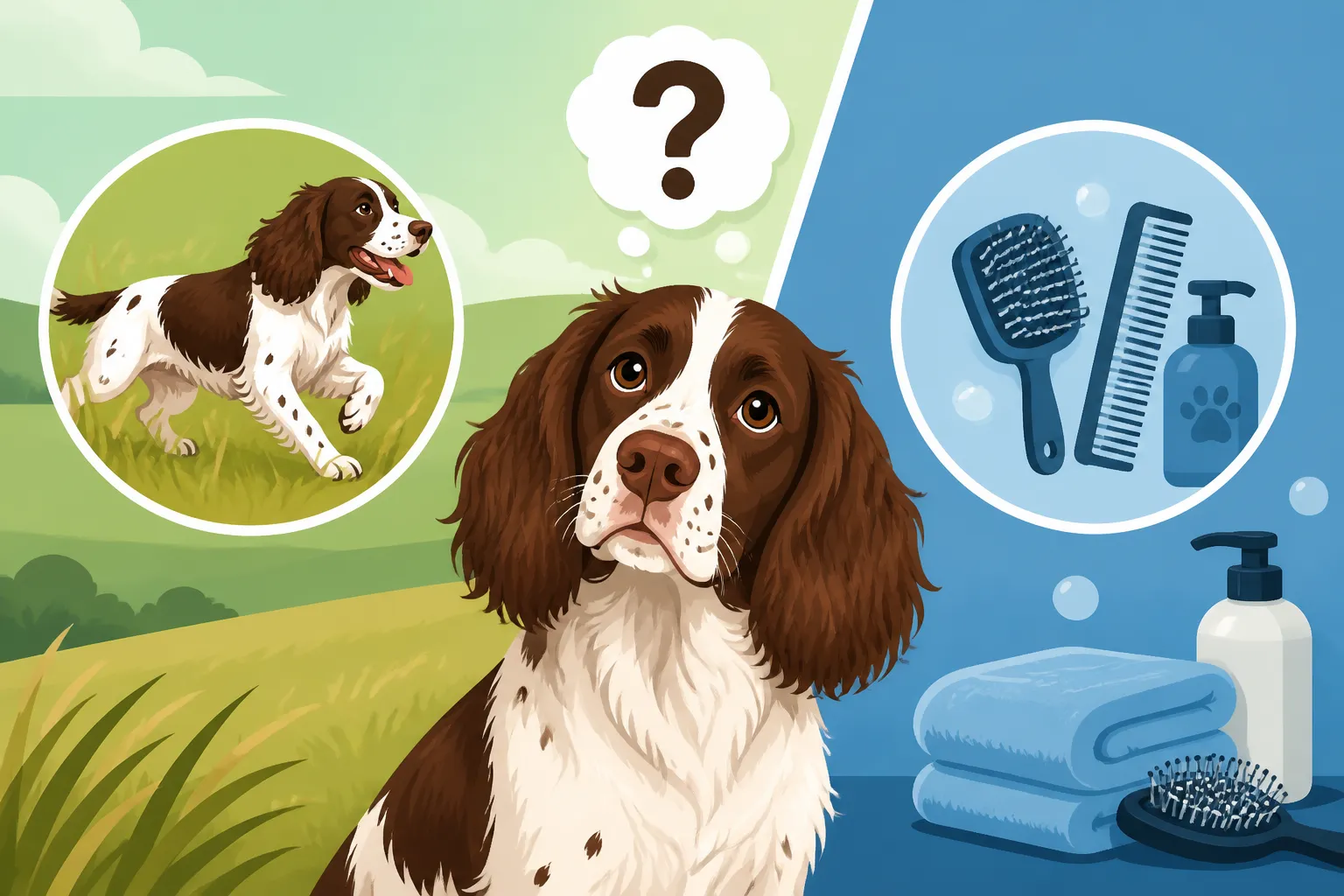
Whether a Field Bred Springer Spaniel Needs Grooming
It's a common misconception, isn't it? You get a field-bred English Springer Spaniel, known for their athleticism and a slightly less opulent coat than their show-bred cousins, and you might think grooming will be a breeze – a quick brush here and there, and they're good to go. The reality, however, is that even the most efficient, purpose-built working coat still demands dedicated care to keep your dog healthy, comfortable, and performing at their best. This guide will dive deep into the specific grooming needs of a field-bred Springer, debunking myths and offering practical advice to keep your active companion in tip-top shape.
Understanding the Field Bred Springer Spaniel Coat
When you look at a field-bred Springer Spaniel, you see a dog built for action, for pushing through brambles and cover, and for long days in the field. Their coat isn't just for show; it's a piece of functional equipment, perfectly adapted for their job.
The Purpose-Driven Design of a Working Coat
Unlike the luxurious, flowing coats often seen on show Springers, the field-bred variety typically sports a shorter, denser, and somewhat coarser coat. This isn't a stylistic choice; it's a practical necessity. This coat acts as natural armor, designed to protect them from the elements and the rigors of hunting. Think about the thick undergrowth, sharp branches, and cold, wet conditions they often navigate – their coat needs to be robust. It’s their first line of defense against cuts, scrapes, and environmental hazards.
The texture and density mean that while it might not "collect" as much debris as a show coat, it certainly isn't maintenance-free. It's built to shed water and dirt, which it does admirably, but it still requires human intervention to prevent issues. Understanding this fundamental difference is key to appreciating why their grooming needs, though different, are just as important as their show-bred counterparts. It’s about functionality and well-being, not just aesthetics.
Texture and Density: What Makes it Different
The field Springer's coat is typically a double coat, consisting of a softer, insulating undercoat and a tougher, water-resistant outer coat. This combination offers excellent protection against cold and wet weather, which is crucial when working in varied outdoor conditions. The outer coat, often described as having a somewhat "wiry" or "crisp" feel, helps shed water and prevents burs and stickers from penetrating easily. The undercoat, while protective, is also the culprit behind seasonal shedding and can lead to matting if not managed.
This density, particularly around the ears, chest, and feathering on the legs, can create areas where moisture and debris can become trapped. It might not be as prone to extensive matting as a longer, silkier coat, but small, tight mats can still form, especially in friction points. These hidden mats can become surprisingly painful if left unattended, pulling on the skin and creating hot spots. The differences in How a Field Springer Spaniel's Coat Differs really dictate a unique grooming approach.
How the Coat Protects in the Field
Imagine your Springer plunging through a thicket, chasing a flush, or making a retrieve through icy water. Their coat is performing multiple protective functions. Firstly, it offers thermal insulation, keeping them warm in cold water or chilly winds. Secondly, its water-repellent properties minimize saturation, helping to prevent hypothermia. Lastly, and perhaps most importantly from a physical grooming perspective, it provides a barrier against physical injury.
Thorns, sharp branches, and rough terrain are par for the course in a working dog's life. The coat's thickness and resilience reduce the likelihood of superficial cuts and abrasions. However, no coat is impenetrable. Burrs and seeds can still latch on, and the dense undercoat can sometimes allow debris to become embedded, creating skin irritation if not promptly removed. This protective function means you, as the owner, have a vital role in ensuring that armor remains intact and effective.
Essential Grooming for Health, Not Just Looks
While a field-bred Springer might not need the elaborate styling of a show dog, their grooming routine is far from optional. It's fundamental to their health and comfort, directly impacting their ability to work and enjoy life.
Brushing: More Than Just Removing Loose Hair
Regular brushing is paramount for a field-bred Springer, even if they don't have extensive feathering. It's not just about aesthetics; it's a health-driven activity. Brushing helps distribute natural oils, keeping the skin healthy and the coat conditioned. More critically, it removes loose undercoat, which, if left to accumulate, can trap dirt, debris, and moisture, leading to skin irritation and mats. A good session with a slicker brush and an undercoat rake can prevent many problems before they start.
For an active dog, brushing also serves as a vital 'health check'. As you run your hands over your dog with the brush, you're feeling for any lumps, bumps, hidden cuts, or tender spots that might indicate an injury or a tick. This tactile examination is especially important after days spent in dense cover. A thorough brush-out several times a week, or even daily during shedding seasons, can save you a lot of trouble down the line. It's a proactive measure against skin issues and discomfort. You can find quality brushes and combs at retailers like Chewy, which makes it easy to stock up on all your grooming essentials.
Preventing Mats and Tangles in Active Dogs
Despite having a shorter coat than their show counterparts, field Springers are absolutely susceptible to matting, especially in high-friction areas. Common culprits include behind the ears, in the armpits, on the insides of the hind legs, and where the harness or collar rubs. These mats can be insidious, starting small and quickly tightening into painful knots that pull on the skin. They can also hide parasites or skin infections, preventing air from reaching the skin.
Prevention is always better than cure. Regular, thorough brushing, as discussed, is your best defense. If you find a small tangle, gently work it out with a detangling spray and a comb, always working from the ends towards the skin. Never pull harshly, as this can be painful for your dog. For more stubborn mats, a mat splitter or blunt-nosed scissors can be used with extreme caution, always pointing away from the skin. Addressing these promptly ensures your dog remains comfortable and avoids painful veterinary visits for shaving down severe matting.
The Critical Role of Paw and Pad Care
A field Springer's paws are their primary tools for navigating rough terrain. Neglecting their care can lead to painful issues that sideline your dog. This includes keeping the hair trimmed between their paw pads, checking for cuts or abrasions, and keeping nails at an appropriate length. Long hair between the pads can collect dirt, burrs, ice, or even create traction issues, leading to splayed toes or discomfort. It also creates a breeding ground for yeast or bacterial infections if it stays damp.
After every outing, especially in muddy, sandy, or snowy conditions, check your Springer's paws thoroughly. Look for thorns, small cuts, or excessive wear on the pads. Keeping their nails trimmed is also crucial; overgrown nails can affect their gait, cause pain, and even lead to splayed feet or torn nails. Many owners trim nails weekly or bi-weekly. Knowing What a Springer Spaniel's Nail Trim Costs is good, but learning to do it yourself can be a significant cost-saver and more convenient for frequent maintenance.
The Seasonal and Situational Demands of a Field Coat
A field Springer's coat is dynamic, changing with the seasons and requiring specific attention depending on the activities your dog undertakes. Adapting your grooming routine to these demands is essential.
Managing Seasonal Shedding and Undercoat
Like many double-coated breeds, field-bred Springers shed. They typically have two major "blows" of their coat each year – in spring to prepare for warmer weather, and in autumn to grow in a denser winter coat. During these periods, you'll notice a significant increase in loose hair around your home and on your dog. This isn't just an annoyance; it's a critical time for grooming. If the old undercoat isn't removed, it can trap heat, prevent proper air circulation to the skin, and quickly form dense mats, especially if it gets wet.
During these shedding cycles, daily brushing with an undercoat rake or a deshedding tool becomes indispensable. These tools are designed to pull out the loose, dead undercoat without damaging the healthy topcoat. This routine helps to manage the mess in your home, but more importantly, it allows your dog's coat to function optimally, providing insulation when needed and allowing for cooling airflow when temperatures rise. It’s also a good time to check for skin conditions that might be hidden by the thick fur.
Post-Excursion Checks: Burrs, Ticks, and Debris
For a field Springer, every outdoor adventure, particularly those involving long grass, woods, or thick cover, necessitates a thorough post-excursion check. This isn't just a recommendation; it's a non-negotiable part of their care. Burrs, foxtails, grass awns, seeds, and twigs can become deeply embedded in their coat, especially in the feathering on their legs and belly, or even work their way into ears and paw pads. These can cause intense irritation, skin infections, or even serious internal problems if they migrate.
Ticks are another major concern. These parasites can transmit various diseases, and finding and removing them promptly is crucial. Run your hands meticulously over your dog's entire body, paying close attention to "warm" areas like the ears, armpits, groin, and between the toes. A fine-toothed comb can help dislodge smaller debris. This is precisely where knowledge of Burrs, Ticks and Grass Awns in a Working Springer Spaniel becomes invaluable. A quick, systematic check after every outing can prevent a minor nuisance from becoming a significant health issue.
Water Work and Its Impact on Skin and Coat
Springers love water. Whether it's a training session in a pond, a retrieve from a stream, or a dip in the lake on a hot day, they'll seize the opportunity. While their coat is designed to be water-resistant, frequent exposure to moisture, especially without proper drying and cleaning, can lead to problems. Constant dampness can create a moist environment ideal for bacterial or yeast overgrowth on the skin, leading to rashes, hot spots, or recurring ear infections.
After any water work, it's crucial to thoroughly dry your Springer, paying extra attention to their ears. Those lovely drop ears can trap moisture, making them prone to infections. Using a clean towel to absorb as much water as possible and allowing them to air dry in a warm, dry spot (or using a low-heat blow dryer, if your dog tolerates it) is key. An ear-drying solution can also be beneficial, especially if your dog is prone to ear issues. This preventative measure is a fundamental aspect of Drying a Springer Spaniel's Ears After Swimming and maintaining ear health.
Tools and Techniques for the Field Springer Owner
Having the right tools and knowing how to use them effectively can make all the difference in managing your field Springer's coat. You don't need a professional grooming kit, but a few key items are indispensable.
Essential Brushes and Combs for a Working Coat
For a field Springer, your arsenal should be focused on efficiency and effectiveness in removing debris and loose undercoat. A good quality slicker brush is excellent for general brushing and detangling superficial mats. Pair this with a sturdy metal comb, which is perfect for working through deeper tangles, checking for mats, and tidying up feathering. A Greyhound comb with both wide and fine teeth is particularly versatile.
An undercoat rake is another must-have, especially during shedding seasons. These tools have widely spaced teeth designed to pull out the loose undercoat without cutting the guard hairs. For finer work, like around the ears or for stubborn small mats, a dematting comb or a pair of blunt-nosed scissors can be useful, but always exercise extreme caution. Investing in good tools, perhaps from a well-stocked pet retailer like Chewy, will make your grooming sessions more efficient and comfortable for your dog.
Strategic Trimming for Functionality, Not Fashion
While the overall goal for a field Springer's coat isn't a show-ring aesthetic, strategic trimming plays a vital role in functionality and hygiene. The primary areas for attention are the ears, feet, and any excessive feathering on the legs or belly that might collect burrs or mud. Trimming the hair around the ear canal can improve air circulation, reducing the risk of ear infections, which are a constant concern due to Why a Springer Spaniel's Ear Traps Moisture.
The hair between the paw pads should be kept short to prevent debris accumulation and improve traction. You can use small clippers or blunt-nosed scissors for this. On the legs and belly, a slight trim to reduce bulk in "feathering" can significantly cut down on the amount of mud and burrs your dog collects during a hunt. This isn't about shortening the coat for warmth or protection, but rather tidying it for practical purposes. Remember, for a field dog, a neat, functional coat is a happy coat.
Bathing Practices for Active Spaniels
Even the most robust field coat needs a bath occasionally. How often depends heavily on their activities. A working Springer who spends days slogging through muddy fields might need more frequent baths than a companion field Springer who primarily enjoys manicured park walks. The key is to avoid over-bathing, which can strip essential oils from the coat and skin, leading to dryness and irritation.
When you do bathe your Springer, use a dog-specific shampoo that is gentle and moisturizing. Lather thoroughly, paying attention to areas prone to dirt buildup like the legs, belly, and under the tail. Rinse meticulously, ensuring no shampoo residue is left behind, as this can cause skin irritation. After the bath, towel dry vigorously, and if possible, allow them to air dry fully, or use a low-heat dryer. Always ensure their ears are completely dry inside and out. How Often a Field Springer Spaniel Gets Bathed is a common question, and the answer truly depends on their lifestyle!
Beyond the Basics: Addressing Specific Field Coat Challenges
Some grooming challenges are particularly common for active field Springers, requiring specific attention and proactive management to maintain their health and comfort.
Dealing with Hot Spots and Skin Irritations
Hot spots, or acute moist dermatitis, are unfortunately common in Springers, especially those with thick coats and a love for water. These are rapidly developing, painful skin infections that appear as red, weeping, inflamed lesions. They're often triggered by an underlying itch – perhaps an insect bite, an allergy, or trapped moisture – which the dog then licks, chews, and scratches relentlessly, exacerbating the problem. The dense coat can hide these until they become quite severe.
Prevention involves diligent grooming to keep the coat dry and clean, regular flea and tick prevention, and prompt attention to any skin itching. If a hot spot develops, the first step is often to gently trim the hair around the lesion to allow air to reach it and facilitate cleaning. Cleaning with an antiseptic solution and preventing further licking (often with an Elizabethan collar) are crucial. Persistent or large hot spots always warrant a vet visit, as they often require antibiotics or steroids. A pet insurance plan from a provider like Healthy Paws can be invaluable for unexpected vet visits like these.
Ear Care: A Constant Battle for Drop-Eared Dogs
The iconic drop ears of the Springer Spaniel, while beautiful, are a double-edged sword when it comes to ear health. Their long, pendulous nature covers the ear canal, limiting airflow and creating a warm, moist, dark environment – perfect for the proliferation of bacteria and yeast. This makes ear infections one of the most common ailments for the breed, particularly in field dogs who are frequently exposed to water, dirt, and allergens.
Regular ear cleaning, often weekly, is essential. Use a veterinarian-recommended ear cleaner designed for dogs, gently massaging it into the ear canal, then wiping away any loosened debris with a cotton ball or pad (never use cotton swabs inside the ear canal). Always ensure the ears are dry after swimming or bathing. Watch for signs of infection: head shaking, scratching at the ears, redness, discharge, or an unpleasant odor. Early intervention is key, so don't hesitate to consult your vet if you suspect an ear infection. This is a battle you'll likely fight throughout The Twelve to Fourteen Years a Springer Spaniel Lives.
Tailoring Grooming to Your Dog's Individual Needs
Every field Springer is an individual, and their grooming needs will vary slightly based on their specific coat type, activity level, and any underlying health conditions like allergies. A dog with a slightly denser coat might need more frequent brushing, while one prone to dry skin might benefit from different bathing products or even dietary supplements. Paying attention to your individual dog’s needs is the cornerstone of effective grooming.
For instance, a dog actively hunting daily will have different requirements than one who enjoys weekend hikes. Consider their diet too; high-quality nutrition can significantly impact skin and coat health. Brands like Ollie, which focus on fresh, balanced meals, can sometimes contribute to a healthier coat and less irritation. Observing how their coat responds to different activities and seasons will allow you to fine-tune your routine, ensuring your field-bred Springer is always comfortable, healthy, and ready for their next adventure.
| Grooming Task | Field Springer Frequency | Show Springer Frequency | Key Tools | Purpose |
|---|---|---|---|---|
| Full Body Brushing | 2-3 times/week (daily in shed) | Daily | Slicker, Undercoat Rake, Metal Comb | Remove loose hair, prevent mats, distribute oils, health check |
| Ear Cleaning | Weekly (or after water exposure) | Weekly | Dog-specific Ear Cleaner, Cotton Balls | Prevent infections, remove wax and debris |
| Paw Pad Hair Trim | Monthly (or as needed) | Monthly | Small Clippers, Blunt-nosed Scissors | Prevent debris buildup, improve traction, reduce infection risk |
| Nail Trim | Every 1-3 weeks | Every 1-2 weeks | Nail Clippers, Dremel | Maintain proper paw structure, prevent pain and injury |
| Bathing | As needed (after heavy dirt/water) | Every 4-6 weeks | Gentle Dog Shampoo, Conditioner (optional) | Clean coat, remove dirt and odors (avoid over-bathing) |
| Feathering Trim | As needed (for functionality) | Monthly (for aesthetics) | Thinning Shears, Straight Shears | Reduce burr/mud collection, hygiene, maintain working profile |
| Post-Excursion Check | Daily after outdoor activity | N/A | Hands, Fine-toothed Comb, Tick Remover | Remove burrs/ticks/debris, check for injuries |
Disclaimer
This article is for general informational purposes only and does not constitute professional advice. Laws, prices and regulations vary by location and change over time. Consult a qualified professional for guidance on your specific situation.