Signs a Springer Spaniel’s Ear Has Gone Wrong
As a Springer Spaniel owner, few things are as universally frustrating and frankly, pretty gross, as those recurring ear infections. It starts subtly, a little extra scratch here, a tilt of the head there, and before you know it, you're hit with that unmistakable yeasty smell and a dog who's clearly miserable. This guide is dedicated to helping you recognize those tell-tale signs, both subtle and overt, that indicate your beloved Springer's ears have gone from perfectly healthy to needing some serious attention, so you can intervene before things get truly out of hand.
Why Springer Spaniels Are So Prone to Ear Troubles
It’s not just bad luck that our Springers often end up with ear issues; it’s largely down to their unique anatomy and inherent traits. While we adore those long, silky ears that frame their expressive faces, they also create a perfect storm for various ear ailments. Understanding why they’re prone to these problems is the first step in recognizing when things are starting to go wrong.
The Anatomy of a Springer Spaniel's Ear
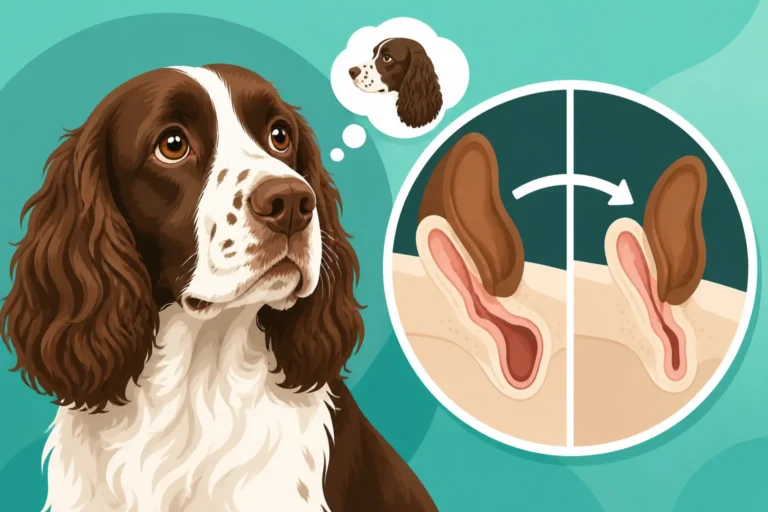
Imagine trying to keep a long, narrow, dark tunnel clean and dry, especially when that tunnel is covered by a heavy curtain. That's essentially what we're asking of a Springer Spaniel's ear canal. Unlike breeds with pricked ears where air can circulate freely, our Springers have pendulous, heavy ear flaps that hang down, effectively sealing off the ear canal from fresh air and light. This creates a warm, humid environment that is incredibly inviting for bacteria, yeast, and other unwelcome guests to set up shop and multiply.
Beyond the external ear flap, the internal structure plays a crucial role too. The ear canal itself is quite long and L-shaped, making it difficult for natural debris and foreign particles to escape. Add to this the fact that many Springers, especially those with thicker coats, have hair growing inside the ear canal. This hair can trap wax, dirt, and moisture, further exacerbating the warm, moist conditions and making it even harder for the ear to clean itself naturally. It’s like having a dense rug at the entrance of that already-dark tunnel. You can dive deeper into this topic by reading Why a Springer Spaniel's Ears Are Never Quite Healthy.
This anatomical predisposition means that even a perfectly healthy Springer Spaniel's ears require more diligent attention than many other breeds. It's not a sign of neglect if your Springer develops an ear infection; it's often an inevitable consequence of their breed characteristics. Knowing this helps us be more vigilant and understanding of our dogs' needs.
Moisture, Heat, and the Perfect Breeding Ground
If you've ever spent a summer day by a lake with your Springer, you know they love water. Whether it's a dip in a pond, a splash in the river, or even just rolling in dew-laden grass, their ears are often the first part of them to get thoroughly soaked. Those long, heavy ear flaps, which are so effective at keeping water out in a normal scenario, unfortunately become excellent at trapping water in once it gets past the initial barrier. This trapped moisture, combined with the natural warmth of a dog's body, creates an ideal incubator for microorganisms.
Bacteria and yeast, which are naturally present on a dog's skin and in their ears, thrive in these damp, warm, oxygen-poor conditions. A small amount of moisture can quickly turn into an environment where these organisms proliferate, leading to an overgrowth that causes inflammation, itching, and infection. This is why vigilance after any water exposure is crucial. Skipping a thorough ear drying session after a swim, even on a sunny day, can set the stage for a nasty infection to brew. You can learn more about how to manage this specific issue by checking out Drying a Springer Spaniel's Ears After Swimming.
It's not just swimming, though. High humidity during certain seasons, or even a dog with particularly oily skin that produces excess wax, can contribute to this moist environment. The ear becomes a miniature hothouse, and before long, your Springer is showing signs of discomfort. It's a constant battle against nature, but one we must be prepared for as Springer Spaniel owners.
Underlying Allergies and Systemic Issues
Sometimes, ear infections aren't just about water or bad luck; they can be a symptom of a much larger, systemic issue: allergies. Just like people, dogs can suffer from environmental allergies (atopy) to things like pollen, dust mites, or mold, or they can have food allergies to specific proteins. For many dogs, especially Springers, chronic ear infections are one of the most common manifestations of an allergic response. The inflammation caused by the allergy creates a perfect environment for secondary infections to take hold.
When a dog has allergies, their immune system overreacts, leading to inflammation and itching not just on their skin but often deep within the ear canal. This inflammation can cause the ear canal lining to swell, increasing wax production and altering the natural balance of microorganisms. A dog caught in an allergy flare-up might scratch and rub their ears, further irritating the delicate tissues and introducing more bacteria. If your Springer seems to have recurring ear infections despite diligent cleaning and treatment, it's worth exploring potential allergies with your veterinarian. How Often Allergies Drive a Springer Spaniel's Ear Disease can shed more light on this connection.
Beyond allergies, other systemic health issues can sometimes contribute to ear problems, though less commonly than allergies. Conditions like hypothyroidism or certain autoimmune diseases can affect skin and coat health, indirectly impacting the ear environment. This is why your vet might ask about your dog's overall health and history when you bring them in for ear issues, looking for any pieces of the puzzle that might explain a persistent problem.
Subtle Early Warning Signs You Might Miss
Catching an ear infection early is key to a faster, less painful recovery for your Springer. Unfortunately, our stoic companions often try to hide their discomfort until it becomes unbearable. As owners, we need to be tuned into the subtle shifts in their behavior and appearance that signal trouble might be brewing. These early clues can save you a lot of heartache and vet bills down the line.
Changes in Behavior and Demeanor
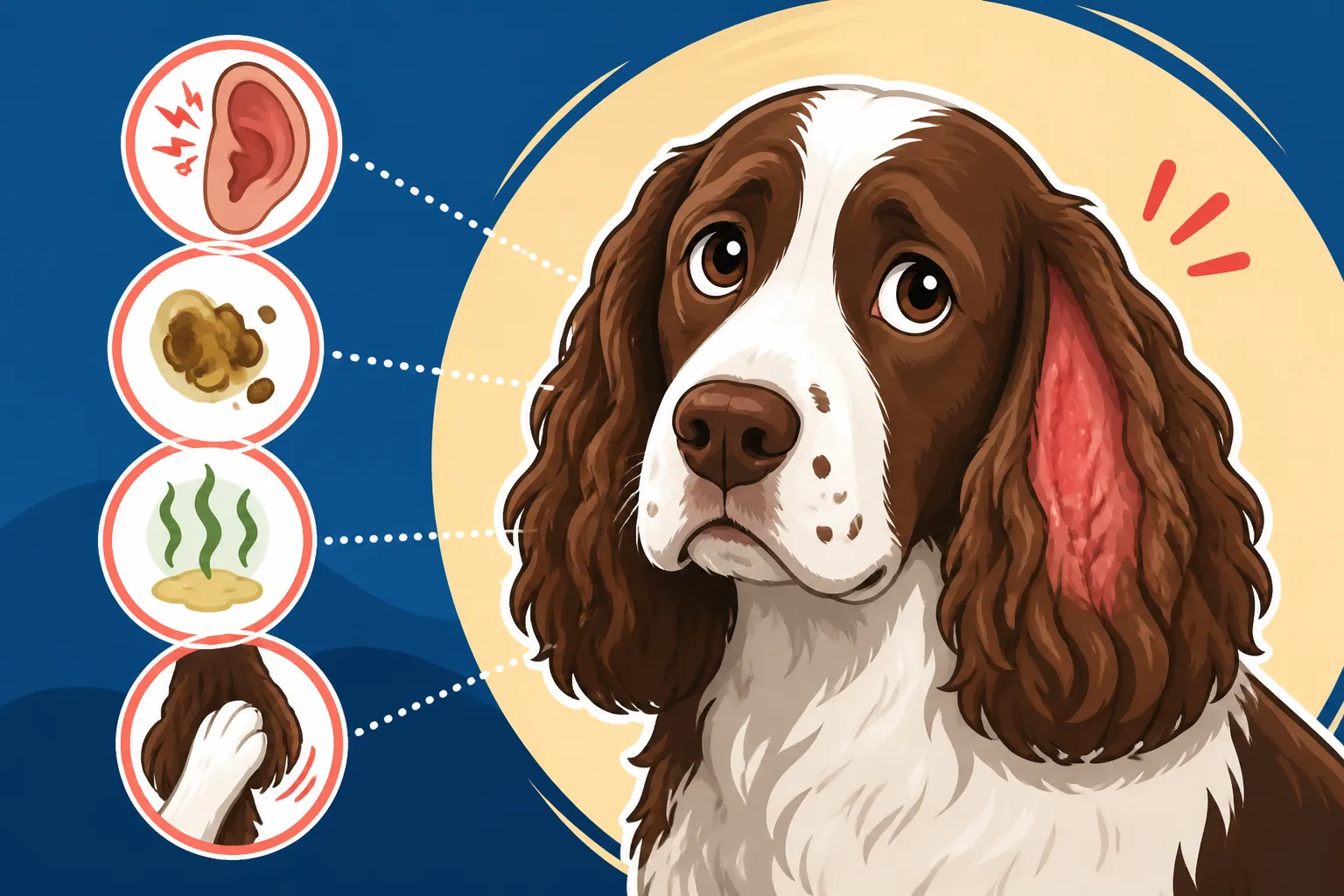
One of the first, most subtle indicators that something is amiss with your Springer's ears might not be visible at all, but rather a change in their usual behavior. You might notice them scratching at their ears more frequently than usual, perhaps with a hind paw, or trying to rub their ears on the carpet, furniture, or even your leg. This isn't just a casual itch; it's a persistent attempt to relieve discomfort. Pay attention if they seem more focused on their ears than on their favorite toy or their usual greeting ritual.
Another common sign is increased head shaking. A casual shake after waking up is normal, but if your Springer is shaking their head vigorously and repeatedly throughout the day, especially if it seems one-sided, it's a big red flag. They might also carry their head slightly tilted to one side, favoring the affected ear. This subtle tilt, often barely noticeable, is their way of trying to alleviate pressure or discomfort. They might also become a bit more withdrawn or irritable, especially if you try to touch their head or ears, as the constant throbbing or itching can make them generally uncomfortable and grumpy.
Think about how you feel when you have an earache – it’s distracting and makes you just want to be left alone. Your Springer feels similarly. They might be less enthusiastic about walks, slower to respond to commands, or just generally "off." These behavioral cues, while not specific to ear infections, when combined with other subtle signs, are important indicators that a deeper look at their ears is warranted.
Visual Cues and Odor
Once you start looking, you might notice some visual changes around and within the ear. Carefully lift your Springer's ear flap (gently, as it might be painful) and take a peek inside. Healthy ears should be pale pink, clean, and free of discharge or strong smell. If you see redness, especially around the opening of the ear canal or on the inner surface of the ear flap, that’s a clear sign of inflammation. A slight swelling can also be present, making the ear look puffy or thicker than usual.
Another tell-tale sign is discharge. In the early stages, this might just be an increase in normal ear wax, but it might also change in color or consistency. You could see yellowish, brownish, or even blackish waxy buildup. This isn't just unsightly; it's often a medium for bacterial or yeast overgrowth. The discharge might also have a specific odor. A healthy ear has a very faint, almost neutral smell. An ear infection, particularly one caused by yeast, often produces a distinct sweet, yeasty, or even rotten smell. If you catch a whiff of something that reminds you of old gym socks or an unkempt brewery, it's definitely time to investigate further.
The skin around the ear and even on the side of the face might also show signs of irritation from scratching. Look for broken skin, scabs, or hair loss in these areas. Sometimes, the skin can appear greasy or flaky. All these visual and olfactory clues combine to give you a strong indication that your Springer’s ear has gone wrong, prompting you to address the issue promptly. It's truly amazing how much information our noses and eyes can gather once we know what to look for! For an overview of common frequency, consider reading How Often a Springer Spaniel Gets Ear Infections.
Sensitivity to Touch
As an ear infection progresses, the discomfort quickly escalates to outright pain. Your Springer, who usually loves a good head scratch or an ear rub, might suddenly become very sensitive to any touch near their head or ears. This can manifest in several ways, from a subtle flinch or pulling their head away when you reach for them, to actively growling, yelping, or even snapping if you try to examine the affected ear. This isn't aggression; it's a pain response.
Even without direct touch, you might notice your Springer protecting their head or ear. They might sleep with their head in an unusual position, trying to avoid putting pressure on the sore ear. They might resist putting on a collar or harness if it touches the area, or shy away from cuddles that involve their head. This defensiveness is a clear sign that the inflammation and irritation inside the ear canal are causing significant pain, and it needs immediate attention to relieve their suffering.
When you do try to gently examine the ear, observe their reaction. If they vocalize, flatten their ears back, or try to escape, it's a strong indication of pain. Remember that the ear canal is a very delicate and sensitive area. Even if you're trying to help, any pressure on an already inflamed ear can be agonizing for them. This heightened sensitivity should prompt an immediate call to your veterinarian, as attempting to clean a very painful ear at home can cause further trauma and distress.
Advanced Symptoms Indicating Serious Issues
While early signs are crucial for quick intervention, sometimes infections can escalate or go unnoticed until they become much more severe. These advanced symptoms indicate that the infection has progressed significantly, potentially involving deeper structures of the ear, and require urgent veterinary care. Ignoring these can lead to chronic issues, hearing loss, or even more serious systemic problems.
Profuse Discharge and Strong Odor
When an ear infection becomes advanced, the discharge often becomes much more copious and takes on a distinctly unpleasant character. You might notice thick, pus-like discharge that is yellow, green, or even bloody, oozing from the ear canal. This isn't just a bit of extra wax; it's a clear sign of a severe bacterial infection. The volume might be enough to mat the hair around the ear canal or even stain their fur. This heavy discharge can also make the inner ear incredibly itchy, prompting even more frantic scratching and head shaking, which in turn can cause further trauma to the ear.
Accompanying this profuse discharge is usually a truly foul odor. While early infections might have a yeasty or slightly pungent smell, an advanced bacterial infection can smell putrid, rotten, or like decaying matter. This strong, offensive smell is often noticeable even when you're not close to your dog, indicating a significant bacterial load. The type of bacteria or yeast often dictates the specific smell, but any strong, unpleasant odor is a definitive sign of serious trouble.
The constant discharge can also irritate the surrounding skin, leading to secondary skin infections, hair loss, and thickened, leathery skin around the ear opening. This chronic inflammation and infection can eventually lead to scarring and narrowing of the ear canal, making it even harder for future treatments to reach the source of the problem. This is a vicious cycle that needs to be broken by aggressive veterinary intervention.
Severe Swelling, Redness, and Pain
In advanced cases, the inflammation extends beyond just the ear canal opening. The entire ear flap (pinna) can become severely swollen, hot to the touch, and bright red. This generalized swelling can make the ear feel heavy and stiff. In some instances, excessive head shaking due to intense itching and pain can cause blood vessels within the ear flap to rupture, leading to a condition called an aural hematoma – a balloon-like swelling on the ear flap filled with blood. This is incredibly painful and always requires veterinary attention, often surgical. Whether a Head Shaking Springer Spaniel Gets a Hematoma provides more information on this painful complication.
The pain associated with advanced ear infections can be debilitating. Your Springer might cry out when the ear is accidentally touched or if they shake their head. They might become lethargic, lose their appetite, and generally act unwell. The constant discomfort can also lead to changes in personality, making them withdrawn, irritable, or even aggressive when approached, simply because they are in so much pain. They might hold their head rigidly, avoiding any movement that exacerbates the pain.
When the pain and inflammation are this severe, it’s critical to seek immediate veterinary care. Attempting to clean or treat such an ear at home can cause immense distress to your dog and may not be effective if the infection has spread deep into the ear canal or middle ear. Your vet will be able to assess the severity, prescribe appropriate pain relief, and initiate targeted treatment to bring your Springer relief.
Neurological or Balance Problems
Perhaps the most alarming signs of an ear problem gone seriously wrong are neurological symptoms, which indicate that the infection has spread beyond the outer or middle ear and is now affecting the inner ear, which controls balance and hearing. If you notice your Springer developing a persistent head tilt, where their head is constantly cocked to one side, this is a serious red flag. This tilt is often towards the affected ear.
Other neurological signs can include nystagmus (involuntary, rapid eye movements), circling in one direction, or a loss of balance and coordination (ataxia). Your dog might stumble, fall over, or appear disoriented. These symptoms are collectively known as vestibular disease, and while they can have other causes, an inner ear infection (otitis interna) is a common culprit. The inner ear houses the vestibular system, which is crucial for maintaining equilibrium, so infection in this area can severely disrupt a dog's sense of balance.
Any of these neurological symptoms warrant immediate veterinary emergency care. An inner ear infection can be very serious and, if left untreated, can lead to permanent balance issues, deafness, or even spread to the brain. While it's a terrifying thing to witness, prompt diagnosis and aggressive treatment are essential for your Springer's recovery and long-term well-being.
When It's Time for a Vet Visit (Not Just a Cleaning)
It’s easy to think, “Oh, it’s just another ear infection, I’ll clean it myself.” And sometimes, for very mild, early-stage irritation, a gentle cleaning might help. But for our Springers, given their propensity for serious ear issues, it’s vital to know when to put down the ear cleaner and pick up the phone to call the vet. Delaying professional treatment can turn a manageable issue into a much more complex and painful problem for your dog.
Persistent Symptoms Despite Home Care
You’ve noticed a bit of scratching, maybe a slight odor, and you’ve diligently used a vet-recommended ear cleaner for a few days. That’s a great first step! However, if those symptoms don’t show significant improvement within a couple of days, or if they seem to be getting worse, it’s a clear signal that home care isn't cutting it. Ear infections in Springers, with their warm, moist, hairy canals, often become deeply entrenched and require more than just a surface cleaning.
Perhaps you've seen a temporary improvement, only for the symptoms to return with a vengeance shortly after you stop cleaning. This "on-again, off-again" pattern is classic for chronic or inadequately treated infections. It means the underlying cause hasn't been fully addressed, or the wrong type of medication is being used. At this point, you’re not just dealing with an itch; you’re likely dealing with a bacterial or yeast overgrowth that needs specific prescription medication to resolve. Lingering inflammation also makes the ear more susceptible to future infections, creating a frustrating cycle for both you and your dog.
Trying to manage persistent ear issues at home can lead to an infection becoming more resistant to treatment, or spreading further into the ear. Your vet can perform diagnostics like cytology to identify the exact type of infection (bacterial, yeast, or both) and prescribe the most effective medication. Don't feel bad about needing professional help; it’s often the fastest and most effective route to relief for your Springer.
Sudden Onset or Rapid Worsening
If your Springer Spaniel goes from perfectly fine to shaking their head constantly, crying out in pain, or developing a sudden, strong odor overnight, don't wait. Sudden, severe symptoms, especially those that appear very rapidly, are usually indicative of a more acute and painful problem that requires immediate veterinary attention. This isn't the time for a wait-and-see approach or a trip to an online store like Chewy for over-the-counter remedies.
Rapidly worsening symptoms might mean the infection is aggressive, a foreign body has entered the ear canal, or there’s a serious injury. Imagine discovering your dog has a sudden head tilt, or their ear flap is severely swollen and hot. These are not minor irritations. These acute presentations often mean your dog is in significant pain and needs quick relief, which typically involves prescription medication, strong pain relief, or even minor procedures performed by your vet.
In such cases, prompt veterinary intervention is crucial to prevent further suffering and potential complications. A delay could mean the difference between a simple course of ear drops and a more intensive treatment, or even permanent damage. Trust your gut feeling if you sense something is seriously wrong; it usually is.
Foreign Bodies and Other Acute Injuries
Our Springers love to explore, and their long ears and inquisitive noses make them particularly susceptible to picking up unwanted hitchhikers, especially grass awns (often called foxtails). These barbed seeds can easily work their way into the ear canal, and due to their design, they only travel one way: deeper. A grass awn in the ear is excruciatingly painful and can cause sudden, severe head shaking, pawing at the ear, and intense distress. It won't come out on its own; it requires veterinary removal. How to Find a Grass Awn on a Springer Spaniel details this serious issue.
Other acute injuries can also occur. A sharp stick might scratch the ear canal, or an insect bite could cause localized swelling and irritation. While less common, these incidents can lead to sudden pain and inflammation. Any visible trauma to the ear, deep scratches, or bleeding within the ear canal also warrants a vet visit.
The key with foreign bodies or acute injuries is that they often cause immediate and severe discomfort. Attempting to remove a foreign body yourself can push it further in or damage the delicate ear structures. Your vet has specialized equipment, like an otoscope, to visualize the ear canal properly and safely remove the offending object, often under sedation to ensure your dog's comfort and safety. This is one situation where home remedies are not only ineffective but potentially harmful.
Diagnostic Steps and Treatment Options
When you bring your Springer Spaniel to the vet for ear trouble, you're looking for answers and a path to relief. Your veterinarian has a systematic approach to diagnosing the problem and tailoring the most effective treatment plan. It's not a one-size-fits-all situation, and understanding the steps helps you be an informed and proactive owner.
The Veterinary Exam and Diagnostic Tests
The first thing your vet will do is a thorough physical examination, paying close attention to your Springer's ears. They will visually inspect the outer ear, feel for swelling or pain, and check for any discharge or odor. Then, they will use an otoscope – a specialized instrument with a light and magnifying lens – to look deep inside the ear canal. This allows them to assess the severity of inflammation, check for foreign bodies, polyps, or tumors, and most importantly, examine the eardrum (tympanic membrane). A ruptured eardrum changes the type of medication that can be safely used.
After the visual inspection, the vet will almost certainly perform an ear cytology. This is a quick and painless procedure where a swab is gently used to collect a sample of the discharge from the ear canal. This sample is then spread onto a microscope slide, stained, and examined under a microscope. Cytology is incredibly valuable because it allows the vet to identify whether the infection is caused primarily by bacteria, yeast, or both, and even to see the shapes of the bacteria, which can guide initial antibiotic choices. It’s the closest thing to getting a definitive answer right away. What a Springer Spaniel's Ear Cytology Costs will give you an idea of the expense.
In cases of chronic or recurrent infections, or if the initial treatment isn't working, your vet might recommend a culture and sensitivity test. This involves sending a sterile swab of the ear discharge to a laboratory. The lab will grow the bacteria present (culture) and then test which antibiotics are most effective at killing those specific bacteria (sensitivity). This takes a few days for results but is invaluable for tackling stubborn or resistant infections, ensuring your Springer gets precisely the right medication.
Medications and Therapies
Once the cause of the ear infection is identified, your vet will prescribe targeted medications. For mild cases involving yeast, an antifungal ear cleaner or topical drops might be sufficient. If bacteria are present, a combination of antibiotics and sometimes anti-inflammatory steroids will be prescribed, often in a single ear drop or ointment formulation designed to reduce both infection and swelling. These medications usually need to be administered for a specific duration, often 7-14 days, and it's crucial to complete the full course even if your Springer seems better, to prevent recurrence.
Many vets will also recommend a specific ear cleaner to be used before the medicated drops. This helps remove debris, wax, and discharge, allowing the medication to penetrate more effectively. There are many types of ear cleaners available through pet supply retailers like Chewy or Amazon, but your vet will recommend one that is gentle and appropriate for your dog's specific condition. Some cleaners contain drying agents, which can be particularly helpful for Springers prone to moisture-related issues. Remember, never use alcohol or hydrogen peroxide in your dog's ears, as these can be irritating or damaging.
For severe inflammation or pain, your vet might also prescribe oral anti-inflammatory medications or pain relievers. If allergies are suspected to be an underlying cause, they might discuss management strategies like diet changes, antihistamines, or more advanced allergy medications. The goal is not just to clear the current infection but to make the ear a less hospitable environment for future problems.
Surgical Interventions for Chronic Cases
For a small percentage of Springer Spaniels, chronic, severe, and recurrent ear infections become so debilitating that medical management is no longer effective. These are the dogs who have suffered for years, whose ear canals are permanently scarred, narrowed, and calcified, making it impossible for topical medications to reach the infection. In such extreme situations, surgical intervention may be the only option to provide lasting relief and improve the dog's quality of life.
The most common surgical procedure for chronic, end-stage ear disease is a Total Ear Canal Ablation (TECA) with Bulla Osteotomy. This is a major surgery where the entire diseased ear canal is surgically removed, and the middle ear cavity (bulla) is opened and cleaned. While it sounds drastic, for dogs suffering from relentless pain and infection, it can be life-changing. It eliminates the source of the chronic infection and pain, although it does result in permanent deafness in the operated ear. Whether a Springer Spaniel Needs a Total Ear Canal Ablation offers an in-depth look at this procedure.
This surgery is never a first resort; it’s typically considered only after all medical treatments have failed and the dog's quality of life is severely impacted. Your vet would discuss all risks and benefits, and usually refer you to a board-certified veterinary surgeon for the procedure. While it's a difficult decision for any owner, for the right candidate, TECA can transform a dog from constantly miserable to finally comfortable and happy.
Proactive Care to Prevent Future Problems
The best defense against ear infections in your Springer Spaniel is a good offense. Establishing a consistent routine of preventative care can drastically reduce the frequency and severity of ear problems. It takes a little effort, but trust me, it’s far less stressful (and often less costly) than dealing with a full-blown infection.
Regular Cleaning and Inspection Routine
One of the most powerful tools in your ear care arsenal is a consistent cleaning and inspection routine. For a Springer Spaniel, this isn’t a once-a-month thing; it should be a weekly or even bi-weekly habit, depending on your dog’s individual ear health and activity level. Lift those beautiful ear flaps, take a good sniff, and gently wipe any visible debris from the outer ear canal opening with a soft cotton ball or gauze, moistened with a vet-approved ear cleaner. Remember, you're cleaning what you can see, not digging deep into the canal. How Often a Drop Eared Springer Spaniel Needs Cleaning provides specific guidance on frequency.
When you're doing your weekly check-up, make it a positive experience for your dog. Use treats, gentle praise, and short sessions. This helps them associate ear handling with good things, making the process much easier for both of you. You want them to be comfortable enough that you can easily spot any redness, swelling, or discharge, or catch that faint, early-stage odor before it becomes a problem. The more familiar you are with what a healthy ear looks and smells like, the quicker you'll identify when something's amiss.
Having a good quality ear cleaner on hand is essential. You can find excellent options on Chewy or Amazon. Look for cleansers specifically formulated for dogs, which are pH-balanced and often contain ingredients that help dry the ear canal and dissolve wax. Your veterinarian can recommend the best type for your Springer, especially if they are prone to particular issues like excessive wax or yeast overgrowth. Regular, gentle cleaning helps maintain the natural balance within the ear, flushing out dirt and preventing microbial buildup. This small consistent effort can make a huge difference in preventing infections.
Managing Moisture and Allergies
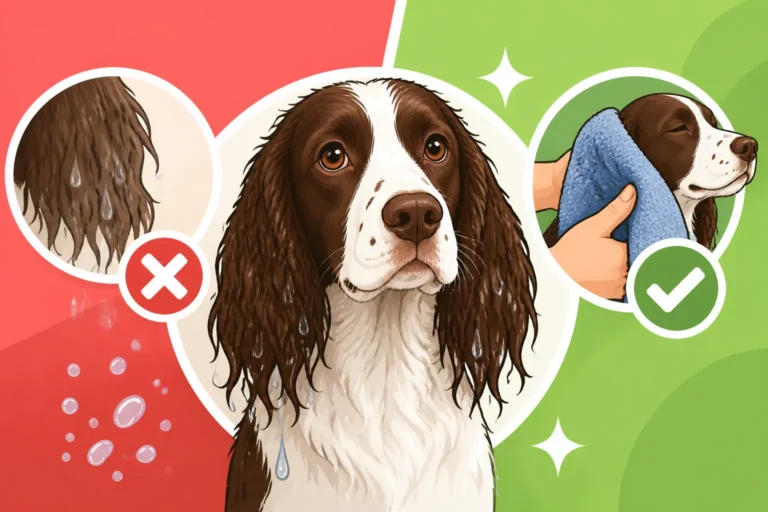
Since moisture is such a big culprit for Springer Spaniel ears, actively managing it is paramount. If your Springer loves to swim, or if you live in a humid climate, drying their ears thoroughly after any water exposure is non-negotiable. Use a soft towel to gently blot and wipe the visible parts of the ear. You can also use a veterinarian-approved drying solution, sometimes available on Amazon, which helps evaporate moisture deep within the canal without causing irritation. The goal is to get those ear canals as dry as possible, as quickly as possible, to deter bacterial and yeast growth.
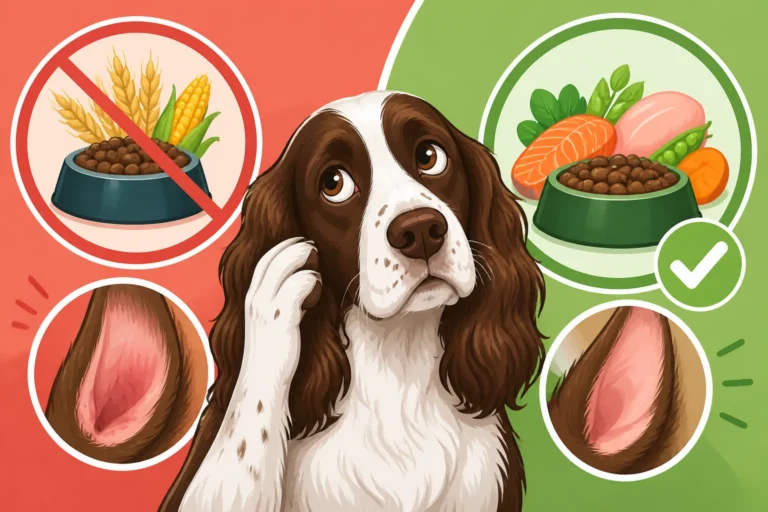
For those Springers whose ear infections are driven by allergies, managing the underlying allergic condition is crucial for long-term ear health. This might involve working with your vet on an elimination diet to rule out food allergies, or discussing environmental allergy management strategies. If food allergies are suspected, switching to a novel protein or limited ingredient diet, or even exploring fresh food options like those offered by Ollie, could potentially reduce systemic inflammation that contributes to ear problems. Remember, dietary changes should always be discussed with your vet to ensure they are nutritionally complete and appropriate for your dog.
Environmental allergies can be harder to control but can be managed with strategies like frequent bathing with medicated shampoos, air purifiers, or prescribed allergy medications. While these don't directly treat the ear infection, they address the root cause of the inflammation, making the ear less susceptible to secondary infections. It’s a holistic approach that tackles the problem from the inside out, providing more lasting relief than just treating individual infections as they pop up.
Partnering with Your Vet
Think of your veterinarian as your trusted partner in maintaining your Springer Spaniel's ear health. They have the expertise, diagnostic tools, and prescription medications that are simply not available for home use. Regular check-ups, even when your Springer seems perfectly healthy, are a great opportunity for your vet to give those ears a quick once-over and catch potential issues before they escalate. Don't underestimate the value of having a professional eye on those delicate ear canals.
If your Springer has a history of recurrent ear infections, maintaining an open line of communication with your vet is even more critical. They can help you identify patterns, recommend specific preventative strategies, and guide you through the process of allergy testing or deeper diagnostics if necessary. Your vet can also provide personalized advice on Which Ear Cleaner Suits a Springer Spaniel or specific drying techniques based on your dog's unique ear anatomy and history.
Remember, attempting to self-diagnose and treat persistent or severe ear issues can lead to complications, antibiotic resistance, and prolonged suffering for your dog. Your vet is there to help, and investing in their professional guidance saves you a lot of heartache (and often money) in the long run. By being proactive and working closely with your vet, you can significantly improve your Springer Spaniel's ear health and comfort, ensuring those beautiful ears stay healthy and happy. For a look at the long-term financial aspect of ear care, you might find What a Springer Spaniel Owner Spends on Ear Care in a Decade insightful.
Comparison of Healthy vs. Infected Springer Spaniel Ears
To help you quickly distinguish between a normal, healthy ear and one that's showing signs of trouble, here's a quick comparison table of key indicators.
| Feature | Healthy Ear | Infected Ear (Early/Mild) | Infected Ear (Advanced/Severe) |
|---|---|---|---|
| Appearance | Pale pink, clean, no visible discharge | Mild redness, slight swelling, small amount of waxy/brownish discharge | Bright red, significant swelling (pinna and canal), thick yellow/green/bloody discharge |
| Odor | Faint, neutral smell | Slightly yeasty or pungent odor | Foul, putrid, very strong unpleasant smell |
| Behavior | No scratching, head shaking, or sensitivity | Increased scratching, occasional head shaking, rubbing ears on surfaces | Constant head shaking, pawing, whining, reluctance to be touched, head tilt, lethargy, loss of appetite, neurological signs |
| Touch Response | Comfortable with ear handling | Mild discomfort or avoidance when touched | Painful, may yelp, growl, or snap; pulls away sharply |
| Discharge Type | Minimal, light brown wax (normal) | Increased wax, yellowish/brownish/blackish debris | Thick, pus-like, gooey; often yellow, green, or blood-tinged |
| Skin Texture | Smooth, supple | Slightly irritated, possibly flaky | Thickened, leathery, crusty, ulcerated, hair loss around ear |
Remember, any deviation from the "Healthy Ear" column, especially persistent signs, warrants a closer look and likely a vet visit.
Disclaimer
This article is for general informational purposes only and does not constitute professional advice. Laws, prices and regulations vary by location and change over time. Consult a qualified professional for guidance on your specific situation.