Whether a Springer Spaniel’s Ear Canal Narrows Over Time
It's a frustrating, often painful reality for many English Springer Spaniel owners: the constant battle with ear infections. You clean, you medicate, you try everything, and still, that persistent head-shaking and scratching return. One of the most insidious complications of these recurring issues is the actual narrowing of your dog's ear canal over time, making future infections even harder to treat and leaving you wondering if there's any end in sight. This guide is here to walk you through why this happens, what signs to look for, and how you can best manage this challenging condition to improve your beloved Springer's quality of life.
The Anatomy of a Springer Spaniel's Ear and Why It's Prone to Trouble
Springer Spaniels, with their gorgeous, long, pendulous ears, are unfortunately designed in a way that makes them highly susceptible to ear problems. It's not just bad luck; it's a combination of genetics and anatomy that creates a perfect breeding ground for issues, and understanding this is the first step in battling chronic ear disease. It's a truth almost every Springer owner comes to terms with sooner or later: their ears are never quite healthy in the way, say, a German Shepherd's might be.
The Drop Ear Design: A Moisture Trap
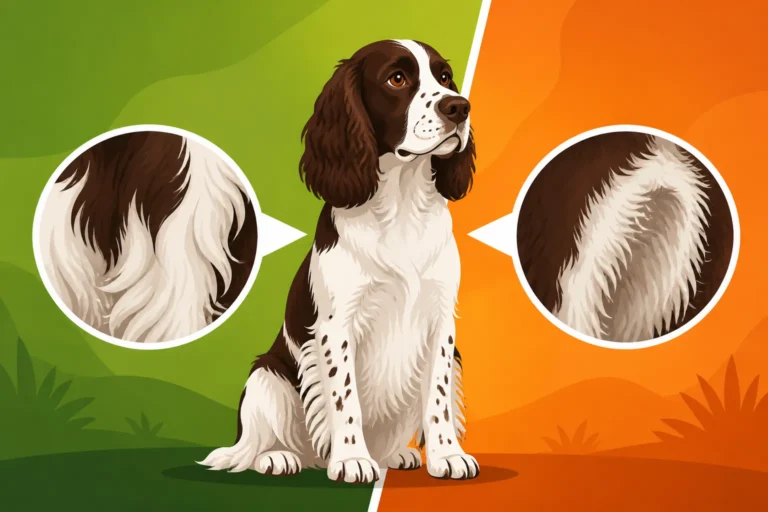
Think about the structure of your Springer's ear. It's a beautiful, floppy curtain of fur that hangs down, covering the opening of the ear canal. While this might look adorable, it's a huge disadvantage when it comes to ear health. This heavy flap effectively seals off the ear canal, drastically reducing air circulation. When moisture gets in—whether from swimming, bathing, or even just humidity in the air—it becomes trapped. This warm, moist environment is exactly what yeast and bacteria love, allowing them to multiply rapidly and lead to uncomfortable infections. It's why owners are often cautioned about how much their Springer Spaniel's ear traps moisture.
Furthermore, the ear canal itself in a Springer Spaniel isn't a straight shot. It has a distinct "L" shape, making it much harder for debris, wax, and discharge to exit naturally. This means any irritants or infectious agents that get in tend to stay put, festering and causing further irritation. Imagine trying to clean a long, winding tube with a bottleneck at the end; that's essentially what we're asking owners to do when tackling a Springer's ear. This unique architecture is a significant factor in why these dogs are so prone to ear problems.
Hair, Wax, and Heat: A Perfect Storm
Beyond the external flap and the L-shaped canal, the internal environment of a Springer's ear contributes to the problem. Many Springers have a good deal of hair growing inside their ear canals. This hair can trap even more moisture and debris, acting like a filter that catches everything but lets nothing out. It also makes it difficult for topical medications to reach the infection site effectively. Trying to apply drops through a thick mat of hair and wax can feel like a losing battle, leading to frustration for both you and your dog.
Combined with the lack of airflow, this dense hair growth can lead to an accumulation of ear wax and sebaceous secretions. This isn't just normal wax; in an infected ear, it can become a thick, foul-smelling sludge that further clogs the canal and nourishes bacteria and yeast. The constant inflammation also generates heat, which, again, creates that ideal warm, moist incubator for pathogens. It's a vicious cycle that sets the stage for chronic issues and, ultimately, structural changes within the ear itself.
Understanding Chronic Otitis Externa and its Progression
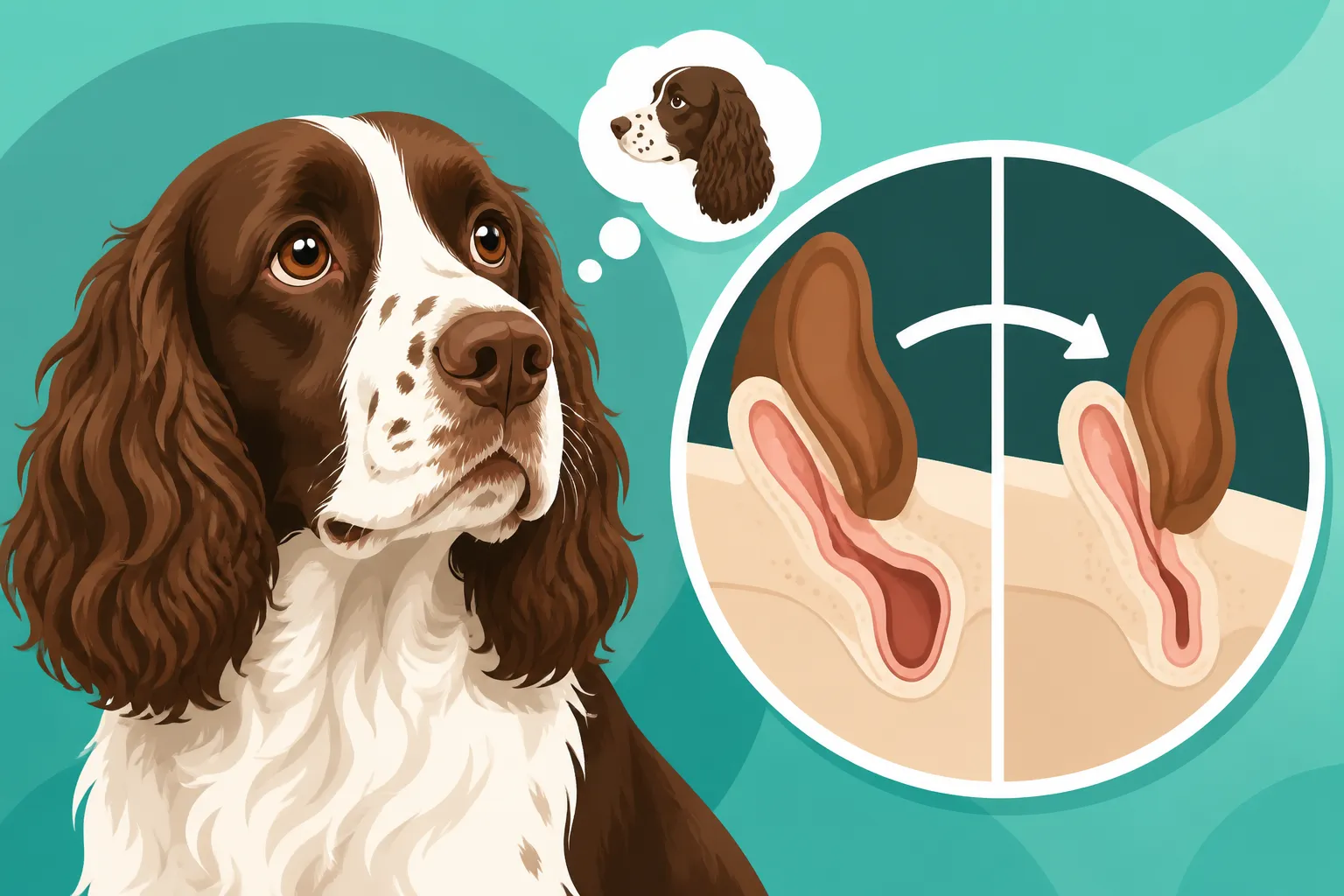
When we talk about ear problems in Springer Spaniels, we're usually referring to otitis externa – inflammation of the external ear canal. For many Springers, this isn't a one-off event; it becomes a chronic condition, recurring again and again. It's this persistent, unresolved inflammation that eventually leads to the ear canal physically changing and narrowing, a process known as stenosis. This isn't just about discomfort; it fundamentally alters the ear's ability to heal and function.
The Cycle of Inflammation and Infection
Imagine a small cut on your skin that never quite heals because you keep picking at it or re-injuring it. That's a bit like what happens with chronic ear infections. Each time your Springer gets an ear infection, the lining of the ear canal becomes inflamed, red, and swollen. This swelling can already partially narrow the canal, making it harder for air to circulate and for treatments to penetrate. If the infection is treated, the swelling might subside, but the tissue has undergone stress.
When the infection inevitably returns (and for many Springers, it feels inevitable due to their predispositions), the inflammation kicks off again. Over time, this repeated cycle of swelling, infection, and healing attempts leads to permanent changes in the tissues. The delicate lining of the ear canal starts to thicken and harden. It's like scar tissue building up inside, slowly but surely constricting the once-open passage. This is why addressing the underlying causes, rather than just treating symptoms, is so critical for long-term ear health. Many owners quickly learn how often a Springer Spaniel gets ear infections.
From Soft Tissue Swelling to Permanent Scarring
Initially, the narrowing you might observe during an acute infection is primarily due to soft tissue swelling. This is reversible with effective treatment. However, if these infections continue without proper, consistent management, the ear canal tissues undergo more profound and irreversible changes. The glands within the ear canal, responsible for producing wax, can become hyperactive and enlarged (hyperplasia), further contributing to blockage. The skin itself thickens, a process called lichenification, becoming leathery and inelastic.
Eventually, fibrous connective tissue, much like scar tissue, begins to form within the ear canal walls. This fibrous tissue doesn't just swell; it permanently remodels the canal, making it rigid and significantly narrower. This irreversible narrowing, or stenosis, creates a tiny, constricted passage that is incredibly difficult to clean, impossible for air to circulate through, and challenging for medication to reach. At this stage, the ear can become a dark, painful, and chronically infected space, often resistant to all but the most aggressive medical interventions. This is a very common outcome of chronic ear disease (What Chronic Ear Disease Costs a Springer Spaniel Owner).
Recognizing the Signs of a Narrowing Ear Canal in Your Springer
Catching signs of ear problems early is always best, but with a narrowing ear canal, the symptoms can sometimes be subtle at first, then rapidly worsen. It's important to be vigilant and pay close attention to your Springer's behavior and the condition of their ears. Ignoring these signs can lead to much more severe pain and more difficult treatment down the line. Knowing signs a Springer Spaniel has an ear infection is crucial, but recognizing the signs of chronic changes is even more so.
Subtle Changes in Behavior and Appearance
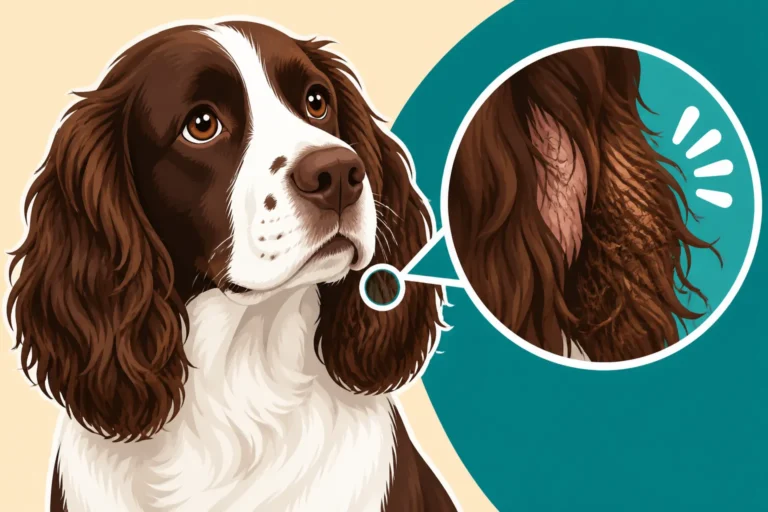
You might notice your Springer Spaniel is shaking their head more frequently, perhaps only occasionally at first, then becoming more persistent. They might scratch at their ears with a back paw, or rub their head along furniture or the ground. Sometimes, they'll hold one ear slightly lower than the other, or seem reluctant to have their head touched. There might be a noticeable odor coming from the ear, even after recent cleaning, or an increase in discharge that ranges from dark brown and waxy to yellowish and pus-like. You might also see redness and inflammation on the visible part of the ear flap or around the ear opening.
As the condition progresses and the canal narrows further, these signs often become more pronounced. Your dog might cry out when shaking their head or scratching, indicating increased pain. They may become withdrawn, less playful, or even exhibit changes in appetite due to discomfort. Some dogs might become head-shy or even reactive if you try to examine their ears, as they anticipate pain. Look for changes in the texture of the skin around the ear opening – it might appear thicker, rougher, or darker than usual. These are all subtle hints that something more serious than a simple, acute infection is at play.
Difficulty with Cleaning and Medication Application
One of the most telling signs for owners and veterinarians alike is when routine ear cleaning and medication application become increasingly difficult. If you find that the ear cleaning solution you've always used now barely seems to enter the canal, or if you can't get a cotton ball or swab into the opening even gently, that's a strong indicator of narrowing. The ear canal, which once allowed easy access, might now feel very tight and constricted.
Furthermore, if ear drops or ointments seem to just sit on the surface of the ear or leak out immediately without going deep into the canal, their effectiveness will be severely compromised. This means the medication isn't reaching the site of infection, making treatment less successful and perpetuating the cycle of inflammation. This frustration often signals a significant stenosis, where the physical barrier of the narrowed canal prevents adequate treatment. Your vet might also struggle to use an otoscope to visualize the eardrum, a critical part of diagnosing and treating ear issues, which confirms the narrowing.
Managing and Preventing Ear Canal Narrowing
While preventing all ear issues in a Springer Spaniel can be an uphill battle, especially considering their genetic predisposition, you can absolutely take proactive steps to manage existing problems and prevent severe, irreversible narrowing of the ear canal. This often involves a multi-pronged approach combining diligent home care with prompt veterinary intervention.
Aggressive Treatment of Infections
The most crucial step in preventing ear canal narrowing is to treat any ear infection aggressively and completely from the very first sign. Don't wait until the infection is severe or chronic. As soon as you notice head shaking, scratching, odor, or discharge, get your Springer to the vet. A veterinarian can accurately diagnose the type of infection (bacterial, yeast, or both) and prescribe the appropriate medication. It's vital to follow the full course of medication, even if your dog's ears appear to improve quickly. Stopping treatment prematurely is a common mistake that allows residual infection to flare up again, perpetuating the cycle of inflammation and tissue damage.
Your vet might also perform a thorough ear flush under sedation if there's a significant buildup of wax and debris, ensuring medications can penetrate effectively. Regular follow-up appointments are essential to confirm the infection has truly cleared and that the ear canal is returning to normal. Sometimes, an underlying cause like allergies needs to be identified and addressed. For chronic cases, your vet might recommend specialized ear cleaners or long-term preventive medications to keep inflammation at bay. Brands like Chewy offer a wide range of vet-recommended ear cleaners and medications that can be helpful.
Regular Maintenance and Monitoring
Even when your Springer's ears appear healthy, consistent maintenance is key. This means regular cleaning with an appropriate ear cleaning solution to remove wax and debris. Your vet can recommend the best type of cleaner for your dog – some are designed to dry the ear, others to dissolve wax, and some have antiseptic properties. Aim for a cleaning schedule that suits your dog's individual needs, typically once a week or every few days, but always check with your vet. Remember, gentle cleaning is paramount; never use cotton swabs deep inside the ear canal. Owners often wonder how often a drop eared Springer Spaniel needs cleaning.
For Springers who love water (which is most of them!), thoroughly drying their ears after swimming or bathing is non-negotiable. Use a soft towel to gently blot the outer ear flap and the opening of the ear canal. A drying solution, also vet-approved, can be very beneficial. You can find excellent ear drying solutions and cleaning kits on sites like Amazon. If your dog has a lot of hair in their ear canals, discuss with your vet or groomer whether careful plucking or trimming is advisable to improve airflow. Maintaining a healthy diet, perhaps exploring options from brands like Ollie, can also sometimes reduce allergy-related inflammation that contributes to ear problems.
When Surgery Becomes Necessary
In severe, chronic cases where the ear canal has become irreversibly narrowed (stenotic) and medical management is no longer effective, surgery might be the only option to provide relief. The most common surgical procedure for this condition is a Total Ear Canal Ablation (TECA) with Bulla Osteotomy. This is a significant surgery where the entire diseased ear canal is removed, and the middle ear cavity (bulla) is opened and cleaned. This procedure eliminates the problematic ear canal entirely, preventing future infections and alleviating chronic pain.
While TECA sounds daunting, for dogs suffering from severe, persistent, and painful ear disease due to a narrowed canal, it can be life-changing, offering a permanent solution to a problem that has plagued them for years. It's a procedure typically performed by a board-certified veterinary surgeon and requires a significant recovery period. Your vet will discuss all options, risks, and benefits with you extensively before recommending such a major step. It's a stark reminder of what chronic ear disease costs a Springer Spaniel owner both in terms of suffering and financial outlay.
| Stage of Ear Canal Narrowing | Characteristics | Treatment Approach | Prognosis |
|---|---|---|---|
| Early Inflammation | Redness, mild swelling, increased wax. Canal still open. | Prompt and complete medical treatment (antibiotics, antifungals, anti-inflammatories), regular cleaning. | Good, with full recovery of canal width if treated aggressively. Prevention of recurrence is key. |
| Chronic Inflammation | Persistent swelling, thickening of canal lining (hyperplasia), increased glandular activity. Partial narrowing visible. | Aggressive medical management, identifying underlying causes (allergies), regular cleaning, potentially long-term maintenance meds. | Fair to good, but some tissue changes may be semi-permanent. Risk of recurrence is high without diligent management. |
| Fibrotic Stenosis | Irreversible thickening, scarring, and hardening of canal walls. Significant, rigid narrowing. Medical treatments struggle to penetrate. | Intensive, frequent medical therapy often combined with thorough deep flushing under sedation. If unresponsive, surgical intervention (TECA) is considered. | Poor for full reversal of narrowing with medical treatment. Often leads to surgery for pain relief and infection resolution. |
Disclaimer
This article is for general informational purposes only and does not constitute professional advice. Laws, prices and regulations vary by location and change over time. Consult a qualified professional for guidance on your specific situation.