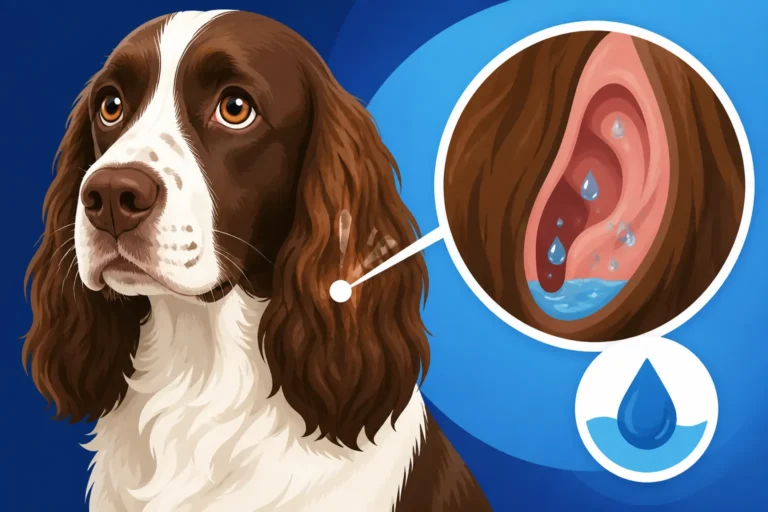
Whether a Head Shaking Springer Spaniel Gets a Hematoma
There's nothing quite as alarming as seeing your beloved English Springer Spaniel suddenly start shaking their head with frantic energy. One moment they're trotting along, ears flopping happily, and the next they're violently thrashing their head, perhaps even whimpering. It's a sight that immediately sends a jolt of worry through any dedicated dog owner. You might instantly wonder if they've hurt themselves, or worse, if something serious is going on inside that beautiful, furry ear. And yes, your concern is absolutely valid; a head-shaking Springer Spaniel can indeed develop a painful condition called an aural hematoma, which requires veterinary attention. This guide will walk you through why your Springer might be shaking their head, what an aural hematoma is, and what steps you can take to prevent and address this uncomfortable issue.
Why Your Springer Spaniel Shakes Their Head with Such Urgency
Let's be real, a Springer Spaniel's ears are magnificent. Those long, pendulous flaps, often adorned with luxurious feathering, are part of what makes them so undeniably charming. But those very same ears are also a major Achilles' heel when it comes to health. Their anatomy—those heavy, floppy ears that hang close to the side of their head—creates a warm, moist, and often poorly ventilated environment. It's practically a five-star resort for bacteria, yeast, and all sorts of other irritants. So, when your Springer starts head shaking, it’s almost always a clear sign that something is seriously irritating them in or around their ear canal.
Common Culprits Hiding in Those Flaps
The reasons for persistent head shaking in a Springer Spaniel are typically rooted in some form of ear discomfort. It’s their way of trying to dislodge an irritant or alleviate an itch or pain they simply can't reach with a paw.
- Ear Infections (Otitis Externa): This is, without a doubt, the most frequent offender. Because their ears trap moisture and heat, Springers are incredibly prone to infections. These can be bacterial, yeast, or a combination. The infection causes inflammation, itching, and often a foul odor or discharge. Imagine having an intensely itchy, painful rash deep inside your ear canal – you'd be desperate to get rid of it too! If you notice your dog also scratching at their ear, rubbing it on furniture, or holding their head tilted, it's a strong indicator of an infection. You might also see redness inside the ear flap or a waxy, dark discharge. This is why it's so important to understand Signs a Springer Spaniel Has an Ear Infection.
- Allergies: Many Springer Spaniels suffer from environmental allergies (like pollen, dust mites) or food allergies. One of the most common ways these allergies manifest is through skin irritation, and the ears are often a prime target. Allergic inflammation can lead to chronic ear infections, or simply make the ears incredibly itchy even without a full-blown infection. The constant itch, deep down in the canal, drives them to shake their heads relentlessly. Sometimes, you'll see other signs of allergies too, like paw licking or generalized itchiness on their body. Understanding Whether a Springer Spaniel's Ear Infection Is Allergy Driven can be a game changer for managing recurrent issues.
- Foreign Bodies: Springers are active dogs, often found romping through fields, woods, or tall grass. It's incredibly easy for grass awns (those barbed seed heads often called foxtails), burrs, or small twigs to get lodged deep within their ear canal. These foreign bodies are intensely irritating and can cause immediate, violent head shaking as the dog tries desperately to dislodge them. It’s a sharp, persistent pain or itch that they can't ignore, and it won't go away on its own. This is especially true for working dogs, who are frequently plunging into thick cover.
- Water Trapped in the Ear: Springers often love water, whether it's a lake, a stream, or even just their bath. While great for their spirit, water can easily get trapped in their long ear canals, creating the perfect damp environment for infections to brew. Even without an infection, trapped water can be incredibly uncomfortable and lead to vigorous head shaking as they try to clear it out. This is a common issue, and we talk more about Drying a Springer Spaniel's Ears After Swimming to prevent it.
- Ear Mites: While less common in adult, well-cared-for dogs, ear mites can cause intense itching and irritation, especially in puppies or dogs that have been in environments with other animals. The mites cause a characteristic dark, crusty discharge that looks a bit like coffee grounds.
The Unfortunate Consequence: Aural Hematomas from Head Shaking
Now, to the heart of your concern: can all that head shaking lead to a hematoma? The answer is a resounding, unfortunate yes. An aural hematoma isn't the cause of the head shaking; it's a direct result of it.
What Exactly Is an Aural Hematoma?
Think of your Springer's ear flap as a sandwich. It has skin on both sides, and in between, there's cartilage that gives it shape, along with a network of tiny blood vessels. When your dog shakes their head violently and repeatedly – especially with those long, heavy ear flaps – the sheer force of the flap hitting against their head or neck can cause those delicate blood vessels within the ear flap to rupture.
When these blood vessels break, blood pools and collects between the cartilage and the skin layers of the ear flap. This collection of blood is what we call an aural hematoma. It's essentially a large, painful bruise or blister that inflates the ear flap. It happens surprisingly quickly, sometimes appearing seemingly overnight after a particularly intense bout of head shaking.
What Does a Hematoma Look and Feel Like?
If your Springer develops an aural hematoma, you won't miss it.
- Appearance: The affected ear flap will become noticeably swollen, often looking like a puffed-up pillow or a balloon. It might be swollen over the entire flap or just a localized section. The swelling can be quite dramatic, making the ear look much thicker than the healthy one.
- Texture: If you gently touch it (and your dog will likely tell you it hurts), it will feel soft and squishy, like a water balloon filled with fluid.
- Pain: Aural hematomas are incredibly painful. The pressure from the pooled blood, combined with the underlying irritation that caused the head shaking in the first place, makes for a very uncomfortable dog. Your Springer might vocalize, shy away when you try to touch their head, or hold the affected ear pinned back.
- Head Tilt/Further Shaking: Despite the pain, some dogs will continue to shake their head, further exacerbating the problem. Others might hold their head in a perpetual tilt, trying to relieve pressure.
It's a serious and painful condition that absolutely warrants a trip to the vet. If left untreated, the blood can clot, and as it eventually reabsorbs or drains, the ear flap can shrivel, scar, and deform, leading to what's often called a "cauliflower ear." This can permanently alter the ear's appearance and, in some cases, even impact future ear health by closing off the ear canal. For more on the treatment side of things, check out Whether a Springer Spaniel's Ear Hematoma Needs Surgery.
Immediate Steps and Veterinary Care for a Head-Shaking Springer
The moment you notice your Springer Spaniel shaking their head more than just a casual "drying off" shake, it's time to act. Don't wait, hoping it will resolve on its own. The longer the underlying irritation persists, the greater the risk of a painful hematoma.
What You Can Do at Home (Temporarily!)
Your primary goal at home is to assess the situation and prepare for a vet visit.
- Examine Gently: In a well-lit area, gently lift your Springer's ear flap and look inside. What do you see? Redness? Swelling? Discharge (waxy, crusty, pus-like)? A foul odor? Are there any visible foreign objects like grass awns? Check the skin on the inner flap for scratches or bites. Be very gentle, as the ear will likely be sore.
- Observe Behavior: Is your dog also scratching? Rubbing their ear on the floor or furniture? Holding their head tilted? Is the shaking continuous or intermittent?
- Prevent Further Injury: If you suspect an ear issue, try to prevent your dog from continuing to traumatize the ear. If you have a soft Elizabethan collar (e-collar) or a recovery cone from a previous vet visit, you might put it on temporarily if you are heading straight to the vet and want to prevent more shaking. However, for many Springers, this can cause more distress, so gauge your dog's reaction. A soft snood, if your dog is accustomed to wearing one, might help keep the ear flap snug and reduce the violent flapping, but this is a rare scenario.
Important: Do NOT try to clean an ear that is severely inflamed, painful, or has a foreign object lodged deep inside. You could push the object further in or cause more pain and damage. Similarly, don't pour anything into the ear unless specifically instructed by your vet.
When to Call the Vet
The answer is almost always immediately. Any persistent head shaking in a Springer Spaniel is a red flag. If you notice any of the following, make that appointment without delay:
- Continuous or violent head shaking.
- Visible swelling of the ear flap (signs of a hematoma).
- Redness, discharge, or foul odor from the ear.
- Your dog crying out when touching their ear.
- A visible foreign object in the ear canal.
- Loss of balance or disorientation (though less common, this can indicate a more severe inner ear issue).
Your veterinarian will conduct a thorough examination, including looking deep into the ear canal with an otoscope. They might take a sample of any discharge for cytology (looking under a microscope) to identify if it's yeast, bacteria, or mites. This is critical for prescribing the correct medication.
Here's a quick comparison of common ear issues:
| Symptom / Condition | Ear Infection (Bacterial/Yeast) | Foreign Body (e.g., Grass Awn) | Aural Hematoma |
|---|---|---|---|
| Head Shaking | Moderate to severe, persistent | Often sudden & violent, constant | May or may not continue, but present prior to hematoma |
| Pain Level | Moderate to severe | Severe, acute | Severe |
| Swelling | Minimal to none in ear flap, maybe canal | None in ear flap, maybe canal | Significant, balloon-like in ear flap |
| Discharge/Odor | Common (waxy, pus, foul smell) | Uncommon, unless secondary infection | None (unless underlying infection) |
| Redness | Common, inside ear canal | Often present inside canal | Often present inside canal, sometimes on ear flap |
| Diagnosis | Otoscope, cytology | Otoscope | Visual exam, palpation |
| Treatment | Ear drops, oral meds | Removal, ear drops | Drainage, surgery |
Treatment for Ear Issues and Hematomas
- For Ear Infections/Allergies: Treatment typically involves ear cleaning solutions, medicated ear drops (antibiotics, antifungals, anti-inflammatories), and sometimes oral medications (antibiotics, anti-inflammatories, or allergy medications). Your vet will help you learn the best way for How Often a Drop Eared Springer Spaniel Needs Cleaning and which specific ear cleaner suits your dog. Sometimes, a change in diet, perhaps trying a brand like Ollie for a limited ingredient option, can help manage underlying food allergies affecting the ears.
- For Foreign Bodies: The vet will use special instruments to carefully remove the object. Sedation or even general anesthesia might be necessary if the object is deep or the dog is in extreme pain. Afterward, medicated ear drops may be prescribed to treat any secondary infection or inflammation.
- For Aural Hematomas: This usually involves draining the pooled blood from the ear flap. There are several techniques, from needle aspirations to surgical incisions to permanently tack the skin back down to the cartilage, preventing refilling. The goal is to remove the blood and promote healing without further deformity. The underlying cause of the head shaking (the infection, allergy, or foreign body) must also be treated concurrently.
Proactive Prevention: Keeping Those Springer Ears Healthy
The best defense against head shaking and hematomas is proactive ear care. Springers are going to be Springers – they're going to get their ears wet, they're going to dive into cover, and they're going to smell every interesting thing on the ground. But we can mitigate the risks.
Regular Ear Cleaning
This is non-negotiable for a Springer Spaniel. You should be checking their ears weekly and cleaning them as needed, especially after swimming or bathing. Use a vet-approved ear cleaning solution designed for dogs.
- Technique: Gently squirt the solution into the ear canal until it's full (don't worry, you can't hit the eardrum). Massage the base of the ear for 20-30 seconds to help break up wax and debris. Let your dog shake their head (over a towel, ideally!), then wipe away any loosened gunk from the visible parts of the ear with a cotton ball or gauze. Never use cotton swabs inside the ear canal itself, as you can push debris further in. Brands like those available on Chewy or Amazon offer a wide range of reputable ear cleaners. This routine can significantly reduce How Often a Springer Spaniel Gets Ear Infections.
Post-Water Rituals
If your Springer loves to swim or just got a bath, drying their ears thoroughly afterward is crucial. Use a soft towel to gently blot and wipe the inside of the ear flap and as far down into the canal as your finger can safely reach. A drying solution, also available on sites like Chewy, can be immensely helpful. These solutions are formulated to evaporate quickly, helping to remove any lingering moisture. Consider Whether a Springer Spaniel Needs a Drying Solution After Water as a regular part of your post-swim routine.
Manage Allergies
If your Springer Spaniel suffers from recurrent ear infections or persistent itchiness, talk to your vet about allergy testing or an elimination diet. Identifying and managing allergies can dramatically improve their ear health and overall comfort. Switching to a high-quality, limited-ingredient diet, like some options from Ollie, can sometimes make a difference for dogs with food sensitivities.
Regular Grooming
For Show Springers with their longer feathering, keeping the hair around the ear canal trimmed can improve airflow. For Field Springers, a good groom can prevent burrs and grass awns from catching as easily.
Yearly Vet Check-ups
Even if your dog seems perfectly healthy, routine veterinary check-ups are essential. Your vet can spot subtle signs of ear problems before they escalate and provide guidance on the best preventative care for your individual dog.
In summary, a head-shaking Springer Spaniel is rarely "just being a dog." It's a distress signal, and yes, it can quickly escalate into the painful ordeal of an aural hematoma. By understanding the common causes and taking proactive steps, you can help keep those beautiful Springer ears healthy and your furry friend comfortable and happy.
Disclaimer
This article is for general informational purposes only and does not constitute professional advice. Laws, prices and regulations vary by location and change over time. Consult a qualified professional for guidance on your specific situation.