Whether a Springer Spaniel Should Wear a Snood While Eating
If you're a proud Springer Spaniel owner, you're intimately familiar with the charming yet challenging reality of their long, beautiful ears. While they add to their distinctive look, these flowing appendages have an unfortunate tendency to dip into everything – from the water bowl and dinner dish to muddy puddles on a walk. This constant exposure isn't just a nuisance that requires endless cleaning; it can contribute to recurrent ear infections and general discomfort. This guide will delve into whether a snood is the practical and effective solution to keep your Springer's ears clean and healthy, especially during meal times.
The Unavoidable Ear Mess: Why Springer Spaniels Need Special Mealtime Care
Let's face it, those gorgeous, pendulous ears are both a blessing and a curse. They are part of what makes a Springer Spaniel so endearing, but their design makes them highly susceptible to becoming soiled and damp, particularly when your dog is engaged in the important business of eating or drinking. It's a common struggle for owners, and it's not just about aesthetics or a little extra cleanup.
The Anatomy of a Springer's Ear Challenge
The very structure of a Springer Spaniel's ear, being long, heavily feathered, and pendulous, is the primary culprit. Unlike breeds with pricked ears or shorter ear leather, a Springer's ears hang down, often sweeping the ground or whatever surface they encounter. When your eager Springer dives headfirst into their food bowl, those beautiful ear leathers and their feathering become natural sponges and scoops. They soak up water, become caked with kibble bits, and are inevitably smeared with whatever delightful (or not-so-delightful) wet food you've served. Imagine trying to eat with your hair constantly falling into your plate – that's the daily reality for your beloved Springer.
This constant immersion in food and water creates a damp, dirty environment around the ear canal. Dog ears are already warm and often humid; adding food particles and moisture from drinking just exacerbates the problem. It becomes a breeding ground for bacteria and yeast, which are the main culprits behind those frustratingly frequent ear infections. You might find yourself constantly wiping ears, using specialized cleaners, and still battling the tell-tale head shaking and scratching that signals another infection brewing. It’s a vicious cycle that many Springer owners know all too well, leading to frustration for both dog and human.
The Health Risks of Constantly Soiled Ears
Beyond the obvious mess, continually wet and dirty ears pose significant health risks for your Springer Spaniel. Ear infections are incredibly common in breeds with drop ears, and Springers are unfortunately at the top of that list. The moist, warm, and dark environment created by long, hanging ears provides the perfect conditions for opportunistic bacteria and yeast to flourish. When those ears are constantly dipping into food and water, you're essentially providing an all-you-can-eat buffet for these microbes right at the entrance of the ear canal.
A chronic ear infection can be incredibly painful for your dog. They might shake their head vigorously, scratch at their ears until they're raw, or even whimper when you touch them. Untreated, these infections can lead to more serious conditions like hematomas (blood blisters from excessive head shaking), middle or inner ear infections, and even permanent hearing damage. In severe, recurring cases, some dogs might even require surgical intervention, like a Total Ear Canal Ablation (TECA), which is a major procedure. Preventing this ongoing cycle of dampness and dirt is paramount to your Springer's long-term health and comfort, making simple preventative measures like a snood incredibly valuable. Why a Springer Spaniel's Ears Are Never Quite Healthy can shed more light on the inherent challenges.
Snoods to the Rescue: What They Are and How They Protect Those Lovely Ears
So, what exactly is a snood in the canine world, and how does this simple piece of fabric offer such a practical solution to the persistent problem of messy Springer Spaniel ears? It’s a relatively straightforward concept that can make a huge difference in your daily routine and your dog’s ear health.
Understanding the Canine Snood
A snood is essentially a protective sleeve or tube of fabric, typically made from a soft, breathable material, designed to cover and hold a dog's long ears back and out of the way. Think of it as a fashionable, functional headband for your dog, but specifically tailored to encompass their ears. Most snoods are tubular, with elastic or drawstring closures at both ends – one to fit snugly (but not tightly) around the dog's neck, and the other to gather just above their head, effectively lifting and containing the ears within the fabric tunnel.
They come in various sizes and materials, from lightweight cotton for everyday use to more durable, water-resistant fabrics for outdoor adventures or particularly messy eaters. The beauty of a snood lies in its simplicity. It creates a physical barrier, preventing those long, luxurious ears from dipping into food bowls, water dishes, mud puddles, or even dew-laden grass. For many Springer Spaniel owners, the snood becomes an indispensable tool, especially during meal times, offering a clean, hygienic solution to an age-old breed-specific challenge.
How a Snood Safeguards Your Springer's Ears
The primary benefit of a snood is its ability to keep your Springer's ears clean and dry, drastically reducing the chances of recurring ear infections and minimizing daily cleanup. When your dog wears a snood during meals, their ears are completely encased and held up, away from the food and water bowls. This means no more soggy, food-encrusted ears after every meal. The immediate impact on hygiene is remarkable; you'll notice less head shaking post-meal and less lingering dampness around the ear canal.
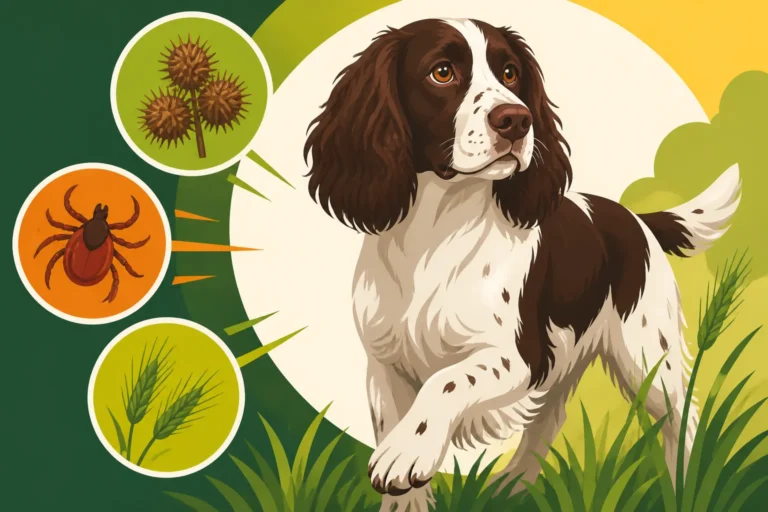
Beyond meal times, a snood can be a fantastic tool for protecting your Springer's ears during other activities. If your Springer loves splashing in puddles, exploring muddy fields, or enjoys a swim, a waterproof snood can prevent water and debris from getting lodged deep within the ear canal. For show Springers, a snood is indispensable for protecting their meticulously groomed feathering from tangles, burrs, and dirt during walks. This proactive protection helps maintain the delicate balance of the ear environment, making it less hospitable for yeast and bacteria, and ultimately contributing to a happier, healthier Springer Spaniel. If you're wondering How Often a Drop Eared Springer Spaniel Needs Cleaning, a snood can certainly extend the time between deep cleans.
Choosing the Right Snood and Getting Your Springer On Board
So, you're convinced a snood might be the answer to your ear-related woes. Great! But with so many options out there, how do you pick the right one, and more importantly, how do you get your sometimes-opinionated Springer Spaniel to actually wear it? It’s a process, but a rewarding one.
Material Matters and Sizing Up
When selecting a snood, consider both the material and the fit carefully. The material choice often depends on its primary use. For everyday mealtime protection, a breathable cotton or cotton-blend fabric is usually ideal. It’s soft, comfortable, and easy to wash. If your Springer is particularly prone to messy outdoor adventures or you're looking for extra protection during bathing, water-resistant nylon or even lighter fleece blends can be excellent choices. You can find a wide variety of these materials on pet supply sites like Chewy or general online marketplaces like Amazon, often with different patterns and colors to suit your dog's personality (or yours!).
Sizing is absolutely crucial. A snood that’s too tight will be uncomfortable and could rub, while one that’s too loose won’t stay on or effectively hold the ears back. Most snoods are sized by neck circumference and length. Measure your Springer’s neck just behind their ears and from the top of their head to just below their chin. Consult the manufacturer's sizing chart carefully. A good fit means the snood is snug enough to stay in place without restricting breathing or causing irritation. It should cover the ears completely and lift them away from the food or ground.
Here’s a quick comparison of common snood materials:
| Snood Material | Pros | Cons | Best Use |
|---|---|---|---|
| Cotton/Jersey | Soft, breathable, affordable, easy to wash | Absorbs moisture, less durable for rough use | Mealtime, light walks |
| Fleece | Warm, soft, provides good coverage | Can be hot, may attract burrs, can be bulky | Winter, sensitive skin |
| Water-Resistant Nylon | Durable, easy to wipe clean, prevents soaking | Less breathable, can be noisy, may feel stiff | Wet weather, grooming |
| Mesh/Lightweight | Very breathable, good for hot climates | Offers less protection against food particles | Summer, short walks |
Introducing the Snood: A Step-by-Step Approach
Introducing anything new to a dog, especially something worn on their head, requires patience and positive reinforcement. Don't just spring the snood on your Springer right before mealtime and expect immediate acceptance. Start slowly, in a calm environment, with plenty of treats and praise.
- Positive Association: Let your Springer sniff the snood. Offer high-value treats (like small pieces of cooked chicken or cheese) whenever they show curiosity or a calm acceptance of the snood’s presence.
- Brief Wear: Gently slip the snood over their head, just for a few seconds. Immediately remove it and reward heavily. Repeat this several times a day, gradually increasing the duration. The goal here is to make the experience brief and overwhelmingly positive.
- Distraction During Wear: Once your Springer tolerates the snood for a minute or two, try distracting them with a favorite toy or a quick training session while they're wearing it. This helps them associate the snood with fun activities rather than something restrictive.
- Mealtime Introduction: When they seem comfortable, introduce the snood during mealtime. Put it on before you put the food bowl down. If they try to paw it off, gently redirect them or distract them. The association with delicious food, especially if your dog loves their dinner (perhaps a tasty meal from Ollie or their favorite kibble), can quickly override any initial reluctance.
- Consistency is Key: Make snood-wearing a consistent part of their mealtime routine. They will quickly learn that "snood on" means "food is coming!" and become much more cooperative. Remember, patience is your best friend here. A calm, reassuring attitude from you will go a long way in helping your Springer embrace their new ear-saver.
Beyond the Snood: Other Strategies for Ear Health and Cleanliness
While snoods are fantastic, they're just one piece of the puzzle when it comes to comprehensive ear care for your Springer Spaniel. A holistic approach that combines good grooming, appropriate feeding practices, and regular veterinary checks will ensure those ears stay truly healthy and happy.
Elevated Bowls and Regular Grooming
Even with a snood, consider pairing it with an elevated food and water bowl. Lifting the bowls means your Springer doesn't have to bend their head down as far, naturally reducing the chance of their ears trailing on the ground or dipping into the contents, even if the snood isn't perfectly positioned. Many owners find elevated feeders to be a game-changer for reducing mess, and they're widely available from online retailers or your local pet store. It’s also often more comfortable for larger or older dogs who may have joint issues.
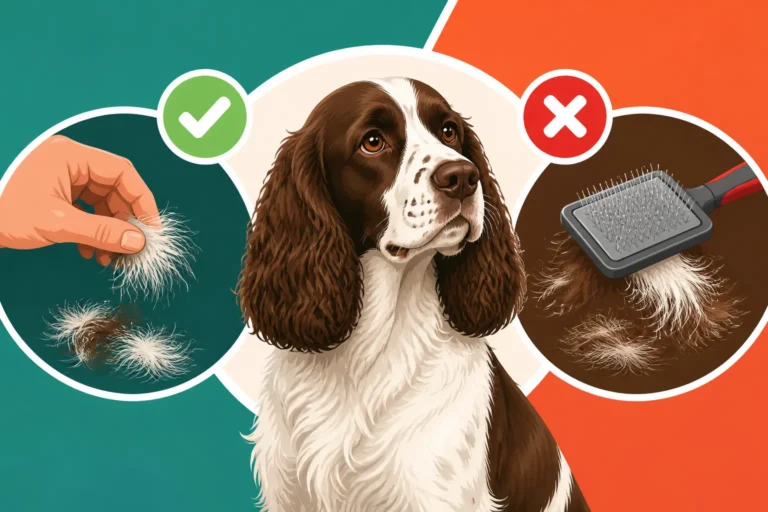
Regular grooming is non-negotiable for Springer Spaniels, and ear care is a huge part of that. Those beautiful long feathers can easily collect dirt, burrs, and debris, especially in The Feathering a Show Springer Spaniel Drags Through Everything. Make sure to brush the ear feathering frequently to prevent mats and tangles, which can pull at the skin and create further irritation. Trimming the hair around the ear canal can also improve air circulation, but be careful not to pluck ear hair unless advised by your vet, as this can sometimes cause more problems than it solves. Consistent grooming reduces the overall load of external irritants that can contribute to ear issues. Whether a Springer Spaniel Needs Ear Surgery or Trimming a Springer Spaniel's Feathering are great resources for more detailed grooming advice.
Consistent Ear Cleaning and Vet Checks
No matter how diligent you are with snoods and elevated bowls, regular ear cleaning remains a cornerstone of Springer Spaniel ear health. Your veterinarian can recommend a suitable ear cleaning solution – generally, one that is pH-balanced and contains drying agents. You can often purchase these from your vet's office or find them on reputable sites like Chewy. Establish a routine for cleaning your Springer’s ears, perhaps once a week, or more frequently if they're prone to infections or swim often. Whether a Springer Spaniel's Ears Should Be Checked Weekly is a good article to review.
Beyond routine cleaning, regular veterinary check-ups are vital. Your vet can perform a thorough otoscopic exam to look deep into the ear canal, checking for signs of infection, foreign bodies, or other abnormalities. If your Springer shows any signs of discomfort – excessive head shaking, scratching, redness, swelling, or a foul odor from the ears – don't hesitate to seek veterinary attention. Early intervention can prevent minor issues from escalating into chronic, painful problems. These consistent efforts, combined with the use of a snood, create a comprehensive preventative strategy for keeping your Springer Spaniel's ears in top condition. What Chronic Ear Disease Costs a Springer Spaniel Owner can offer a sobering look at the financial implications of neglecting ear health.
Disclaimer
This article is for general informational purposes only and does not constitute professional advice. Laws, prices and regulations vary by location and change over time. Consult a qualified professional for guidance on your specific situation.