The Feeding Chart a Springer Spaniel Puppy Follows
Bringing a new Springer Spaniel puppy home is a whirlwind of excitement, adorable antics, and, let's be honest, a good dose of anxiety, especially when it comes to their diet. Many new owners find themselves staring at a bag of puppy food, scratching their heads, wondering if they're giving too much, too little, or even the right kind of food for their energetic little fluffball. This guide is here to take the guesswork out of feeding your Springer Spaniel puppy, providing you with a clear roadmap to ensure they grow up healthy and strong, full of that signature spaniel zest.
Understanding Your Springer Spaniel Puppy's Nutritional Needs
Your Springer Spaniel puppy isn't just a mini-adult dog; they're a rapidly developing creature with unique dietary requirements. Their bodies are working overtime, building bones, muscles, and organs, all while fueling an incredible amount of play and exploration. Getting their nutrition right in these formative months sets the stage for a healthy life.
Rapid Growth and High Energy Demands
Think about it: in just a few short months, that tiny, wriggly puppy is going to transform into a sleek, muscular, medium-sized dog. This phenomenal growth spurt requires a consistent supply of calories, protein, and essential nutrients. Unlike adult dogs, puppies have a much higher metabolic rate. They burn through energy like tiny furnaces, whether they're pouncing on toys, wrestling with littermates, or simply exploring a new scent in the garden. This isn't just about weight gain; it's about skeletal development, muscle formation, and brain growth. If their nutritional needs aren't met, you could see issues ranging from stunted growth to poor coat quality or even weakened immune systems. It’s a critical window where every meal truly matters.
The Importance of a Balanced Puppy Formula
It might be tempting to just grab any dog food off the shelf, but a balanced puppy formula is specifically engineered for these demanding developmental stages. These foods typically contain higher levels of protein and fat to support rapid growth and energy. Crucially, they also have carefully calibrated ratios of calcium and phosphorus, vital for healthy bone and joint development. Too much or too little of these minerals can lead to serious orthopedic problems, especially in breeds prone to conditions like Hip Dysplasia in a Springer Spaniel. Puppy foods often include essential fatty acids like DHA for brain and vision development, and a broader spectrum of vitamins and minerals to bolster their still-developing immune system. Using an adult dog food for a puppy simply won't cut it, as it lacks the concentrated nutrition and precise balance required for optimal growth.
The Puppy Feeding Chart: Age and Frequency
One of the biggest questions I hear from new Springer owners is, "How often should I feed my puppy?" The answer changes as they grow, transitioning from tiny, frequent meals to a more structured adult schedule. Consistency is key, not just for their digestion, but also for building good habits and house-training routines.
From Weaning to 12 Weeks: Frequent Small Meals
When you first bring your Springer Spaniel puppy home, usually around 8 weeks old, they've just transitioned from their mother's milk to solid food. Their tiny tummies can't handle large meals, so frequent, smaller portions are essential. Typically, a puppy this age should be fed three to four times a day.
Imagine your little Springer exploring its new home. It has short bursts of incredible energy, followed by long naps. Those frequent meals help sustain that energy and prevent their blood sugar from dipping too low. A common schedule might look something like:
- Morning (7-8 AM): First meal after waking up.
- Lunch (12-1 PM): Midday top-up.
- Late Afternoon (4-5 PM): Another meal before the evening activities.
- Evening (7-8 PM): Final meal, a few hours before bedtime, to allow for digestion and a last potty break.
This structured approach also really helps with house-training. What goes in must come out, and knowing when they eat allows you to predict when they'll need to go outside. Remember, their digestive systems are still immature, so stability in their diet and meal times is paramount. A good breeder will have already started them on a quality puppy food, and ideally, you should continue with that same food for at least the first few weeks to avoid upsetting their stomach.
3 to 6 Months: Establishing a Routine
As your Springer Spaniel puppy grows from a fluffy little furball into a slightly less fluffy, but still incredibly energetic, adolescent, their digestive system matures, and they can handle larger portions less frequently. Around 3 to 4 months of age, you can usually reduce their feeding frequency to three times a day. This might mean dropping the midday meal or simply adjusting the timing of the others.
By 6 months, many Springer Spaniel puppies are comfortable on a two-meal-a-day schedule, mirroring an adult dog's routine. This is often the most convenient for owners and works well for most puppies. For example:
- Breakfast: Served in the morning, after their first potty break.
- Dinner: Served in the early evening, a few hours before their last potty break and bedtime.
This phase is about establishing consistency. Your puppy thrives on routine, and knowing when their meals are coming helps them feel secure. It also reinforces your role as the provider and leader. Even if your Springer is showing signs of becoming a Field Bred Springer Spaniel Is a Different Dog to Live With, maintaining this feeding schedule is crucial for their physical development.
6 Months to 1 Year: Transitioning to Adult Feeding
Between 6 and 12 months, your Springer Spaniel puppy is still growing, but the rapid growth spurts begin to slow down. They're filling out, gaining muscle, and becoming more coordinated. This is the period when you'll typically transition them from puppy food to adult dog food. The exact timing can vary, but generally, larger breeds or those with higher energy output might stay on puppy food a little longer, up to 12 months, while others can transition around 9-10 months.
When it's time to switch, do it gradually over 7-10 days. Start by mixing a small amount of the new adult food with their current puppy food. Each day, slightly increase the proportion of the new food while decreasing the old. This slow transition helps their digestive system adjust and minimizes the risk of an upset stomach. You'll likely keep them on a two-meal-a-day schedule, which is perfectly suitable for adult Springer Spaniels. By their first birthday, your Springer should be fully on an adult diet, ready for the next stage of their life.
How Much to Feed: Beyond the Bag's Recommendations
The feeding guidelines on the back of any dog food bag are just that – guidelines. Every Springer Spaniel puppy is an individual, and their caloric needs can vary significantly based on their genetics, metabolism, and activity level. Simply scooping out the recommended amount without observing your puppy is a recipe for either an underweight or overweight dog.
Assessing Body Condition Score
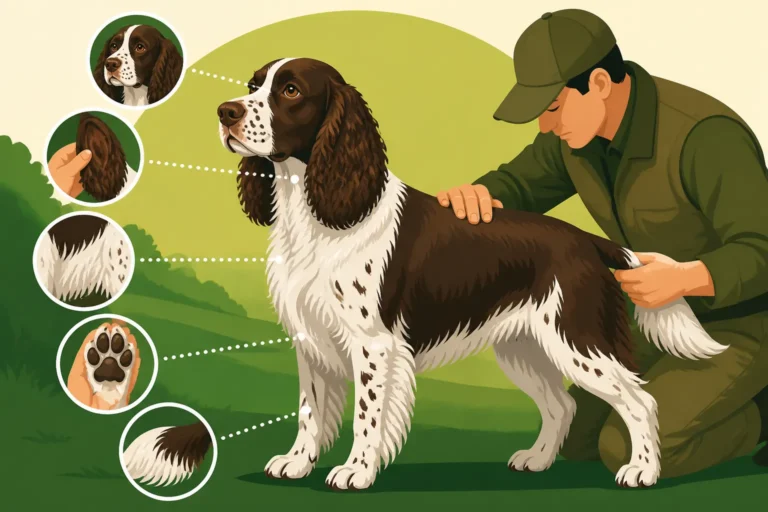
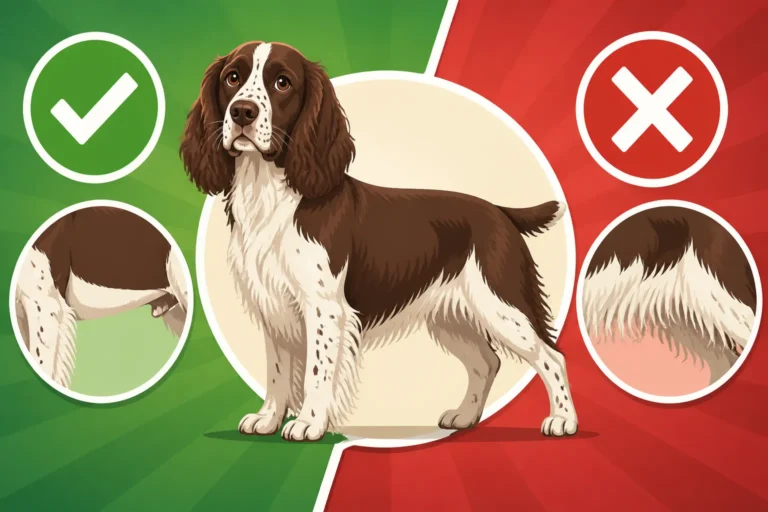
The most reliable way to determine if you're feeding the right amount is to regularly assess your puppy's body condition score (BCS). This is a hands-on approach that tells you more than just the number on the scale. You want to feel for their ribs and see a discernible waistline.
Here’s a quick guide to what you should be looking for:
- Ribs: You should be able to easily feel your Springer's ribs with minimal fat covering them, similar to feeling the back of your hand. You shouldn't be able to see them protruding sharply, which would indicate being too thin. If you have to press hard to feel them, your puppy is likely carrying too much weight.
- Waistline: When you look down at your puppy from above, you should see a clear "tuck" or narrowing behind their ribs, forming a distinct waist.
- Abdominal Tuck: When viewed from the side, their belly should tuck up slightly from their chest, rather than hanging low or being parallel to the ground.
A Springer Spaniel at a healthy weight is agile and energetic. If they're too heavy, it puts unnecessary strain on their developing joints, potentially exacerbating issues like Elbow Dysplasia in a Springer Spaniel and leading to health problems down the road. Conversely, an underweight puppy might lack the energy for proper play and development. Regularly checking their BCS allows you to make subtle, informed adjustments to their food intake.
Adjusting for Activity Level and Individual Metabolism
Springer Spaniels are known for their boundless energy. A puppy from working lines, even if not destined for the field, often has a higher metabolism and needs more calories than a more sedate show-line puppy. A puppy that spends hours romping in the yard or going for vigorous walks will naturally need more fuel than one with a quieter daily routine.
Consider these factors:
- Playtime and Exercise: Is your puppy spending a lot of time running, jumping, and playing vigorously? Or are they more of a cuddle bug with shorter bursts of activity? More active puppies will need slightly larger portions. This is especially true if you plan on them becoming a Working Springer Spaniel Wears Out Its Joints later on.
- Growth Spurts: Some days your puppy might seem ravenous, while others they're less interested. Major growth spurts can temporarily increase their appetite.
- Individual Metabolism: Just like people, dogs have individual metabolic rates. Some Springers are simply "easy keepers" and can put on weight quickly, while others burn through calories at an incredible pace. Observe your puppy's energy levels and body condition. If they seem lethargic, or if their ribs are becoming too prominent despite eating the recommended amount, they might need more food. If they're gaining weight too rapidly or becoming round, it's time to slightly reduce their portion size.
It's a delicate balance, and it changes month to month. Don't be afraid to adjust portions by a quarter or half cup per day, and then reassess their body condition after a week or two. Your veterinarian can also offer valuable guidance on your individual puppy's ideal weight and feeding plan.
Choosing the Right Food for Your Springer Spaniel Puppy
Walking down the pet food aisle can be overwhelming with the sheer number of options available. For your Springer Spaniel puppy, making an informed choice is about understanding the different types of food and what truly benefits their growing bodies.
Dry Kibble, Wet Food, or Fresh/Raw Diets
Each type of food comes with its own set of pros and cons:
- Dry Kibble: This is by far the most popular and convenient option. Good quality kibble is formulated to be nutritionally complete and balanced for puppies. It's also generally the most economical choice. The crunchy texture can help with dental hygiene, though it's not a substitute for regular dental care. When choosing kibble, look for formulas specifically labeled for "puppies" or "all life stages," and check for a named meat source (e.g., "chicken meal" rather than "meat by-products") as a primary ingredient. Many excellent brands are available from retailers like Chewy or Amazon.
- Wet Food (Canned): Wet food is often more palatable for picky eaters and provides excellent hydration. It can be a good option for puppies needing to gain weight or those with certain medical conditions. However, it's typically more expensive than kibble and some brands might not be nutritionally complete on their own, often designed as toppers or mixers. If feeding wet food exclusively, ensure it's a "complete and balanced" formula for puppies.
- Fresh/Lightly Cooked Diets: Brands like Ollie offer human-grade, lightly cooked meals delivered fresh. These diets often appeal to owners looking for less processed options. They can be highly palatable and digestible, and some owners report improvements in coat quality and energy levels. However, they are significantly more expensive and require careful storage. Ensure any fresh diet you choose is formulated by a board-certified veterinary nutritionist to meet AAFCO (Association of American Feed Control Officials) guidelines for puppy growth.
- Raw Diets (BARF – Biologically Appropriate Raw Food): Raw feeding involves giving uncooked meat, bones, organs, and sometimes vegetables. Proponents believe it mimics a dog's ancestral diet. While some dogs thrive on raw, it carries significant risks, including bacterial contamination (E. coli, Salmonella) for both the dog and humans, and the potential for nutritional imbalances if not carefully formulated by an expert. It's crucial to consult with your veterinarian before considering a raw diet for a growing puppy, as an improperly balanced raw diet can lead to serious developmental problems.
Considerations for Breed-Specific Needs
While there aren't specific Springer Spaniel breed formulas for puppies in the same way there are for giant breeds, you should still consider some general breed tendencies:
- Sensitive Stomachs: Some Springer Spaniels can have sensitive digestive systems. If your puppy experiences frequent loose stools or excessive gas, you might consider a puppy formula designed for sensitive stomachs, often containing limited ingredients or novel protein sources.
- Allergies: While less common in puppies, some Springer Spaniels can develop allergies, which might manifest as itchy skin or recurrent ear infections (a common Springer ailment, as discussed in Why a Springer Spaniel's Ears Are Never Quite Healthy). If you suspect allergies, your vet might recommend a limited ingredient diet.
- Joint Health: Given their active nature and potential for conditions like hip and elbow dysplasia, choosing a puppy food that supports joint health with appropriate calcium/phosphorus ratios and possibly added glucosamine/chondroitin (though more common in large breed puppy formulas) can be beneficial.
Always read ingredient lists carefully. Look for whole food ingredients, and avoid artificial colors, flavors, and preservatives. When in doubt, discussing your choices with your veterinarian is always the best course of action. They can help you navigate the options and recommend a diet tailored to your Springer Spaniel puppy's specific needs.
Common Feeding Mistakes to Avoid
Even with the best intentions, it's easy to fall into common traps when feeding a puppy. Avoiding these pitfalls will save you headaches (and potentially vet bills) down the line.
Overfeeding and Underfeeding
This is probably the most common mistake new owners make.
- Overfeeding: It's tempting to spoil your adorable Springer puppy with extra food, especially when they give you those big, pleading spaniel eyes. However, overfeeding can lead to rapid growth, which, paradoxically, isn't healthy. Growing too fast can put excessive stress on developing bones and joints, increasing the risk of orthopedic problems like hip or elbow dysplasia. An overweight puppy also carries that excess weight into adulthood, predisposing them to obesity-related issues like diabetes, arthritis, and heart disease. Always stick to measured portions and monitor their body condition closely.
- Underfeeding: On the flip side, underfeeding can lead to stunted growth, nutritional deficiencies, and a lack of energy. An underfed puppy might be lethargic, have a dull coat, or struggle with a weakened immune system. This is less common with readily available, balanced puppy foods, but it can happen if portions are consistently too small or if the food quality is poor. If your puppy seems constantly hungry, check their BCS before increasing portions. Sometimes, what seems like hunger is just a puppy's natural scavenging instinct.
Regular vet check-ups are invaluable during puppyhood. Your vet can assess your Springer's growth curve and ensure they're on the right track.
Switching Foods Too Quickly
Imagine if your diet suddenly changed from bland toast to a five-course spicy meal overnight. Your stomach wouldn't be happy, right? It's the same for your Springer Spaniel puppy. Their digestive systems are sensitive, and abrupt changes in food can lead to gastrointestinal upset – think diarrhea, vomiting, and loss of appetite. This is not only unpleasant for everyone involved but can also lead to dehydration in young puppies.
As mentioned earlier, always transition to a new food gradually over 7-10 days. Start with 75% old food and 25% new food for a few days, then move to 50/50, then 25/75, before finally feeding 100% new food. Watch your puppy for any signs of digestive upset during this period. If they show signs of trouble, slow down the transition even further. This applies not just to switching brands, but also to transitioning from puppy food to adult food.
Free-Feeding vs. Scheduled Meals
Free-feeding, where food is left out all day for your puppy to graze on, is generally not recommended for Springer Spaniel puppies.
Here's why scheduled meals are superior:
- Portion Control: With scheduled meals, you know exactly how much your puppy is eating, making it easier to manage their weight and assess their appetite. This helps prevent both overfeeding and underfeeding.
- House Training: As mentioned, what goes in must come out. Scheduled meals allow you to predict when your puppy will need to relieve themselves, making house training much more effective. If they're grazing all day, it's much harder to anticipate potty breaks.
- Monitoring Health: A sudden loss of appetite is often one of the first signs that a dog isn't feeling well. If your puppy free-feeds, you might not notice for hours that they haven't touched their food. With scheduled meals, you immediately know if they're refusing to eat, prompting you to investigate further or contact your vet.
- Resource Guarding: For some puppies, free-feeding can contribute to resource guarding, where they become possessive over their food bowl. Scheduled meals, where you present and remove the food, can help establish that you control resources.
- Encourages Eating: Believe it or not, some puppies actually eat better with scheduled meals because they know the food won't be there indefinitely. It creates a gentle sense of urgency.
Scheduled feeding provides structure, promotes good digestion, and gives you valuable insights into your puppy's health and habits.
Sample Springer Spaniel Puppy Feeding Chart
This chart provides a general guideline for feeding your Springer Spaniel puppy. Remember, these are starting points; always adjust based on your individual puppy's body condition and activity level. Always consult the specific feeding instructions on your chosen puppy food bag and your veterinarian.
| Age of Puppy | Feeding Frequency | Meal Size (Approximate) | Important Notes |
|---|---|---|---|
| 8 – 12 Weeks | 3-4 times/day | 1/2 to 1 cup per meal (total daily amount divided) | Their stomach is small! Keep meals frequent and small. Use the food your breeder used initially. Free access to fresh water is vital. This is also when you'll begin working on The First Year With a Springer Spaniel Puppy including socialization and basic training. |
| 3 – 6 Months | 3 times/day | 1 to 1.5 cups per meal (total daily amount divided) | Growth is rapid. Monitor body condition closely. This is a good time to establish a solid routine. Reduce feeding to three times a day as tolerated. Watch out for signs of growing too fast (How Fast a Springer Spaniel Puppy Should Grow). |
| 6 – 12 Months | 2 times/day | 1.5 to 2 cups per meal (total daily amount divided) | Slow down growth to prevent joint issues. Begin transitioning to adult food around 9-12 months, slowly over 7-10 days. Adjust portions based on energy levels and BCS. Consider adding a Joint Supplements for a Springer Spaniel if recommended by your vet, especially if from working lines. |
| 1 Year + (Adult) | 2 times/day | Varies by dog/food (follow adult food guidelines) | Fully transition to a high-quality adult dog food. Continue monitoring BCS. Activity levels for a How Much a Working Springer Spaniel Should Eat will be higher than a more sedentary pet. |
Note: Cup measurements are for a standard 8-ounce measuring cup. Always refer to your specific food's packaging for their recommended daily portion based on weight/age, and then divide by the number of meals.
Always provide constant access to fresh, clean water. Your energetic Springer Spaniel puppy will need to stay well-hydrated, especially after intense play sessions or during warmer weather.
Conclusion: A Healthy Start for Your Springer Spaniel
Feeding your Springer Spaniel puppy isn't just about filling their bowl; it's about providing the foundation for a lifetime of health, happiness, and that incredible spaniel exuberance. By understanding their unique nutritional needs, following a consistent feeding schedule, carefully monitoring their body condition, and choosing a high-quality, balanced diet, you're setting them up for success. Don't be afraid to adjust as your puppy grows and changes – it's an ongoing process of observation and care. When in doubt, your veterinarian is always your best resource for personalized advice. Enjoy watching your well-fed, energetic Springer puppy blossom into a cherished family member!
Disclaimer
This article is for general informational purposes only and does not constitute professional advice. Laws, prices and regulations vary by location and change over time. Consult a qualified professional for guidance on your specific situation.