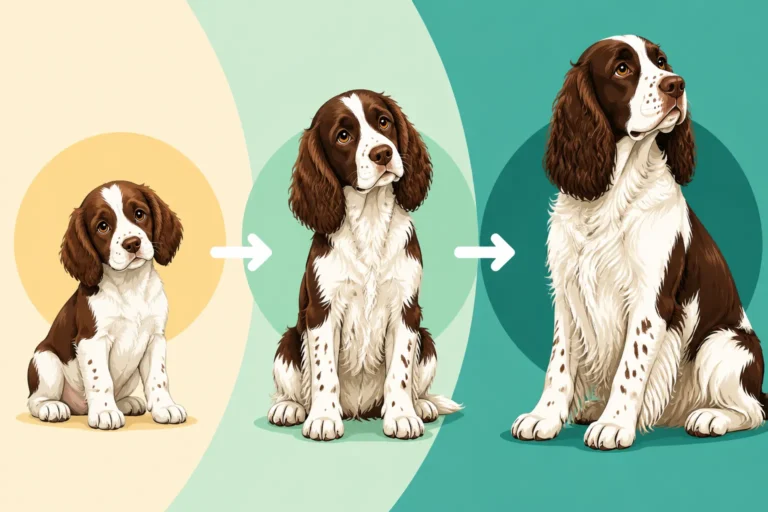
Whether a Springer Spaniel Needs a Job to Be Happy
It's a common worry among prospective and current Springer Spaniel owners: does my energetic, intelligent companion really need a formal "job" to be happy? Many people feel the pressure that if their Springer isn't actively hunting or competing, they're somehow failing their dog, leading to guilt and confusion about how to meet their needs. This guide will explore the deep-seated instincts of the English Springer Spaniel and show you how to provide the purposeful engagement they crave, even if it's not a traditional gundog role.
Understanding the Springer Spaniel's Innate Drive
Let's face it, when you see a Springer Spaniel, you're looking at a dog bred for a very specific, active purpose. They aren't ornamental lapdogs, no matter how much they love a good cuddle on the couch after a busy day. Their entire history, their physical build, and their mental makeup are geared towards work. Ignoring this fundamental aspect of their being is often where frustration for both dog and owner begins.
The Historical Purpose: What "Springing Game" Really Means
The name "Springer" isn't just a cute moniker; it describes exactly what these dogs were developed to do: "spring" or flush game birds from dense cover so that a hunter could shoot them. Imagine thick brambles, tall grasses, and tangled undergrowth – a Springer Spaniel was expected to plunge headfirst into this, using their keen nose and boundless energy to locate hidden birds. This wasn't a leisurely stroll in the park. This was intense, focused work requiring stamina, bravery, and an unshakeable desire to find what was hidden. They were the original flushing machines, covering ground tirelessly.
Their job didn't end with flushing, either. Once the bird was retrieved, often from land or water, they were expected to bring it back gently, delivering it to hand without damage. This combination of intense searching, flushing, and retrieving meant they needed high levels of mental focus and physical endurance. They needed to think on their feet, problem-solve in challenging terrain, and maintain their enthusiasm through long hours in the field. This history isn't just a footnote; it's the very foundation of their temperament and needs today. For more on their origins, you might want to read The 1902 Split That Separated Springer From Cocker.
The Genetic Blueprint: Hardwired for Activity and Engagement
When you bring a Springer Spaniel into your home, you're essentially adopting a canine athlete and a super-sniffer rolled into one, genetically predisposed to certain behaviors. They have an incredible drive to explore with their nose, a natural athleticism that demands movement, and an intelligent mind that needs problems to solve. This isn't something you can train out of them; it's woven into their DNA. Think of it like a sports car designed for speed – you can drive it slowly, but it's built for acceleration and handling, and it will be happiest when it gets to stretch its legs and perform.
For a Springer, mental engagement is just as crucial as physical exercise. A tired body isn't enough; they need a tired mind. Without appropriate outlets for their intelligence and natural instincts, they can become bored, frustrated, and even destructive. This isn't malice; it's simply a dog trying to fulfill its genetic imperative in the absence of suitable direction. Many owners find themselves asking Whether a Bored Springer Spaniel Destroys Things because these natural instincts, when unchanneled, can manifest in ways we don't always appreciate indoors.
Defining "A Job" for a Springer Spaniel
The idea of a "job" for a dog can feel a bit intimidating, especially if you're not a hunter or competitive dog sport enthusiast. But it doesn't have to mean donning blaze orange and heading into a pheasant field. For a Springer Spaniel, a "job" really boils down to consistent, purposeful engagement that satisfies their inherent drives. It's about giving them something to do that feels meaningful to them.
Beyond Traditional Gundog Work: Modern Interpretations of "Work"
While gundog work is their heritage, modern Springer Spaniels thrive in a variety of "jobs" that tap into their natural talents. Think of any activity that requires their brain, nose, and body to work together. This could be anything from organized dog sports to integrated daily routines.
- Scent Work/Nose Work: This is a fantastic outlet. Springers have phenomenal noses, and giving them a "job" to find specific odors (like essential oils in competitive nose work, or just hidden treats and toys around the house) is incredibly fulfilling. It's mentally taxing and physically engaging without being high-impact. You can even set up simple scent games in your backyard or during walks. Whether Scent Games Tire a Springer Spaniel is a resounding yes!
- Agility: Navigating obstacle courses, jumping hurdles, weaving poles – agility combines physical prowess with mental focus. It requires them to listen to commands, think about their footing, and move with speed and precision. It's a fantastic way to burn energy and build a strong bond.
- Obedience and Rally: While not as physically demanding, advanced obedience and rally engage their minds through complex command sequences and focus work. It requires discipline, attention, and a strong partnership with their handler.
- Canine Good Citizen (CGC) and Therapy Work: These roles, while not high-octane, require a steady temperament, excellent manners, and the ability to remain calm and focused in various environments. A well-trained Springer can excel as a therapy dog, bringing joy to people in hospitals or nursing homes, which is a different kind of "job" that provides purpose.
- Active Companionship: Even without formal sports, being an active partner in your daily life can be a job. Hiking, trail running, long walks with plenty of sniffing opportunities, playing fetch with a purpose (e.g., retrieving specific toys on command) – these all provide engagement.
The key is to remember that for a Springer, mental stimulation is often more tiring than just physical exercise alone. A short, intense session of problem-solving or scent work can leave them more satisfied than an hour of mindless running.
The Difference Between Field and Show Lines in Drive
It's crucial to understand that not all Springer Spaniels are created equal, especially when it comes to their inherent drive and "work" ethic. The breed has diverged into two distinct types: field-bred and show-bred (often called "bench" type). These differences significantly impact how much "job" they need to be happy.
- Field-Bred Springer Spaniels: These dogs are bred specifically for their working ability in hunting. They typically have a leaner build, a shorter, less profuse coat, and an intense, boundless energy level. Their drive to hunt, retrieve, and please their handler is often exceptional. For a field-bred Springer, an hour-long walk simply won't cut it. They need vigorous exercise, often involving running, swimming, and complex mental challenges daily. Their "job" is paramount to their happiness. If you have a field-bred Springer, understanding A Field Bred Springer Spaniel Is a Different Dog to Live With is essential, as their needs are profoundly different. They require substantial engagement, often needing dedicated training for hunting, agility, or other high-drive sports.
- Show-Bred Springer Spaniels: Bred for conformation (their appearance according to the breed standard), these Springers tend to be heavier-boned, with longer, more abundant coats. While they still possess the inherent Springer energy and intelligence, their drive is generally less intense than their field-bred counterparts. They still require substantial daily exercise and mental stimulation, but they might be more content with long walks, interactive play, and puzzle toys rather than needing to run miles every day or engage in intense gundog work. They are often better suited for families looking for an active companion who isn't necessarily going to be out in the field every weekend. However, don't mistake "less intense" for "low energy." They are still Springers! How Far Apart the Two Springer Spaniel Types Have Drifted provides more context on these differences.
Understanding which type of Springer you have, or are considering, is vital in setting realistic expectations for their "job" needs. A show-bred Springer might find immense satisfaction in regular park visits and advanced obedience, while a field-bred dog might chew through your furniture if not given a more demanding purpose.
The Consequences of Under-Stimulation
Thinking a Springer Spaniel can be content with just a couple of walks a day and a comfy bed is a recipe for disaster. When their innate drives aren't met, their energy and intelligence don't simply vanish; they get redirected, often into behaviors we find undesirable, frustrating, and even destructive. This isn't out of spite; it's a dog trying to cope with unmet needs.
Behavioral Issues Stemming from Boredom
A bored Springer Spaniel is a destructive Springer Spaniel. They're intelligent problem-solvers, and if you don't give them appropriate problems to solve, they'll invent their own. These "problems" usually involve your possessions, your garden, or your sanity.
- Destructive Chewing: This is perhaps the most common symptom. That expensive new sofa leg, your favorite pair of shoes, or even the drywall can become targets for a dog trying to relieve pent-up energy and mental frustration. They're not being "bad"; they're simply channeling their instincts to chew and explore with their mouths, which is natural for a retrieving breed. Providing appropriate chew toys and plenty of mental tasks can help, but it's often a symptom of a deeper issue of boredom.
- Excessive Barking: A Springer who isn't getting enough mental or physical exercise might become a nuisance barker. They might bark at every squirrel, every leaf, or just for attention, because it's something to do. This can be particularly frustrating for neighbors and can be a sign of underlying anxiety or lack of stimulation.
- Digging: Their desire to "spring" game from cover can translate into an intense urge to dig in your yard. They might be trying to find moles, or simply trying to create their own "cover" or sensory experience. Large holes appearing overnight are a classic sign of an under-stimulated working breed.
- Hyperactivity and Nipping: A dog that constantly bounces off the walls, struggles to settle, or nips for attention might be overly energetic and under-exercised. They simply don't know what to do with all that internal drive.
- Separation Anxiety: While not exclusively caused by under-stimulation, a dog that lacks purpose and mental outlets can be more prone to developing separation anxiety. Their intense bond with their human, combined with a lack of self-soothing strategies, can lead to panic when left alone. Separation Anxiety in a Springer Spaniel is a real and challenging issue for many owners. Providing enriching activities when you are home can help them build confidence and cope better when you're away.
Physical and Mental Health Impacts
Beyond the immediate behavioral headaches, chronic under-stimulation can have significant long-term effects on your Springer Spaniel's overall health and well-being.
- Obesity: If a high-energy dog isn't burning calories, they're storing them. Obesity in dogs can lead to a cascade of health problems, including joint issues like Hip Dysplasia in a Springer Spaniel, diabetes, and heart disease. Keeping them at a lean, working weight is crucial, and that requires consistent activity. You'll want to ensure you're feeding them appropriately, and there are many excellent choices available at pet supply retailers like Chewy.
- Anxiety and Stress: A dog constantly bursting with energy and nowhere to put it can experience chronic stress and anxiety. This isn't just behavioral; it has physiological impacts, affecting their immune system and overall mental state. Anxious dogs are not happy dogs, and a Springer who isn't allowed to express its natural behaviors will almost certainly be anxious.
- Destructive Self-Soothing: Sometimes, under-stimulated dogs will resort to self-mutilation, like obsessive licking of paws or flanks, which can lead to hot spots or skin infections. This is a behavioral coping mechanism for stress and boredom.
- Relationship Strain: Living with a constantly mischievous or destructive dog can strain the bond between owner and pet. What began as joy can turn into exasperation, leading to less interaction, which further exacerbates the dog's problems. It's a vicious cycle that can unfortunately lead to dogs being rehomed.
A Springer Spaniel needs that feeling of purpose to thrive, not just survive.
Providing Purpose in a Pet Home
The good news is that you don't need a hunting preserve or a professional trainer to give your Springer Spaniel a fulfilling life. Providing purpose in a pet home is all about creative engagement and consistent effort. It's about integrating their natural drives into your daily routine and giving them appropriate outlets for their keen minds and bodies.
Engaging Their Minds: Scent Work and Puzzle Solving
Mental stimulation is paramount for a Springer. Their intelligence and incredible sense of smell are their superpowers, and they absolutely love to use them.
- Structured Scent Games: Start simple. Hide treats around the house and let your Springer "hunt" for them. You can use their regular kibble or small, high-value treats. Gradually increase the difficulty by hiding them in more challenging spots or under objects. You can even try hiding a favorite toy and asking them to "find it." This taps directly into their searching instincts. Many online resources and books offer structured scent work games you can do at home, or consider joining a local nose work class.
- Puzzle Toys and Interactive Feeders: These are a godsend for intelligent, food-motivated dogs. Instead of just putting their food in a bowl, make them work for it. Puzzle toys, snuffle mats, and slow feeders turn mealtime into a mental challenge. Brands like Outward Hound, available at places like Chewy, offer a huge variety of interactive toys designed to engage your dog's brain. These can keep them occupied for a good chunk of time, especially when you need a moment of peace. Whether Puzzle Toys Settle a Springer Spaniel depends on the dog and the puzzle, but they are a valuable tool.
- "Find It" Games on Walks: Make walks more engaging than just a leash-led stroll. Periodically hide a treat in the grass and give a "find it" command. This not only encourages their natural sniffing behavior but also makes them think and use their nose in different environments. This enriches the walk immensely and makes it a "working" experience.
- Learning New Tricks and Advanced Obedience: Don't stop at sit and stay. Springer Spaniels love to learn. Teach them complex trick sequences, chain commands together, or explore advanced obedience concepts. This mental effort is incredibly satisfying for them and strengthens your bond. They thrive on the interaction and the feeling of accomplishment.
Fulfilling Their Bodies: Structured Exercise and Outdoor Adventures
While mental stimulation is key, a Springer Spaniel also needs vigorous physical exercise. This is a high-energy breed, and bottling that up is unfair to them.
- Daily, Purposeful Exercise: This means more than a short walk around the block. A field-bred Springer often needs 1-2 hours of intense activity daily, which could include running, swimming, or vigorous games of fetch. Show-bred Springers, while slightly less intense, still need significant exercise, perhaps an hour of brisk activity. How Much Exercise a Field Bred Springer Spaniel Needs and How Much Exercise a Show Bred Springer Spaniel Needs are good reads for specific guidance.
- Off-Leash Exploration (Safely): Whenever possible and safe, allow your Springer to run and explore off-leash in a secure area. Their natural quartering pattern (zig-zagging to cover ground) is an instinct they love to express. Just make sure their recall is ironclad, as their nose can lead them astray! A GPS collar can be a wise investment for peace of mind.
- Water Work: Most Springers adore water. Swimming is fantastic low-impact exercise that can tire them out thoroughly. If you have access to a safe lake, pond, or even a dog-friendly pool, let them indulge. Retrieving floating toys from water is a perfect activity that combines their love for water with their retrieving drive. Just be mindful of their ears; proper ear care after swimming is crucial to prevent infections. Water Work and What It Does to a Springer Spaniel's Ears is a helpful resource.
- Hiking and Trail Running: These activities allow your Springer to cover varied terrain, experience new scents, and truly stretch their legs. Always be mindful of your dog's fitness level and the weather, and carry plenty of water for both of you. Such outings provide a great opportunity for them to feel like they're "working" alongside you.
Social Connection: The Importance of Being Part of the "Pack"
Springer Spaniels are social, people-oriented dogs. Their "job" in a pet home also involves being an integral part of your family unit. They thrive on interaction and feeling connected.
- Inclusion in Family Activities: Don't relegate your Springer to the backyard. They want to be where you are, participating in family life. This might mean joining you for outdoor meals, accompanying you on errands (if dog-friendly), or simply being present in the room where you spend time. Their desire to follow you everywhere, even to the bathroom, is part of their inherent connection to their "pack." Why a Springer Spaniel Follows You Everywhere explains this bond.
- Consistent Training and Interaction: Training isn't just about obedience; it's a primary form of communication and bonding. Regular, short training sessions, even just 10-15 minutes a few times a day, provide mental stimulation and reinforce your relationship. Positive reinforcement makes it a rewarding experience for both of you.
- Socialization with Other Dogs: While not a "job" in itself, healthy socialization allows your Springer to express natural canine behaviors and interact with their own kind. Dog parks (if safe and well-managed), doggy daycare (if they enjoy it), or playdates with known, friendly dogs can be beneficial.
- Affection and Attention: Never underestimate the power of a good scratch behind the ears, a belly rub, or a quiet moment of cuddles on the floor. For a Springer, being loved and feeling connected to their human is a vital part of their overall happiness. They live to please, and your affection is their ultimate reward.
Realistic Expectations for the Average Owner
It's easy to get overwhelmed by the sheer energy and intelligence of a Springer Spaniel. Many owners feel inadequate, especially if they can't offer a traditional hunting life. But it's about setting realistic expectations for yourself and your dog, and finding creative ways to meet their needs within your lifestyle. You don't have to be an expert handler or a full-time athlete to have a happy Springer.
Balancing Drive with Domestic Life
Integrating a high-drive dog into a typical family home requires thought and planning. It’s not just about managing their energy, but also about managing your own expectations and time.
- Schedule and Routine: Dogs thrive on routine, and Springers are no exception. Establish a consistent daily schedule for exercise, feeding, training, and downtime. Knowing when their "work" and play times are can help them settle during quieter periods. For instance, a vigorous morning walk or training session can set a positive tone for the day, making them more relaxed indoors later.
- Designated "Work" Time: Carve out specific times for intentional engagement. This could be a 30-minute fetch session in the morning, a scent work game after lunch, and a training session in the evening. These focused bursts of activity are often more effective than hours of undirected wandering.
- Managing Energy Indoors: Even with ample outdoor activity, Springers can have bursts of energy indoors. Provide appropriate chew toys (again, Chewy has a wide selection of durable options) and enrichment tools to redirect this energy. A comfy bed in a quiet corner can also help them learn to settle. Teaching a "place" command can be incredibly useful for helping them relax in their designated spot when you need them to.
- Compromise and Flexibility: Life happens. Some days you might not be able to provide the ideal amount of exercise. On those days, lean heavily on mental games, puzzle toys, and extra training sessions. A few days of less physical activity won't break your dog, as long as it's not the norm. The key is consistency over time, not perfection every single day.
- Consider a Second Dog (Carefully): While a second dog can provide companionship and play, don't get one just to tire out your Springer. A second dog doubles the responsibility and expense, and some Springers actually become more energetic with a playmate. However, for a well-socialized Springer, a compatible canine companion can certainly add to their happiness and provide an additional outlet for play. Whether a Springer Spaniel Needs a Second Dog explores this topic further.
Resources and Support for Active Springer Owners
You are not alone in figuring this out. There's a vast community and numerous resources dedicated to helping owners understand and fulfill the needs of active breeds like the Springer Spaniel.
- Local Dog Training Clubs: These clubs often offer a variety of classes, from basic obedience to advanced agility, nose work, and even gundog foundations. They provide structured environments, expert guidance, and a community of like-minded dog owners.
- Online Communities and Forums: Websites, Facebook groups, and forums dedicated to English Springer Spaniels are treasure troves of information and support. You can ask questions, share experiences, and learn from seasoned owners. Just be sure to cross-reference information and always consult with a professional for serious concerns.
- Professional Dog Trainers: If you're struggling with specific behaviors or feel overwhelmed, don't hesitate to seek help from a certified professional dog trainer or behaviorist. They can provide personalized advice, help you develop a tailored exercise and enrichment plan, and teach you effective training techniques.
- Specialized Equipment: Consider investing in equipment that aids in providing purpose. A long line can give them more freedom to explore safely in open areas. High-quality retrieving dummies can make fetch sessions more engaging. Brands like Chewy offer everything from training treats to durable toys and grooming supplies to keep your active Springer happy and healthy.
- Embrace the Journey: Owning a Springer Spaniel is an adventure. There will be muddy paws, chewed items, and moments of sheer exuberance. But there will also be unparalleled loyalty, joy, and the deep satisfaction of working with an intelligent, driven companion. Embrace their energy, learn their language, and celebrate their zest for life. A happy Springer Spaniel is truly one of life's greatest pleasures.
| Activity Type | Description | Benefits for Springer Spaniel | Best for (Field/Show) |
|---|---|---|---|
| Scent Work | Finding hidden treats or specific odors (e.g., essential oils) | Highly mentally stimulating, uses natural drive, low impact | Both (excellent for all) |
| Agility Training | Navigating obstacle courses, jumps, tunnels | Physical exercise, mental focus, builds bond, burns energy | Both (Field excels) |
| Advanced Obedience | Learning complex commands, heel work, stays | Mental engagement, discipline, reinforces manners, strengthens bond | Both |
| Hiking/Running | Covering varied terrain on trails | Physical endurance, environmental enrichment, natural exploration | Both (Field thrives) |
| Swimming/Retrieving | Fetching toys from water, free swimming | Full-body, low-impact exercise, satisfies retrieving drive | Both |
| Interactive Toys | Puzzle feeders, treat-dispensing toys | Mental engagement, self-entertainment, slows eating | Both |
Disclaimer
This article is for general informational purposes only and does not constitute professional advice. Laws, prices and regulations vary by location and change over time. Consult a qualified professional for guidance on your specific situation.