Whether a Springer Spaniel Needs a Second Dog
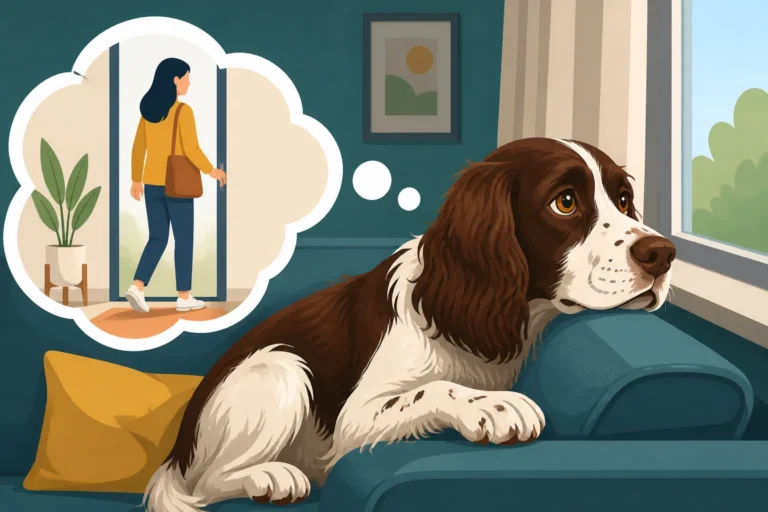
Many Springer Spaniel owners find themselves wondering if their energetic, people-loving dog might benefit from a canine companion. It’s a common thought, especially when you see your Springer shadowing your every move, perhaps looking a little forlorn when you leave, or when you’re struggling to keep up with their boundless zest for life. This guide will dive deep into whether adding a second dog is truly the answer for your Springer Spaniel, exploring the benefits, challenges, and crucial considerations before you expand your furry family.
Understanding Your Springer Spaniel's Social Nature
Springer Spaniels, by their very design and history, are incredibly social creatures. They were bred to work closely with humans, often in small teams, flushing game and retrieving alongside their handlers. This inherent drive for companionship and purpose runs deep in their veins, making them truly happiest when they are part of a bustling household.
The Pack Instinct and Its Modern Manifestation
In the wild, canids live in packs, relying on each other for survival, hunting, and companionship. While our domestic dogs are far removed from their wild ancestors, that underlying instinct for a social structure and close bonds remains incredibly strong, especially in breeds like the Springer Spaniel. They thrive on interaction, whether it's with their human family or other dogs.
You've probably noticed your Springer Spaniel's tendency to be right by your side, following you from room to room, even to the bathroom – a classic "Velcro dog" trait. This isn't just a quirky habit; it's a deep-seated need to be part of the action, to contribute, and to simply exist within their perceived pack. This intense connection can sometimes manifest as a dependency, and while it's endearing, it can also highlight a potential gap if they spend a lot of time alone. Their historical role meant constant engagement, and without that, they can feel a void. This constant shadowing is a strong indicator of their inherent desire for connection. Why a Springer Spaniel Follows You Everywhere
Signs Your Springer Might Be Lonely
It’s heartbreaking to think your beloved dog might be lonely, but understanding the signs can help you determine if a second dog might truly enhance their life. These aren't always obvious cues, but rather a collection of behaviors that suggest an unmet social or mental need.
Common indicators of loneliness or insufficient stimulation in a Springer Spaniel can range from subtle to overtly destructive. You might notice an increase in undesirable behaviors such as excessive barking or whining, particularly when left alone. Some Springers will turn to destructive chewing, targeting furniture, shoes, or anything they can get their mouths on, not out of malice, but out of sheer boredom and anxiety. Others might become withdrawn, losing interest in toys or activities they once enjoyed, or even display lethargy when their primary human companions aren't actively engaging with them. While a second dog might help, it’s also important to rule out other causes, such as true separation anxiety, which might require a more structured approach and even professional help. If your Springer is displaying signs of Separation Anxiety in a Springer Spaniel, a second dog might be a piece of the puzzle, but rarely the entire solution on its own.
Benefits of a Canine Companion for Your Springer
For many Springers, especially those with high energy levels and a strong social drive, a second dog can be an incredible gift, enriching their lives in ways we humans simply can’t always replicate.
Enrichment and Play
One of the most immediate and obvious benefits of adding a second dog is the sheer amount of enrichment and appropriate play it provides. Think about it: no matter how dedicated we are, we can't always be on the floor wrestling, chasing, or engaging in the intricate dance of dog-on-dog play. A compatible canine companion offers constant, dynamic interaction that taps into natural dog behaviors.
A second dog means there’s always someone available for a game of chase around the yard, a wrestling match that ends in a contented heap, or simply shared sniffing adventures during walks. This kind of interaction is crucial for a Springer's physical and mental well-being. It burns off that boundless energy, reduces boredom, and allows them to practice vital social skills like bite inhibition and reading canine body language. Imagine your Springer, who might otherwise spend hours waiting for you to get home, now having a buddy to burn off steam with, exploring the garden together, or even just napping side-by-side. This consistent companionship can significantly reduce the likelihood of your Springer developing boredom-induced destructive behaviors, making for a happier, more settled dog.
Alleviating Separation Anxiety
While not a magic cure, the presence of another dog can often go a long way in alleviating mild to moderate separation anxiety or general loneliness in a Springer Spaniel when their human family is away. It provides a sense of continuity and companionship that can make the hours spent alone far less daunting.
For many Springers, the distress of being left alone isn't necessarily about being alone in the house, but about being isolated from their primary social group. Having another dog there means they're never truly solitary. They have a familiar presence, a comforting warmth, and someone to share their space with. This can significantly reduce the heightened stress and panic responses often associated with separation issues. They might still miss you, of course, but the presence of a canine buddy can act as a natural buffer, providing distraction and a sense of security. Many owners report that their Springers cope much better when a friend is there. This is a common experience, and there's a lot to be said for Whether a Springer Spaniel Settles With Another Dog for Company. However, it’s vital to remember that severe separation anxiety often requires more comprehensive behavioral modification, potentially involving a professional trainer or veterinary behaviorist.
Shared Learning and Socialization
Bringing a second dog into the home, especially if there's an age difference, can foster incredible opportunities for shared learning and ongoing socialization. An older, well-adjusted dog can be an invaluable mentor to a younger pup, teaching them the ropes of household manners and canine etiquette.
A seasoned Springer can model appropriate behavior, from house training cues and polite greetings to understanding boundaries during play. A puppy, in turn, learns essential communication skills, like how to signal play, when to back off, and how to navigate social interactions from a reliable source – another dog. This natural mentorship can be far more effective than human attempts at teaching subtle canine social cues. Conversely, a younger dog can often re-energize an older, perhaps less active, Springer, encouraging them to play more and stay mentally engaged. This dynamic interaction keeps both dogs' social skills sharp and provides continuous opportunities for growth and adjustment, something that's always beneficial for a highly intelligent and social breed like the Springer.
Potential Challenges of Adding a Second Dog
While the idea of two Springers romping together sounds idyllic, it's crucial to approach the decision with a clear understanding of the potential challenges. Adding a second dog isn't simply "double the love"; it often means exponential increases in certain areas.
Increased Time and Financial Commitment
Let's be real: owning one Springer Spaniel is already a significant commitment, both in terms of time and finances. Adding a second dog almost always means these commitments increase, often beyond just doubling them.
Consider the daily routine: two dogs mean two sets of walks, two grooming sessions (especially if you have a show-type Springer with a lot of feathering), and potentially two separate training sessions if they have different needs or learning styles. Vet bills, which can be considerable for one dog, will now apply to two. Routine vaccinations, flea and tick prevention, heartworm medication, and unexpected illnesses or injuries can quickly add up. Food costs increase, and higher-quality foods, which many Springer owners prefer, can be expensive. Professional grooming, if you use a service, will double. Even smaller things like toys, beds, and crates—you’ll likely need more of everything. It’s important to sit down and truly crunch the numbers, thinking about everything from everyday expenses to emergency funds. Many people underestimate just how much a second Springer costs (Whether a Second Springer Spaniel Costs the Same Again), and it's a major factor in ensuring a happy life for both dogs.
Personality Clashes and Dominance Issues
One of the biggest misconceptions is that any two dogs will naturally get along. The reality is that just like humans, dogs have distinct personalities, and not all personalities are compatible. Introducing a new dog, even a well-matched one, requires careful planning and observation to avoid clashes.
You might have a very confident, outgoing Springer, and introducing another dog with a similar temperament could lead to squabbles over resources, attention, or preferred sleeping spots. Conversely, a very shy or anxious new dog might be overwhelmed by a boisterous Springer. Gender dynamics can play a role too; sometimes two females or two intact males can be more prone to conflict, although this is far from a hard and fast rule. Age differences are also a factor – a rambunctious puppy might constantly annoy an older, more sedate Springer, leading to frustration on both sides. It's not uncommon for minor disagreements to escalate into serious fights if underlying tensions aren't recognized and addressed early. A successful integration requires observation, patience, and a willingness to step in and manage interactions, ensuring that both dogs feel secure and respected within their shared home.
Managing Multiple Training Needs
Training a single Springer Spaniel to be a well-mannered companion takes dedication and consistency. Trying to train two dogs simultaneously, especially if they are at different stages of life or have differing behavioral needs, can be incredibly challenging and even overwhelming for owners.
Each dog is an individual and learns at their own pace. One might be a quick study with recall, while the other struggles. One might be brilliant on a leash, while the other pulls relentlessly. Trying to address these disparate needs in a single training session can be confusing for the dogs and frustrating for you. It's often necessary to train them separately, dedicating individual time to each dog to ensure they grasp concepts and build a strong working relationship with you. This means doubling your training time and effort. If one dog has a specific behavioral issue, like reactivity or resource guarding, it can complicate the training of the other dog and potentially lead to new problems. Sometimes, trying to train two dogs at once without proper planning can dilute your efforts and lead to neither dog reaching their full potential. This is a common situation where seeking out expertise, perhaps even hiring Whether a Springer Spaniel Owner Needs a Private Trainer, becomes almost essential for success.
When a Second Dog Might Not Be the Answer
While the idea of a canine playmate for your Springer is appealing, there are definitely situations where bringing a second dog into the mix could do more harm than good. It's crucial to be honest with yourself about your dog's current state and your own capacity.
If Your Springer Has Behavioral Issues
This is perhaps the most important point to consider. If your current Springer Spaniel is already struggling with significant behavioral issues—whether it's aggression towards other dogs, resource guarding, extreme anxiety, or reactivity—introducing another dog is almost certainly not the solution and could easily make things much worse.
A second dog won't "fix" an existing behavioral problem; in most cases, it will simply provide another target or trigger for the issue. For example, if your Springer is prone to resource guarding their food or toys, adding another dog will intensify that behavior, creating a potentially dangerous situation for both animals. If your Springer is dog-reactive on walks, bringing another dog into the home, even if they initially get along indoors, might heighten their overall stress levels, leading to more frequent or severe outbursts outside the home. The best course of action in these scenarios is to first address and manage the existing behavioral issue with a qualified professional, such as a certified dog trainer or veterinary behaviorist. Once your Springer has a solid foundation of good behavior and emotional stability, then, and only then, might you reconsider adding a companion.
Lack of Sufficient Time and Resources
As mentioned earlier, two dogs mean double the commitment. If you're already feeling stretched thin managing the needs of one Springer Spaniel – struggling to provide enough exercise, mental stimulation, training, or even just quality one-on-one time – then adding another dog is a recipe for disaster.
It's tempting to think that two dogs will entertain each other, freeing up some of your time. While they do provide companionship, they don't negate your responsibilities. You still need to walk both dogs, feed both, provide individual attention, and manage their joint dynamics. If your current schedule barely allows for your Springer's daily long walk or training session, how will it accommodate two? Likewise, if your budget is already tight, the added financial strain of another dog can lead to compromises in their care, such as cheaper food, delayed vet visits, or insufficient training, which ultimately impacts their well-being. Being realistic about your time, energy, and financial resources is not just being practical; it's being responsible.
Specific Health Concerns
An existing Springer Spaniel with specific health concerns might not be the best candidate for a new, energetic housemate. While a new dog can sometimes bring renewed vigor to an older pet, it can also cause undue stress and physical discomfort.
Consider an older Springer who is experiencing Caring for a Springer Spaniel Past Nine. They might have arthritis, declining vision or hearing, or other age-related ailments that make them less tolerant of a boisterous puppy or even a high-energy adult dog. An older dog might find constant play invitations painful or annoying, leading to stress, snapping, or withdrawal. Similarly, a Springer with a chronic illness that requires specialized care, quiet rest, or a strict routine might be negatively impacted by the disruption and increased activity a new dog brings. It’s crucial to consult with your veterinarian about your existing dog’s health and temperament before making a decision. Their comfort and well-being should always be the priority.
Choosing the Right Companion for Your Springer
If you've carefully weighed the pros and cons and decided that a second dog is indeed a good fit for your home and your Springer, the next critical step is choosing the right companion. This isn't just about finding any dog; it's about finding the right dog to complement your existing Springer's personality and needs.
Considering Age, Energy Levels, and Breed
The key to a successful multi-dog household often lies in matching energy levels and considering complementary personalities. While two Springers can be fantastic together, sometimes a different breed or an older, calmer dog is a better fit.
Think about your current Springer's typical day. Are they a non-stop bundle of energy who needs constant action, perhaps more akin to a field-bred Springer Spaniel? Or are they more laid-back, content with shorter bursts of activity and more cuddle time, perhaps leaning towards a show-bred type? How Different the Two Springer Spaniel Types Look can give you an idea of the physical and temperamental differences. If your Springer is a high-energy dynamo, a similarly energetic companion could be wonderful, as they can burn off steam together. If your Springer is older or more sedate, a calmer, perhaps slightly older, new dog might be less overwhelming than a bouncing puppy. Conversely, a very tolerant older dog can sometimes thrive with a well-behaved puppy who gives them a new lease on life, but this is highly dependent on the individual dogs. Consider the breed or mix: another spaniel type might offer similar play styles, while a different breed might bring a calming presence or a different dynamic. The goal is to create a harmonious pairing, not just to add another dog.
Introduction Process and Integration Tips
Bringing a new dog into the home is a process, not an event. A carefully managed introduction is paramount to setting both dogs up for success and minimizing stress. Rushing this stage can lead to long-lasting issues.
Always conduct initial meetings on neutral territory, such as a local park or an open field, on leashes. This prevents either dog from feeling territorial or overwhelmed in a new dog’s space. Keep these first interactions brief, positive, and supervised. Look for loose body language, sniffing, and a wagging tail – signs of comfortable curiosity. Avoid forcing interactions; let them approach each other at their own pace. Once home, supervise all interactions closely. Provide separate resources like food bowls, water dishes, beds, and toys to prevent any potential resource guarding issues. Crate training both dogs can be incredibly helpful, allowing them safe, private spaces where they can decompress and rest without interruption. Gradually increase their time together, always supervising. Consider taking them on walks together, side-by-side, which can help foster a "pack" mentality. This careful, gradual approach can make all the difference in building a positive relationship. Sometimes, fostering a dog before committing to adoption can be a wonderful way to see if personalities truly align. Fostering a Springer Spaniel allows for a trial period to assess compatibility.
Seeking Professional Guidance
Even with the best intentions and careful planning, introducing a second dog can present challenges. Don't hesitate to seek professional guidance if you encounter difficulties or simply want to ensure the smoothest possible transition.
A certified professional dog trainer or a veterinary behaviorist can be an invaluable resource. They can help you assess the compatibility of potential new dogs, guide you through the introduction process, and provide specific strategies for managing multi-dog dynamics. They can observe your dogs' interactions and offer insights into subtle body language cues you might miss, helping you understand their communication. Services like BAXTER & Bella, with their online training programs and resources, can be incredibly helpful for preparing your current dog for a new arrival, or for navigating The First Year With a Springer Spaniel Puppy if you're bringing home a young one. They can also offer advice on managing common multi-dog household issues. Investing in expert advice early on can prevent minor issues from escalating into major problems, ensuring a happy and harmonious home for all your canine companions.
Here’s a quick overview of the pros and cons:
| Factor | Pros of a Second Dog for Your Springer | Cons of a Second Dog for Your Springer |
|---|---|---|
| Companionship | Reduces loneliness and separation anxiety. | Can create new anxieties or worsen existing ones if dogs don't bond. |
| Exercise & Play | Provides constant physical and mental stimulation. | Requires double the human effort for walks and training. |
| Socialization | Teaches social cues and appropriate canine interactions. | Potential for personality clashes, dominance, or fighting. |
| Behavior | Can help a well-adjusted Springer maintain good habits. | Can exacerbate existing behavioral problems in a troubled Springer. |
| Cost | – | Double expenses for food, vet care, grooming, and supplies. |
| Time Commitment | – | Requires significantly more time for individual attention and training. |
| Space | Dogs can share space, but each needs their own "safe zone." | More demands on house space, yard space, and vehicle space. |
| Owner Stress | Can ease guilt about leaving one dog alone. | Can increase stress if dogs don't get along or have complex needs. |
Ultimately, the decision to add a second dog to your home is a deeply personal one, with many factors to consider. While a new companion can bring immense joy and enrichment to your Springer's life, it's not a decision to be taken lightly. By understanding your Springer's needs, being realistic about your own resources, and committing to a thoughtful introduction process, you can make the best choice for everyone involved. For supplies like crates, leashes, and toys, Amazon can be a convenient source to stock up on essentials for your growing pack.
Disclaimer
This article is for general informational purposes only and does not constitute professional advice. Laws, prices and regulations vary by location and change over time. Consult a qualified professional for guidance on your specific situation.