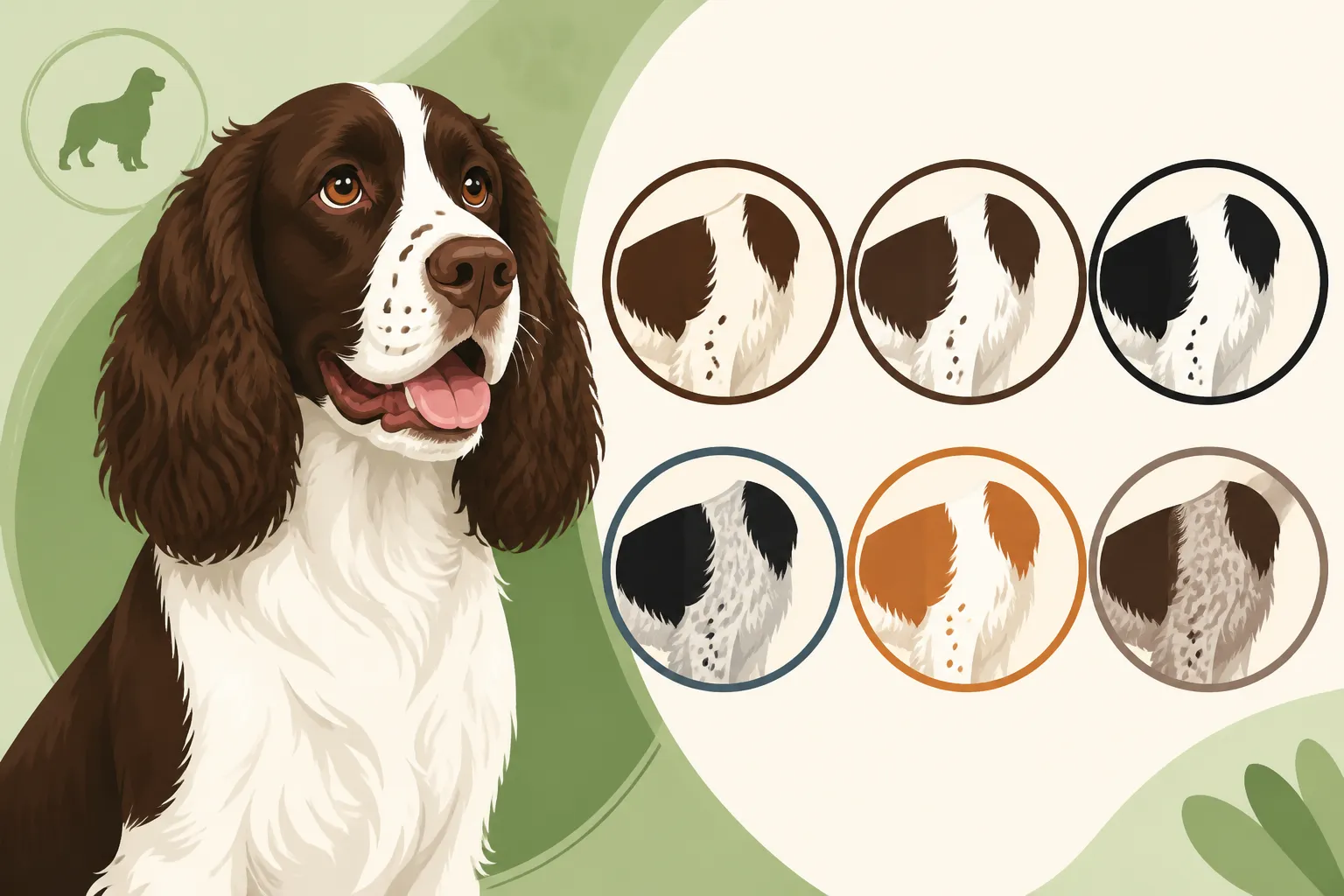
Which Colors the Springer Spaniel Standard Allows
One of the first things that captures your eye when you see an English Springer Spaniel is their stunning coat, often a beautiful canvas of white splashed with rich color. But if you're like many prospective owners or even seasoned Springer enthusiasts, you might find yourself wondering about the official rules: what colors are actually allowed according to the breed standard, and why does it even matter? This guide is here to clear up all that confusion, walking you through the accepted colors and markings, as well as those that fall outside the norm.
Understanding the Breed Standard's View on Color
Navigating the world of purebred dogs can feel like learning a whole new language, especially when it comes to something as seemingly simple as coat color. The breed standard, set by organizations like the American Kennel Club (AKC) or The Kennel Club (UK), isn't just a fancy rulebook; it's essentially the blueprint for what an ideal English Springer Spaniel should look and act like.
Why Standards Exist and What They Cover
Breed standards are comprehensive documents that describe the ideal characteristics of a breed, covering everything from height, weight, and head shape to gait, temperament, and, of course, coat color and texture. They aren't just about aesthetics; these standards often reflect the historical purpose of the breed. For the English Springer Spaniel, a breed developed for flushing game in the field, certain physical traits were crucial for their job. A sturdy build, keen nose, and biddable temperament were paramount. While color might seem superficial, it can sometimes be linked to other genetic traits, or it simply reflects the traditional appearance that breeders have striven to maintain over generations. Think of it as preserving a living piece of history, ensuring that the Springers of today still embody the qualities that made them so beloved centuries ago. Deviations from the standard can sometimes indicate mixed breeding, or simply a dog that doesn't quite fit the mold of what the breed aims to be.
General Color Guidelines for English Springer Spaniels
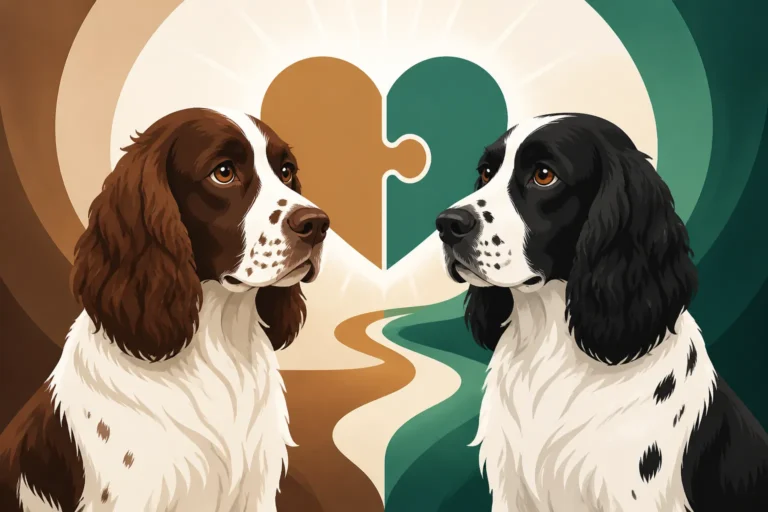
When it comes to the English Springer Spaniel, the standard is quite specific, yet allows for beautiful variation within its guidelines. Generally, English Springers are bicolored, meaning they have two primary colors. The most widely accepted base colors are black and white, or liver (which is essentially brown) and white. These aren't just solid blocks of color, though. You'll often see these coats adorned with what's called 'roan' or 'ticking,' which adds incredible depth and character to their appearance. Roan is when colored hairs are intermingled with white hairs, giving a speckled or mottled effect, while ticking refers to small, distinct spots of color on the white areas. Both roan and ticking are perfectly acceptable and, frankly, highly cherished characteristics that make each Springer's coat unique. It’s important to remember that these aren't merely decorative; they're part of the genetic tapestry that defines the breed's traditional appearance.
The Classic Color Combinations
When you think of an English Springer Spaniel, chances are one of two iconic color patterns comes to mind. These classic combinations are not just beautiful; they’re deeply ingrained in the breed’s history and are explicitly favored by the breed standard.
Black and White: The Traditional Look
The black and white English Springer Spaniel is perhaps the most widely recognized and traditional representation of the breed. This striking combination often features large patches of deep, glossy black against a crisp white background. The black areas can appear anywhere on the body, from large "saddle" markings across the back to patches on the head, ears, and flanks. What makes this color pattern truly dynamic, however, is the presence of ticking or roan, particularly on the white areas of the legs, muzzle, and sometimes the chest. These small, distinct black spots or intermingled black hairs add texture and character, breaking up the stark contrast and giving the coat a more nuanced appearance. A perfectly marked black and white Springer, with its intelligent eyes and alert expression, is a sight to behold, embodying the classic gundog aesthetic. Many owners of black and white Springers appreciate how their dog's markings can shift slightly with age, with ticking often becoming more pronounced. If you're looking for How Common a Black and White Springer Spaniel Is, you'll find it's a very popular choice.
Liver and White: A Rich Alternative
Equally beautiful and fully accepted by the breed standard is the liver and white coloration. Liver, often described as a rich, chocolatey brown, provides a warmer contrast to the white areas of the coat compared to the more dramatic black. Just like with black and white Springers, the liver can appear in large patches, often covering the ears, head, and parts of the body. The intensity of the liver color can vary quite a bit, from a deep, almost mahogany brown to a lighter, more golden liver. This variation adds to the charm of these dogs. Liver and white Springers also frequently display roan or ticking on their white areas, with small liver-colored spots or hairs blending into the white. These markings on a liver and white coat can sometimes appear more subtle, creating a softer overall impression. For a closer look at this specific shade, you might be interested in What Liver and White Looks Like on a Springer Spaniel. This combination is incredibly appealing, offering a slightly different, yet equally traditional, visual appeal that is just as valued in the show ring and the field.
The Nuances of Roan and Ticking
Beyond the primary black and white or liver and white, the true artistry of a Springer Spaniel's coat often lies in the intricate patterns of roan and ticking. These aren't just minor details; they are defining characteristics that add immense depth and individuality to each dog's appearance.
What is Roan and How Does It Appear?
Roan is a fascinating coat pattern where colored hairs are uniformly mixed in with white hairs, creating a mottled or frosted effect. Instead of distinct spots, you see a blending of colors, especially in areas that would otherwise be pure white. Imagine a canvas of white with individual black or liver hairs scattered throughout, giving a salt-and-pepper look that softens the solid color blocks. For example, a liver roan Springer will have liver hairs intermingled with white hairs, giving those white areas a reddish-brown blush. A blue roan (which is what black roan is often called) will have black hairs intermingled with white, creating a grizzled, bluish-grey appearance. Roan can appear across large expanses of the body, often on the back, sides, or chest, and it truly makes a Springer's coat feel incredibly rich and textured. It's a hallmark of many spaniel breeds and adds a layer of sophistication to their classic good looks. It's perfectly acceptable within the breed standard and highly admired by connoisseurs of the breed.
The Beauty of Ticking and Its Development
Ticking, on the other hand, is characterized by small, distinct spots of color that appear on the white areas of the coat. Unlike roan, where hairs are intermingled, ticking presents as individual freckles or speckles. These spots can range from very fine and sparse to dense and heavy, making a dog appear almost entirely colored in certain areas. Think of it like a beautiful painter's splatter effect, adding dynamic contrast and visual interest to the pristine white. A black and white Springer might have fine black ticking on its legs and muzzle, while a liver and white dog would show liver-colored spots. What’s particularly enchanting about ticking is that it often develops and becomes more prominent as a puppy grows. A young Springer pup might have very little ticking, only for it to "bloom" over the first few months and years of their life, constantly revealing new patterns. This evolving characteristic means your Springer's coat might look slightly different from their puppyhood to adulthood. If you've ever wondered about this transformation, How Ticking Develops on a Springer Spaniel Puppy provides a fascinating deep dive into this genetic marvel. Both roan and ticking are not only acceptable but celebrated, reflecting the breed's historical coat patterns developed for working in various terrains.
The Controversial and Unacceptable Colors
While the English Springer Spaniel breed standard is fairly broad regarding its preferred bicolored options and the presence of roan or ticking, there are certain color patterns that are specifically not allowed. These "unacceptable" colors can cause some confusion and debate, especially among those less familiar with the strict definitions of breed purity.
Tricolor: The Question of Tan Points
One of the most frequently discussed non-standard color patterns is tricolor. A tricolor Springer Spaniel typically features two main colors (black and white, or liver and white) plus distinct tan markings, often appearing on the eyebrows, cheeks, inside the ears, or under the tail. These tan points are quite common in other breeds, like some hounds or certain terrier types, and even in their close relatives, the English Cocker Spaniel. However, for the English Springer Spaniel, these tan points are generally considered a disqualification in the show ring. While a tricolor Springer can be a perfectly healthy, wonderful companion, its color pattern simply doesn't conform to the historical and aesthetic vision outlined in the breed standard. This doesn't mean the dog is "bad" or "impure" in character, but it does mean it won't be competing for championship titles in conformation. If you're curious about the specifics of why this color pattern is considered outside the norm, exploring Whether a Tricolor Springer Spaniel Is Correct can offer more insight into the history and rationale behind the standard's stipulations. It's a common point of discussion, especially when people encounter a beautiful tricolor Springer and wonder why it isn't "standard."
Solid Colors and Other Rarities
Beyond tricolor, other color patterns are also considered outside the English Springer Spaniel breed standard, primarily solid colors. A truly solid black Springer, or a solid liver Springer, meaning a dog with no white markings whatsoever, is not permitted by the standard. The defining characteristic of an English Springer Spaniel's coat is its bicolored nature—the combination of a solid color with white, often enhanced by roan or ticking. While these solid-colored dogs might genetically appear from time to time, they do not align with the breed's established appearance.
Other rarities might include entirely different colorations that occasionally pop up due to recessive genes or crossbreeding, such as dogs with fawn, sable, or even merle patterns. These colors are definitively not English Springer Spaniel standard colors and would strongly suggest either mixed ancestry or a very unusual genetic anomaly far removed from the breed's lineage. While these dogs can be unique and cherished pets, they would not be recognized as fitting the breed standard. If you want to delve deeper into the genetic possibilities and the question of unusual coat presentations, Whether a Solid Colored Springer Spaniel Exists can clarify why these variations are outside the norm and generally frowned upon in responsible breeding programs aiming to maintain breed type.
Beyond Color: What Else Matters in a Springer's Appearance
While coat color is an easy visual identifier, the English Springer Spaniel's overall appearance is a symphony of many elements, all carefully described in the breed standard. Color is just one part of a larger picture that defines the breed's distinctive look.
Markings and Patterns
The arrangement of a Springer's colors and patterns is almost as important as the colors themselves. It's not just about having black and white or liver and white; it's how those colors are distributed. Typically, a Springer Spaniel will have colored patches, often referred to as "saddles" or "patches" on their body, and usually a distinct mask or blaze on their head. A well-placed blaze, for instance, a white stripe running up the center of the muzzle and forehead, often accompanied by white on the chin, is highly characteristic. This gives the dog a balanced, intelligent expression.
The ears are almost always colored, often blending into patches on the head. The white areas are critical too; they're usually found on the chest, legs, and underbelly, often covered with roan or ticking. Breeders strive for a symmetrical, pleasing pattern, not just for show but because these patterns have become synonymous with the breed's identity. Imagine a dog without these classic markings – it would hardly look like a Springer, even if its underlying colors were standard. This attention to detail in markings is part of what makes each Springer unique while still being unmistakably part of the breed.
Eye and Nose Pigmentation
Beyond the coat, other pigmentations play a vital role in completing the standard Springer Spaniel look. The eyes, for instance, are expected to be dark brown, expressing the breed's characteristic gentle yet intelligent and alert demeanor. Light-colored eyes are generally considered undesirable and can be a disqualifying fault in the show ring. The depth of color in a Springer's eyes truly adds to their expressive face.
The nose and eye rims are also significant. For black and white Springers, the nose and eye rims should be black. For liver and white Springers, they should be liver, or a dark brown that matches the richness of their coat. A "butterfly nose," which has unpigmented areas, or a flesh-colored nose on a black and white dog, would be a fault. These small details contribute immensely to the overall impression of a well-bred Springer Spaniel. They're not just about aesthetics; good pigmentation often correlates with robust health and genetic soundness. If you've wondered about the intricacies of nose color, Whether a Springer Spaniel Can Have a Liver Nose goes into more detail, while Whether a Springer Spaniel Can Have Light Eyes explores the implications of eye color. These seemingly minor details are actually crucial for meeting the full breed standard.
The Practicality of Color for Working Dogs
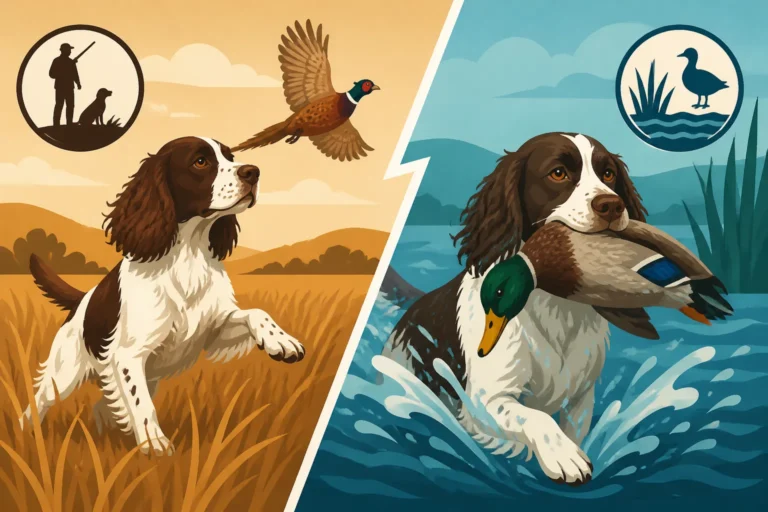
While the show ring emphasizes aesthetics and strict adherence to the breed standard for color, the working Springer Spaniel world often has a more pragmatic approach. For dogs bred to flush game and retrieve in challenging terrain, color isn't just about looking pretty; it can have genuine functional implications.
Blending into the Field: A Hunter's Perspective
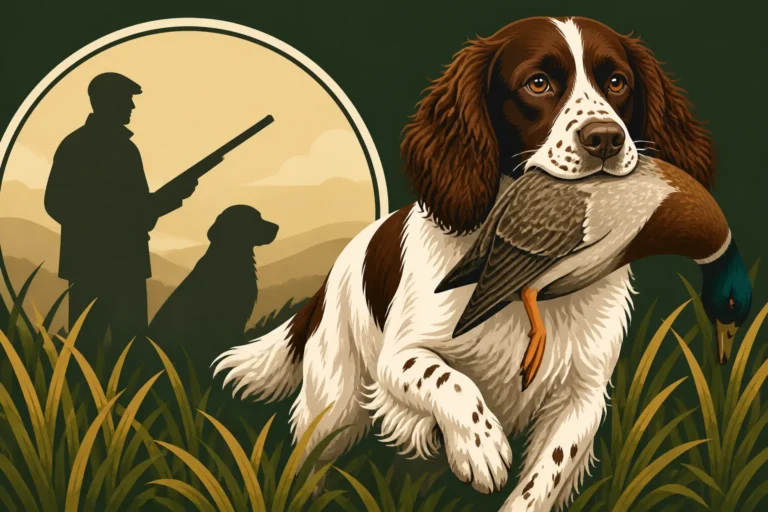
For generations, English Springer Spaniels have been developed to be efficient hunting partners. Their traditional black and white or liver and white coats, often heavily roaned or ticked, offer excellent camouflage in varied environments. Imagine a liver and white Springer moving through autumn woodlands with fallen leaves and dappled light – the warm liver tones blend seamlessly with the browns and reds of the foliage, while the white areas, broken up by ticking, reduce the dog's overall silhouette, making them harder for game to spot until they "spring" forward. The same applies to black and white dogs, whose darker patches can disappear into shadows or dense undergrowth.
However, the white portions of their coat also serve a crucial purpose: visibility to the hunter. In thick cover or at a distance, those flashes of white, especially on the top of the head or tail (if undocked), can help a hunter keep track of their dog. It's a delicate balance between blending in to approach game and standing out enough for the handler to follow their dog's progress. This blend of camouflage and visibility is a testament to the thoughtful development of the breed. It might also influence why some breeders prioritize certain patterns over others in their working lines. For those interested in the costs associated with working lines, Whether a Working Bred Springer Spaniel Is Cheaper explores the economic aspects, though color itself doesn't typically factor into price differences directly.
Does Color Affect Temperament or Health?
This is a question that often surfaces with many dog breeds: does coat color have any bearing on a dog's temperament or health? For English Springer Spaniels, the overwhelming consensus among reputable breeders and veterinarians is a resounding no. There is no scientific evidence to suggest that a black and white Springer is inherently different in personality or more prone to certain health issues than a liver and white Springer, or vice-versa.
The breed standard's preference for specific colors is primarily based on historical appearance and aesthetic consistency, not on functional or health-related attributes directly linked to the pigment itself. While some very rare and unusual coat colors in other breeds can sometimes be linked to genetic health problems (for example, the merle gene in some breeds can be associated with vision or hearing issues), this is not the case for the standard colors of the English Springer Spaniel. Their black, liver, and white coats with roan and ticking are all healthy, natural variations within the breed's gene pool.
What truly impacts a Springer Spaniel's health and temperament are far more significant factors, such as responsible breeding practices, genetic health testing, proper socialization, and appropriate care. Breeders who focus on health clearances for conditions like hip and elbow dysplasia, eye diseases, and genetic disorders like PFK deficiency or Fucosidosis, are prioritizing the actual well-being of their puppies, regardless of coat color. If you're concerned about potential health issues, How Health Problems Differ Between Springer Spaniel Types offers a broader view of breed health considerations, emphasizing that focus should always be on genetic health testing and reputable breeders, rather than superficial traits like coat shade. When you're picking out accessories for your Springer, whether it's a new collar or a fun toy from Chewy, remember that color is simply a matter of personal preference, not an indicator of the dog's inner qualities.
Here's a quick reference guide to English Springer Spaniel coat colors:
| Color/Pattern Category | Description | Standard Acceptance | Notes |
|---|---|---|---|
| Accepted Colors | |||
| Black and White | Solid black patches on a white base. | Fully Accepted | Often includes black ticking or blue roan. |
| Liver and White | Solid liver (brown) patches on a white base. | Fully Accepted | Often includes liver ticking or liver roan. |
| Blue Roan | Intermingled black and white hairs giving a mottled, bluish-grey appearance. | Fully Accepted | Commonly seen on white areas of black & white dogs. |
| Liver Roan | Intermingled liver and white hairs giving a mottled, reddish-brown appearance. | Fully Accepted | Commonly seen on white areas of liver & white dogs. |
| Ticking | Small, distinct colored spots (black or liver) on white areas. | Fully Accepted | Becomes more prominent with age. |
| Non-Standard Colors | |||
| Tricolor | Black and white (or liver and white) with distinct tan points. | Not Accepted | Disqualifying fault in the show ring. |
| Solid Black | Entirely black, with no white markings. | Not Accepted | Does not meet the bicolored requirement of the standard. |
| Solid Liver | Entirely liver (brown), with no white markings. | Not Accepted | Does not meet the bicolored requirement of the standard. |
| Any Other Color | Fawn, sable, merle, etc. | Not Accepted | Strongly indicates mixed breeding or non-standard genetics; disqualifying fault. |
Remember, the goal of the breed standard isn't to create "better" dogs, but to maintain a consistent type that embodies the historical purpose and appearance of the English Springer Spaniel. Whether your Springer has more ticking or less, a deep liver, or a glossy black, as long as they come from responsible breeding and are a beloved member of your family, they are perfect in every way. Many great products, like durable chew toys and comfortable dog beds, are available from retailers like Chewy, no matter your Springer's color!
Disclaimer
This article is for general informational purposes only and does not constitute professional advice. Laws, prices and regulations vary by location and change over time. Consult a qualified professional for guidance on your specific situation.