Whether a Bored Springer Spaniel Destroys Things
It's incredibly frustrating, disheartening, and frankly, expensive when you come home to find your beloved English Springer Spaniel has redecorated your living room with sofa stuffing or excavated a new pond in your backyard. Many Springer Spaniel owners wonder if their seemingly sweet, intelligent dog is intentionally being naughty, but the truth is, destructive behavior is often a direct cry for help, signaling boredom, anxiety, or unmet needs. This guide will explore why Springer Spaniels tend to become destructive when under-stimulated and, more importantly, equip you with actionable strategies to keep your energetic companion happy, healthy, and your home intact.
The Springer Spaniel's Drive: Why Boredom Hits Hard
Springer Spaniels aren't just any dog; they're intelligent, high-energy working dogs bred for a very specific purpose. Understanding their innate drives is the first step to understanding why boredom can lead to chaos in your home.
A Legacy of Work and Energy
Imagine a dog bred for centuries to spend hours in the field, quartering across challenging terrain, flushing game, and retrieving fallen birds. That's your Springer Spaniel. They possess an incredible amount of stamina, a keen sense of smell, and an insatiable desire to do something. When you take this dog, designed for demanding physical and mental work, and place them in a home environment with insufficient outlets for that energy, problems are bound to arise. They aren't being "bad"; they're simply channeling their natural instincts in the only way they know how, which often translates to behaviors we perceive as destructive. Think of it like a human athlete confined to a small room with no equipment – they'd find ways to burn energy, even if it meant running laps around a table or doing endless push-ups. Your Springer is no different. They need purposeful activity that taps into their genetic blueprint. How Many Hours a Field Springer Spaniel Needs Daily might shed more light on the sheer volume of activity these dogs crave.
The Intelligent Mind That Needs a Job
Beyond physical energy, Springer Spaniels are highly intelligent. They learn quickly, remember commands, and are adept problem-solvers. This intelligence, while a huge asset in training, becomes a double-edged sword when left undirected. A bored Springer Spaniel isn't just lying around waiting for you; they're actively looking for ways to engage their brain. If you don't provide appropriate mental challenges, they'll invent their own, and these "jobs" often involve things like dismantling furniture, chewing shoes, or unraveling toilet paper rolls. They crave interaction, learning, and the satisfaction of a task well done, even if that task is chewing through your favorite book. This is why Whether a Springer Spaniel Needs a Job is such a crucial question for prospective owners.
What Destructive Behavior Looks Like in a Bored Springer
When a Springer Spaniel is bored, their destructive tendencies can manifest in various ways, each signaling an underlying need that isn't being met. Recognizing these patterns is key to addressing the root cause.
Chewing Through Everything
Chewing is perhaps the most common and often the most damaging form of destructive behavior in a bored Springer Spaniel. It's a natural canine behavior, but an under-stimulated Springer will take it to extremes. They might chew on chair legs, drywall, baseboards, remote controls, shoes, clothing, or anything they can get their mouths on. This isn't necessarily just about puppy teething, though puppies certainly do it. For an adult Springer, chewing can be a stress reliever, a way to burn excess energy, or simply an activity to pass the time. The act of chewing releases endorphins, making it self-rewarding. A Springer who hasn't had enough exercise or mental stimulation might spend hours gnawing on forbidden items, finding both physical release and mental engagement in the act of destruction. It's their way of saying, "I'm bored, and this is what I've found to do!" Whether a Springer Spaniel Chews Furniture covers this in more detail.
Digging and Destroying the Yard
If your Springer has access to a yard, digging can quickly become a major issue. While some dogs dig out of instinct (terriers, for example), a bored Springer will often dig simply to occupy themselves. They might create craters under fences in an escape attempt, or unearth your prized rose bushes, not because they dislike gardening, but because the act of digging is physically demanding and mentally engaging. It's a full-body workout that satisfies their desire to work and explore with their nose and paws. For a dog that needs a job, transforming your lawn into a lunar landscape is, in their eyes, a productive use of their time. The satisfaction of moving dirt, finding interesting smells, and expending energy is a powerful motivator.
The Anxious Barking and Pacing
While not strictly "destructive" in the physical sense of tearing things up, excessive barking and pacing are clear signs of a Springer Spaniel struggling with boredom and potentially developing separation anxiety. This can be destructive to your peace of mind and neighborly relations! A dog left alone with nothing to do will often bark incessantly, attempting to get attention or simply releasing pent-up energy and frustration. Pacing is another common symptom, indicating restless energy and anxiety. If your Springer Spaniel is barking non-stop or wearing a path in your carpet while you're away, it's a strong indicator that their mental and physical needs aren't being met, leading to emotional distress that manifests as noise and frantic movement. These behaviors can quickly escalate into full-blown Separation Anxiety in a Springer Spaniel.
Proactive Strategies to Combat Boredom and Destruction
The good news is that destructive behavior stemming from boredom is highly manageable with consistent effort and the right approach. It's all about providing appropriate outlets for your Springer's natural drives.
Ensuring Adequate Physical Exercise
This is non-negotiable for a Springer Spaniel. They need a lot of exercise, and not just a quick walk around the block. Aim for at least 1-2 hours of vigorous activity daily, broken into multiple sessions. This could include:
- Long walks or jogs: A brisk pace, varied terrain, and opportunities to sniff are excellent. Whether a Springer Spaniel Makes a Jogging Partner is a common question, and for many Springers, the answer is a resounding yes!
- Off-leash romps in a safe, fenced area: This allows them to really stretch their legs and run at top speed. Just be mindful of their strong prey drive and ensure the area is truly secure. Whether a Springer Spaniel Chases Birds Off Leash is a real concern in unfenced areas.
- Fetch or retrieve games: Springers are natural retrievers. A good game of fetch with a favorite bumper or ball can burn off a surprising amount of energy.
- Swimming: Many Springers love water and swimming is a fantastic, low-impact way to get exercise.
- Dog sports: Activities like agility, flyball, or canicross can be excellent for both physical and mental stimulation.
Remember, a tired Springer is a good Springer. If they come home and immediately plop down for a nap, you've hit the sweet spot.
Mental Stimulation: Engaging Their Clever Brains
Physical exercise alone often isn't enough for a smart Springer. You need to challenge their minds too.
- Puzzle toys: These are fantastic for keeping a Springer engaged. Fill KONGs with peanut butter or wet food and freeze them, or use treat-dispensing balls and puzzles. Many great options can be found on platforms like Amazon, offering a variety to keep things fresh.
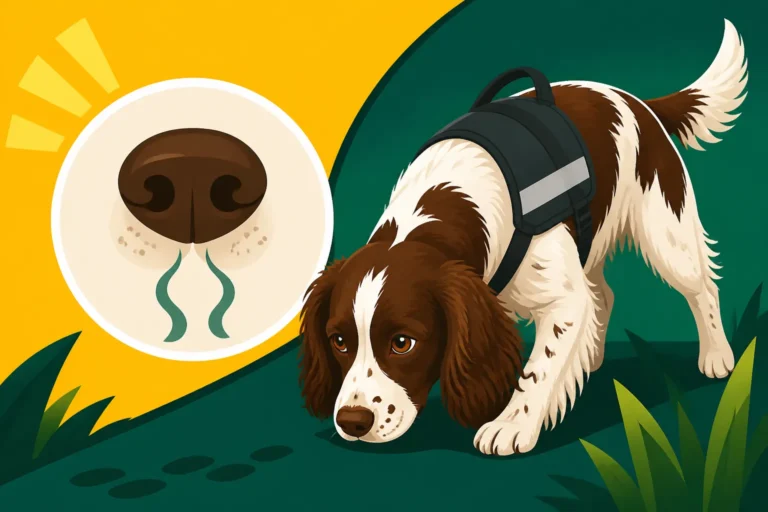
- Scent work games: Hide treats around the house or yard and encourage your Springer to find them using their incredible nose. This is extremely tiring for them mentally. Whether Scent Games Tire a Springer Spaniel is absolutely true!
- Training sessions: Even 10-15 minute training sessions daily can make a huge difference. Teach new tricks, refine existing commands, or practice complex sequences. Use positive reinforcement and keep it fun. Brands like BAXTER & Bella offer fantastic online puppy and dog training programs that can provide structured mental challenges and help you teach your Springer new skills, directly engaging their intelligent minds.
- Chew toys: Provide a variety of appropriate, durable chew toys. Rotate them to keep them interesting. This satisfies their natural urge to chew on acceptable items.
Training and Management Techniques
Beyond exercise and mental games, consistent training and smart management can prevent destructive behaviors.
- Crate training: A crate can be a safe den for your Springer when you can't supervise them. Ensure they are properly introduced to the crate and view it as a positive place, never as punishment. It should be comfortable and large enough for them to stand, turn around, and lie down. However, even a crate-trained Springer shouldn't be left for excessive periods; How Long a Springer Spaniel Can Be Left Alone is a critical consideration.
- "Nothing in life is free" program: This involves making your dog "work" (sit, stay, down) for everything they want – food, walks, playtime, affection. It reinforces your leadership and gives them a consistent framework, reducing boredom-driven misbehavior.
- Supervision and redirection: When you are home, actively supervise your Springer. If you see them eyeing a forbidden item or starting to mouth something inappropriate, immediately redirect them to an approved toy or chew. Praise them heavily for choosing the right item.
- Proofing your home: Before leaving your Springer alone, do a quick sweep of the area they'll be in. Remove anything valuable or tempting that they might destroy. Cords, shoes, remote controls – if you don't want it chewed, put it away!
Tools and Resources for a Happy, Non-Destructive Springer
Equipping yourself with the right tools and knowing where to look for support can make all the difference in managing a high-energy, intelligent breed like the Springer Spaniel.
The Right Toys and Chews
Choosing the right toys is paramount. Cheap, flimsy toys won't stand up to a determined Springer and can even be a choking hazard. Invest in durable, engaging options.
| Toy Type | Benefits | Examples / Considerations |
|---|---|---|
| Puzzle Toys | Mental stimulation, slows down eating, reduces boredom. | KONG Wobblers, snuffle mats, treat-dispensing balls. Look for various difficulty levels on Amazon. |
| Durable Chews | Satisfies chewing urge, cleans teeth, long-lasting. | Nylabones (appropriate size), natural rubber chews like KONG Extremes, bully sticks (supervised). |
| Retrieve Toys | Facilitates exercise, caters to natural instincts, builds bond. | Durable rubber balls, canvas bumpers, floating retrieve dummies. |
| Interactive | Requires owner participation, strengthens bond, burns energy. | Flirt poles, tug ropes (ensure proper tug etiquette to avoid resource guarding issues). |
Remember to rotate toys regularly to keep them novel and exciting. If a toy loses its appeal, put it away for a few weeks and reintroduce it later.
Embracing Structured Training Programs
A well-trained Springer is a happier, less destructive Springer. Formal training provides structure, mental engagement, and strengthens the bond between you and your dog.
- Puppy classes: If you have a young Springer, puppy classes are invaluable for early socialization and basic obedience. They expose your pup to new environments and help them learn how to interact appropriately with other dogs and people. This foundational work can prevent many behavioral issues down the line.
- Obedience classes: Beyond puppy basics, advanced obedience or even trick training classes can keep an adult Springer's mind sharp. They love to learn and excel when given clear direction.
- Online training platforms: For flexibility, consider online resources. Programs like those offered by BAXTER & Bella provide comprehensive, step-by-step guidance on everything from house-training to advanced manners, all from the comfort of your home. These resources can be particularly helpful if you have a busy schedule or live in an area with limited in-person training options. A good online program can help you understand how The Soft Springer Spaniel That Shuts Down If You Shout needs gentle guidance.
- Gundog training: For those truly wanting to tap into their Springer's heritage, gundog training, even if you never plan to hunt, provides immense satisfaction for both dog and owner. It teaches them focus, discipline, and utilizes their natural scenting and retrieving abilities. Teaching a Springer Spaniel to Stay in Range and other gundog specific commands provide excellent mental work.
Ultimately, preventing a bored Springer Spaniel from destroying things boils down to understanding their needs as a working breed and consistently providing them with adequate physical exercise, mental challenges, and consistent training. It's an investment of time and effort, but the reward is a happy, well-adjusted companion and a home that remains in one piece.
Disclaimer
This article is for general informational purposes only and does not constitute professional advice. Laws, prices and regulations vary by location and change over time. Consult a qualified professional for guidance on your specific situation.