Whether the Springer Spaniel’s Ancestors Came From Spain
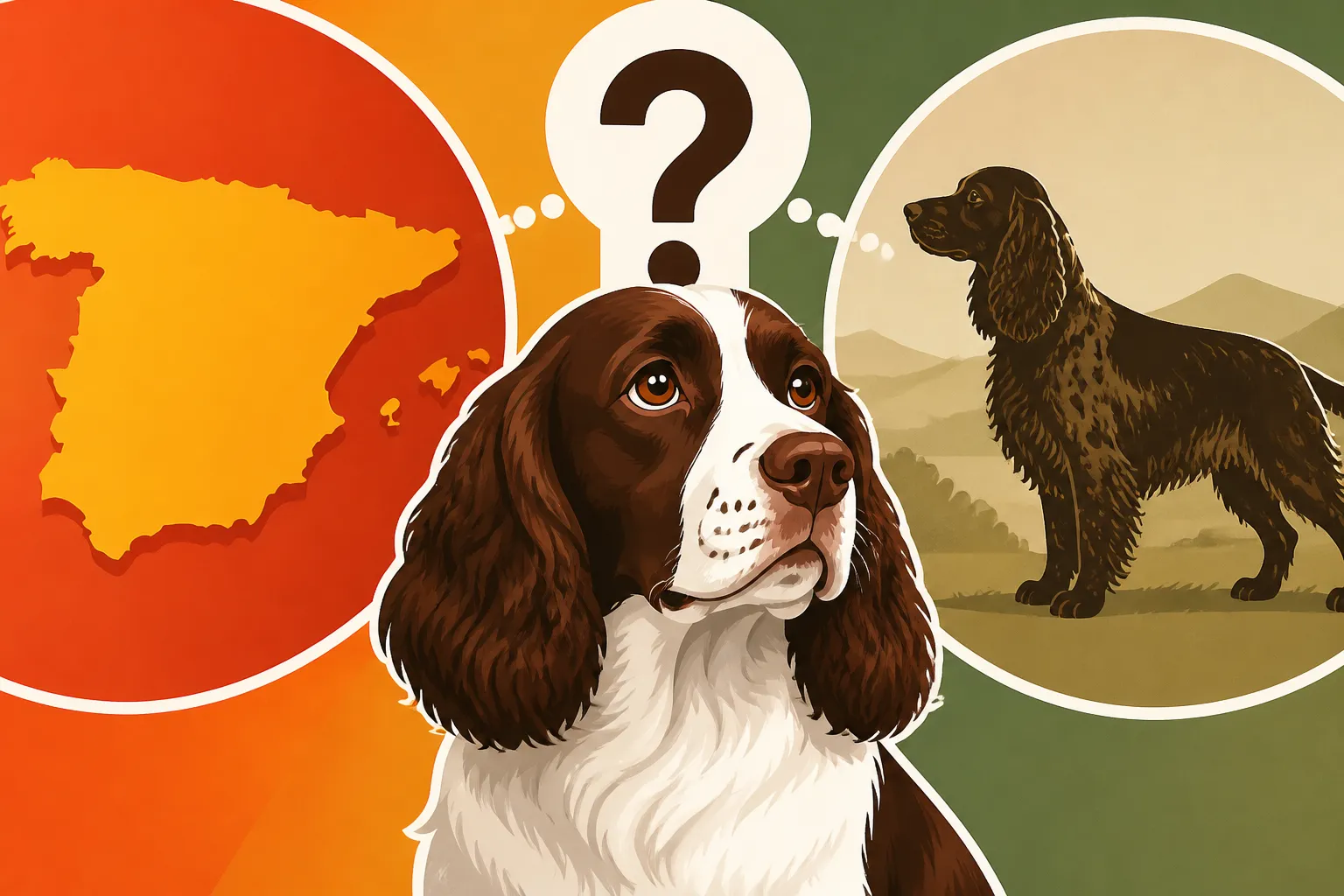
It's a common question, and one that sparks fascinating historical discussions among us dog lovers: did the ancestors of our beloved English Springer Spaniels truly come all the way from Spain? Many of us, myself included, have wondered about the origins of the "spaniel" name and how it connects to the rich history of these wonderful gundogs. This guide will dive deep into the historical evidence, linguistics, and the fascinating journey that shaped the Springer Spaniel into the loyal, energetic companion we know today.
Unraveling the "Spaniel" Name: A Historical Puzzle
The very word "spaniel" carries a whisper of a distant land, specifically evoking Spain for many people. It’s natural to connect the dots and assume a direct lineage from Spanish dogs, but the reality is often more complex and intriguing than a simple assumption. Delving into etymology can shed some light, but it doesn't always provide a straightforward answer.
The Linguistic Clue: "Espagnol"
The most compelling argument for a Spanish origin lies in the word "spaniel" itself. It is widely believed to derive from the Old French word "espaignol," meaning "Spanish." This term was used to describe dogs believed to have originated from Spain or to be particularly associated with the Iberian Peninsula. For centuries, Spain was a prominent center for dog breeding and trade, and it's plausible that various types of hunting dogs were exported from the region to other parts of Europe. When these dogs, or dogs of a similar type, arrived in England, they might have been simply referred to as "Spanish dogs" or "spaniels," regardless of their immediate country of origin. This linguistic connection is strong, hinting at a historical perception, if not always a definitive geographical starting point for every spaniel.
Medieval Europe: A Crossroads for Canines
It's crucial to remember that medieval Europe wasn't a static collection of isolated countries; there was constant movement of people, goods, and, yes, dogs. Trade routes, wars, and even royal marriages meant that animals traveled widely. The "spaniel" type of dog, characterized by its flushing ability and often a cheerful, eager disposition, was highly valued by hunters across the continent. Documents and artworks from the period suggest that dogs fitting the general "spaniel" description were present in many European nations, including France, England, and, of course, Spain. So, while the name might point to Spain, it doesn't necessarily mean that all ancestors of all spaniels, including the English Springer, solely originated there. The genetic tapestry of these early dogs was likely woven from many threads. If you're fascinated by the deep past, you might enjoy learning about The Medieval Records That Mention Springer Spaniels.
Early Spaniels Across Europe: More Than Just One Origin
While the name suggests a Spanish connection, the truth about the ancient ancestors of spaniels is likely far more continental, with various regional types contributing to the rich genetic pool. Different areas developed dogs suited to their local hunting styles and terrains.
Broad-Chested, Droopy-Eared Hunting Dogs
Before standardized breeds and kennel clubs, dogs were categorized more by their function and general appearance. The "spaniel" type was typically a medium-sized, broad-chested dog with long, drooping ears – perfect for sniffing out game in dense cover and flushing it into nets or before falcons. These dogs were highly prized for their keen noses and their ability to work game effectively. Whether in the forests of France, the marshes of England, or the sun-drenched plains of Spain, hunters needed dogs that could get game moving. Different regions likely refined these traits, leading to distinct local varieties that shared a common "spaniel" archetype. The general consensus is that these types of dogs spread throughout Europe over centuries, adapting and interbreeding, rather than a single, mass migration from one specific country.
The Lack of Definitive Records for Ancient Lineage
Pinpointing the exact "first" spaniel or the precise migratory path of its earliest ancestors is incredibly difficult. Before the 19th century, dog breeding was far less documented than it is today. Pedigrees as we understand them simply didn't exist for most dogs. Instead, dogs were bred for utility: if a dog was good at flushing game, it was bred with another good flushing dog, regardless of its precise "nationality." This makes tracing a definitive line back to "Spanish" ancestors for every spaniel challenging. What we do know is that by the time firearms became common, a distinct "springing spaniel" type was well-established in England, working to flush game into a shooter's range. This highlights a long period of development within the British Isles, even if the root name hinted at Spain. For a broader look at their history, consider How Old the Springer Spaniel Type Is.
The British Contribution: Developing the English Springer's Unique Traits
While the name "spaniel" might have roots across the Channel, there's no denying that the "English" in English Springer Spaniel is there for a very good reason. Britain played a pivotal role in refining and developing the specific traits that define our Springers today.
From General Spaniel to Specialized "Springer"
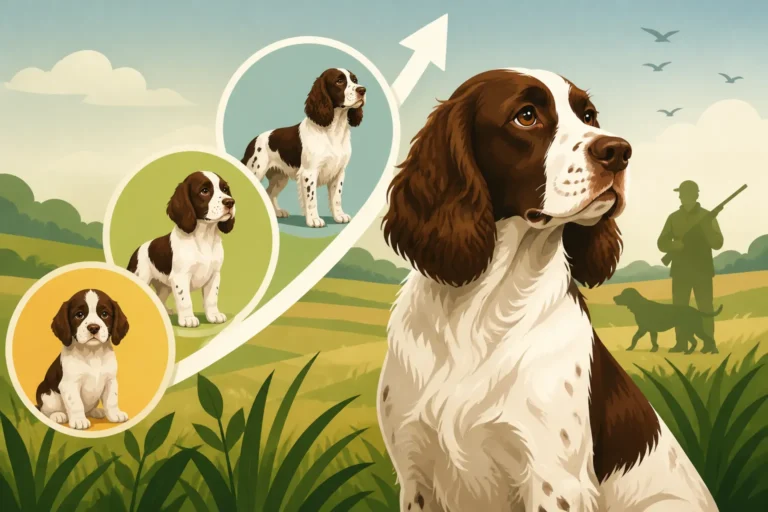
For centuries, "spaniel" was a broad term. In fact, for a long time, smaller spaniels (cockers) and larger ones (springers) could even come from the same litter, separated by size rather than distinct breeding lines. This fascinating period, which you can read more about in The 1902 Split That Separated Springer From Cocker, shows how fluid the breed definitions once were. It was in Britain, especially with the rise of organized dog showing and hunting societies in the 19th and early 20th centuries, that the English Springer Spaniel began to emerge as a distinct breed with its own specific characteristics and working style. Breeders focused on developing a dog that excelled at "springing" game – flushing birds from cover directly for the gun. This specialization, combined with specific physical traits, solidified the breed's identity.
The Role of British Hunters and Breeders
British hunters needed a dog that could work tirelessly in the varied terrain of the UK, from dense hedgerows to open fields. They needed a dog with immense stamina, a strong desire to please, and an intelligent mind capable of independent work yet responsive to commands. Generations of careful breeding by British sportsmen and enthusiasts helped to shape these qualities, leading to the energetic, biddable, and tenacious gundog we admire. The creation of a breed standard, detailing ideal appearance and temperament, further cemented the English Springer Spaniel's unique place. This focused effort helped distinguish them from other spaniel types across Europe.
Tracing the Lineage: What We Know About Springer Ancestry
So, where does this leave us on the question of whether the English Springer Spaniel's ancestors came from Spain? It's less a simple "yes" or "no" and more a nuanced understanding of historical development.
A Likely Shared Ancestry with European Spaniels
It's highly probable that the very distant ancestors of all modern spaniels, including the English Springer, share some common heritage with dogs that once inhabited the Iberian Peninsula. The linguistic link is hard to ignore, and the general "spaniel type" likely spread across Europe, with Spain being a significant point of origin or dispersal for these kinds of hunting dogs. These dogs would have interbred with local canine populations in various European countries, including Britain, contributing to the diverse gene pool of "spaniel" dogs. When thinking about Whether Spaniel in Springer Spaniel Means Spanish Dog, it’s often about this historical perception and linguistic evolution rather than a direct, uninterrupted genetic flow from Spain to every single modern Springer.
The "English" Contribution: Refinement and Specialization
However, the specific "English" Springer Spaniel, as we recognize it today, is very much a product of British breeding. Over many centuries, particularly from the Middle Ages onwards, these dogs were refined within England. Breeders focused on developing the distinctive working style, physical characteristics, and temperament that distinguish the English Springer. The "springing" action, the eagerness to please, and the boundless energy are all traits that were honed and celebrated on British soil. So, while the ancient roots might be continental, the tree itself grew and branched uniquely in England.
Here's a quick overview of the historical influence:
| Ancestral Origin Factor | Influence on Springer Spaniel | Strength of Evidence |
|---|---|---|
| Linguistic (Name) | Derived from "espaignol" (Spanish) | High |
| Geographical Spread | "Spaniel" type dogs present across medieval Europe | Medium |
| Early UK Presence | Dogs fitting "spaniel" description in England prior to formal breeds | High |
| Breed Refinement | Specific traits (flushing, build) developed in England | High |
| Genetic Records | Limited historical DNA evidence for ancient lineage | Low |
The question then becomes less about a single point of origin and more about a journey of evolution. Imagine a river that starts in distant mountains, flows through many lands, gathering tributaries and changing course, but then a specific branch is cultivated and nurtured in a particular valley to produce a unique and beautiful flower. That's a bit like the Springer Spaniel's journey. While you might pick up some great quality training treats or durable chew toys from Chewy for your modern Springer, their ancestors were honed for generations in the fields.
Modern-Day Implications: Why This History Matters
Understanding the deep roots and the intricate development of the English Springer Spaniel helps us appreciate the breed even more. It underscores their versatility, their adaptability, and the strong working drive that has been present for centuries. This rich history informs their current temperament and needs. For instance, knowing that they were bred to work closely with hunters, flushing game, explains why your Springer is so attentive and eager to please, and why they might stick close on a walk (most of the time!). It also helps us understand why they require so much mental and physical stimulation, as they were literally "born to work." If you're wondering how this affects their daily life, consider A Field Bred Springer Spaniel Is a Different Dog to Live With or Why a Springer Spaniel Puts Its Nose to the Ground and Vanishes. This deep historical perspective also helps us understand the importance of responsible breeding today, ensuring these cherished traits continue. And when you're stocking up on supplies from Chewy for your energetic companion, remember the long line of dedicated dogs behind them!
Disclaimer
This article is for general informational purposes only and does not constitute professional advice. Laws, prices and regulations vary by location and change over time. Consult a qualified professional for guidance on your specific situation.