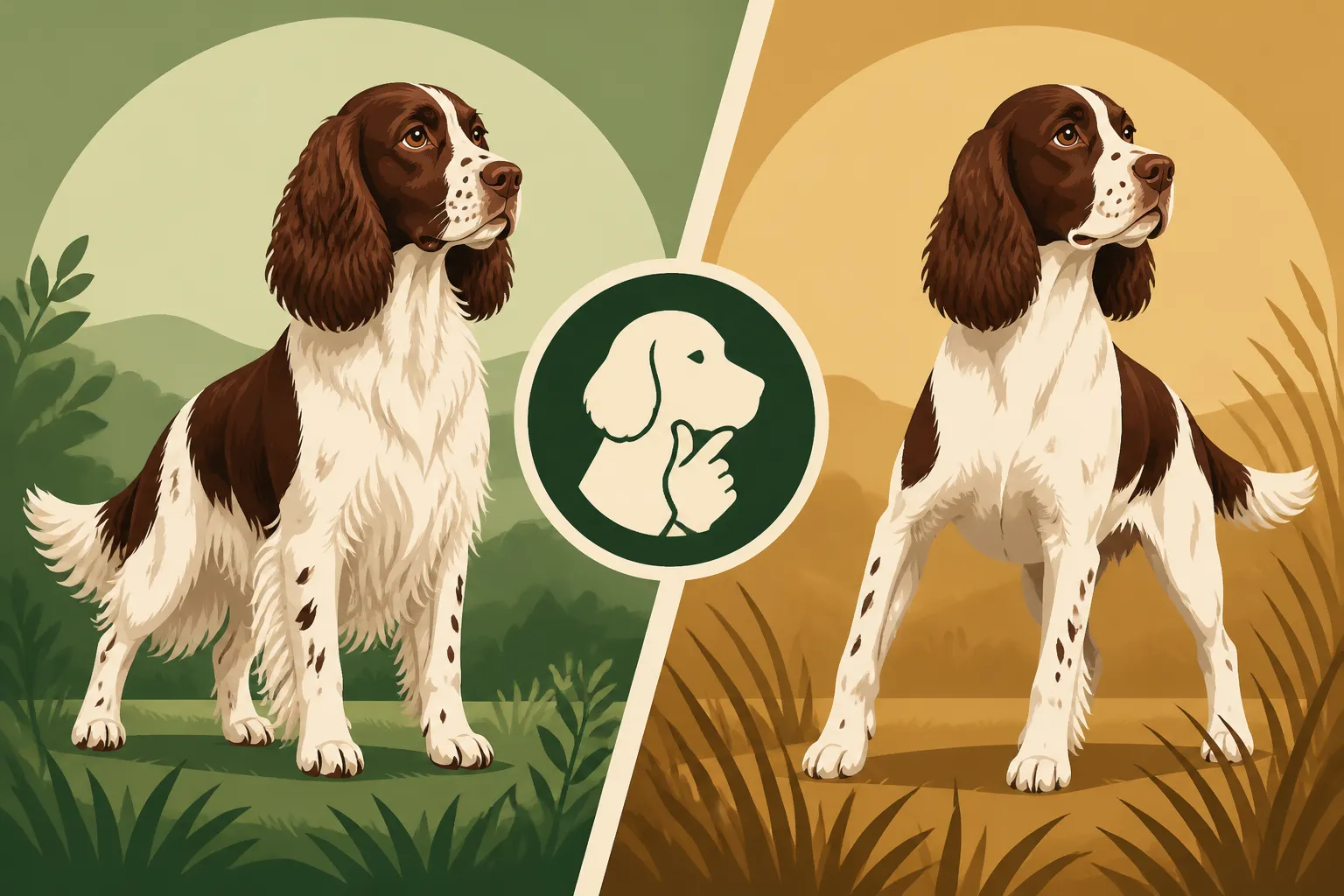
Whether a Working Springer Spaniel Should Be Trimmed for Cover
It's a common dilemma for those of us with active, working English Springer Spaniels: you want your dog to perform at their best in the field, but their glorious, flowing coat seems to catch every burr, briar, and bit of mud imaginable. This guide is here to walk you through the ins and outs of managing a working Springer's coat, exploring whether trimming for cover is truly beneficial, what the alternatives are, and how to keep your hunting companion comfortable and healthy.
Understanding the Working Springer Spaniel's Coat
Before we even consider taking clippers to a working Springer Spaniel, it’s important to understand the natural design of their coat and why it developed the way it did. These dogs were bred for a specific purpose, and their coat is an integral part of that heritage.
What Nature Intended for the Field
A Springer Spaniel's coat, particularly that of a field-bred dog, is a marvel of natural engineering. It's designed to protect them from the elements, providing insulation against cold and damp, and offering a degree of armor against minor scrapes and scratches from brush. The dense undercoat provides warmth, while the coarser outer coat repels water and sheds debris to some extent. Their longer feathering on the legs, belly, and ears, while beautiful, also served a purpose in protecting these vulnerable areas from thorns and sharp grasses as they plunged through dense cover. It’s a coat built for resilience, not just aesthetics.
You see it when they shake off water, how quickly the droplets fly, or how they seem less bothered by a chilly drizzle than other breeds. This coat is their first line of defense against everything the natural world throws at them. It's truly a working dog's uniform, evolved over centuries to excel in the field. To understand them completely, you might want to look into Two Breeds Registered as One: the Field and Show Springer Spaniel.
The Challenge of Modern Cover
While the Springer's coat is naturally protective, the reality of modern hunting environments can sometimes overwhelm it. Today's cover might be denser, sharper, or more prone to producing burrs and sticky seeds than the historical landscapes these dogs roamed. Think of fields filled with foxtails, burdock, or dense, thorny briar patches. The feathering, which once offered protection, can become a magnet for debris, leading to painful tangles, skin irritation, and even hidden injuries.
It's a frustrating dance: you want your dog to have the freedom to work, but every time they dive into a thicket, you know you're in for a lengthy and often painful post-hunt grooming session. Those delicate hairs on the ears and belly can quickly become matted and painful if not properly cared for, creating hot spots or even leading to serious ear infections because moisture and debris are trapped. This is especially true for those wonderful, long, pendulous ears – Why a Springer Spaniel's Ears Are Never Quite Healthy delves into that common issue.
The Pros and Cons of Trimming for Cover
So, with this understanding, the question remains: should you trim your working Springer Spaniel's coat? There's no single right answer, as it truly depends on your dog, your environment, and your personal preferences. Let's break down the advantages and disadvantages.
Advantages for the Working Dog
For many working Springer owners, a strategic trim offers several compelling benefits.
Firstly, reduced debris collection. This is perhaps the most immediate and obvious advantage. Shorter hair on the legs, belly, and ears means fewer burrs, fewer seeds, and less mud to contend with. Imagine how much quicker your post-hunt cleanup will be when you’re not spending an hour painstakingly picking out every single burr from delicate feathering. This translates to less stress for both you and your dog, making the entire experience more enjoyable. A dog that is comfortable and not irritated by tangled fur is often a happier, more focused worker.
Secondly, improved hygiene and comfort. A shorter coat is simply easier to keep clean. Less hair means less chance for moisture, dirt, and bacteria to get trapped close to the skin, which is especially important in warm or wet conditions. This can significantly reduce the risk of skin irritations, hot spots, and those notorious ear infections that Springers are prone to. A dog free from discomfort can concentrate better on its job and sustain its energy longer without being distracted by an itchy or pulling coat. It also makes it easier for you to spot ticks or other external parasites.
Finally, easier injury detection and treatment. In the thick of hunting cover, nicks, scrapes, or thorns can be easily hidden by a long, dense coat. With shorter hair, you can more readily inspect your dog after a hunt for any minor injuries, cuts, or signs of irritation that might otherwise go unnoticed until they become more serious. This quick detection allows for prompt treatment, preventing small issues from escalating into bigger problems. Being able to run your hands over their body and really feel for any changes is incredibly important, particularly after a long day in the brush. You'll want to review What to Check on a Springer Spaniel After a Day in Cover for a full checklist.
Potential Drawbacks and Considerations
However, trimming a working Springer's coat isn't without its potential downsides.
One major concern is reduced natural protection. While a trim can prevent burrs, it also removes some of the natural defense the coat provides against cold, wet weather, and physical abrasion. A dog with a closely clipped coat might be more susceptible to scratches, scrapes, and chills in harsh conditions. If you decide to trim, you might need to consider Whether a Springer Spaniel Needs a Vest in Heavy Cover or other protective gear to compensate for the loss of natural insulation and barrier.
Another drawback is the risk of skin irritation or improper regrowth. If clipping is done too short or improperly, it can irritate the skin or lead to a "clipper burn." Furthermore, repeatedly shaving a double coat can sometimes alter its texture, making it softer, less weather-resistant, and more prone to matting in the long run. While not always the case, it’s a risk worth considering, especially if your dog's coat is naturally coarser and protective. You want to maintain the coat's integrity as much as possible to ensure it continues to function as intended.
Lastly, there's the aesthetic impact and maintenance commitment. For some, the traditional look of a Springer Spaniel with its flowing feathering is part of its charm. Trimming, especially if done significantly, will alter this appearance. Moreover, trimming isn't a one-time solution; it requires ongoing maintenance to keep the coat at the desired length. If you're trimming for the field, you'll likely need to do it regularly throughout the hunting season, adding another task to your routine.
Here’s a quick overview of the pros and cons to help you weigh your options:
| Aspect | Pros of Trimming | Cons of Trimming |
|---|---|---|
| Debris Management | Significantly reduces burrs, seeds, and mud collection | None |
| Hygiene & Comfort | Easier cleaning, reduced risk of skin issues/infections | None |
| Injury Detection | Easier to spot hidden cuts, scrapes, and parasites | None |
| Natural Protection | None | Reduced insulation against cold/wet, less abrasion resistance |
| Coat Health | None | Risk of clipper burn, potential coat texture change |
| Aesthetics | More practical for field work | Alters traditional appearance |
| Maintenance | Easier post-hunt cleanup | Requires ongoing, regular trimming sessions |
Practical Trimming Approaches for Working Dogs
If you decide that trimming is the right path for your working Springer Spaniel, the key is to be strategic and thoughtful about how you trim. This isn't about giving them a show-ring clip; it's about practical functionality for the field.
Targeted Trimming Areas
The goal of trimming a working Springer is to alleviate the problem areas without compromising too much of their natural protection. You're not looking for a full shave, but rather a "field cut" or "utility trim."
- Ears: This is often the first place to consider. The long ear feathering can get incredibly matted, trap burrs, and hold moisture, leading to frequent ear infections. Trimming the hair on the underside of the ear flap and shortening the longer feathering around the edges can make a huge difference. You want to create a clean line that still provides some cover but avoids dragging in the mud or collecting every seed. Be cautious not to trim too short on top, where the hair offers some protection from sun and scrapes. Regular cleaning is still vital, and understanding Whether a Springer Spaniel's Ears Should Be Checked Weekly is a good baseline.
- Belly and Chest: These areas are prone to collecting mud, ice balls, and burrs, especially when your Springer is plunging through tall grass or swimming. Trimming the longer feathering on the belly and chest close to the body, but not against the skin, can prevent matting and make cleaning much easier. Think about creating a "tuck-up" look that leaves the body hair relatively natural but eliminates the long drapes that get snagged.
- Legs (Feathering): The feathering on the back of the front and hind legs can become a tangled mess. Shortening this feathering, particularly around the lower legs and paws, can drastically reduce debris collection. Again, you’re aiming for functionality. Many owners will trim the hair between the paw pads to prevent matting and improve traction, a common area for grass awns to lodge. Checking a Springer Spaniel's Feet After Working should be a routine.
- Tail: While not always necessary, some owners opt to thin or shorten the feathering on the tail if it consistently collects burrs and impedes movement. A well-feathered tail aids in balance and communication, so any trimming here should be minimal and focused on practical utility.
Tools and Techniques for the Field Dog
When trimming your working Springer, having the right tools and employing proper techniques can make all the difference.
- Clippers: A good quality electric clipper is essential. You'll want one with different blade sizes or adjustable combs. For the body, a longer blade or comb attachment (like a #5 or #7FC blade, or a comb leaving about 1/2 to 3/4 inch of hair) can provide a functional length without going too short. For delicate areas like ear edges or paw pads, a smaller, finer blade might be more appropriate. You can find a wide range of professional-grade clippers and grooming supplies on sites like Amazon or Chewy.
- Shears/Scissors: Grooming shears, both straight and thinning shears, are invaluable for tidying up edges, blending clipped areas, and shortening feathering without creating harsh lines. Thinning shears are particularly useful for reducing bulk on the ears or legs without making the coat appear unnaturally short.
- Technique: Always ensure your dog's coat is clean and dry before clipping. This helps the blades glide smoothly and prevents dulling them. Work in the direction of hair growth to achieve a natural, longer look. Be extra careful around sensitive areas like armpits, groin, and ears to avoid nicks. If you’re unsure, start with longer blades or comb attachments and work your way shorter. It's always easier to take more off than to put it back on! If you’re not comfortable, a professional groomer who understands working dog needs can be a great resource. You might find a groomer familiar with What a Full Groom on a Show Springer Spaniel Costs but be clear that you need a functional field trim.
Alternative Strategies for Coat Management
Trimming isn't the only answer, and even if you do trim, these alternative strategies are crucial for maintaining a working Springer's coat health and comfort in the field.
Protective Gear and Prevention
Sometimes, the best offense is a good defense. Protective gear can act as a physical barrier, preventing burrs and thorns from even reaching your dog's coat.
- Vests and Chest Protectors: These are fantastic for dogs that plunge through heavy cover. A good quality, durable vest can protect the chest, belly, and sides from sharp sticks, briars, and thorns. They drastically reduce the amount of debris caught in the belly feathering and can prevent painful cuts or punctures. Many excellent options are available from reputable brands on Amazon, tailored for hunting dogs. Whether a Springer Spaniel Needs a Vest in Heavy Cover explores this topic further.
- Leg Protectors/Gaiters: For areas with extreme burr problems or sharp stubble, leg gaiters or wraps can be a godsend. These fit over your dog's lower legs, shielding the feathering from direct contact with debris. This can be particularly useful in preventing dreaded grass awns from burrowing into the soft skin or paw pads. You might think this is overkill, but for certain conditions, they can save your dog a lot of discomfort and prevent costly vet visits for foreign body removal.
- Paw Protection: Just like their human counterparts, working dogs can benefit from paw protection. Dog boots can shield paw pads from abrasive terrain, ice, snow, and thorny ground cover. While some dogs take time to adjust to them, they can be invaluable for preventing cuts and sores, especially for dogs covering a lot of ground. Consider this if your Springer's pads frequently get damaged; Whether a Springer Spaniel Cuts Its Pads on Stubble is a relevant read.
Prevention also involves choosing when and where your dog works. If a particular field is known for being extremely burr-heavy, you might choose to limit your dog's time there or ensure they are wearing maximum protection.
Post-Work Routine and Maintenance
No matter how much you trim or protect, a thorough post-work routine is non-negotiable for a working Springer Spaniel.
- Immediate Inspection and Brush-Out: As soon as your dog comes out of the field, take a few minutes for a quick visual inspection and a brush-out. A good slicker brush and a metal comb (you can find affordable options on Chewy or Amazon) are your best friends here. Start by gently brushing out any loose debris, then carefully comb through feathering, paying close attention to the ears, armpits, and leg feathering. This prevents small tangles from becoming giant mats. Early detection of burrs and foxtails is key to preventing them from embedding deeper.
- Full Body Check: After the initial brush-out, conduct a detailed physical check. Run your hands over your dog's entire body, feeling for any lumps, bumps, cuts, scrapes, or embedded thorns. Pay special attention to their paws, checking between the pads for any foreign objects. Don't forget their eyes – Whether a Springer Spaniel's Eyes Should Be Flushed After Cover covers critical advice on keeping them clear.
- Ear Care: Given their predisposition to ear issues, a working Springer's ears need extra attention. After every hunt, especially if they've been in wet conditions or dense cover, clean their ears with a veterinarian-approved ear cleaner. This helps remove moisture, dirt, and potential irritants. If your dog has been swimming, ensure their ears are thoroughly dried. Consistent ear care can literally save you headaches and vet bills. You can find good quality ear cleaners at your local pet store or through online retailers like Chewy.
- Bathing as Needed: While you don't need to bathe your Springer after every single outing, a bath is essential if they are particularly muddy, smelly, or have encountered something noxious. Use a gentle, dog-specific shampoo to avoid stripping their natural oils. For more details on this, check out How Often a Working Springer Spaniel Needs Washing. Ensuring their skin and coat are healthy is a foundational part of their overall well-being. A high-quality dog food, perhaps one from brands like Ollie that focus on fresh ingredients, can also contribute to a healthy coat from the inside out.
Ultimately, whether you trim your working Springer Spaniel for cover is a personal decision that should be based on your dog's comfort, your hunting environment, and your commitment to proper coat care. There are valid reasons for both approaches, and with a bit of planning and consistent effort, you can ensure your Springer remains happy, healthy, and ready for their next adventure in the field.
Disclaimer
This article is for general informational purposes only and does not constitute professional advice. Laws, prices and regulations vary by location and change over time. Consult a qualified professional for guidance on your specific situation.