Whether a Springer Spaniel’s Belly Feathering Should Be Shortened
If you're a Springer Spaniel owner, you know the frustration of tangled, muddy, or burr-laden feathering on your dog's belly. That beautiful, flowing hair can quickly become a magnet for all sorts of outdoor debris, turning a pleasant walk into a grooming nightmare. This comprehensive guide will walk you through everything you need to know about managing and, yes, even shortening your Springer Spaniel's belly feathering to make life a little easier for both of you.
Understanding Springer Spaniel Belly Feathering
Before we grab any shears, let's take a moment to appreciate what that belly feathering is all about. It's not just there to look pretty; it serves some important natural functions for your active companion. However, modern living and certain lifestyles can sometimes make those natural functions a bit of a hindrance.
The Purpose of Feathering
Your Springer Spaniel's feathering, including the longer hair on their belly, chest, legs, and tail, isn't purely decorative. In its natural state, it provides a layer of protection for the dog. Think about it: when a dog is crashing through brush and tall grasses in the field, this longer hair acts like a shield. It can help protect the sensitive skin of the belly and groin from scratches, abrasions, and even insect bites. It also offers a degree of insulation, providing warmth in colder temperatures and some sun protection in warmer climates.
However, the reality for many companion Springers is that they aren't always in environments where this dense protective layer is strictly necessary in its full, untamed glory. They might spend more time in suburban parks, on pavement, or even just lounging on the sofa, where long, flowing hair becomes more of a dirt and debris collector than a protective barrier.
The texture of this feathering is also noteworthy. It’s generally softer and finer than the body coat, which makes it particularly susceptible to matting if not regularly brushed. This finer texture, while lovely to touch, is precisely why it clings to moisture, mud, and anything else it encounters.
Differences Between Field and Show Coats
It's a common observation among Springer Spaniel enthusiasts that not all feathering is created equal. There's a distinct difference, particularly in length and density, between the coats of field-bred and show-bred Springer Spaniels. This divergence is a direct result of different breeding priorities over many decades.
Field-bred Springers, often referred to as working Springers, are typically bred for their performance and athleticism in hunting. Their coats are generally shorter, coarser, and less heavily feathered overall. The feathering they do have tends to be more practical – enough for protection but not so much that it hinders movement or becomes excessively cumbersome with burrs and mud. You'll find that Whether a Field Springer Spaniel Has Less Feathering is often a point of discussion, and generally, it's true. Their coats are designed to be low-maintenance and functional.
On the other hand, show-bred Springers are bred to conform to a specific breed standard that emphasizes a lush, dense coat with ample feathering. This includes significant length on the belly, legs, and tail, designed to create an aesthetically pleasing silhouette in the show ring. While beautiful, this luxuriant coat, particularly the belly feathering, requires a substantial amount of grooming to keep it free of tangles and debris. It's truly a dedication to maintenance.
Common Issues with Long Belly Hair
Long belly feathering, while beautiful, comes with its own set of challenges, especially for active Springers who love to explore. One of the biggest headaches is matting. The fine, soft hair on the belly is very prone to knotting and tangling, especially when exposed to friction, moisture, or dirt. Mats can form quickly and, if left unchecked, can pull on the skin, causing pain and irritation. These mats can also hide skin issues like hot spots, parasites, or infections, making them harder to spot and treat.
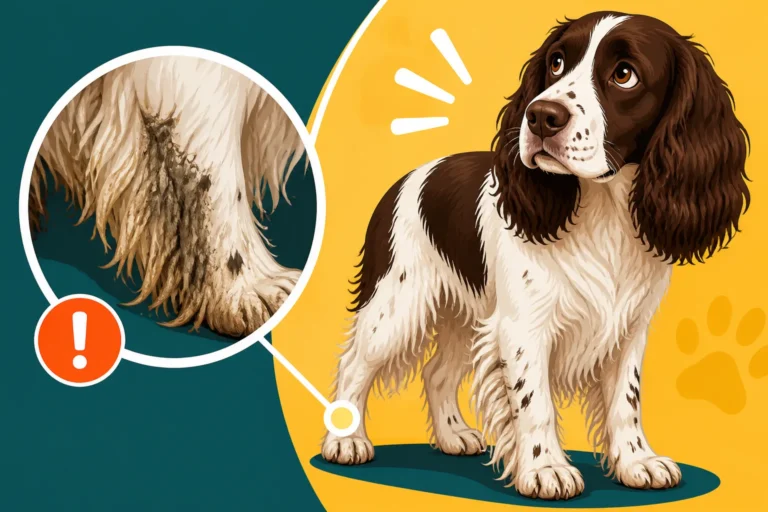
Beyond matting, there's the sheer magnetic quality of long belly hair for all sorts of outdoor detritus. Burs, sticks, leaves, and seeds can get deeply embedded in the feathering, turning a quick romp in the park into an hour-long extraction mission. If you've ever spent time meticulously picking burrs out of your dog's sensitive undercarriage, you know the struggle is real. Mud and dirt are also constant companions, and a coat that holds mud (Whether a Springer Spaniel's Coat Holds Mud) is often an exasperating reality, requiring frequent cleaning, which can dry out the skin if not done with appropriate products.
Lastly, there are hygiene concerns. After potty breaks, particularly for males, long belly hair can become soiled, leading to unpleasant odors and potential skin irritation. For both sexes, walking through wet grass or puddles means a perpetually damp belly, which can create a breeding ground for yeast and bacteria, contributing to skin problems. These practical considerations are often what drive owners to consider shortening this beautiful, yet sometimes problematic, feature.
Why Shorten Belly Feathering?
The decision to shorten your Springer Spaniel's belly feathering often boils down to a desire for practicality, improved hygiene, and preventing common coat-related woes. It's not about sacrificing beauty, but about enhancing their quality of life and making your daily routine a whole lot easier.
Practicality for Active Dogs
For Springers who spend a lot of time outdoors, especially those with a working heritage or simply a love for adventure, shortened belly feathering is a game-changer. Imagine your dog bounding through tall grass, exploring dense woods, or splashing through muddy trails. Long feathering on the belly and legs becomes an immediate trap for everything in their path. Burrs, Ticks and Grass Awns in a Working Springer Spaniel are no joke, and they love to cling to that long, soft hair.
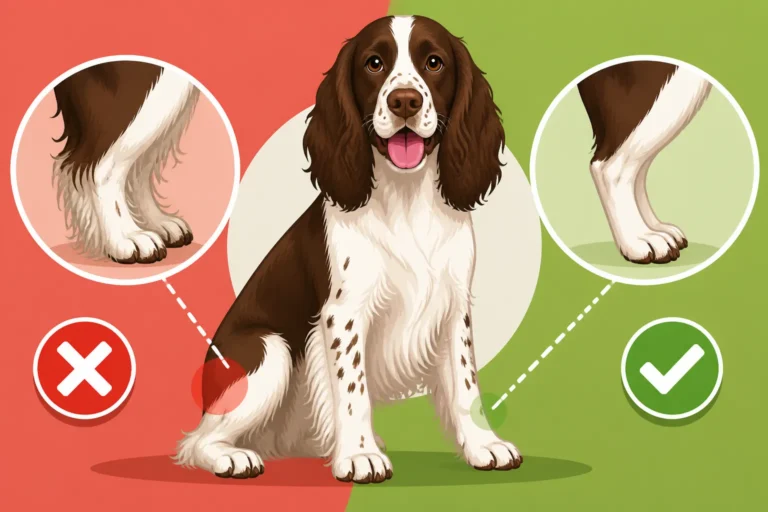
When the feathering is shorter, burrs and seeds have less to grab onto, reducing the time you spend meticulously picking them out after every outing. Mud, slush, and snow also accumulate less, preventing the formation of uncomfortable ice balls between their legs in winter. This means less post-adventure clean-up for you and a more comfortable, less irritated dog. A trimmed belly allows your Springer to move more freely without dragging excessive hair through whatever environment they're exploring, making them more efficient and comfortable in their natural element.
Hygiene and Cleanliness
One of the most compelling reasons to shorten belly feathering is simply for better hygiene. Let's be honest, those long feathery skirts are mud magnets and can get quite messy after a walk, especially if your Springer loves to investigate every puddle or damp patch. Keeping their underside clean becomes a daily chore that can feel never-ending.
With shorter belly hair, post-walk clean-ups become significantly faster and easier. Mud, dirt, and debris can be brushed off or wiped away with a damp cloth much more efficiently. This also directly addresses the common problem of urine and feces getting caught in the hair, particularly around the groin area, which can lead to odor, staining, and skin irritation. A quick rinse or wipe is often all that's needed, preventing the build-up of bacteria and maintaining a much fresher-smelling dog. This is especially beneficial for older dogs or those with mobility issues who might not be as adept at keeping themselves pristine.
Preventing Matting and Skin Issues
Matting is the bane of many long-haired dog owners, and Springer Spaniel bellies are prime territory for these frustrating tangles. The fine, soft hair, combined with constant friction from movement, lying down, or wearing harnesses, means mats can form quickly and easily. When mats become severe, they pull on the skin, causing pain and discomfort. They can also restrict air circulation, creating a moist, warm environment underneath that's perfect for bacterial or fungal skin infections to flourish.
Shortening the belly feathering drastically reduces the chances of severe matting. With less hair, there's less material to tangle, and any small knots that do form are much easier to brush out. This allows for better air flow to the skin, which can prevent moisture build-up and reduce the risk of skin irritations, hot spots, and yeast infections. You'll find it easier to keep an eye on your dog's skin, spot any unusual lumps, bumps, or irritations, and address them before they become larger problems. Regularly checking areas like Whether a Springer Spaniel's Armpits Mat becomes a breeze.
Methods for Shortening Belly Feathering
So, you've decided to trim that flowing belly feathering. Great! Now, how do you actually go about it? There are a couple of main approaches, each with its own pros and cons, and whether you do it yourself or seek professional help depends on your comfort level and your dog's temperament.
Scissoring vs. Clipping
When it comes to trimming your Springer's belly, you essentially have two main tools: scissors or electric clippers. Each offers a different finish and has its own set of advantages and disadvantages.
Scissoring
Using grooming shears allows for a more natural, feathered look. You can blend the trimmed area into the longer coat more seamlessly, which is often preferred for show-style coats or simply for maintaining a more traditional Springer appearance while still managing length. Scissoring is ideal if you only want to take a little off the length, neaten the edges, or create a very specific shape.
However, scissoring can be more time-consuming, especially if your dog has a lot of feathering. It also requires a steady hand and good quality What Thinning Shears Cost a Springer Spaniel Owner or straight shears to avoid choppy lines or accidental nicks. If your dog is squirmy, it can be quite challenging and potentially dangerous. For heavily matted areas, scissors are often used cautiously to cut under the mat before attempting to brush it out or clip it.
Clipping
Electric clippers offer a much faster and more uniform result. You can choose different blade lengths (or comb attachments) to achieve varying degrees of shortness, from a very close shave to a still-feathery but significantly shorter look. Clippers are excellent for creating a clean, practical cut, especially for working dogs or those prone to severe matting and debris collection. Many owners find clipping much easier and safer for large areas like the belly, as long as you use the right technique.
The downside is that clipping can sometimes leave a more distinct line, and the coat might grow back a bit differently in texture initially. You'll need decent quality What Clippers for a Springer Spaniel Cost that are quiet and don't overheat to make the experience comfortable for your dog. For the belly, a #7FC, #5FC, or even a #4FC blade (or corresponding comb attachment) is often used, offering a practical length without going completely bald.
DIY at Home
Trimming your Springer's belly feathering at home is definitely doable with the right tools and a bit of patience. Before you start, gather your supplies: a good quality slicker brush, a metal comb, a pair of blunt-nosed grooming scissors or electric clippers with a comb attachment, and plenty of treats. Make sure your dog is calm and well-exercised before you begin; a tired dog is a cooperative dog!
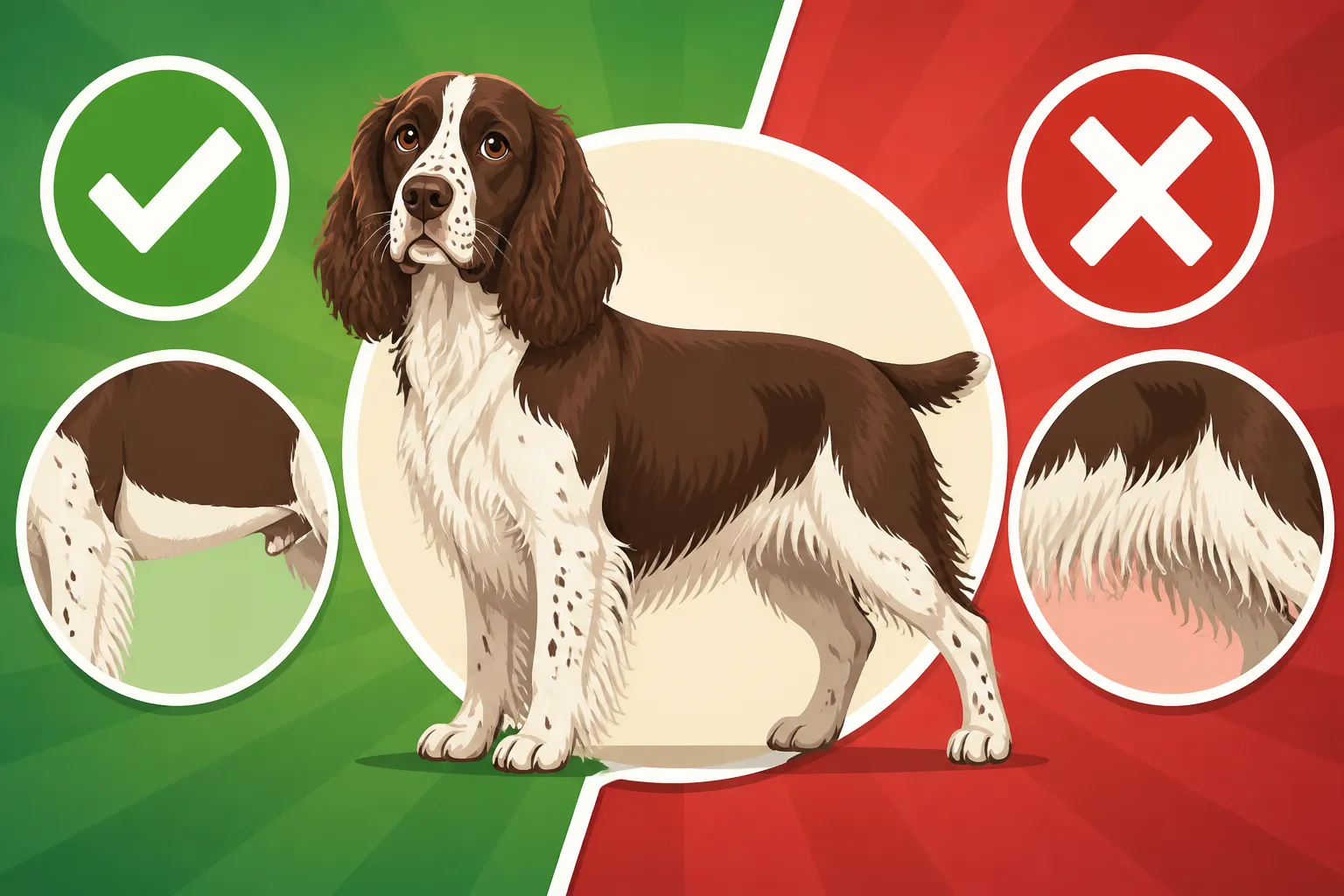
Start by thoroughly brushing out the belly area to remove any tangles or loose hair. This is crucial whether you're scissoring or clipping, as trying to cut through mats can damage your tools and pull your dog's skin. If you opt for clippers, attach your desired comb length (e.g., 1/2 inch or 3/4 inch for a practical, natural-looking trim) and gently run the clippers with the grain of the hair, moving from the chest towards the groin. For scissoring, lift sections of hair with a comb and snip the ends to your desired length, aiming for an even line. Always hold the scissors parallel to the body to avoid poking your dog, and be extra careful around sensitive areas like nipples and genitals. A good rule of thumb is to aim for a length that is short enough to stay clean but long enough to still offer some protection – typically around 1 to 2 inches. Remember, you can always take more off, but you can't put it back on!
Professional Grooming Options
If the idea of tackling your Springer's belly feathering yourself feels a bit daunting, or if your dog is particularly wiggly, a professional groomer is always an excellent option. Groomers have specialized tools, experience, and techniques to safely and efficiently trim your dog's coat, including those tricky belly areas. They can also offer advice on coat maintenance and address any underlying skin issues they might notice.
When you book an appointment, be very specific about what you want. Don't just say "trim the belly." Explain why you want it trimmed – for practicality, hygiene, or to prevent matting. Show them with your hands how short you'd like it, or bring a picture if you have a specific look in mind. For example, you might ask for a "sanitary trim" that extends further up the belly, or a general "tidy-up" that shortens the feathering without making it look completely clipped. They can achieve a blend that still looks natural while being far more manageable. Discussing What a Full Groom on a Show Springer Spaniel Costs versus a simple trim will also help you budget and ensure you get exactly what you need.
Considerations Before You Trim
Before you commit to shortening your Springer's belly feathering, it’s worth thinking through a few implications. While the benefits often outweigh the drawbacks for many owners, being informed helps you make the best decision for your specific dog and lifestyle.
The Impact on Coat Health and Texture
One common concern when cutting a dog's coat, especially with clippers, is Whether Shaving a Springer Spaniel Ruins the Coat. For most Springer Spaniels, trimming the feathering on the belly will not permanently "ruin" the coat, but it can temporarily change its texture. When cut, the hair grows back from the cut end, which can sometimes appear coarser or thicker than the naturally tapered tip of the original hair. This change is usually most noticeable with very short clips and tends to normalize over time as the coat grows out and is regularly brushed.
It's also important to understand that the coat provides insulation. While less crucial on the belly, removing significant amounts of hair can temporarily reduce both warmth in winter and some sun protection in summer. However, for most domestic Springers, this isn't a major issue, especially if they have access to shelter and aren't spending hours exposed to extreme elements. The primary goal of trimming the belly is practicality, and for many, the trade-off in potential temporary texture change or minor insulation loss is well worth the benefits of easier maintenance and better hygiene.
Maintaining the Shorter Coat
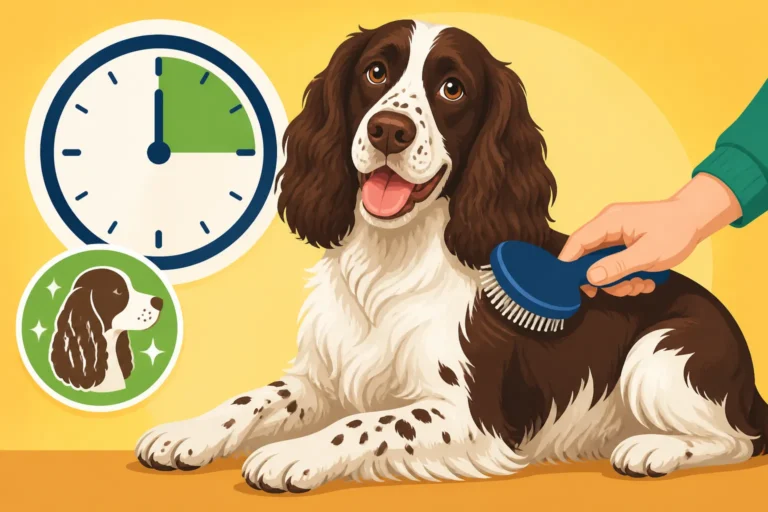
Just because the belly feathering is shorter doesn't mean you can throw your brush in the cupboard! A shorter coat still requires regular attention to keep it in prime condition. In fact, while it might be less prone to severe matting, daily brushing is still highly recommended to prevent smaller tangles from forming and to remove loose hair and any minor debris.
The beauty of a shorter belly coat is that brushing is much faster and more effective. You can easily reach the skin with a slicker brush or a comb, ensuring good air circulation and stimulating natural oils. This routine check also allows you to spot any skin irritations, ticks, or other issues much more readily than when buried under a dense curtain of long hair. Consider this maintenance a proactive measure to keep their skin healthy and their coat free from minor problems before they escalate. After all, a quick daily brush is far preferable to hours spent detangling or dealing with painful mats.
Seasonal Changes and Protection
When deciding on the length of your Springer's belly feathering, it's worth considering the seasons. In colder months, that longer feathering does offer a small degree of extra warmth, acting as an insulating layer against chilly ground or snow. While a well-fed and active Springer will generally generate plenty of body heat, a very short clip might necessitate a dog coat or sweater for prolonged outdoor exposure in freezing temperatures, especially for older or less robust dogs.
Conversely, in the warmer months, you might think a super-short clip is ideal for cooling. While it certainly helps prevent overheating by allowing better air circulation, remember that hair also provides some protection from the sun. A dog's belly skin is often quite pale and sensitive, and direct, prolonged sun exposure on a freshly clipped area could lead to sunburn, especially if your Springer loves to sunbathe on their back. A length of an inch or two usually provides a good balance: short enough for airflow and hygiene, but long enough to offer a minimal barrier against UV rays or accidental scrapes. It’s all about finding that sweet spot for your dog’s specific needs throughout the year.
Here’s a quick comparison of scissoring versus clipping for your Springer Spaniel’s belly feathering:
| Feature | Scissoring (Grooming Shears) | Clipping (Electric Clippers) |
|---|---|---|
| Appearance | More natural, feathered, blended look; good for subtle trims | Uniform, tidy, can be very short; distinct lines if not blended |
| Speed | Slower, more meticulous; challenging for large areas | Faster, efficient; ideal for significant length reduction |
| Ease of Use | Requires skill, steady hand; good for detail work | Easier for even cuts over large areas; needs practice for blending |
| Risk | Higher risk of nicks/pokes if dog is squirmy | Lower risk of nicks with proper blade/comb attachment, but skin can be pulled if not taut |
| Tools Needed | Straight shears, thinning shears, comb | Electric clippers, various blades/comb attachments |
| Mat Removal | Can be used carefully to split mats before brushing/clipping | Excellent for safely removing mats with appropriate blade |
| Cost (DIY) | Good shears can be an investment, like those found on Chewy | Quality clippers (with various blades) are an investment, also available on Amazon |
| Best For | Show rings, light tidying, maintaining a natural flow | Practicality, hygiene, active dogs, severe matting prevention |
Ultimately, the choice between scissoring and clipping, or whether to do it yourself or hire a professional, comes down to your personal comfort level, your dog's specific coat type, and the amount of maintenance you're willing to commit to. Whatever you choose, a well-managed belly feathering will contribute to a happier, healthier, and much cleaner Springer Spaniel!
Disclaimer
This article is for general informational purposes only and does not constitute professional advice. Laws, prices and regulations vary by location and change over time. Consult a qualified professional for guidance on your specific situation.